
Documenting shark and ray conservation in Angola through the SOSF Storytelling Grant
In 2024, the Angola Elasmo Project was honoured to be selected for the Save Our Seas Foundation Storytelling Grant. This recognition went beyond acknowledging years of field-based research, it provided a valuable opportunity to enhance how our conservation science is communicated, connecting data, people, and place through visual storytelling.
As part of the grant, SOSF selected photographer Nicholas Hans and his assistant, Miguel, to join our team in the field during November and December. From the outset, we worked closely together and quickly developed a strong rapport, making the collaboration both productive and enjoyable. Their role was to immerse themselves in the project, gaining firsthand experience of shark and ray conservation along Angola’s coastline, and to translate our scientific work into engaging visual narratives.
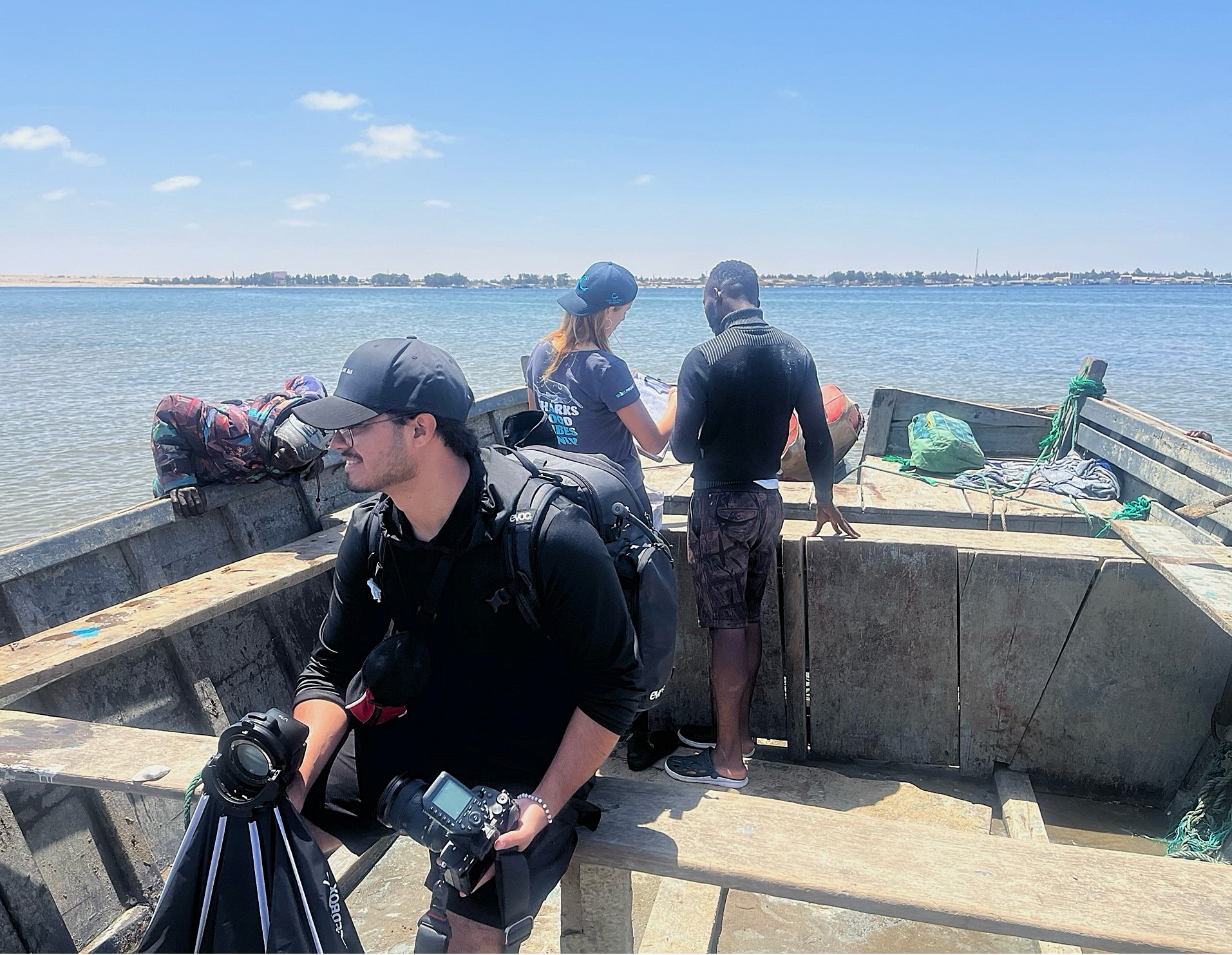
Planning our expedition day with a volunteer and a photographer/assistant aboard the boat. We’ll document fisheries interactions at a coastal landing site, where scientific research and local knowledge come together to understand and protect Angola’s elasmobranchs. Photo © Domingos dos Santos and Bruno Catraio | Angola Elasmo Project
During their time with the Angola Elasmo Project, Nicholas and Miguel observed fisheries interactions, and participated in dives across key coastal habitats, including the Benguela region. These activities provided an authentic perspective on elasmobranch research in practice, from species identification at landing sites to documenting underwater habitats and behaviour. By being embedded in the field, the storytellers were able to capture conservation as a dynamic process, closely linked to both ecological systems and local communities.
The storytelling process also offered an important moment of reflection for the research team. Seeing our work interpreted through another lens highlighted the broader relevance and impact of our efforts. For the researchers, it was an energising experience that reinforced the value of our work and inspired continued growth in data collection, community engagement, and collaborative conservation approaches.
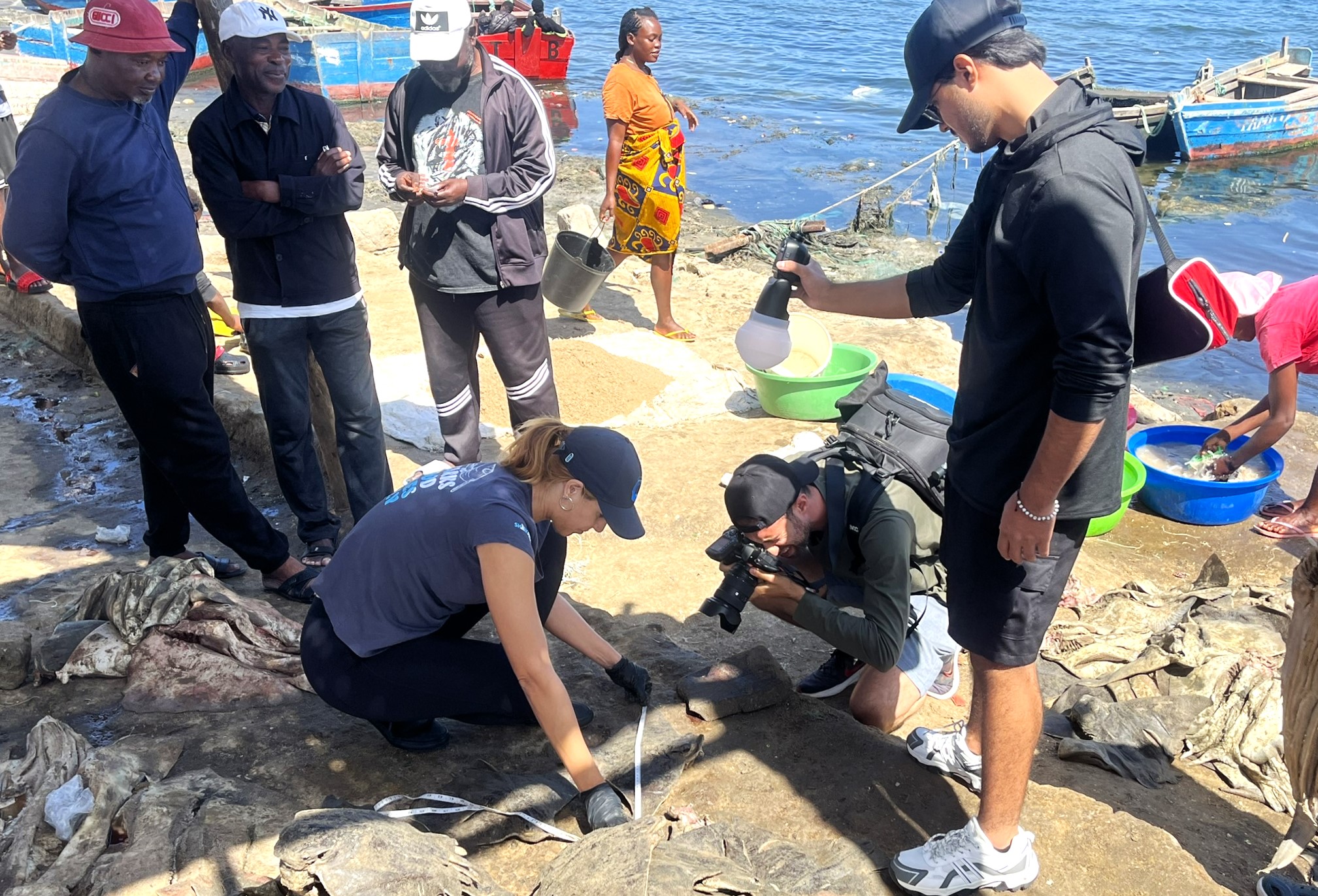
Field-based species identification supports long-term monitoring of shark and ray populations along Angola’s coast. Photo © Domingos dos Santos and Bruno Catraio | Angola Elasmo Project
A recurring theme throughout the fieldwork was the importance of participatory research and local knowledge. Fishers contributed insights on seasonal patterns and species encounters, which were documented systematically by the research team. This exchange emphasised the strength of integrating local expertise with scientific methods to develop conservation strategies that are both effective and socially equitable.
Overall, the SOSF Storytelling Grant reaffirmed that conservation science thrives on collaboration, curiosity, and shared purpose. The experience strengthened the Angola Elasmo Project and highlighted the powerful role of storytelling in advancing shark and ray conservation in Angola.
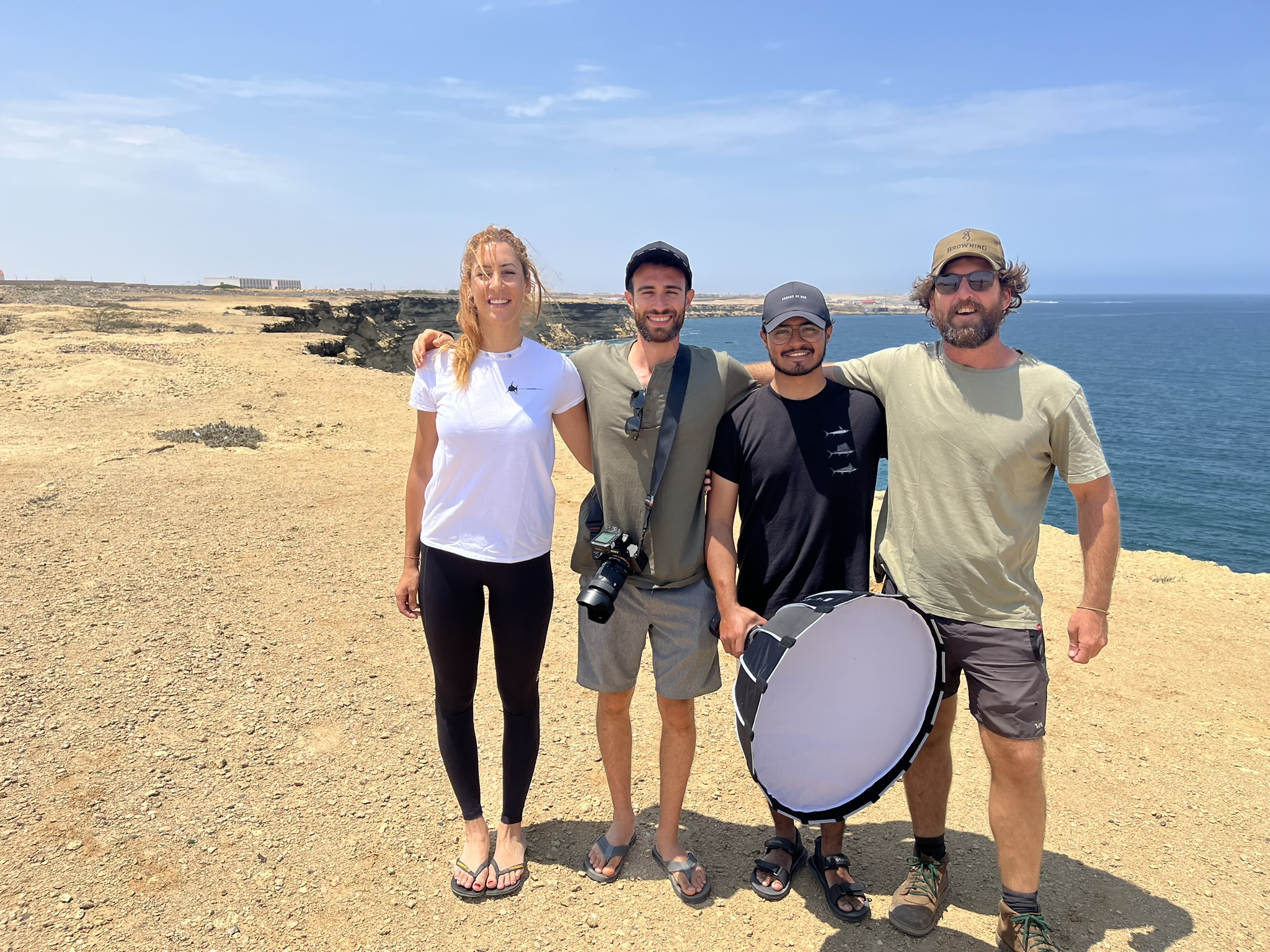
Collaboration in action: researchers and storytellers working side by side to strengthen conservation science. Photo © Domingos dos Santos and Bruno Catraio | Angola Elasmo Project
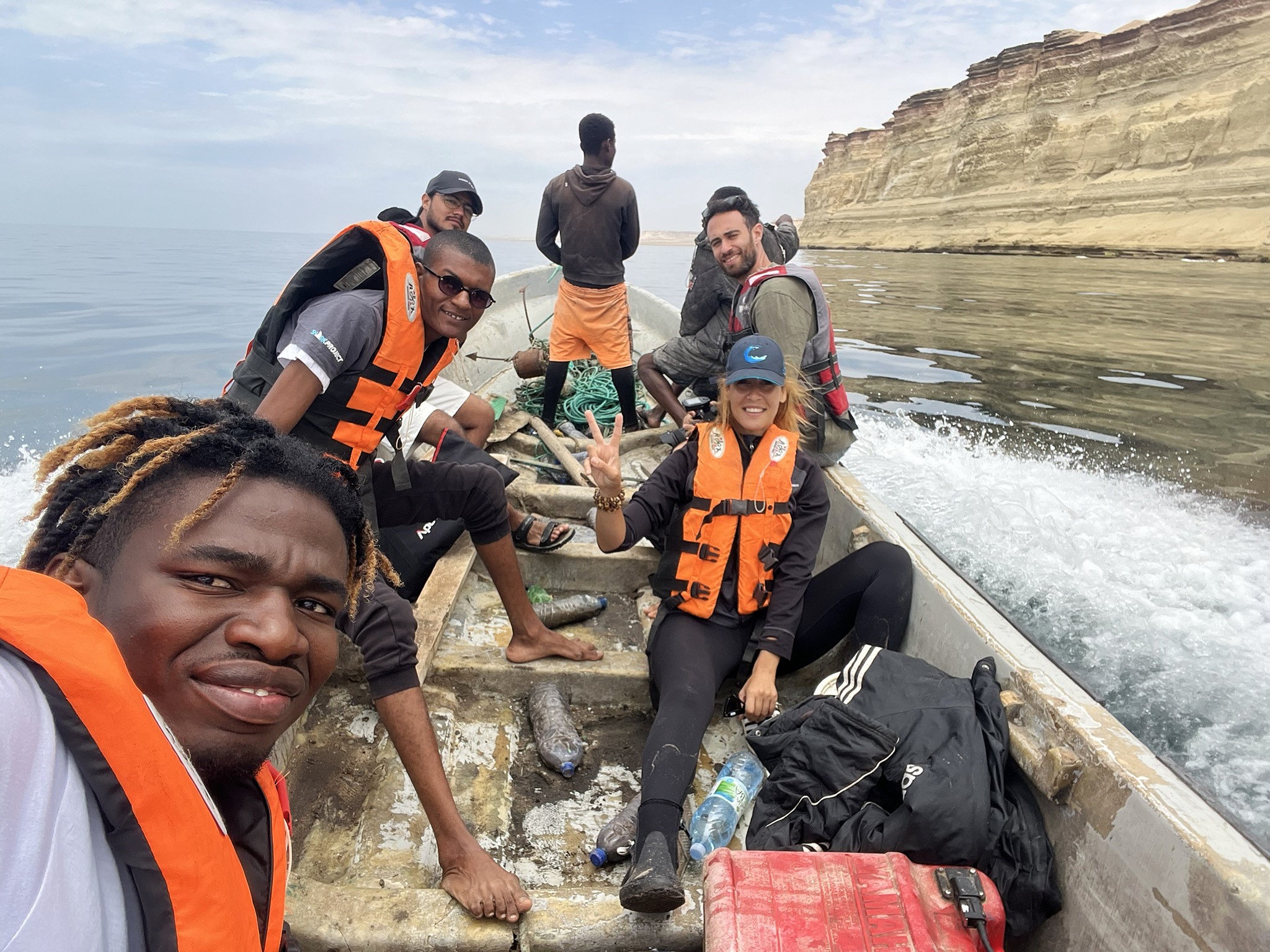
Our team on an exploratory trip aboard a traditional chata boat, generously provided by local fishers: a perfect example of collaboration between science and community. Photo © Domingos dos Santos and Bruno Catraio | Angola Elasmo Project