
Bringing shark science to the classroom: how Project Lemon Aid connects students to real research
Shark science doesn’t just happen on the water; it comes alive in classrooms, sparking curiosity, challenging misconceptions, and inspiring future ocean advocates. Through Project Lemon Aid, our field research becomes more than data; it becomes a powerful educational tool that reaches students across Turks & Caicos and around the world.
While our team spends hours collecting measurements, samples, and observations from lemon sharks in the field, the impact of that work extends far beyond the mangroves and sandy flats. Each season, we translate real scientific findings into hands-on learning experiences that help teachers bring marine biology to life in meaningful, accessible ways.
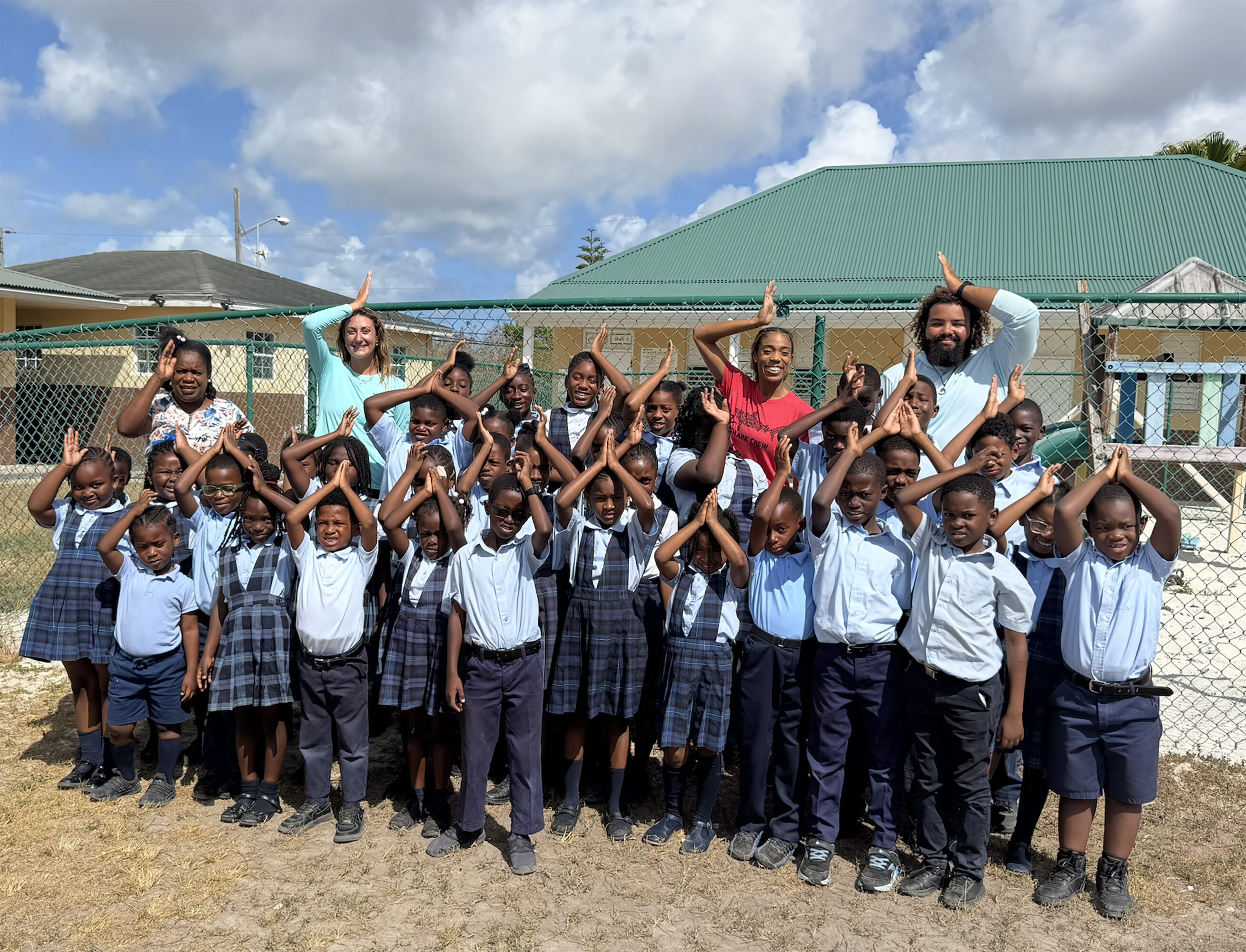
Sharks4Kids and Big Blue Collective team visiting students on North Caicos. Photo © Mercedes Alfaro
Every shark measured, tagged, or sampled adds another piece to the scientific story, and those pieces become the foundation of classroom lessons. In the classroom, we discuss the reason the project was created, the threats local sharks face, the reason we are collecting data, and the specifics of the data we are collecting. This means we aren’t just talking about shark science, we’re sharing actual field discoveries that help students understand how research happens and why it matters. This is woven with shark biology and ecology to help students better understand what is happening in their own backyard and around the world. To enhance the learning experience and keep the conversations going, we’ve created colouring pages, activity packets, and videos. We also connect sharks to a diverse range of topics, including the importance of mangroves, the impacts of climate change, and plastic pollution.
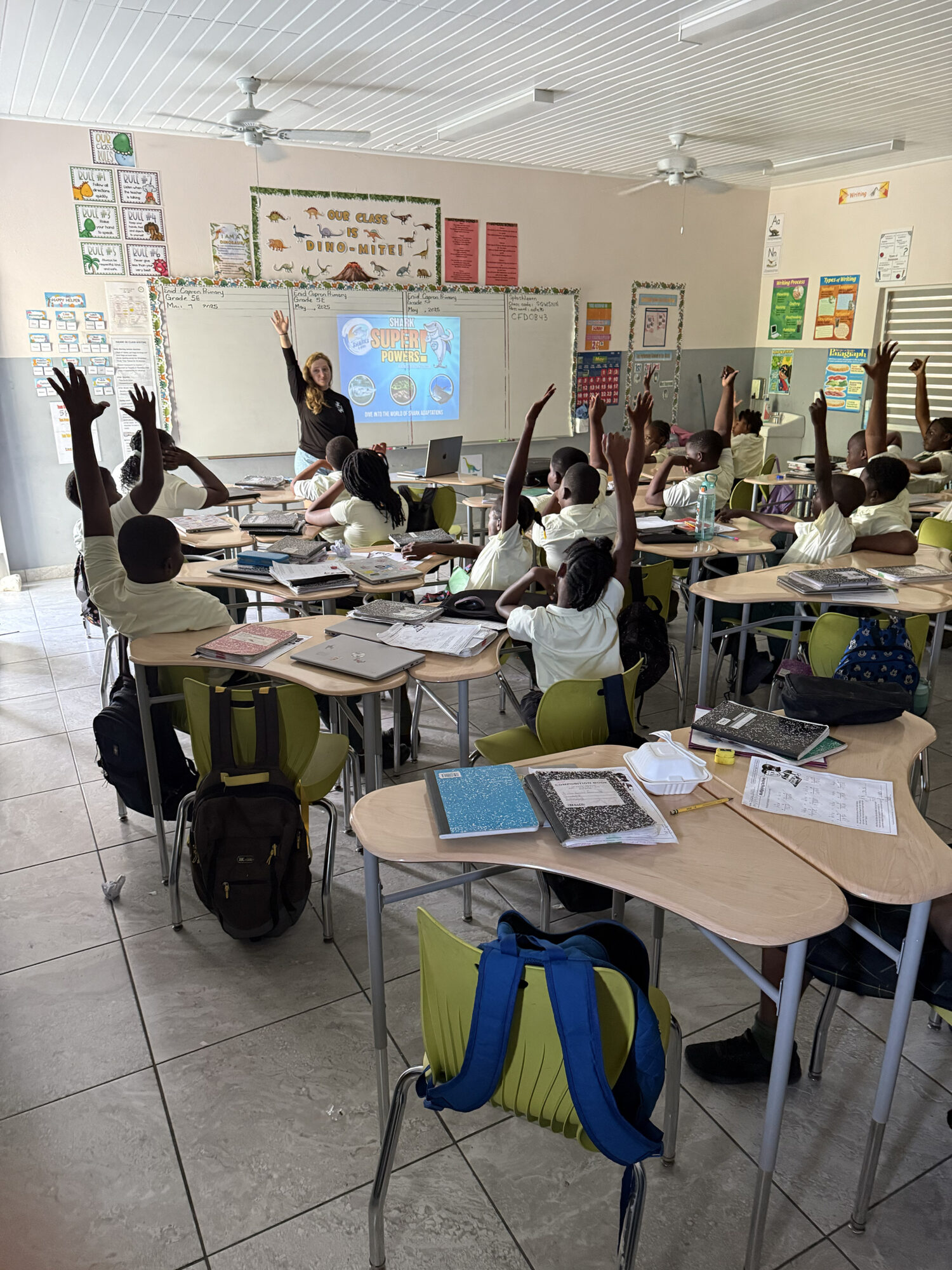
Hands up with lots of shark questions for Michelle during a Sharks4Kids shark lesson. Photo © Jillian Morris
Our partnership with the Ministry of Education has helped us build strong relationships not only with the schools but also with the community. When you are speaking about an animal people fear or even hate, the door can be shut immediately. The MOE has helped us open the doors and change the conversations. Their support of our mission has helped us reach schools across every inhabited island in Turks and Caicos. Hon. Rachel Taylor, Minister of Education, remarked:
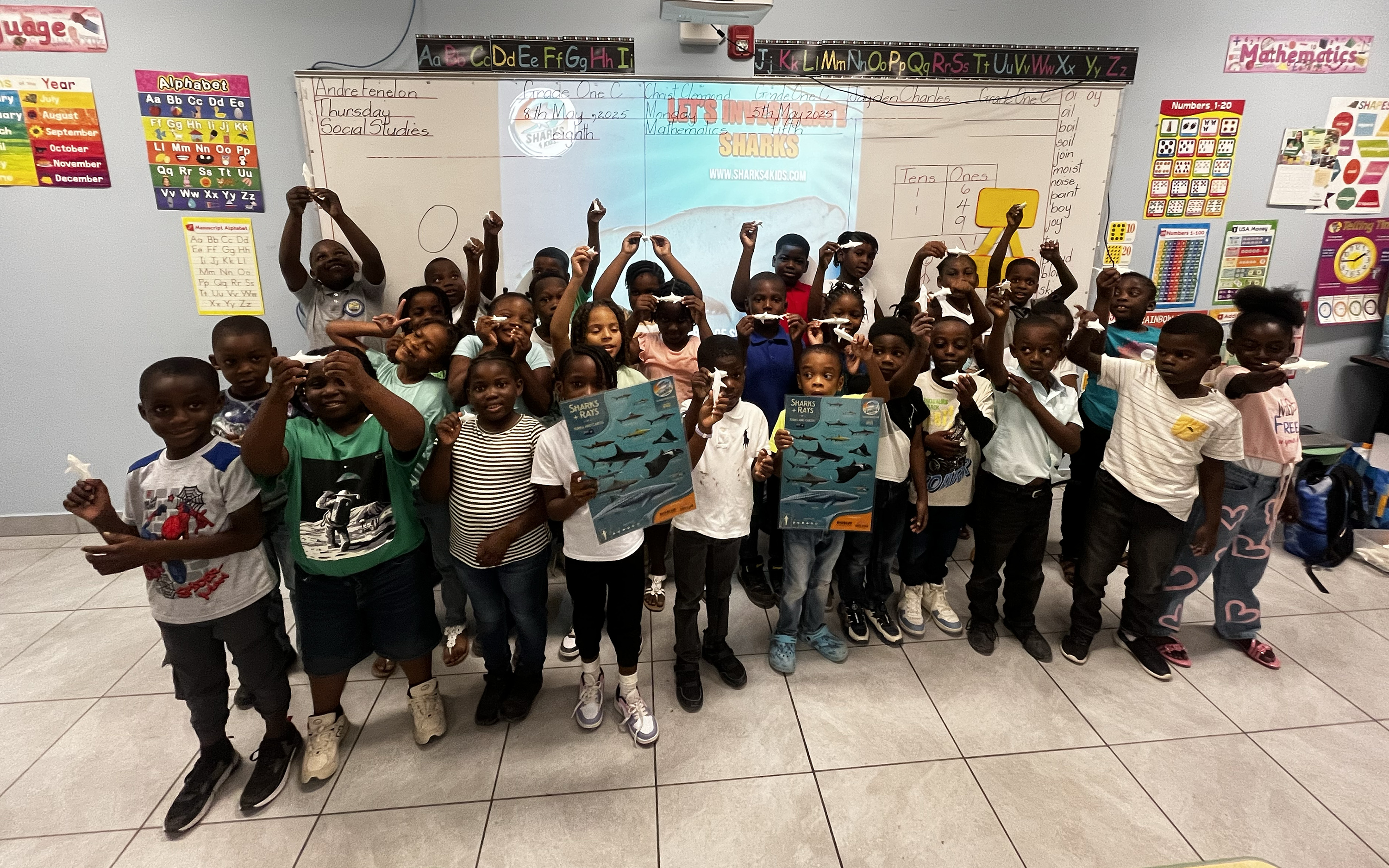
Students with donated 3D model sharks and posters. Photo © Jillian Morris
In 2025, our team delivered 49 presentations across 11 schools, connecting with 1,500 students and 80 teachers and principals. Schools on Providenciales, North Caicos, and Middle Caicos participated in a wide-ranging series of lessons on shark biology, conservation, and the TCI’s marine ecosystems. Our local team member, Arenthia Baker, also visited Enid Capron, Thelma Lightbourne, and Richmond Hill Primary schools in November to speak about the project and donate 500 activity packets and 100 activity books to students in grades 4-6.
Our Institution makes every effort to provide students with learning experiences that enhance their personal growth and development. Learning about sharks is essential because it helps dispel myths and other misunderstandings that students may have. Exposing students to this fosters a deeper understanding of marine ecosystems and the interconnectedness of all living species. They also learn valuable lessons about protecting and conserving marine life.” Sophia Garland, Principal Enid Capron Primary
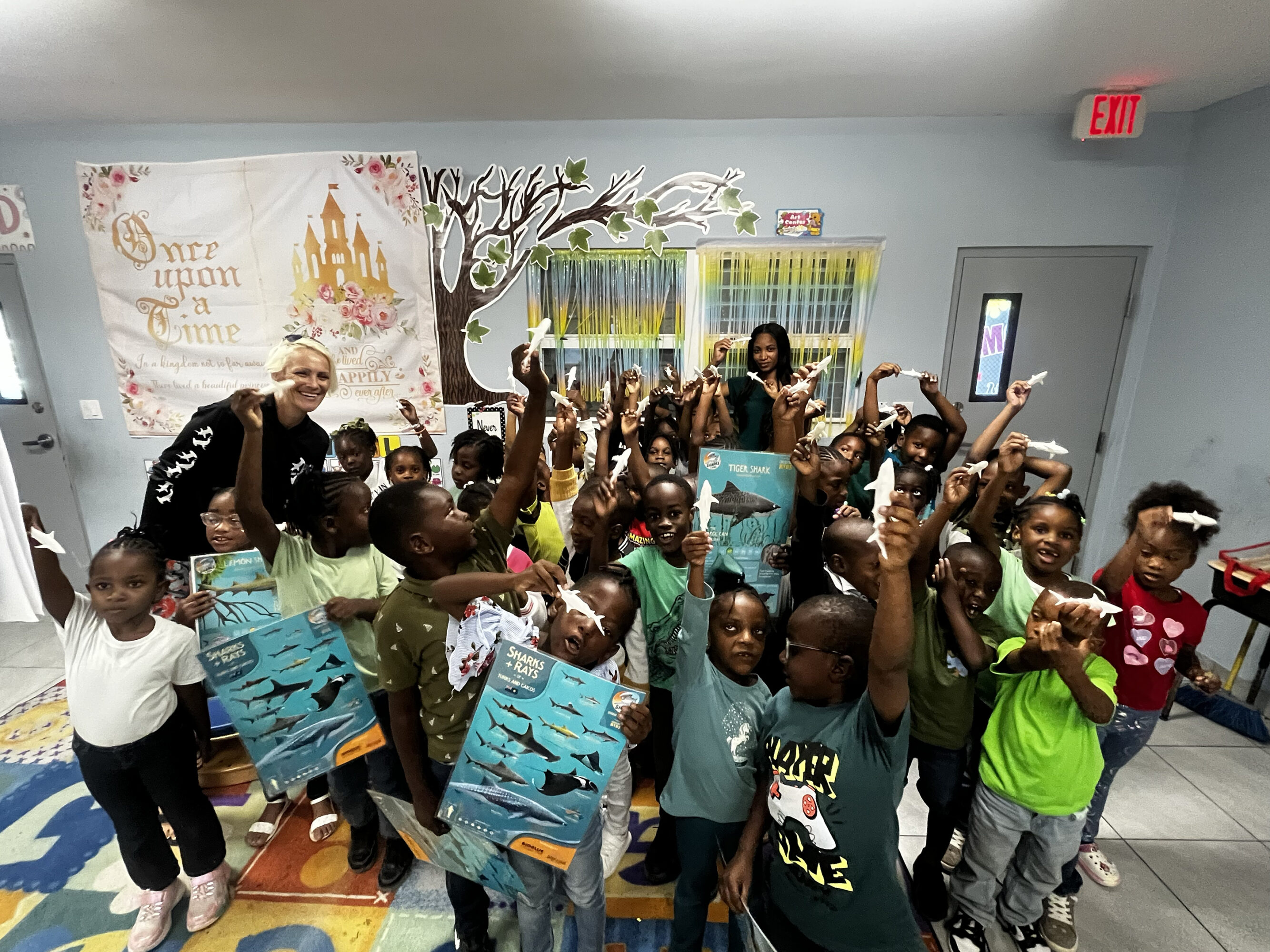
Jillian with students during a visit. Photo © Michelle Jensen
To support long-term learning, Sharks4Kids donated more than 1500 educational materials, including laminated posters, activity books, classroom packets, colouring pages, and 4Ocean bracelets.
A highlight of this year was creating our 52-page activity book called Sharks and Rays of Turks and Caicos. This unique and engaging book not only features the species found in the region but also the science happening as part of Project Lemon Aid. This first-of-its-kind education resource was made possible through our support from Save Our Seas Foundation. In 2025, we donated 300 copies and plan to donate even more in 2026.
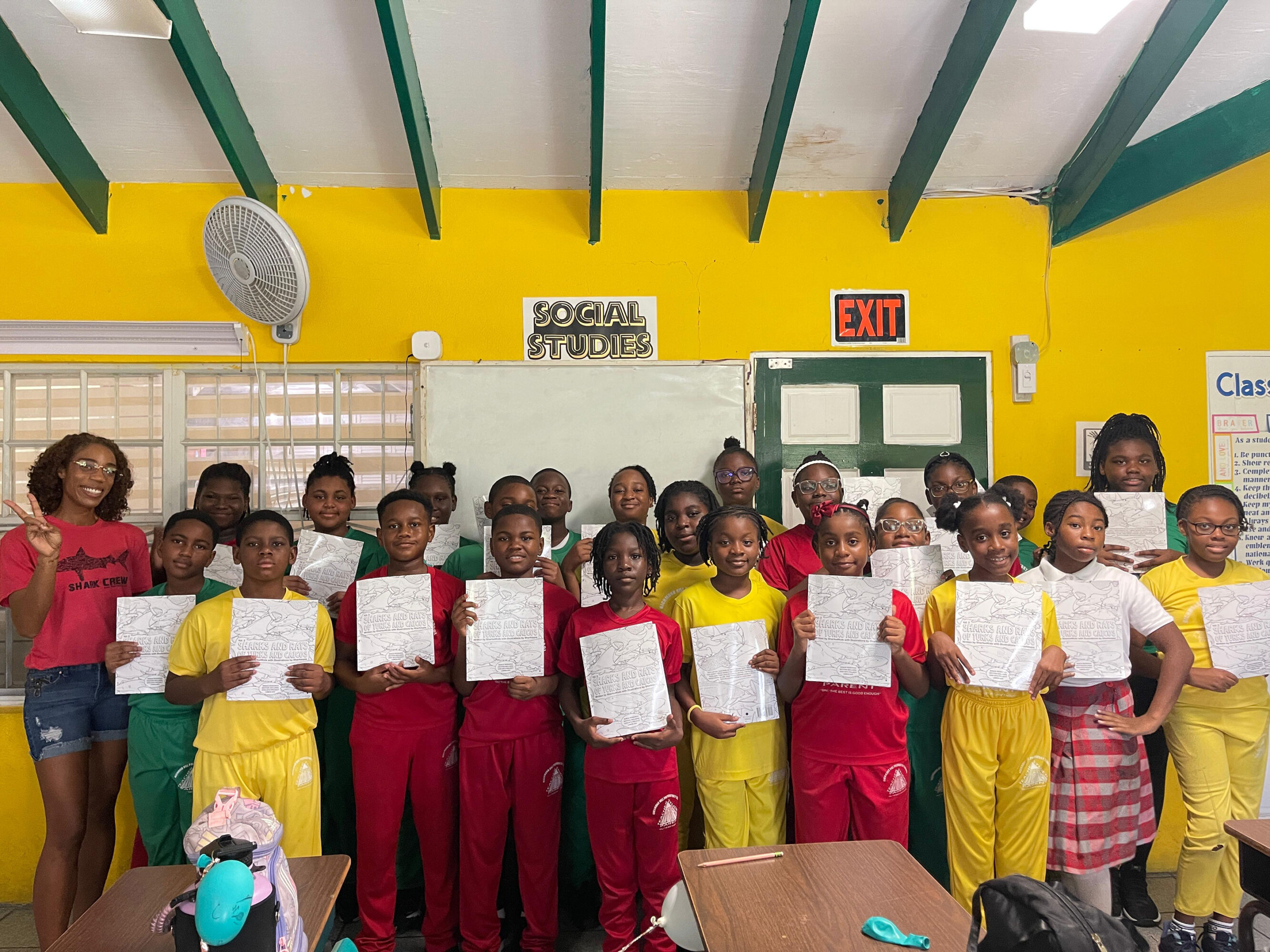
Arenthia delivering activity books to students Photo © Richmond Hill Primary School
Education is critical to conservation and must happen at every level within the community. Students are far too often overlooked as stakeholders, but their voices are powerful, and they matter. Education empowers students, with a ripple effect that reaches the adults in their lives. Sharks are often misunderstood, and misunderstandings can lead to fear, indifference, or even harm. Bringing shark science into the classroom helps build ecological literacy, encourages critical thinking, replaces fear with fascination, shows the importance of coastal ecosystems, and inspires students to become advocates for their environment. These impacts last long after the lesson ends.
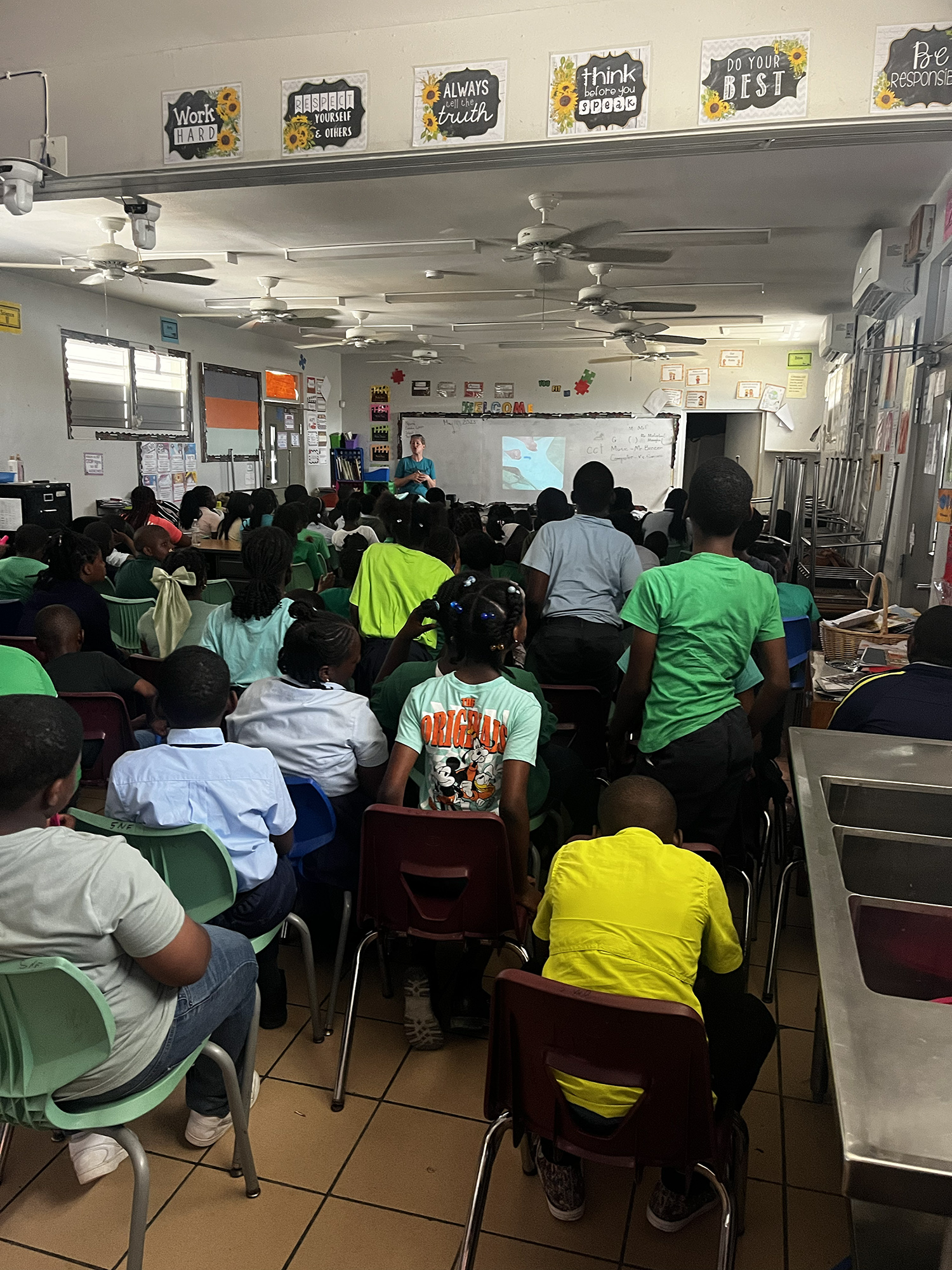
Leann teaching students about shark belly buttons. Photo © Jillian Morris
Project Lemon Aid isn’t just a research initiative; it’s a bridge between science and education, connecting young minds to the ocean in ways that spark lifelong curiosity. Every photograph, every measurement, every data point collected in the field becomes part of a bigger story, a story we’re excited to share with students, teachers, and communities throughout the Turks & Caicos Islands. Shark conservation starts with knowledge, and knowledge begins in the classroom.
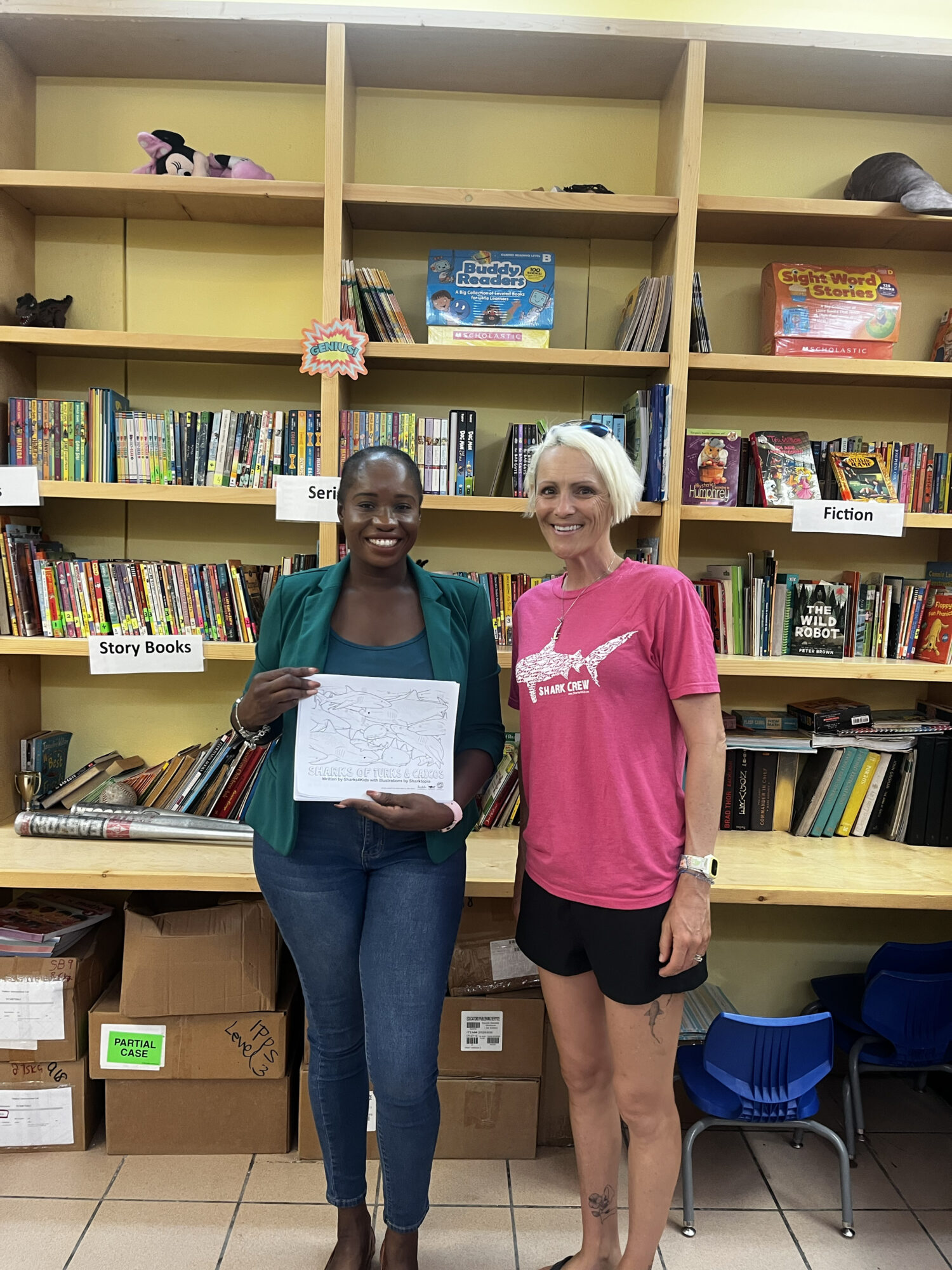
Jillian with Principal Neekimo King from Ianthe Pratt Primary School. Photo © Leann Winn