
Cutting the bycatch in Colombia’s Caribbean artisanal fisheries
Targeted fishing for sharks is banned in Colombia, but that doesn’t mean that their kin (rays, skates and chimaeras) are doing well – yet. Bycatch is on the rise, and Carlos has noted that the increased restrictions on shark catches and declining shark populations have increased the contribution of batoids (rays and skates) to artisanal catches. To combat this trend, he is identifying fishing gear and locations with high skate and ray bycatch, testing tools to modify gear and exploring the options of shifting fishing grounds or reducing gear usage in high bycatch areas. He is determined to implement sustainable fishing practices and educate local communities.
Carlos Polo
A dedicated marine science professional specialising in conservation, I have extensive experience in academia, research and consultancy. My academic background includes a doctorate in limnology and marine science from Universidad Nacional Autónoma de México, a Master’s in marine resource management from Centro Interdisciplinario de Ciencias Marinas (CICIMAR-IPN) and an undergraduate degree in marine biology from Universidad de Bogotá Jorge Tadeo Lozano.
I have previously served as a consultant for the International Fund for Animal Welfare, the Marine Stewardship Council and the Wildlife Conservation Society, where I supported conservation initiatives across Latin America. As a peer reviewer for...
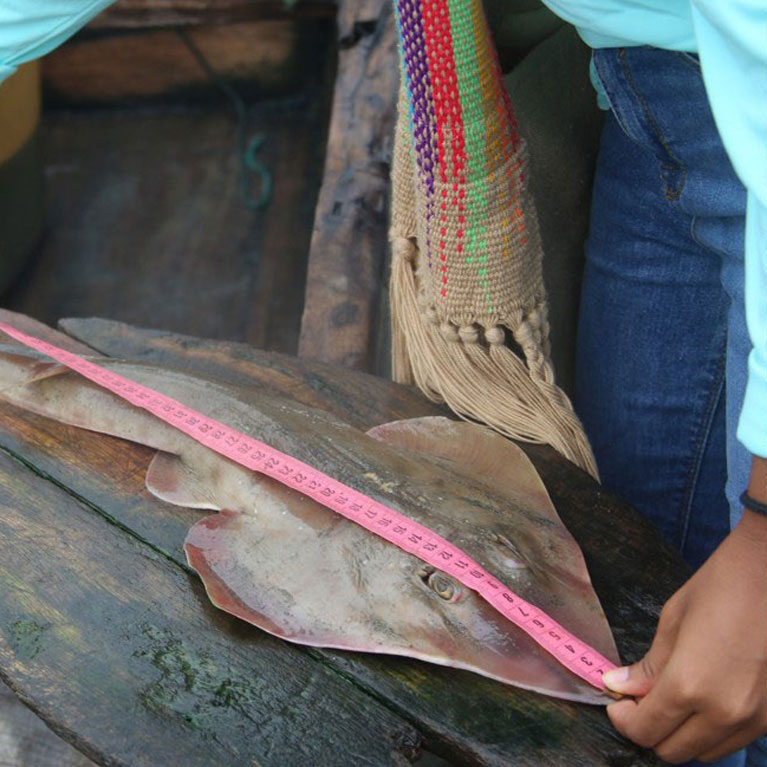
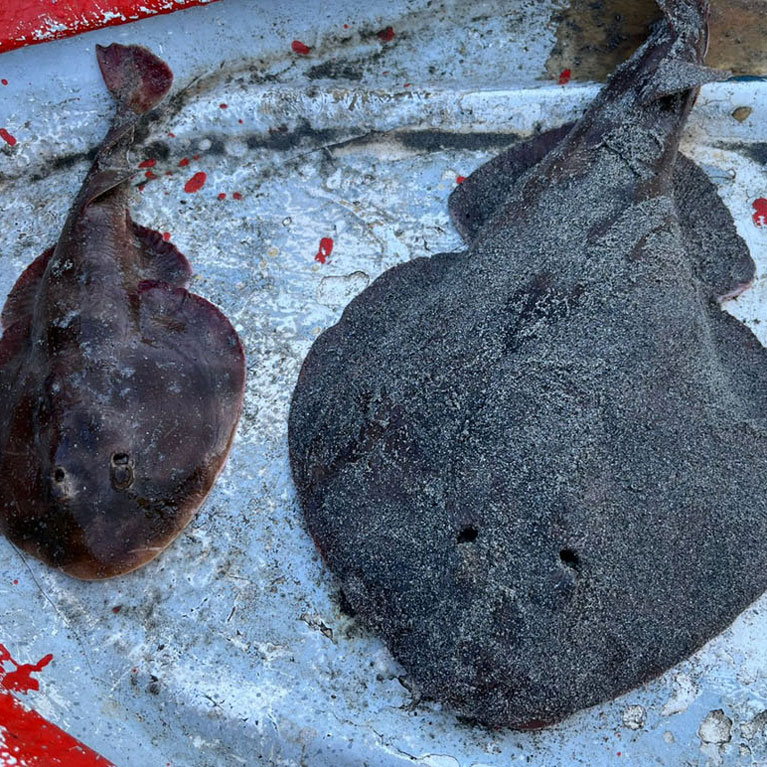
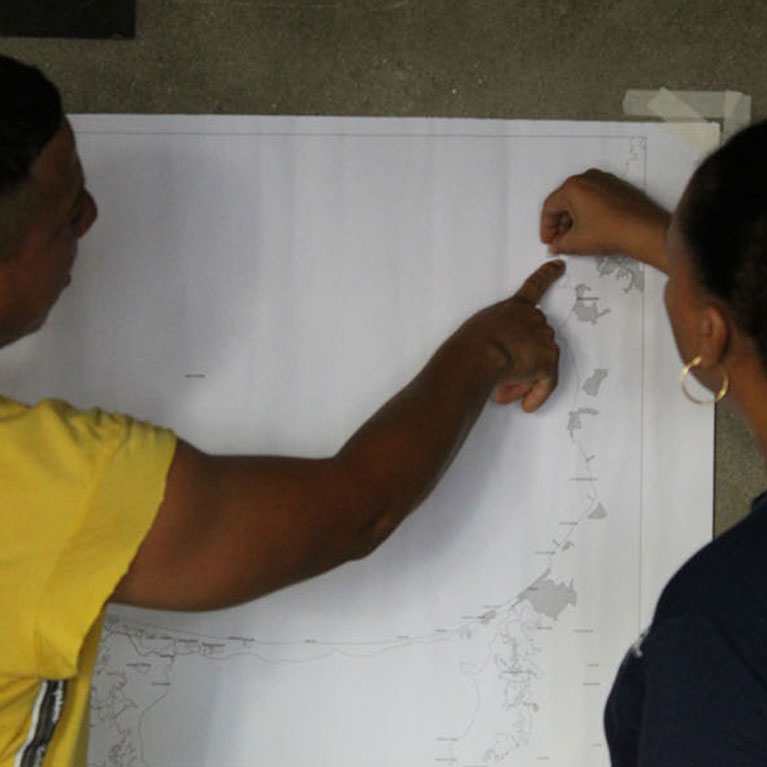
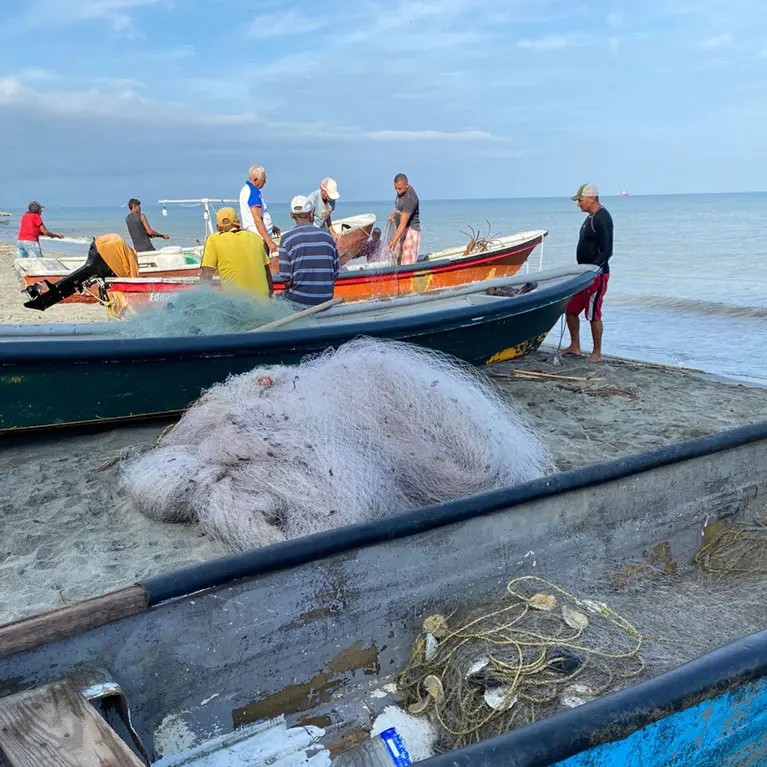
Conserving Biodiversity: strategies for batoids bycatch reduction in the Colombian Caribbean
This project aims to evaluate strategies to mitigate or reduce bycatch in the artisanal fishing sectors of the department of Magdalena in Colombia.
There is an urgent conservation need to reduce shark and ray bycatch in the Colombian Caribbean’s artisanal fisheries. By implementing sustainable fishing practices and educating local communities, we aim to protect these vulnerable species, ensuring the health of marine ecosystems and the livelihoods of coastal communities. Our efforts will contribute to both local and global conservation goals, promoting long-term sustainability and biodiversity.
In Magdalena, batoids (skates and rays) are frequently caught using artisanal fishing gear. Among these species are the Chola guitarfish Pseudobatos percellens, southern stingray Hypanus americanus, longnose stingray H. guttatus and spotted stingray or eagle ray Aetobatus narinari. Most are benthic, inhabiting sandy or muddy areas, and are typically found near the coast, although some, like the spotted stingray, are more pelagic but still close to shore. Due to increased restrictions on shark catches and declining shark populations, the contribution of batoids to artisanal catches has risen. Overexploitation has led to declines in their abundance and changes in their distribution.
Although these batoid species are often caught, knowledge of their populations is limited. Key information gaps include the sizes of the species caught, which segments of the populations are most vulnerable to the types of fishing gear used, and what alternative fishing methods could be implemented to reduce bycatch. The catching of any chondrichthyan species is currently prohibited in Colombia, so it is crucial to manage the bycatch of vulnerable species like these batoids. Finding alternative fishing methods is challenging but necessary; they must provide viable options that can be adopted and integrated into the fishers’ practices.
Challenges the project is likely to face include resistance to changing traditional fishing practices and limited community engagement. Enforcing regulations and securing resources and support from local authorities can be difficult, especially if regulations are not well understood. We will collaborate closely with local fisheries and environmental authorities, leveraging strong partnerships with key government officials and community leaders. Being familiar with the local communities, I have built up trust over the years, and this will help overcome resistance to change. Outreach efforts that explain the importance and benefits of the adopted strategies, aligned with current regulations and involving local authorities and community leaders, will help ensure compliance and enforcement.
- To identify the fishing gear and locations that result in high bycatch of skates and rays.
- To test and evaluate tools to modify fishing gear to reduce bycatch.
- To propose adjustments to the use of fishing gear to avoid catching skates and rays.
- To explore shifting fishing grounds or reducing gear usage in areas of high bycatch.
- To educate the fishing community about sustainable practices and the importance of marine conservation.