
Raymart Cacacha
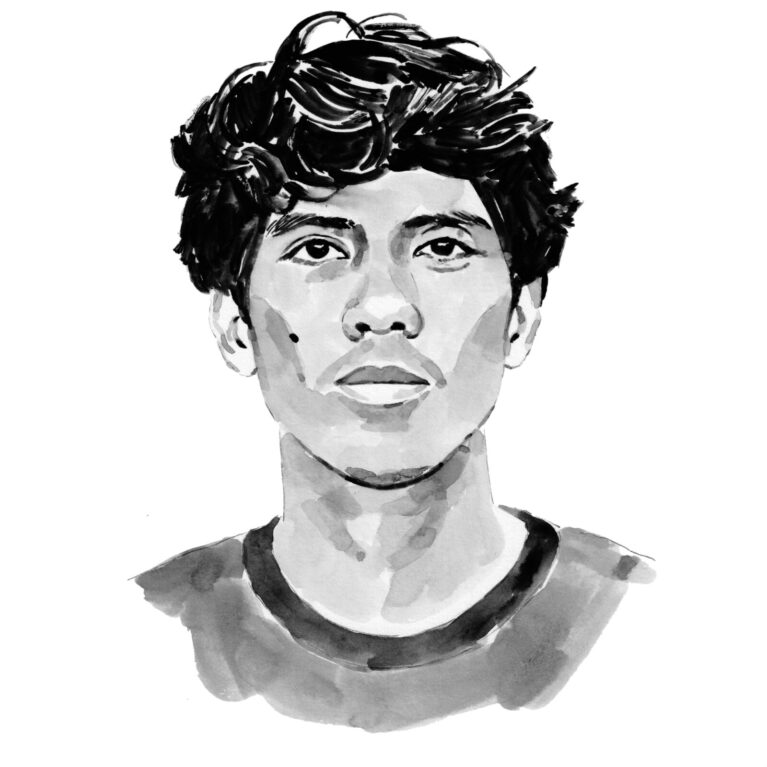
Who I am
Born and raised in Palawan, an archipelago in the Philippines, I have a deep connection to the sea, which has always been part of my island’s culture and identity. Although I didn’t grow up in a fishing community, the ocean was been a constant presence in my life through family trips, the stories told me by friends, and the people I knew who depended on it. As I got older, I began to notice not only the beauty and richness of our marine environment, but also the struggles faced by local fishers, from declining catches to the relentless uncertainty experienced by those who make a living from the sea. These observations sparked my interest in marine science and pushed me towards a career in conservation.
My journey in research and conservation has taken me to coastal communities across Palawan, where I work to bridge science and local knowledge. I have learnt that conservation is not only about protecting species, but also about understanding people, their daily challenges, and values and traditions. That is why I dedicate much of my time to listening to fishers’ stories, observing their practices and building the trust that makes collaboration possible.
What drives me is both scientific and personal. On the science side, I want to protect marine biodiversity and ensure that threatened species like sharks and rays are not lost. On the community side, I hope that people in Palawan can continue to rely on the ocean in a sustainable way that supports their families while keeping our marine ecosystems alive for the future.
Where I work
My project is based in San Vicente, Palawan, a coastal municipality on the island’s north-western side facing the West Philippine (South China) Sea. It sits on a broad, shallow continental shelf that stretches far offshore before dropping into deep oceanic basins. Nearshore habitats include coral reefs, sea-grass beds, mangroves and sandy seabeds that together support rich biodiversity and productive fisheries.
Fishing in San Vicente is small-scale and open-access, carried out by motorised boats using gear such as gill nets, hand lines and fish corrals. Most fishing grounds are close to shore, although some fishers travel more than 15 kilometres (nine miles) offshore to target tuna and other pelagic fish. Hundreds of households depend on these fisheries for daily food and income, making them essential to both survival and culture.
Although productive, San Vicente’s fisheries are under mounting pressure. Overfishing, declining catches and the accidental capture, or bycatch, of vulnerable species like sharks and rays all threaten local fisheries. The municipality’s location on the West Philippine Sea also places it within a broader geopolitical context, where disputed claims, increasing fishing pressure and habitat loss add further challenges.
Working in San Vicente reminds me every day that conservation is about people as much as it is about wildlife. The same fishers who struggle with dwindling catches are the ones who have valuable knowledge about the sea. This setting brings both difficulties and hope: difficulties in addressing urgent issues in fisheries, and hope in knowing that, together, science and community can build solutions that protect marine life while keeping the ocean a source of life for families here.
What I do
My work focuses on understanding the catching of sharks and rays in small-scale fisheries. Much of my time is spent in the field, interacting with fishers at landing sites, recording catch data and documenting bycatch incidents. These interactions give me valuable insight into how often elasmobranchs are caught, what happens to them once landed and how fishers view their importance.
A typical day often begins early in the morning, waiting at the shore as boats return with their catches. I spend hours measuring and documenting the catch, taking notes and sometimes collecting skin tissue samples for further study. These moments allow me to see at first hand the challenges fishers face and to understand how bycatch affects their daily work. When not collecting data, I spend time sitting with fishers, listening to their stories of their experiences at sea. These conversations are just as important as the numbers because they help build trust and show me how closely their lives are tied to the ocean.
Alongside landing site work, I join fishing trips as an onboard observer to better understand how untargeted fish are caught alive and what condition they are in when captured. With the same communities, we have started providing GPS trackers to fishers to record effort and movement patterns, which helps identify hotspots for bycatch. At night, I shift from fisheries monitoring to patrolling beaches for nesting marine turtles with local teams, helping to protect eggs and hatchlings. These activities remind me that conservation is not just about data, but about collaboration. By working alongside fishers and communities, we can build solutions that protect vulnerable species like sharks, rays and turtles while supporting sustainable fisheries that allow coastal communities to continue relying on the ocean for their future.