
Beneath the muddy water: Mapping Safety for Cameroon’s Sharks
We cannot protect and save what we cannot find. For years, conservationists in Cameroon have known that elasmobranchs (sharks and rays) were disappearing, entangled in nets meant for other fish. But the ocean is vast, and trying to stop bycatch without knowing exactly where it happens is like trying to navigate in the dark or open ocean with no compass. That is why one of the major objectives of our project, “Entangled in the Depth,” was to turn the lights on. We set out to create the first comprehensive map of bycatch hotspots along the coastlines of Limbe, Douala, and Kribi.
Local Coffee, Conversation, and GPS
Mapping bycatch in the ocean doesn’t start with satellites; it starts with a handshake. We knew that the local fishers possessed generations of knowledge that no scientific instrument could replicate. We spent months on the ground and on the water building trust with fishing communities. We conducted interviews and monitoring surveys, listening to the stories of those who know these waters best. It wasn’t always easy; we had to adapt our methods to respect their livelihoods, such as purchasing whole bycatch specimens rather than taking tissue samples, which helped secure their cooperation, and build trust.
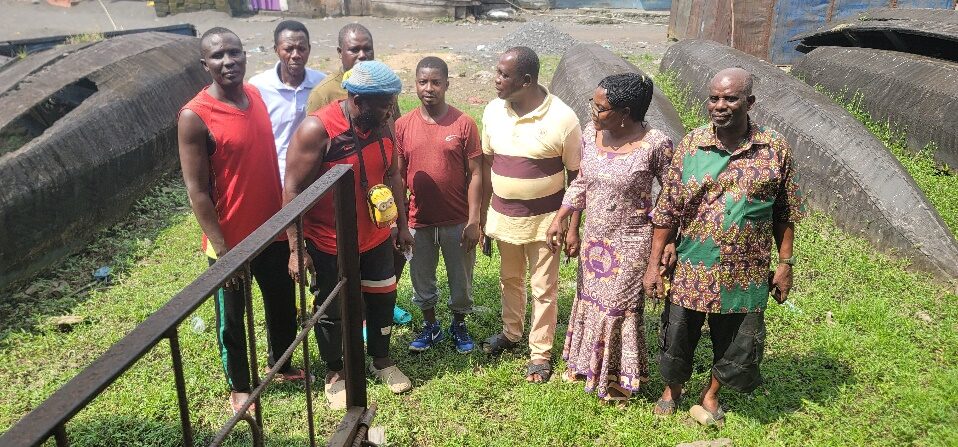
Building trust with local fishers in Limbe was the key to unlocking the secrets of the coastline. Photo © Wongibe P. Dieudonne
The Map Revealed
From this collaboration, the results have been eye-opening. Through our collaborative surveys, we successfully identified and mapped over 10 distinct bycatch hotspots. These are specific zones where fishing pressure and shark habitats dangerously overlap. But we found something even more critical than we expected. Among these hotspots, we identified a potential nursery ground for Sandbar sharks (Carcharhinus plumbeus). In these waters, we observed juvenile sharks entangled in gillnets. Because we were there, on-site and ready, we were able to facilitate the live release of three entangled sharks back into the ocean.
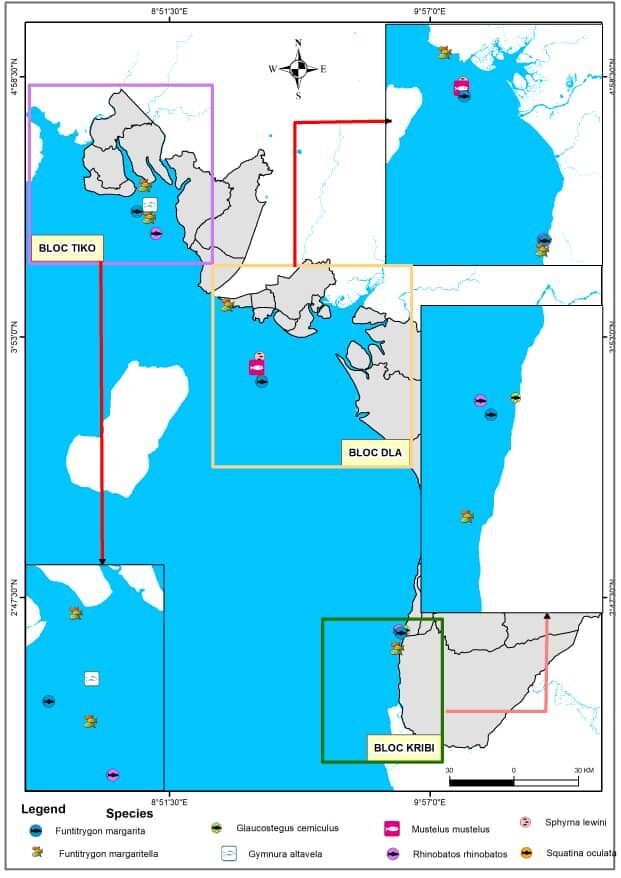
Shark and rays documented during our surveys. Identifying nursery grounds is a critical step toward protecting the next generation of sharks. Photo © Wongibe Dieudonne
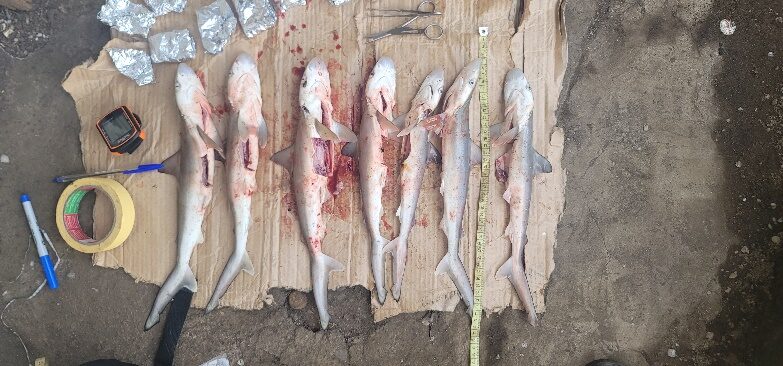
Seven juveniles Sandbar sharks bycaught and landed in Limbe fisheries market. Photo © Wongibe Dieudonne
From Data to Action
We are moving out from the anecdotal stories to hard evidence. We now have spatially baseline data map that tells us a proxy of where conservation interventions are needed most. Identifying these 10 hotspots is just the beginning. Now that we have an idea where the sharks are vulnerable, and we plan to replicate our study in 2026 to confirm our findings so we can work on the how to developing targeted strategies plans to keep these ancient predators swimming free in the coastal waters of Cameroon.
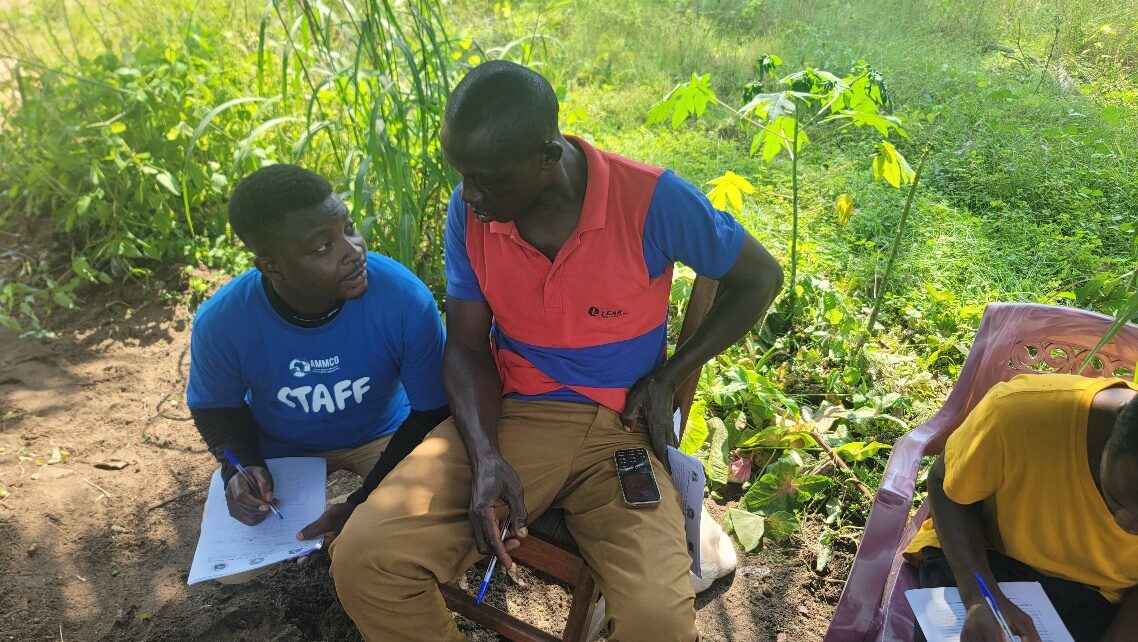
Photo © Wongibe Dieudonne