
Wedgefish habitat mapping and conservation in Java
In Tuban, East Java, many small wedgefish are being landed by local fishers. Antika is concerned that this might indicate the presence of a nursery ground for these Critically Endangered rays. Her response? To combine science, community engagement and policy advocacy for species in decline because of intense pressure from fishing with trawls, seine nets and bottom-set gears. Antika is mapping critical habitats, monitoring catch trends and promoting safe release practices to reduce mortality and support stronger management. By identifying key wedgefish habitats and working directly with fishing communities, this project will help protect these species, safeguard local ecosystems and create a foundation for sustainable fisheries.
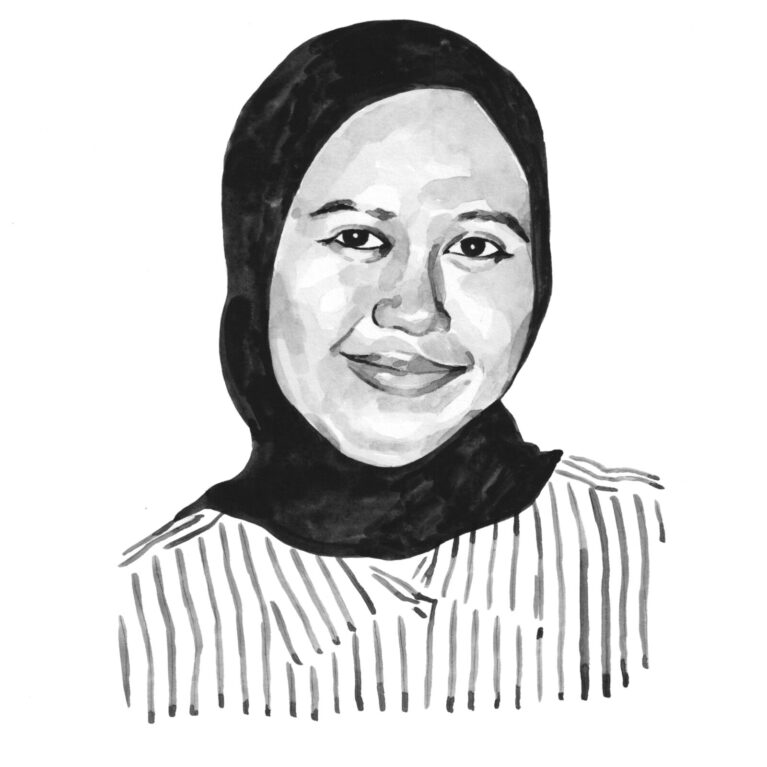
Antika Milata Rizka
My passion for conservation began while I was studying for a Bachelor’s degree in aquatic resources management at IPB University, Indonesia, when I was frequently involved in projects on coastal ecosystems and community engagement. These early experiences convinced me that effective conservation must strike a balance between ecological protection and the realities of people’s livelihoods.
I grew up in Banyuwangi, a coastal district often referred to as the ‘Sunrise of Java’ and renowned for its rich marine resources and strong fishing traditions. In my family, smoked fish, especially ray, was a household favourite and part of our...
Wedgefish Conservation: Critical Habitat Mapping and Conservation Strategies in Java Sea Waters
As the first dedicated wedgefish conservation initiative in Tuban, our aim is to combine research, awareness and action.
Wedgefish are among the most threatened rays in the world and their populations in the Java Sea are declining due to heavy fishing pressure and bycatch. By identifying key habitats and working directly with fishing communities, this project will help protect these species, safeguard local ecosystems and create a foundation for sustainable fisheries in East Java.
The wedgefish population in the Java Sea is declining sharply and is listed as Critically Endangered by the IUCN. In Tuban, East Java, fishing communities operate trawls, seine nets and bottom-set gears, in which wedgefish are frequently caught as bycatch. Despite their vulnerability, little is known about where these fish breed, feed and grow. This lack of knowledge makes it difficult to design effective protection measures. Preliminary monitoring from April 2024 to March 2025 revealed that wedgefish in Tuban are dominated by three species: Rhynchobatus australiae, R. springeri and R. laevis, representing 46% of recorded rays. Most individuals landed were small to medium in size, indicating that many juveniles are being removed before reaching maturity. These findings suggest that the Java Sea, particularly the Tuban coast, may serve as an important nursery and spawning ground for wedgefish. This project responds to the urgent need to protect wedgefish by combining science, community engagement and policy advocacy. By mapping critical habitats, monitoring catch trends and promoting safe release practices, we aim to reduce mortality and provide evidence that will support stronger management. Beyond protecting wedgefish, the project will foster stewardship among fishers and raise community awareness, making it the first dedicated wedgefish conservation initiative in Tuban.
The overall objective is to aid the recovery of wedgefish populations in the Java Sea while supporting fishing communities. We aim:
- To provide evidence for better management by mapping critical habitats.
- To reduce wedgefish mortality by persuading fishers to voluntarily release juveniles and breeding individuals.
- To build community awareness so that wedgefish conservation becomes locally recognised in Tuban.
- To promote behaviour change and stewardship by providing training for fishers in safe release practices and encouraging them to participate in monitoring wedgefish.
- To strengthen livelihoods in the long term by aligning fisheries practices with sustainable management.