
Documenting diet in coastal sharks
As our climate continues to change, the diet of coastal predators may shift and alter how entire ecosystems function. Fisheries management strategies will need to adapt to these shifting food webs, so understanding what coastal sharks are eating – and the relative availability of their prey – is critical for regulating sport and recreational fishing, supporting tourism and sustaining local economies. But current diet sampling methods are largely invasive or provide only a broad picture of composition. Emma is applying DODAT (Dietary Observation and Detection Assessment Technology), a non-lethal, minimally invasive sampling tool to detail the diet of bull sharks in the coastal waters of the Crystal River and the Crystal River springs system. She wants to fill critical knowledge gaps in a minimally invasive way.
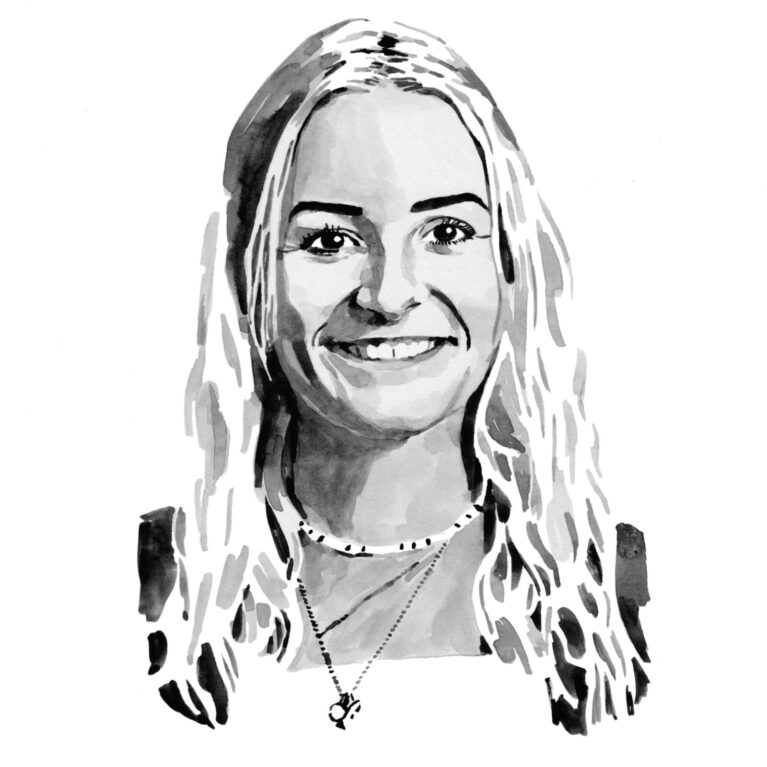
Emma Jackson
I grew up in a suburb outside St Louis, Missouri. Although the area is landlocked, with no ocean in sight, I was fascinated by marine fossils found on rocks in our yard and would constantly beg my parents to let me watch documentaries and check out books from the library if they were even remotely associated with the ocean. An early trip to the Shedd Aquarium in Chicago and interactions with stingrays at the St Louis Zoo solidified my love for sea life as I declared I would grow up to be a marine biologist.
Following high...
Dietary Observation and Detection Assessment Technology (DODAT): A novel approach documenting diet in coastal sharks
The main objective is to clarify the high-resolution diet and ecological niches of differing age classes of bull sharks in the Crystal River system using Dietary Observation Detection and Assessment Technology (DODAT), a novel methodology for evaluating diet.
Climatic pressure may shift the diets of coastal predators and thus alter the trophic dynamics of ecosystems, requiring adaptations to fishery management strategies. By assessing the diets of coastal predators and determining the prey and its relative availability, we can provide useful information for defining essential fish habitat for sport and other recreational fishing that supports tourism and sustains the local economy in the Crystal River region. The DODAT is a non-lethal, minimally invasive sampling tool that yields detailed dietary information, defining species-specific roles within ecosystems.
A unique region in the northern Gulf of Mexico, Florida’s Big Bend comprises undeveloped coastline and sea-grass beds such as those in the Crystal River area, and is home to many highly migratory species of elasmobranchs. As average water temperatures climb, organisms typically migrate northward. However, unlike open-ocean organisms, species here areblocked from moving poleward by a landmass, and this increases their vulnerability to rising sea temperatures. At the same time, warmer conditions may induce species previously unsuited to the area to expand their ranges, migrate or find nurseries here.
The bull shark is of particular interest in this study, as new research identifies the Crystal River and freshwater spring systems as habitat for its young-of-year and neonates. By employing novel dietary sampling methods it is possible to evaluate the trophic roles of these age classes in the river system and to compare the roles of the older age classes in the river and coastal systems by examining contemporary and historical data. Exploring the composition of the diets of coastal predators such as sharks is important for mitigating ecosystem-wide effects of both commercial and recreational fisheries under changing environmental parameters.
As current diet sampling methods are largely invasive, or provide only a broad picture of composition, our novel approach fills critical knowledge gaps in a minimally invasive way. When sampling while the organism is alive, the need to kill animals to assess their stomach contents is eliminated. This method also removes challenges in DNA quality that hamper existing methods and is a relatively low-cost effort as the cost of DNA sequencing continues to fall. By examining the diets of elasmobranchs in the Crystal River region, this study can shed light on potential top-down and species-specific effects on the system and on assemblages of both fresh and saltwater prey fish, and it can help to redefine suitable habitat for many teleost and elasmobranch species that are commercially and recreationally targeted.
- To create an apparatus to effectively sample elasmobranch diet at a high resolution in a minimally invasive manner.
- To describe in detail the diet of immature and mature bull sharks within the coastal waters surrounding the Crystal River and the Crystal River springs systems.
- To compare the effectiveness of the apparatus with the effectiveness of traditional methodology and the results with previously established data.