
Cameras for conservation in South Africa’s MPAs
Managing marine protected areas (MPAs) means gathering long-term data to understand how species are responding to protection. Along South Africa’s coastline, its national conservation agency SANParks has been using baited remote underwater video systems (BRUVs) to gather hundreds of hours of underwater footage over several years in the country’s MPAs. But limited in-house technical capacity means much of this footage has not yet been processed. Guy’s project will analyse these archived videos to generate standardised, high-quality biodiversity information to support evidence-based management of MPAs, strengthen national biodiversity assessments and contribute to regional and national databases, enhancing collaboration among conservation agencies and research institutions.
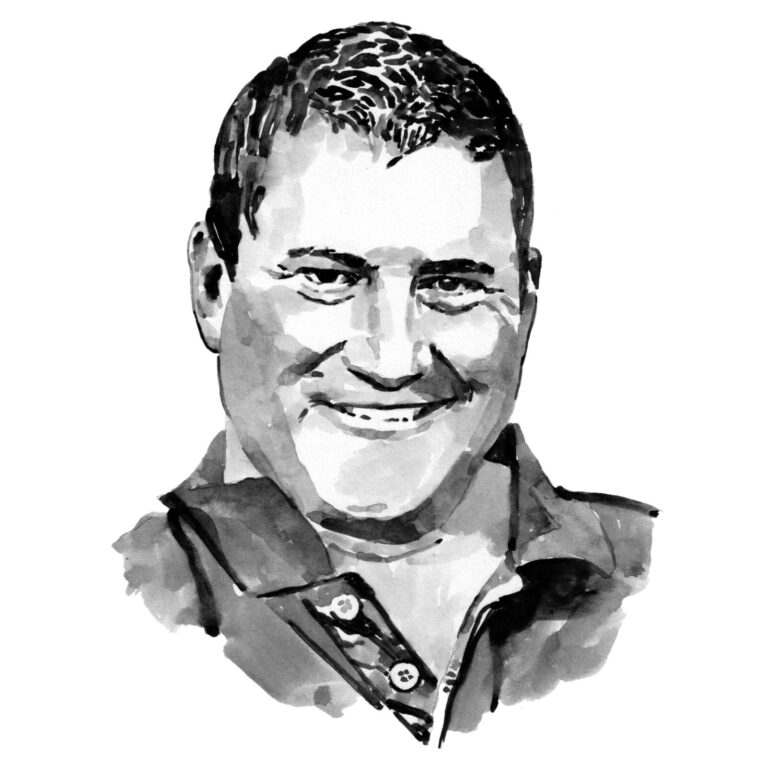
Guy Paulet
As an experienced fisheries scientist, aquaculture specialist and conservation leader, I am dedicated to advancing marine conservation and responsible resource management. For nearly two decades I have been professionally involved in marine and freshwater resource management across Africa and now, as managing director of the South African Shark Conservancy, I oversee all research programmes, operational functions and strategic direction of the organisation. This work builds on several years of progressive leadership roles within the conservancy, including operations manager, programme manager of the Shark Academy and field operations manager.
I am also a director of AirMark...
BRUV Video Analysis in South African National Parks
The key objective of the project is to analyse archival BRUV footage to produce standardised fish species and size data for SANParks’ monitoring frameworks while building local capacity in BRUV video analysis.
Although extensive BRUV footage has been collected by SANParks, there is a lack of the analysed long-term fish-monitoring data that are needed to assess the effectiveness of marine protected areas. This project addresses the gap by analysing existing BRUV footage to generate standardised data on fish diversity and size structure, and thus enable evidence-based management, monitoring and reporting for South Africa’s marine protected areas.
The effective management of marine protected areas depends on robust, long-term monitoring data that can reveal patterns in species diversity, abundance and size structure. Without such information, it is difficult to evaluate the effectiveness of protection measures, detect ecological change or implement adaptive management strategies. In South Africa, a key conservation challenge is that although much of the data required to assess marine protected areas’ performance exist, they have not been analysed.
Baited Remote Underwater Video (BRUV) surveys are a widely used, non-invasive monitoring method that makes it possible to obtain standardised and repeatable assessments of fish and invertebrate assemblages across different habitats. South African National Parks (SANParks) has invested significantly in BRUV surveys across multiple marine protected areas, resulting in a substantial archive of underwater footage collected over several years. This archive represents a valuable scientific asset that has the potential to inform biodiversity assessments, ecosystem health evaluations and management decision-making. However, limited in-house technical capacity within SANParks has meant that a large proportion of this BRUV footage has not yet been processed. As a result, critical information about species composition, abundance and size structure is not currently available for reporting, long-term monitoring or evaluating the effectiveness of marine protected areas. This project aims to address this gap by analysing existing BRUV data to generate standardised, high-quality biodiversity information. By unlocking these data, the project will directly support evidence-based management of marine protected areas, strengthen national biodiversity assessments and contribute to regional and national databases, enhancing collaboration among conservation agencies and research institutions.
- To analyse BRUV footage from SANParks marine protected areas to identify fish species and measure their sizes.
- To train local staff in using EventMeasure software for video analysis.
- To produce consistent species and size data to support SANParks’ monitoring and reporting.