
Biomonitoring for conservation: DNA barcoding the African wedgefish
One of the world’s most threatened animals, the African wedgefish is classified as Critically Endangered, mainly due to overfishing, accidental capture in nets and the loss of its shallow West African coastal habitat. Little scientific information exists to help protect the species, making conservation action urgent and challenging. Segun aims to improve the situation by creating a genetic reference library for this wedgefish. Using small, non-harmful tissue samples collected at fish landing sites, he will help generate DNA ‘barcodes’ that can be used to identify the African wedgefish even when it is traded or processed. This tool will support stronger enforcement of international protection like CITES and improve fisheries monitoring.
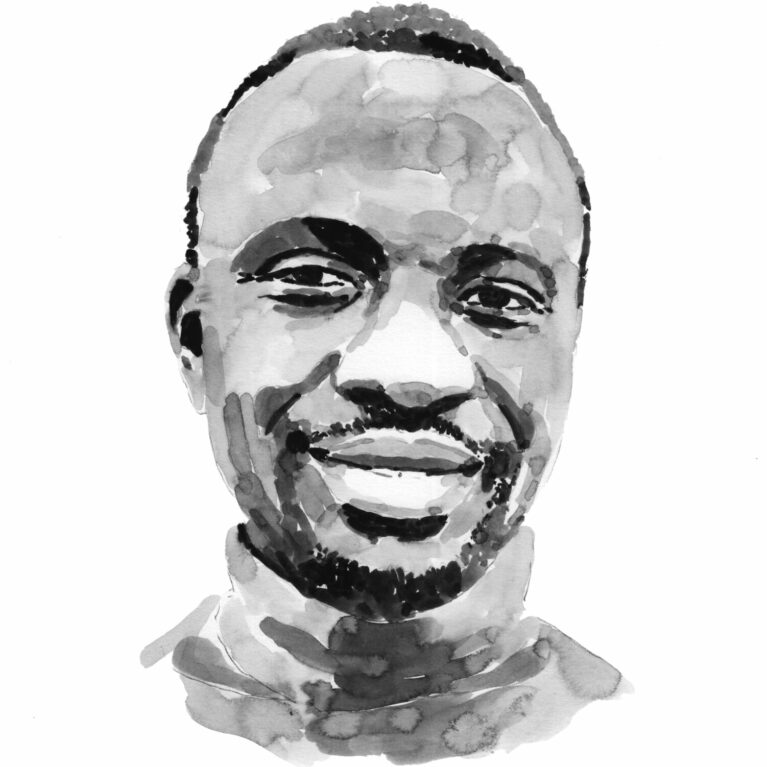
Segun Oladipo
I am a young and emerging leader in ray conservation in Nigeria. My interest in fish biology and conservation dates back to when I was 12 years old. Growing up in rural Nigeria, I was exposed to many life-changing experiences that drove my passion to become a fish scientist and conservationist today. At home, my parents would buy fish from the local market and I couldn’t help wondering how there were still fish in the sea because more and more were being caught, and how fish withstood environmental degradation. Such thoughts sparked a strong interest in animal science...
Developing reference data through DNA barcode of African Wedgefish (Rhynchobatus luebberti) towards biomonitoring for conservation
This project aims to improve the conservation status of the African wedgefish by creating the first genetic reference library for the species. By generating DNA ‘barcodes’ that make it possible to identify African wedgefish even when they have been processed, we support stronger enforcement of international protections like CITES and improve fisheries monitoring.
Very little is known about the African wedgefish, a Critically Endangered species that is one of the most threatened marine species in the world. We need to learn more about this species while at the same time providing authorities with the means to monitor its capture and enforce protective measures.
The African wedgefish Rhynchobatus luebberti, found along the coast of West Africa, is one of the planet’s most threatened marine species. It is classified as Critically Endangered, mainly due to overfishing, accidental capture in nets and the loss of its shallow coastal habitats. Unfortunately, very little scientific information exists to help protect this species, making conservation action both urgent and challenging.
This project aims to change that by creating the first genetic reference library for the African wedgefish. Using small, non-harmful tissue samples collected at fish-landing sites, scientists generate DNA ‘barcodes’ that can be used to identify the species even when it is processed or traded. This tool will support stronger enforcement of international protections like CITES and improve the monitoring of fishing activities.
Beyond science, the project will work directly with local communities, fishers, schools and conservation groups. Training workshops will equip them with skills in species identification and sample collection, while school outreach and community dialogues will raise awareness about the importance of wedgefish and healthy oceans. By combining science with grassroots involvement, the project will build knowledge, empower communities and create the foundation for long-term protection of this unique species.
- To generate genetic barcodes for African wedgefish that will assist in identification, fisheries monitoring and the enforcement of international protective measures like CITES.
- To support long-term protection for African wedgefish by building knowledge and skills in local communities and empowering them to participate in conservation efforts.