
Sophie Berlouis
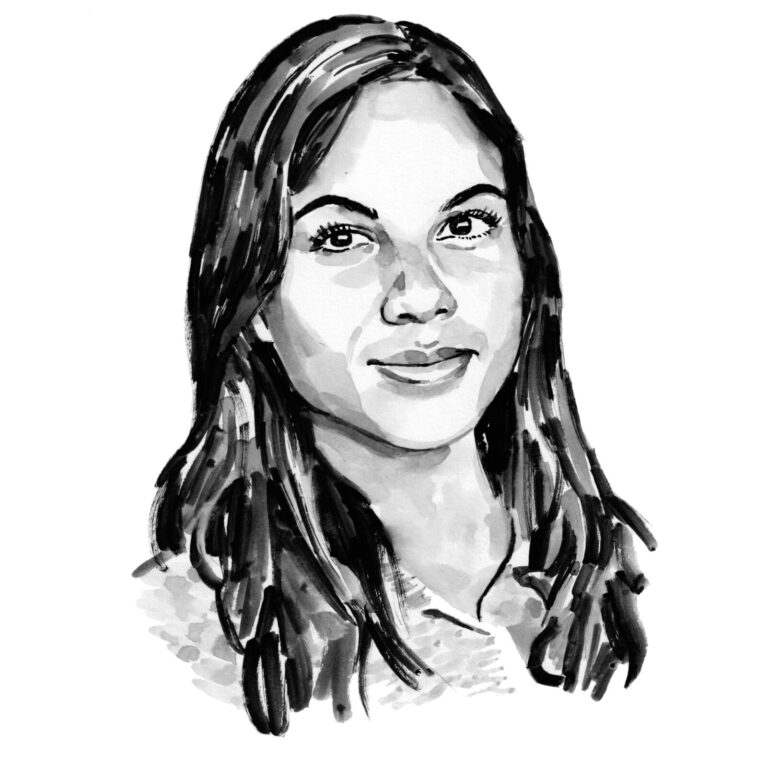
Who I am
Growing up in Seychelles, I spent many weekends hiking, snorkelling and exploring the islands’ forests. These experiences make up some of my most cherished memories and were primarily the result of my father’s interest in wildlife. My exposure to the rich ecosystems of this tropical archipelago meant that I developed a deep appreciation for nature from an early age. Although I am interested in terrestrial wildlife, my passion lies with the ocean, and I especially enjoy scuba-diving and underwater photography. I am also enthusiastic about animal rights and advocate for lifestyle choices that reduce our day-to-day impact on animals and the environment.
I completed my Bachelor’s degree in marine biology at the University of St Andrews in Scotland, but my experience was greatly impacted by the Covid-19 pandemic. After two years of virtual lectures and exams, I was eager to get back to the warm seas of Seychelles and out into the field. Since graduating, I have assisted with monitoring programmes that focus on various forms of wildlife, including Aldabra giant tortoises, coral reefs, fish, endemic birds and invasive insects. I am particularly fascinated by sharks and rays, however, and hope to contribute to an improvement in how they are managed and protected in Seychelles.
Where I work
I currently work in my home country, Seychelles, a tropical archipelago of more than 115 granitic and coralline islands in the Western Indian Ocean. Although its total population is only about 98,000 people, its per-capita consumption of fish is among the highest in the world. The exclusive economic zone of Seychelles extends over an area of almost 1.4 million square kilometres (540,000 square miles) and consists of a wide variety of biodiverse habitats, including coral reefs, sea-grass beds, atolls, lagoons and more. Among the main islands there is a major reliance on the sea for development, tourism, transport and fisheries. The marine and coastal ecosystems in Seychelles are consequently highly exploited and have suffered from substantial degradation in recent decades, which emphasises the need for effective research and conservation.
What I do
At present, I work as the science coordinator at the Marine Conservation Society of Seychelles (MCSS). My role involves assisting with the implementation of several scientific projects, including the monitoring and preservation of sea turtles, terrapins, coral reefs, bull sharks, whale sharks and wetland ecosystems. When I am not in the field, I am analysing data and writing reports, ensuring that all the important ecological information we collect is communicated to the relevant stakeholders. I also regularly attend scientific workshops and conferences to ensure we are up to date with the latest local research.