
Nicolas Gosset
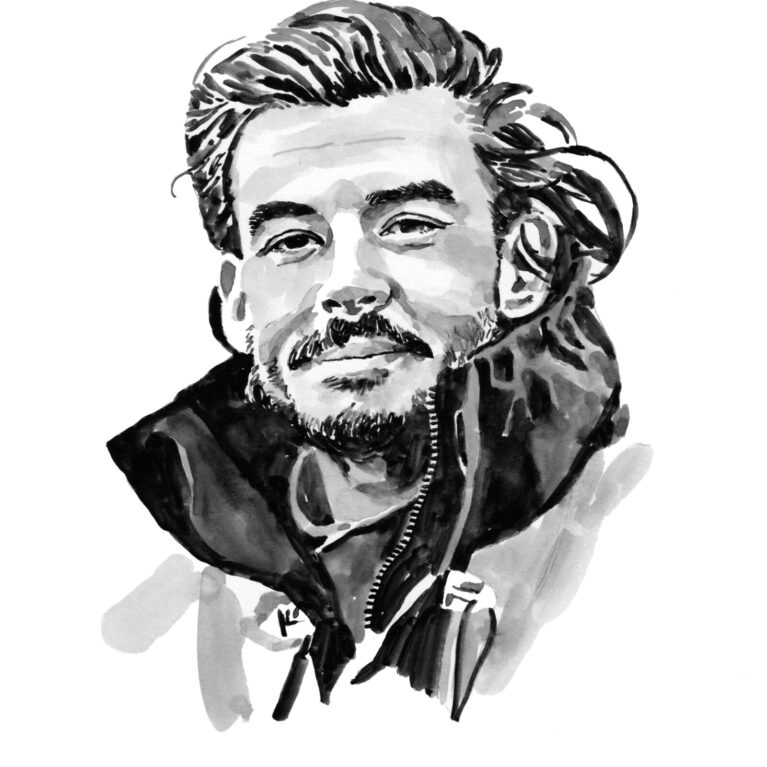
Who I am
I am a PhD candidate at the Arctic University of Tromsø (UiT), Norway, where I study plankton ecology in the Arctic Ocean. At the same time, I am the scientific coordinator of Expédition MED, an association dedicated to combating plastic waste in the sea. I hold a Master’s degree in Marine and Littoral Sciences from the European University Institute of the Sea (IUEM), with International Antarctic Institute (IAI) label certification.
I became sensitised to environmental issues at a young age and this shaped my academic and professional journey towards marine biology and polar ecology. From the earliest steps of my career, I was fascinated by the planktonic world that represents the base of the ocean’s food web and sustains marine ecosystems. I had opportunities to study and collect net samples in multiple locations, such as Arctic waters, the Mediterranean Sea, the North Atlantic Ocean, the Pacific and the Southern Ocean. During the days at sea and countless hours in the laboratory observing zooplankton under the microscope, I began to notice something else: plastic. Tiny fragments were entangled with the plankton, and I realised that these crucial organisms were swimming in these particles and must be contaminated. That discovery made a deep impression on me and changed the course of my career.
Since then I have been dedicated to studying both plankton and plastic pollution. In 2020, I started working for Expédition MED and have been coordinating research missions (both on land and at sea), developing sampling protocols and communicating our findings and the issue of plastic pollution to the public through media and exhibitions.
Originally from the French Pyrenees, I balance my scientific work with my passion for sailing and mountaineering. My experiences have taught me resilience and teamwork in demanding conditions. While trying to maintain minimal environmental impact by using sailing vessels, I bring both scientific rigour and an explorer’s spirit to my work, with the goal of protecting fragile marine ecosystems.
Where I work
I am based at the University of Tromsø’s Department of Arctic and Marine Biology and my research is centred in the Arctic waters, the Barents Sea, around Svalbard and beyond. The Arctic represents one of the earth’s most pristine yet vulnerable marine environments and it is increasingly impacted by climate change and emerging threats like chemical and plastic contamination.
Having participated in multiple research expeditions throughout the Arctic Ocean, I have gained extensive experience and opportunities to collaborate with other scientists in the monitoring of marine biodiversity. Working in the Arctic requires careful preparation, adaptability and respect for local conditions. With the skills I have acquired from conducting field work in these challenging environments, I aim to develop minimal-impact methodologies for our research.
Through my work with Expédition MED’s Mediterranean research programme, I have also gained valuable experience in temperate marine environments, which has enabled me to understand patterns of plastic pollution across diverse oceanic regions. This comparative perspective between Mediterranean and Arctic waters provided me with better understanding of how plastic contamination varies geographically and affects different marine ecosystems.
For this project, I would like to extend my research on plastic pollution to higher species in the food chain such as the Greenland shark and the thorny skate, unique species of the Arctic. By combining scientific methods with local knowledge gathered by collaborating with Inuit fishers, we will be able to gather new insights into how plastic pollution impacts Arctic marine life.
What I do
A typical research mission might involve months of preparation and planning. Once aboard a research vessel or expedition sailboat at sea, I often spend the day on deck deploying nets to collect samples and hauling them back on board. Back in the laboratory, I process samples, identifying and counting zooplankton species and plastic particles under the microscope. Once back on land I conduct an extensive analysis of the data collected, using tools like R Studio, Ocean Data View and other cartography tools such as GIS.
While in the field I develop and implement innovative sampling protocols for microplastic and plankton research and training teams of non-scientists. Beyond the technical side, communication is a big part of my work and I regularly present research findings to the public, through exhibitions, documentaries and outreach activities. I believe science should not only advance knowledge, but also inspire action, and that is particularly true when addressing plastic pollution.
Ultimately, whether I am sorting plankton under the microscope, sailing through Arctic fjords or giving a talk to students, my goal remains the same: to shed light on the hidden impacts of plastic on the pristine marine life and to contribute to the protection of the oceans we all depend on.