
Maria de Belen Chacón Paz
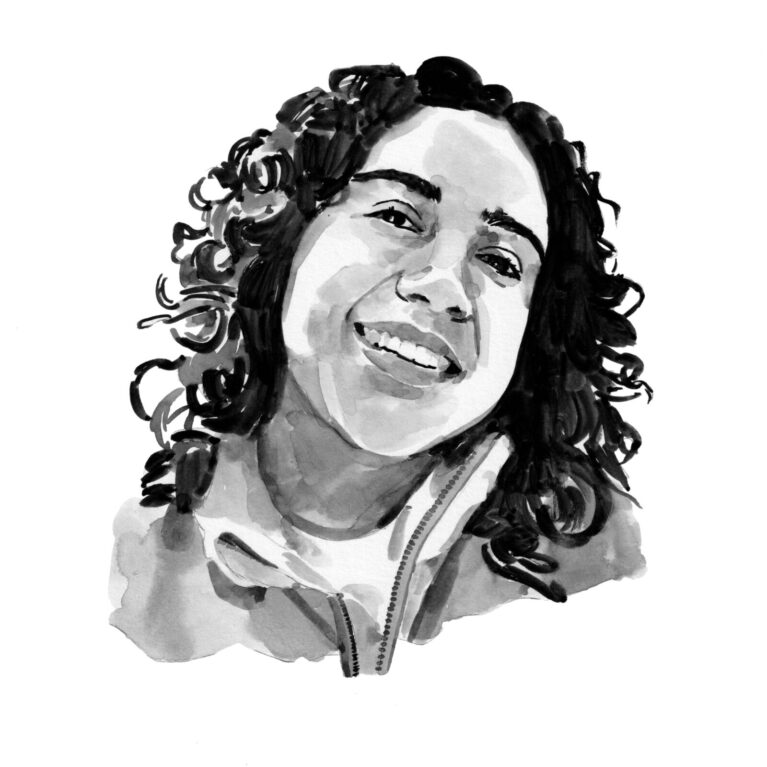
Who I am
I am a biologist from Guatemala dedicated to the conservation of sharks and rays in the Pacific waters of my country. I work with Blue World Foundation, the only non-governmental organisation in Guatemala that focuses on generating data for the conservation of chondrichthyans. My work is driven by a passion for making science accessible to local communities, because I believe conservation is most effective when fishers, young people and families are part of the solution.
Throughout my career, I have been guided by a commitment to protect marine biodiversity while also supporting the well-being of the coastal communities that depend on the ocean for their livelihoods. Above all, I love learning; every new experience in the field teaches me something valuable about the sea, the people I work with and the species I strive to protect.
Where I work
My work takes place along Guatemala’s Pacific coast, with a strong focus on the fishing communities of Sipacate and Buena Vista, in the department of Escuintla, and Las Lisas in Santa Rosa. These areas are home to rich marine biodiversity and serve as important nursery grounds for sharks and rays.
Sipacate and Buena Vista, with their estuaries, mangroves and sandy beaches, offer critical shelter for juvenile sharks and rays. Las Lisas is a vibrant fishing community where families have depended on the sea for generations. Buena Vista is another key community for whom fishing is central to daily life; here we work closely with local monitors to record shark and ray landings. The communities are central to my work, and spending time in them means being present at landing sites, in local workshops and out at sea.
What I do
I work as the applied research technician at Blue World Foundation (Fundación Mundo Azul), leading shark and ray conservation efforts along Guatemala’s Pacific coast. For almost two years, I have collaborated with fishing communities to strengthen conservation through science and local knowledge. My work focuses on research in three main areas: monitoring shark and ray landings, conducting workshops with fishers, and tagging young-of-the-year scalloped hammerhead sharks with Floy tags in Sipacate and Las Lisas.
A typical day in the field often begins before sunrise, when I head out with local fishers or visiting landing sites to record catch data. These observations help us understand population trends and provide essential information for developing conservation strategies. At other times, when we are tagging juvenile hammerheads, my day begins earlier and I work alongside fishers to release the animals safely and collect data that helps identify and protect critical nursery habitats.
Beyond research, my role includes organising workshops and training sessions with fishers and community members, as well as sharing information. Some of this is information collected during our projects, and some relates to tools that can help the conservation of marine resources, such as fish replenishment zones and their importance. These efforts create opportunities for communities to actively participate in conservation and to see themselves as allies in protecting marine resources.
Every field trip is a learning experience. My work is a constant balance of science, education and collaboration, with the shared goal of safeguarding marine biodiversity while supporting the well-being of coastal families.