
Kayla McCulloch
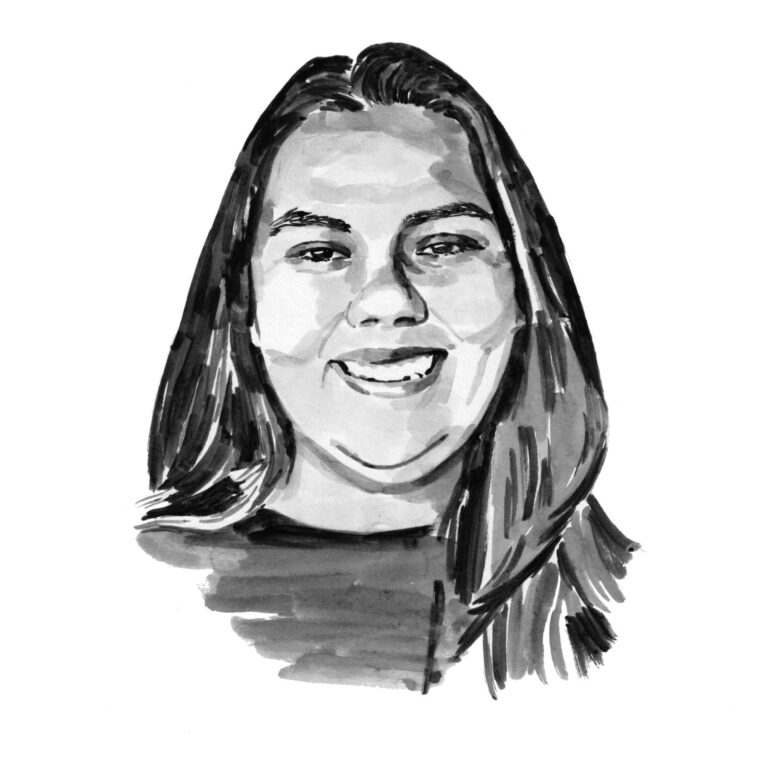
Who I am
I grew up in Punta Gorda, Florida, where learning to sail on the coastal waters introduced me to marine life such as dolphins and schools of rays, sparking a lifelong fascination with the ocean. This curiosity eventually led me to pursue a Bachelor’s degree in marine biology and ecology at the University of Miami. As an undergraduate, I had the chance to participate in field surveys for juvenile Critically Endangered smalltooth sawfish in the same waters where I learned to sail. This experience left a lasting impression and inspired my passion for elasmobranch conservation. I later completed an internship investigating interactions between whitespotted eagle rays and hard clam aquaculture, which further strengthened my interest in ray research. After graduating, I worked as a fisheries biologist, gaining valuable insights into the links between science and management. However, I found myself drawn back to elasmobranchs and eager to conduct research that could guide conservation. I am now pursuing a PhD at the University of Southern Mississippi, where I use environmental DNA (eDNA) techniques to study Critically Endangered rhino rays – wedgefish, guitarfish and sawfish –in data-deficient regions. By developing sensitive molecular tools, my work aims to uncover where these species persist and identify habitats they rely on, providing the evidence needed to help secure their future.
Where I work
My work for this project focuses on the Bijagós Archipelago in Guinea-Bissaua, West Africa, a chain of more than 80 islands formed from the ancient delta of the Rio Geba and Rio Grande. The archipelago is a UNESCO Biosphere Reserve and includes two marine protected areas: Orango Islands National Park and the Community Marine Protected Area of the Urok Islands. With its extensive mangrove forests, sea-grass beds and intertidal flats, the archipelago is recognised as one of the most important coastal ecosystems in West Africa. The Bijagós Archipelago was previously identified as a potential last refuge for sawfish in the region, with remnant populations possibly persisting within its protected mangrove ecosystems. However, their presence has not been confirmed in more than a decade, leaving a critical gap in understanding their current distribution and status. This uncertainty hinders effective conservation planning for these Critically Endangered species. To address this gap, we are developing a highly sensitive duplex eDNA assay to search for sawfish in the archipelago. By analysing archived eDNA samples collected by collaborators in partnership with national institutes and local fishers, this tool will clarify whether sawfish persist in Guinea-Bissau. Beyond this project, the assay has broader utility across the Eastern Atlantic, supporting future eDNA surveys and helping guide conservation action.
What I do
My work combines laboratory research with international collaborations to improve our understanding of the status of Critically Endangered rhino rays in West Africa. This project engages with collaborators to leverage archived eDNA samples collected in West Africa. Using archived eDNA field samples allows us to maximise their scientific value while creating cost efficiencies in conservation science. In the laboratory, we will develop and optimise a highly sensitive droplet digital PCR (ddPCR) assay with the ability to detect single copies of DNA from the Critically Endangered largetooth sawfish and smalltooth sawfish. By adapting existing single-species assays into duplex formats, we can screen for multiple species at once, making the process more cost-effective and efficient. Ultimately, this project is about developing the molecular tools needed to answer a pressing conservation question: do sawfish persist in Guinea-Bissau and beyond? By combining cutting-edge eDNA technology with strong partnerships, I aim to provide reliable data that can guide conservation decisions for these extraordinary, highly imperilled species.