
Kaitlyn O’Toole
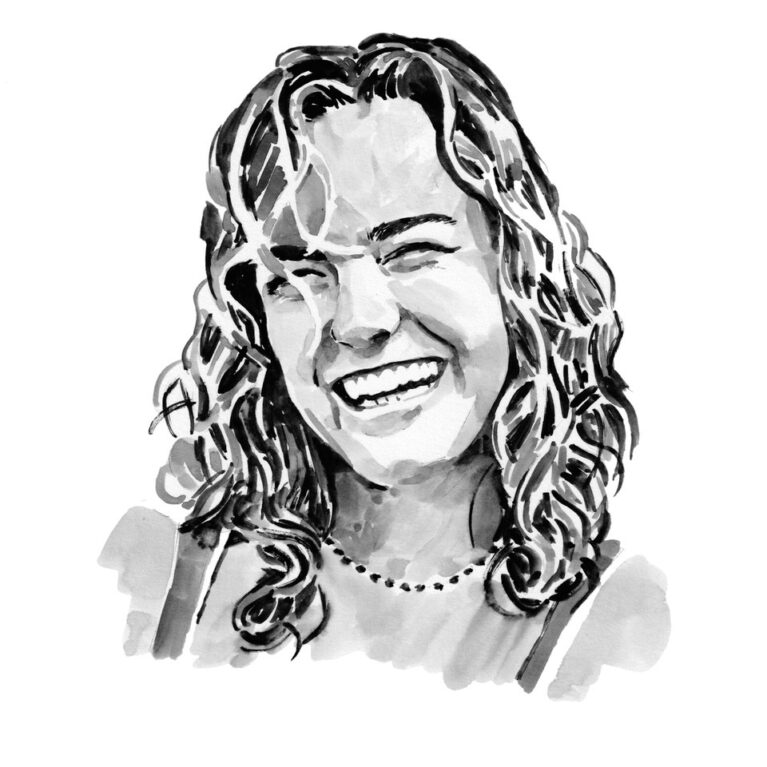
Who I am
My passion for the marine environment began at a young age, growing up collecting all sorts of critters my mother didn’t approve of along the shore of the Long Island Sound in New York. I spent my summers in high school working on a scallop restoration programme in one of the local bays and was lucky enough to see at first hand how successful restoration and a sustainably managed fishery were possible. Happy scallops, happy fishers, happy stomachs. I went on to receive my undergraduate degree in marine science, when my love for the marine environment was enhanced by an introduction to field science and fiddler crabs. After a brief hiatus working with invasive pine beetles, I began my Master’s research and spent many summers traversing the bays around Long Island collecting sea-grass and water samples to model potential restoration locations for eel-grass recovery. After graduating, I joined the Reef Ecology Lab at KAUST, where I have been able to contribute to projects that range from gobies to whale sharks. And don’t tell the others, but my favourite project has been working on the Halavi guitarfish for the past few years.
Where I work
When people think of Saudi Arabia, their thoughts typically don’t go to the bordering Red Sea, which teems with life and incredible diving opportunities. This region of the world is quite understudied, especially with regard to sharks and rays. Though technically illegal, shark fishing and trading is still going on – but behind closed doors, which makes monitoring extremely challenging.
Our work focuses on the Al Wajh Lagoon, a shallow, semi-enclosed bay in the northern Red Sea. The lagoon was designated as an Important Shark and Ray Area (ISRA) due to the probable guitarfish nursery and presence of threatened juvenile elasmobranchs. Spurred by coincidental guitarfish sightings, our ‘let’s see what we can catch’ trip quickly turned into a full-blown research project looking into the movement ecology, genetic connectivity and biology of Halavi guitarfish over the past few years. This area is part of Saudi Arabia’s Vision 2030, slated for luxury ecotourism with sustainable development goals. It’s imperative that we obtain data to guide the conservation of this species.
What I do
My work as a research specialist in the Reef Ecology Lab typically focuses on our Halavi guitarfish project and baited remote video stations (BRUVS) in the region to assess fish and elasmobranch diversity and abundance. Field work for me typically involves travelling 5–8 hours from home for weeks at a time, with my ‘travel’ air fryer in tow for daily burritos and quesadillas to keep me going. These days are often long and exhausting, but good company and music make all the difference.
While at KAUST I am able to work through our fatty acid samples and support the other lab processes involved in this project. My research priorities are split between examining the physiological components in blood plasma and organising BRUVS trips, analysing data and writing. I am passionate about finding a compromise between conservation and sustainable fisheries management for communities that rely on fishing as a livelihood.