
Fetra Metiegoum
Who I am
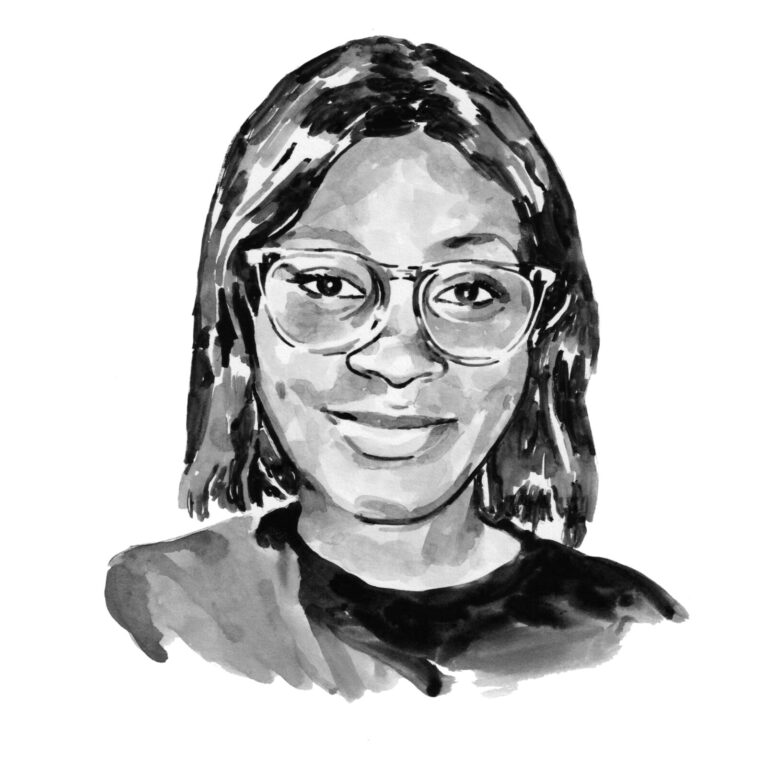
I am Fetra! I am an ocean lover and a marine scientist with a Master’s degree in the management of aquatic ecosystems. I have two years of experience in marine conservation, with a strong focus on sharks and rays. My journey began as a volunteer field assistant with the African Marine Conservation Organisation (AMCO), where I worked in Kribi, Cameroon. There, I collected data on small-scale fisheries, supported fishers in releasing endangered species back into the ocean and helped to present conservation education in schools. This field-based experience has allowed me to gain a strong understanding of the realities faced by artisanal fishers, particularly with regard to shark and ray catches, existing data gaps and conservation challenges.
I now serve as an assistant to AMCO’s Shark and Ray Research and Conservation Programme. My work combines scientific research, community engagement and education, and I am passionate about connecting people with conservation. I especially enjoy working closely with fishing communities, where building trust and collaboration is key to creating lasting change. Leading this project is both an opportunity and a responsibility to strengthen conservation efforts in Cameroon’s coastal waters.
Where I work
My work takes place along Cameroon’s southern coastline, stretching from Londji and Lobe Waterfall to Mboa Manga, Ebodje and Campo. This region is rich in biodiversity and is home to mangrove forests and nearshore waters that serve as vital nursery grounds for sharks and rays. Unfortunately, these habitats face increasing pressure from unsustainable fishing practices, and many threatened species are caught as juveniles.
These coastal villages are also closely tied to the newly established Manyange na Elombo-Campo Marine National Park, creating a unique opportunity to connect community-led conservation with national marine management. Fishing is central to daily life here, and working directly with fishers is essential for protecting marine biodiversity. By engaging with schools, markets and fishing communities, I am able to combine local knowledge with science to safeguard these critical ecosystems.
What I do
On a typical day in the field, I might start at a local fish market, recording shark and ray landings with the SIREN app and talking to fishers about their catches. Some days are spent at sea on collaborative fishing trips, where I help fishers practise safe handling and live-release techniques for endangered species. Other days involve school campaigns, to teach children about marine biodiversity and inspire future conservationists.
My primary focus is to connect communities and political authorities with conservation issues. To this end, I coordinate with local authorities and fishers’ leaders, sharing findings and strengthening partnerships. I also spend time seeking funds and designing ways to approach conservation. My role is both about collecting scientific data and about building relationships, which involves helping communities to feel ownership of conservation efforts. Whether I am mapping capture hotspots, preparing workshops or leading awareness campaigns, my work is always guided by the goal of reducing shark and ray mortality and ensuring these species continue to thrive in Cameroon’s waters.