
Amanda Jhu Xhin Leung
Who I am
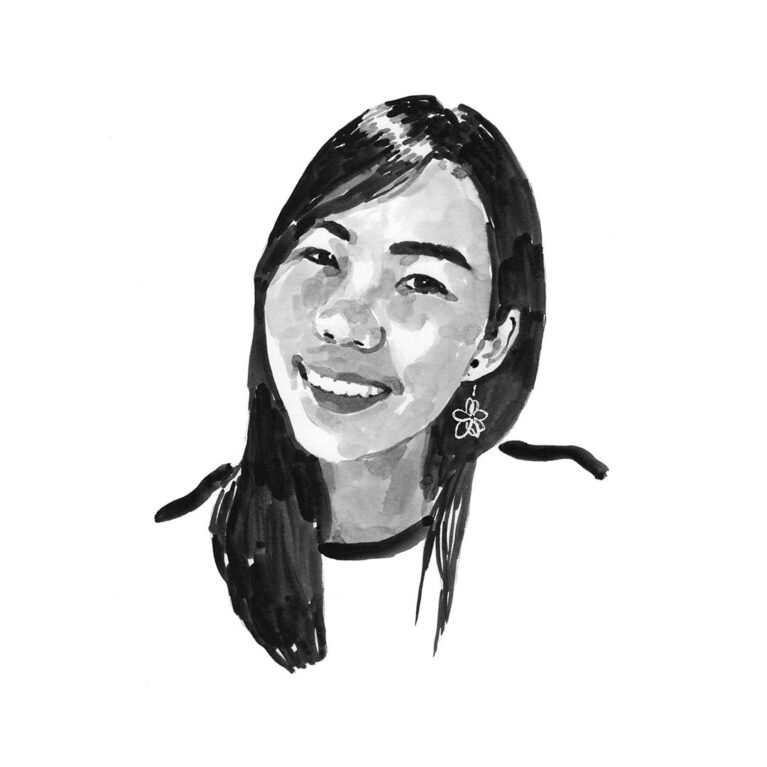
I grew up in Kuala Lumpur, the capital of Malaysia and a city far from the ocean, but I have been fascinated by marine life for as long I can remember. That interest really took off when I was 12, during my first visit to Underwater World Langkawi, an aquarium in Malaysia. Seeing sharks and rays up close was an eye-opening experience that sparked a passion and it has stayed with me ever since. This led me to pursue a BSc in aquatic resource science and management at the University of Malaysia Sarawak, where I built a foundation in understanding aquatic ecosystems. After graduating, I continued with a Master’s degree focused on butterfly rays. During my MSc journey, opportunities to be involved in shark and ray research in Malaysia came my way thanks to my supervisor, who encouraged me to explore shark and ray fisheries. It was inspiring to discover how much there was to learn and how diverse shark and ray species are in Malaysia. These experiences have not only deepened my knowledge, but also played a part in conserving sharks and rays in Malaysia.
Where I work
The east coast of Johor, situated along the eastern side of Peninsula Malaysia, faces the South China Sea. This region is home to diverse marine ecosystems, including coral reefs, sea-grass beds and mangroves, which provide habitat for a wide variety of marine life. Traditional fishing has been a central part of local livelihoods, while tourism brings additional opportunities through local resorts, recreational angling and boat operators. With its rich biodiversity and growing tourism, the east coast of Johor is an important area where conservation efforts and community engagement can make a real difference in protecting marine ecosystems, as well as sharks and rays.
What I do
My work focuses on understanding and protecting rhino rays in Malaysia through a combination of field surveys, laboratory work and community engagement. Out in the field, I use Baited Remote Underwater Video Systems (BRUVS) to capture footage of rhino rays in their natural habitat. By setting up these cameras, I can observe where the rays live, how often they appear and the habitats they depend on. In the laboratory, I shift my focus to analysing genetic samples. By studying the rays’ DNA, I can identify how different populations are connected within the region and build a reference databank that can support future conservation efforts.
An important part of my project also involves working with local communities. By conducting workshops and engagement activities, I share what we learn and encourage fishers and others to take part in monitoring and protecting these animals. By involving them directly, the project helps empower local communities to play an active role in conservation.