
Microplastics on the menu for reef manta rays
A new study, led by researchers based at the Save Our Seas Foundation D’Arros Research Centre (SOSF-DRC), has found 12 types of microplastic in the secluded waters where reef manta rays feed daily, raising questions about the impact of this silent threat to the ocean’s gentlest of giants.
For the past 100 years, microplastics have been silently infiltrating every ecosystem under the sea. They are embedded in sea ice, trapped in coral reefs and have even settled in the recesses of the deep ocean. Consequently, these minute fragments have made their way into the food web; microplastics have been found in everything from the tiniest zooplankton to the bellies of the great whales.
According to a new study published in Marine Pollution Bulletin, the waters surrounding D’Arros Island, located in the outermost fringes of the Seychelles archipelago, are no exception. Although these remote, near-pristine waters lie more than 1,400 kilometres (870 miles) from mainland Africa, researchers identified 12 types of microplastic in plankton samples collected just off the island’s shores, four of which are classed as of ‘very high concern’ on account of their abundance and toxicity. A major question is what this could mean for one of D’Arros’ most iconic residents: the reef manta ray Mobula alfredi, a species already at risk of extinction.
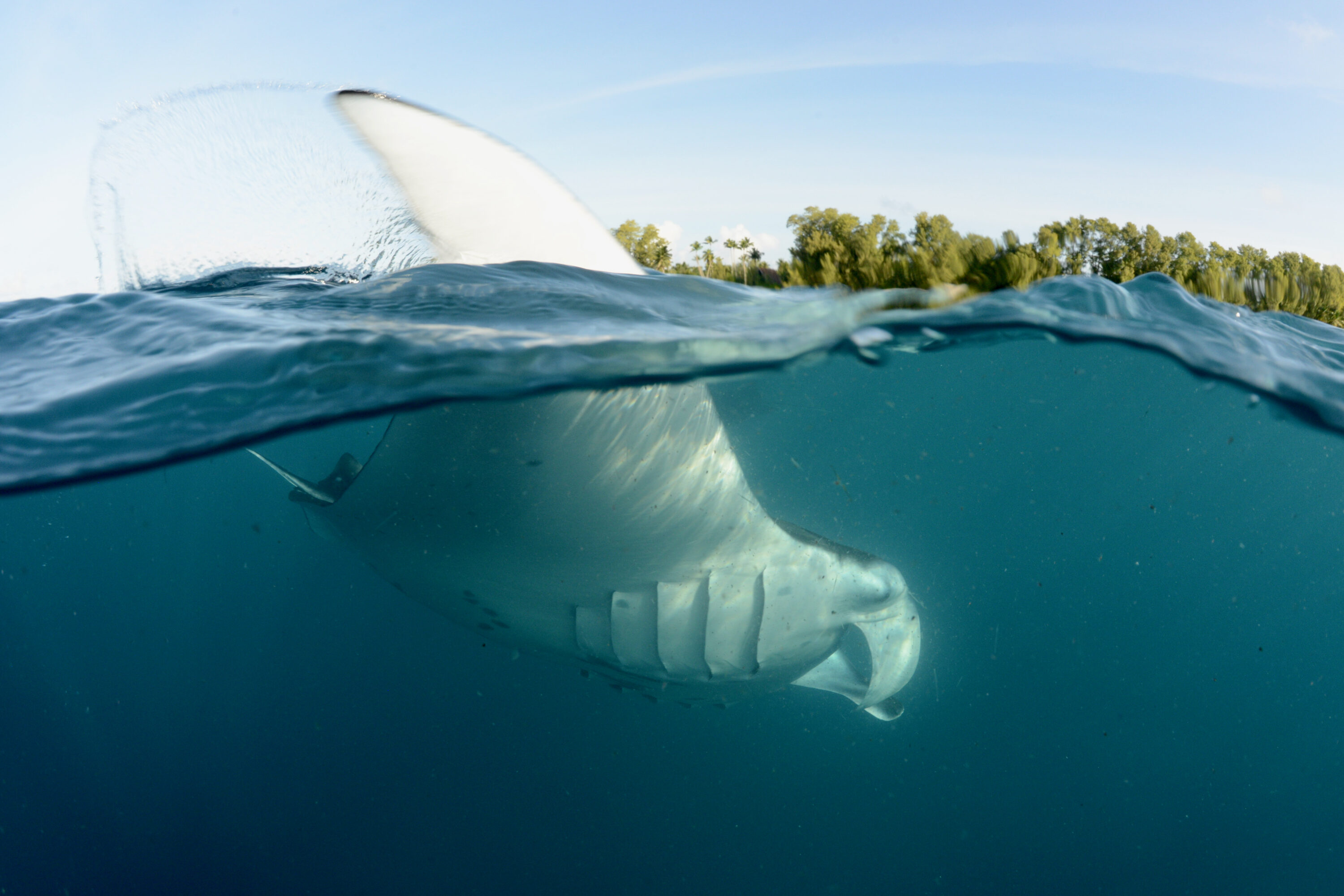
Photo by Dan Beecham | © Save Our Seas Foundation
Filter-feeding species such as reef manta rays are considered especially susceptible to microplastic pollution because the particles are similar in size to the plankton they consume. Microplastics are defined as plastic fragments smaller than five millimetres (0.2 in), created either through the breakdown of larger plastic items or manufactured intentionally for use in products such as cosmetics, clothing and construction materials. Much of a manta’s diet consists of tiny organisms, including copepods, mysid shrimps and crab larvae, that are also less than five millimetres across. This means that microplastics can pass through the manta’s filtering system along with their food.
The study was led by Monik Choppy, an Environmental Science student at the University of Seychelles (UniSey) and Project Leader at the SOSF-DRC. Monik analysed plankton samples collected from sites around D’Arros by the SOSF-DRC team, which included Research Officer Dillys Pouponeau. Dillys has been studying the feeding behaviour and ecology of these animals for many years. Her own work has provided insight into where and when reef manta rays feed, highlighting D’Arros as an internationally important location for the species. The largest known aggregation of reef manta rays in Seychelles gathers here to feed on a bounty of plankton that is present all year round.
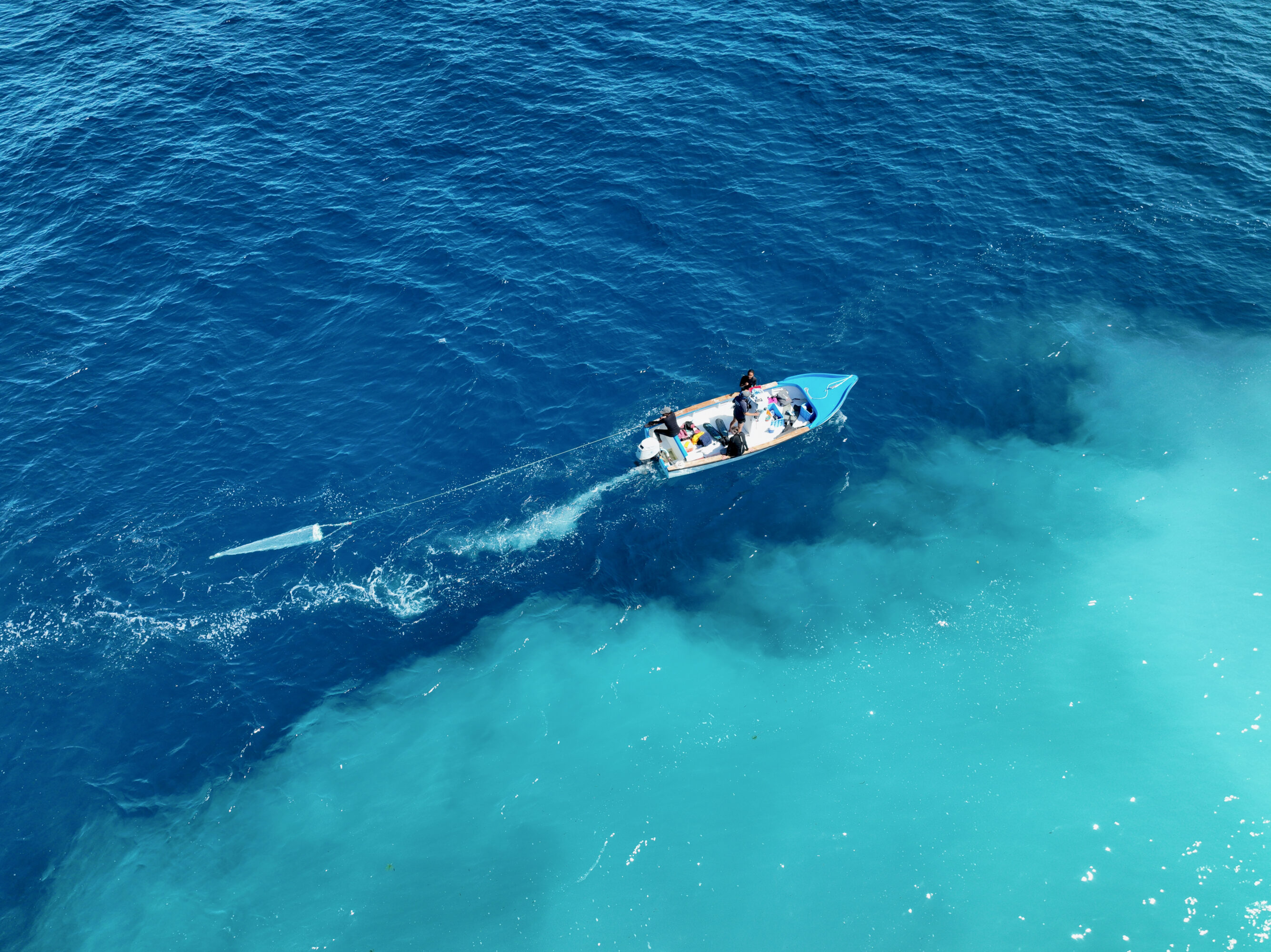
Photo by Henriette Grimmel | © Save Our Seas Foundation
The samples collected from D’Arros therefore presented the perfect opportunity to test for the presence of microplastics in critical habitat for reef manta rays. At the University of the Western Cape, South Africa, Monik analysed the samples with the help of estuarine ecology expert Professor Anusha Rajkaran, using special equipment at Professor Rajkaran’s lab. Any microplastics found were then identified, quantified and ranked against two scoring systems: how abundant that particular microplastic is in the environment; and its chemical hazard score. The latter refers to the toxicity and reactivity of the plastic’s molecules (or ‘building blocks’), as well as any chemicals that may have been added during the manufacturing process. When plastic is eroded, chemicals can leach into the surrounding environment and can wreak havoc on ecological and biological processes.
The four types of microplastic ranked of ‘very high concern’ included polyacrylonitrile (PAN), polyvinylchloride (PVC) and polyurethane (PU), which are all known to be highly toxic. However, polybutylene terephthalate (or PBT) was by far the most abundant, accounting for 66% of microplastics found in the samples. This durable, high-performance plastic is widely used in electrical and automotive manufacturing because of its strength and resistance to heat. Yet despite its widespread use, scientists have so far not determined its chemical hazard score. It raised concern in the study because of its abundance rather than its known toxicity.
Given PBT’s dominance in reef manta feeding grounds, the researchers conclude that understanding its toxicity and its potential effects should be a priority for future research.
Although we don’t know exactly the physical effects on reef manta rays when they ingest microplastics, research into the effects on other species has linked microplastics to the disruption of key biological processes and functions, including in immune, endocrine (hormonal) and reproductive systems. Microplastics also contain Persistent Organic Pollutants (POPs), substances that don’t degrade easily and accumulate in living organisms over time. In other long-lived marine megafauna, like orca, POPs have been associated with a number of severe health issues. Reef manta rays are slow to grow and reproduce, with life spans of up to 50 years; although evidence is limited, they are prime candidates for bioaccumulation.
There was one potentially more positive finding. Reef manta rays are known to feed when plankton is highly concentrated, to maximise the amount of food they can consume while not spending too much precious energy. A concern is that the same ocean currents and tides that bring such dense plankton soup to D’Arros may also concentrate microplastics, meaning that mantas would also be taking in more pollutants while feeding. But the study found no relationship between plankton and microplastic concentrations, which suggests that mantas do not ingest greater quantities at prime feeding times.
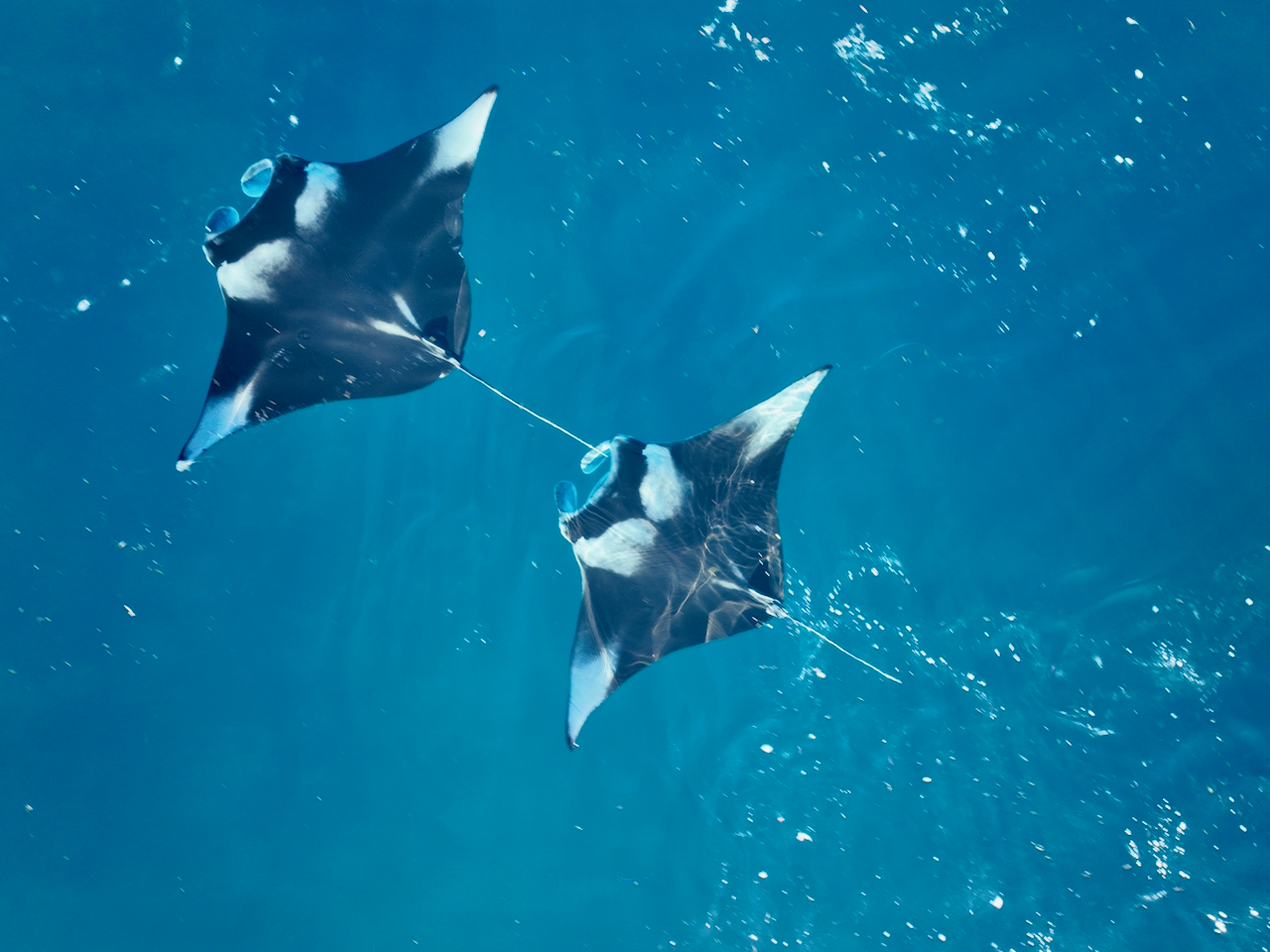
Photo by Henriette Grimmel | © Save Our Seas Foundation
Still, the discovery of microplastics in one of the world’s most remote island ecosystems, overlapping with an internationally vulnerable species, should be a warning sign. Reef manta rays already face pressure across their range from targeted and accidental capture in fisheries, boat strikes and the degradation of coastal habitat. Microplastics present another potential stressor that could threaten their long-term survival. Understanding how these pollutants affect the health of manta rays will be essential for guiding future conservation efforts and ensuring these gentle giants continue to thrive in Seychelles’ waters for generations to come.