
On Migration – Following Aotearoa’s Oceanic Manta Rays into the High Seas
Over the past 6 years, Manta Watch Aotearoa New Zealand (MWANZ) has celebrated some big conservation wins! The project has built an active nationwide citizen science network, alongside dedicated field research and a successful satellite tagging programme. Together, these efforts have recorded over 2000 oceanic manta ray sightings and photo identified more than 235 individuals. Moreover, the project has compiled the necessary data to upgrade the NZ Threat Classification of oceanic manta rays from Data Deficient to Nationally Vulnerable. A key consideration of this upgrade being the discovery that NZ mantas have significant connectivity with the wider Southwest Pacific (SWP), spending 6 months of the year outside of the NZ EEZ in waters offering little or no protections.
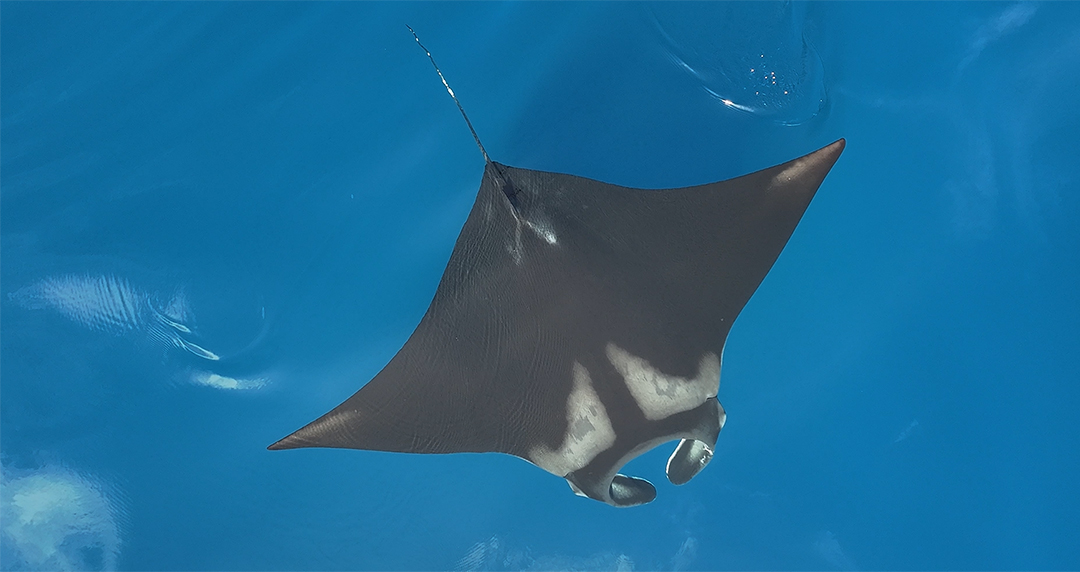
Image | Lydia Green © Manta Trust
These 7-metre giants undertake remarkable biannual migrations between NZ and the tropical Southwest Pacific, travelling further and diving deeper than any other known manta population! Unfortunately, subsequent satellite tag analysis has uncovered a troubling pattern. Several satellite tags stopped transmitting south of Fiji and Tonga after the mantas left NZ waters. Based on the timing, location and behaviour of the tags, MWANZ believes the evidence points to the mantas dying during their migrations, with accidental bycatch in industrial fisheries considered the most likely cause.
© Sam Campbell | Manta Trust
Oceanic manta rays often occupy the same upper water column where pelagic longlines are deployed, creating a risk of entanglement. Of the 4 satellite-tagged mantas believed to have died during their migration, 10% of the total 40 that were tagged, 2 were pregnant females in the final quarter of gestation, highlighting the significant conservation impact of these losses. Furthermore, oceanic manta rays represent a multitude of endangered species that seasonally migrate through these multijurisdictional and high seas fisheries. To properly understand the threats these populations face will require long-term collaboration between communities, researchers, governments, fisheries, conservation organisations and ocean users across the regions.
© Sam Campbell | Manta Trust
In terms of NZ mantas, our next steps are to better understand the level of risk fisheries pose both at an individual and population level. This will be achieved through additional satellite tagging and a new genetics sampling programme starting in 2027. Genetic analysis will ultimately provide greater clarity on population size and connectivity which in turn directly translates to a population’s resilience.
© Sam Campbell | Manta Trust
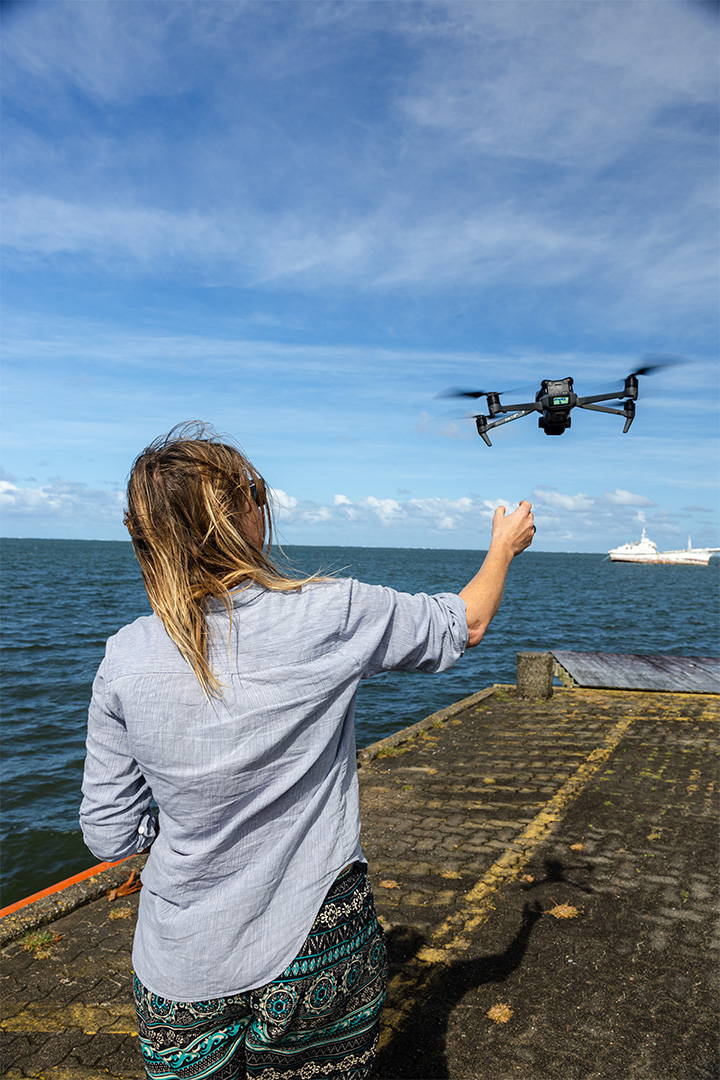
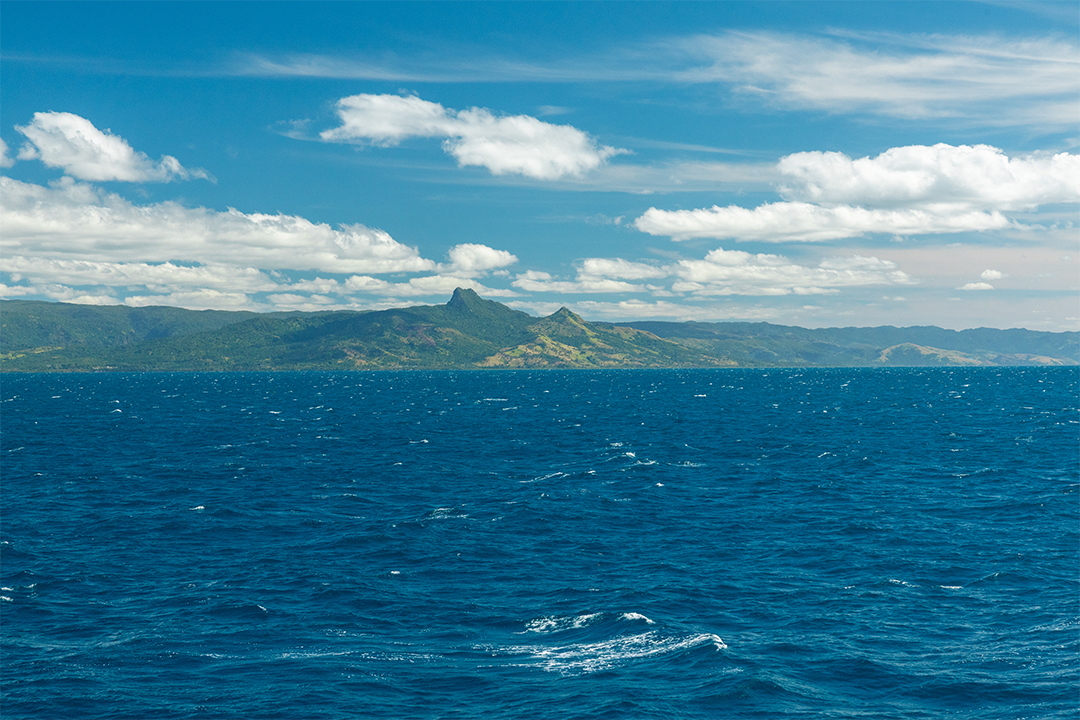
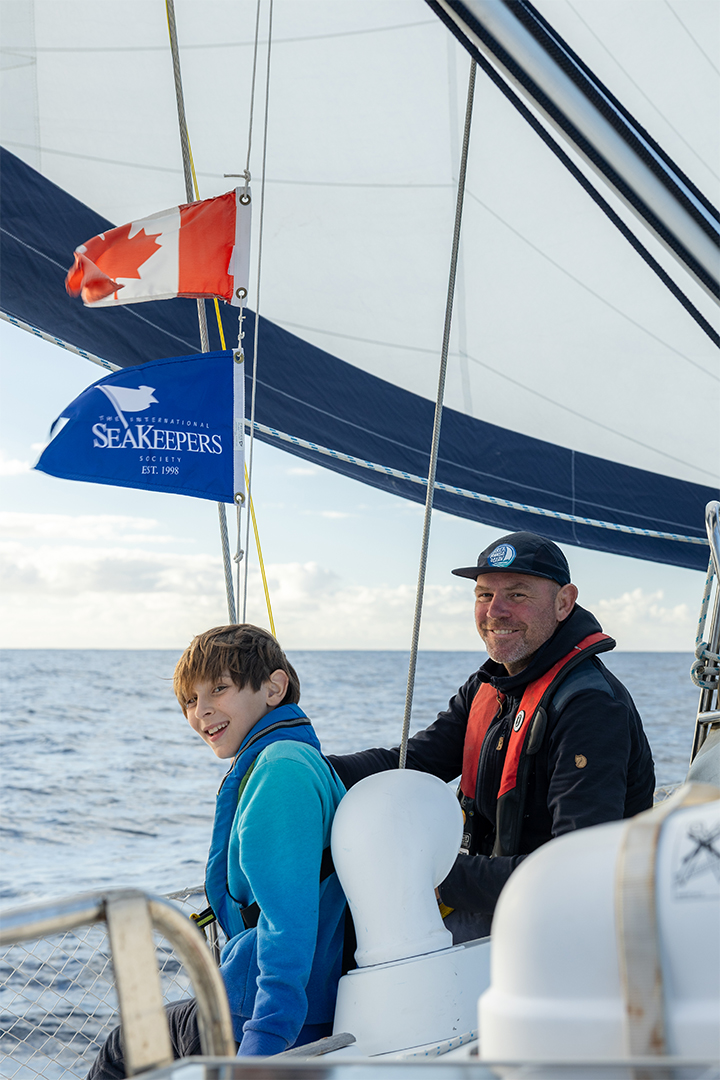
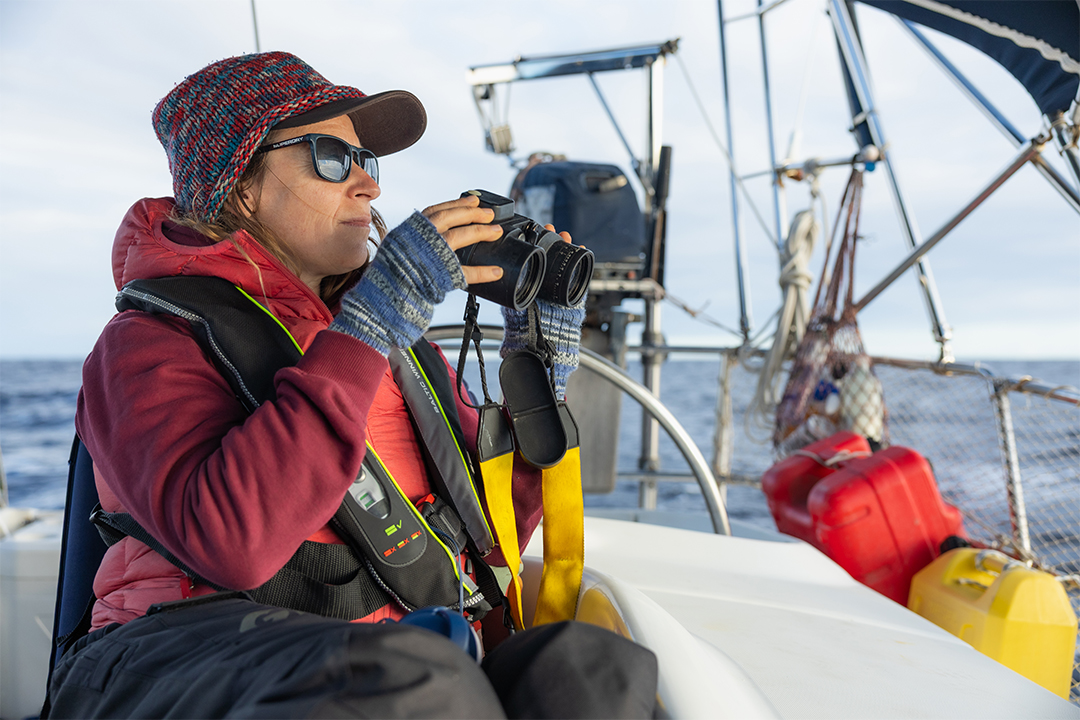
In the meantime, MWANZ wanted to experience the manta migration first hand and determine whether it was possible to collect real-time data on manta rays and fisheries interactions whilst at sea. In collaboration with Sea Keepers South Pacific, hosted by Free Range Ocean aboard the 50ft sailing vessel FREERANGER, an expedition was set in motion to follow NZ’s oceanic manta rays into the high seas. This collaborative ocean expedition departed Opua, New Zealand and included three nights anchored inside the remote North Minerva Reef, before continuing to Savusavu, Fiji.
© Sam Campbell | Manta Trust
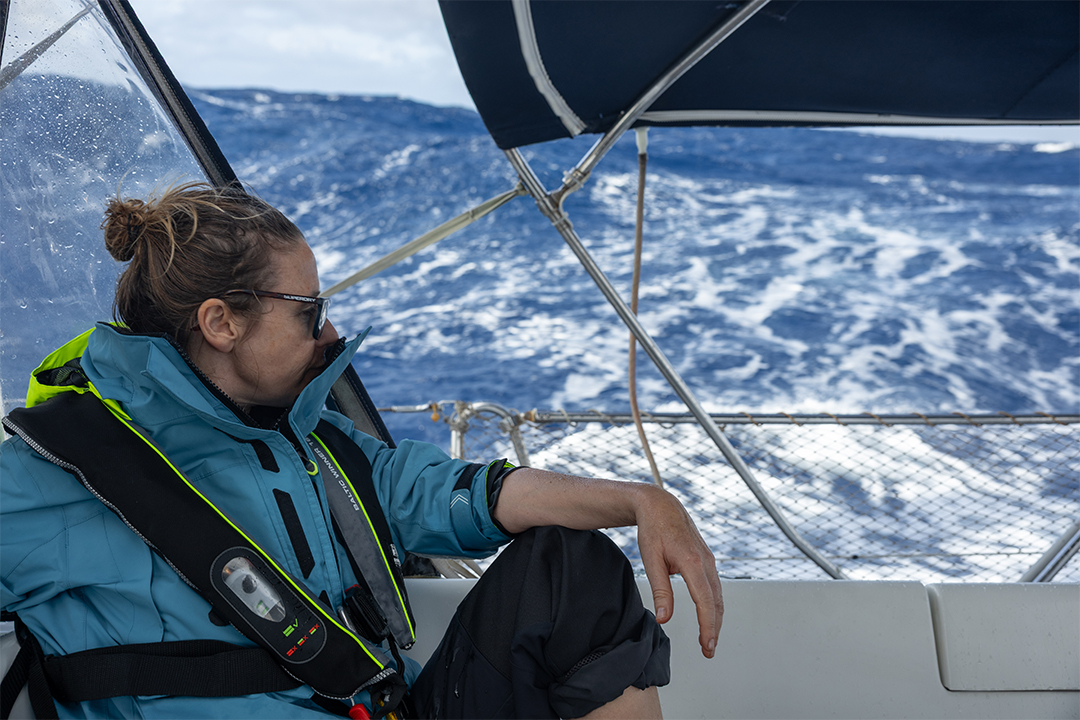
The 12-day, 1,384 nautical mile voyage to Fiji, was not all smooth sailing. To ensure FREERANGER intercepted favourable winds to reach North Minerva, conditions got ‘sporty’, with several days of 4-6 meter swells – not the best conditions to spot mantas! On passage, FREERANGER was never too far away from other vessels also mirroring the manta migration. The NZ cruising community, often coordinated by the South Pacific Rally annually sail from NZ in Autumn, over wintering in the Pacific Islands, before sailing back in Spring. A key learning from the trip was the importance of this citizen science collaboration moving forward. The cruising community are a vital link in understanding the seasonal movements of fishing fleets during key phases of the manta migration. Although FREERANGER didn’t personally encounter fishing vessels or gear, many other vessels did, with one vessel reporting a wall of longline floats spanning 50 nautical miles.
© Sam Campbell | Manta Trust
In conclusion, this expedition reinforced the importance of collaboration, confirming the most feasible data that can be collected on passage relates to fishing activity. There is so much opportunity for positive change. MWNZ hope that, the evidence gathered through efforts like this could help support a protected seasonal migratory corridor linking NZ, Tonga and Fiji for oceanic manta rays and other highly migratory marine species.