
Lost and Found: How Searching for Lost Sharks laid the foundation for shark conservation
As the field of shark research began to take root and sprout during the 1980s some researchers started to notice that some species were known only from a small number of museum specimens and that no actual specimens had been seen for a century or more. One such example is the Ganges Shark (Glyphis gangeticus), which was described in 1839, but after 1867 it was not seen again until the 1980s. It was the first modern shark species believed to have gone extinct!
In 1982 on a research expedition Leonard Compagno examined fisheries catches and museum collections in India. What he found was surprising in that ALL the sharks he found were Bull Sharks, (Carcharhinus leucas) a species well known in coastal tropical and subtropical regions, and a species well known to travel long ways up rivers and into freshwater habitats. Over a six-week period examining numerous Carcharhinus species, many being labelled or referred to as Ganges Sharks, all the specimens turned out to be Bull Sharks.
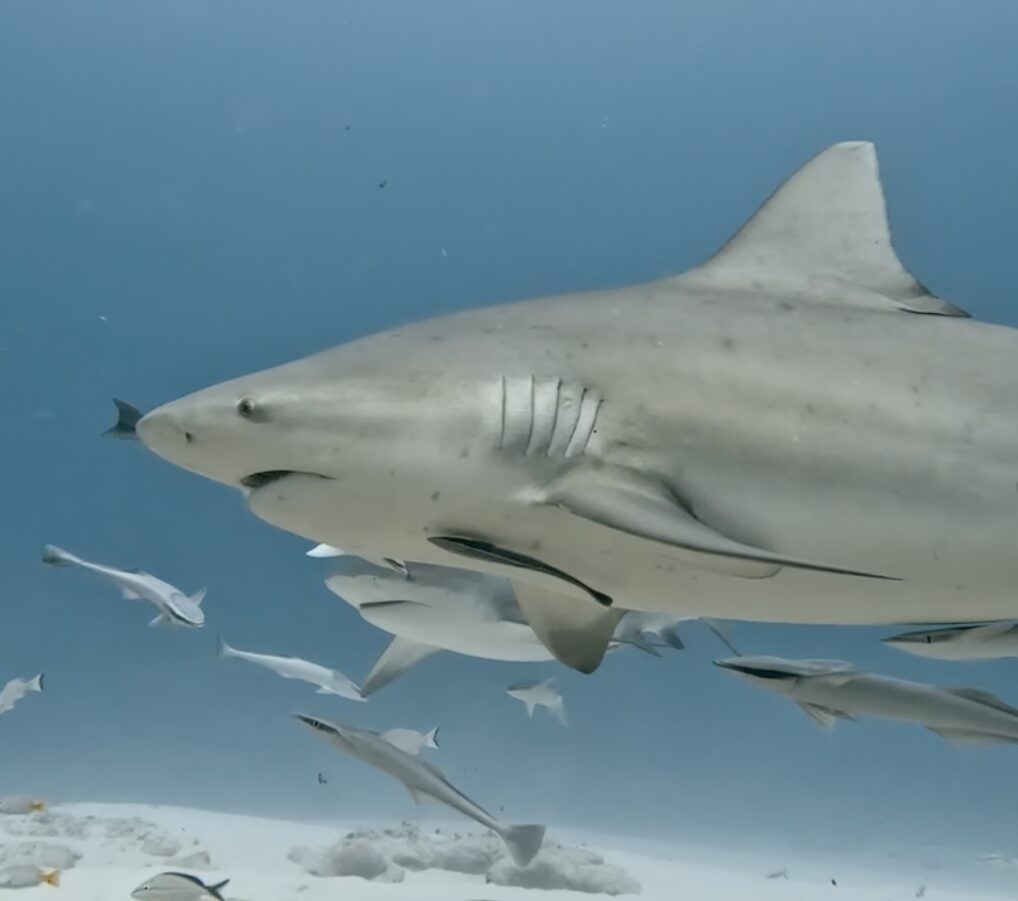
The Bull Shark (Carcharhinus leucas) is a common co-habitant in river systems where River Sharks (Glyphis species) occur. Photograph © Denisse Sotomayor
Finally nearing the end of his trip, he visited Calcutta and the national collection of zoological specimens. Again, most of what he found were Bull Sharks that had been misidentified as Ganges Sharks. However, he came across a bottle labelled Carcharhinus temmincki, the Broadfin Shark, a once common species in Indian waters. Upon closer examination he noticed some characters that didn’t fit the Broadfin Shark and realised he had found a true Ganges Shark!
At the time it was only the second confirmed specimen of this species, but more importantly it confirmed the existence of “two” freshwater sharks in the Ganges River System. In addition to finding a true Ganges Shark, a Bull Shark was also collected on the same day and by the same collector in the Hooghly River in 1867. However, a disturbing issue came to light during this time as nearly all these specimens were from museum collections and had been collected over 100 years ago.
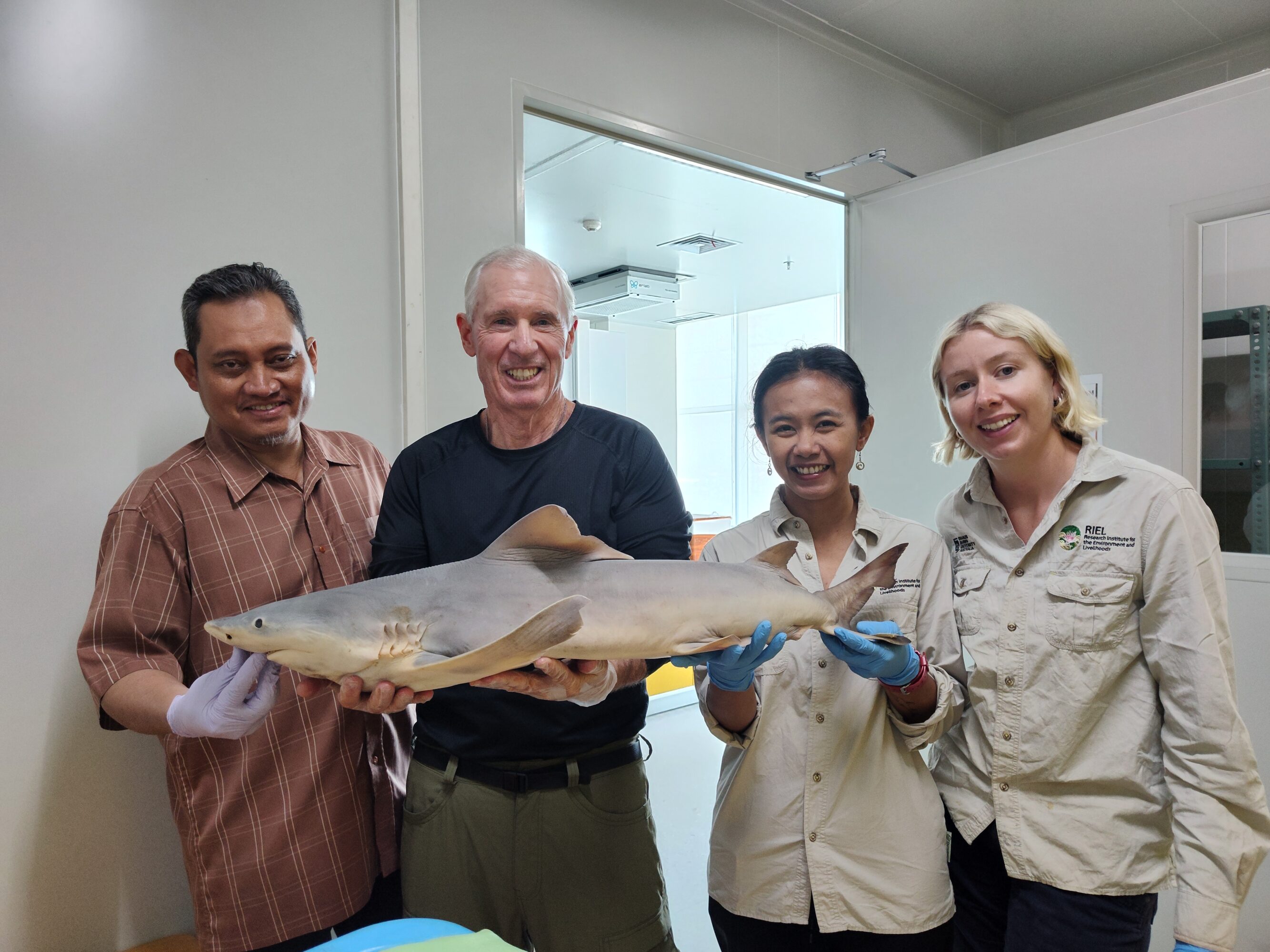
A Ganges River (Glyphis gangeticus) preserved in a fish museum collection in Jakarta, Indonesia. Museum fish collections such as this are critically important for conservation. These collections serve as repositories to help inform us of the past so that we can plan the future. L to R: Fahmi, Dave Ebert, Benaya Simoen, and Julia Constance. Photograph © David Ebert
Today shark conservation is an established field, but just 40 years ago the field did not exist. My own personal journey with the Ganges River Shark began as a young Ph.D. student in the mid-1980s when I had the chance to examine one of only two known specimens of the Ganges Shark with Leonard Compagno in his Lab at the JLB Smith Institute of Ichthyology, now the South African Institute for Aquatic Biodiversity (SAIAB).
During this time that we discussed how museum collections were important since many shark species were known from only a few specimens in those collections. It was also during this time we started to discuss the potential loss of species that had not been seen in decades or more. I didn’t know it at the time, but the seeds of my life’s journey to search for “Lost Sharks” were planted.
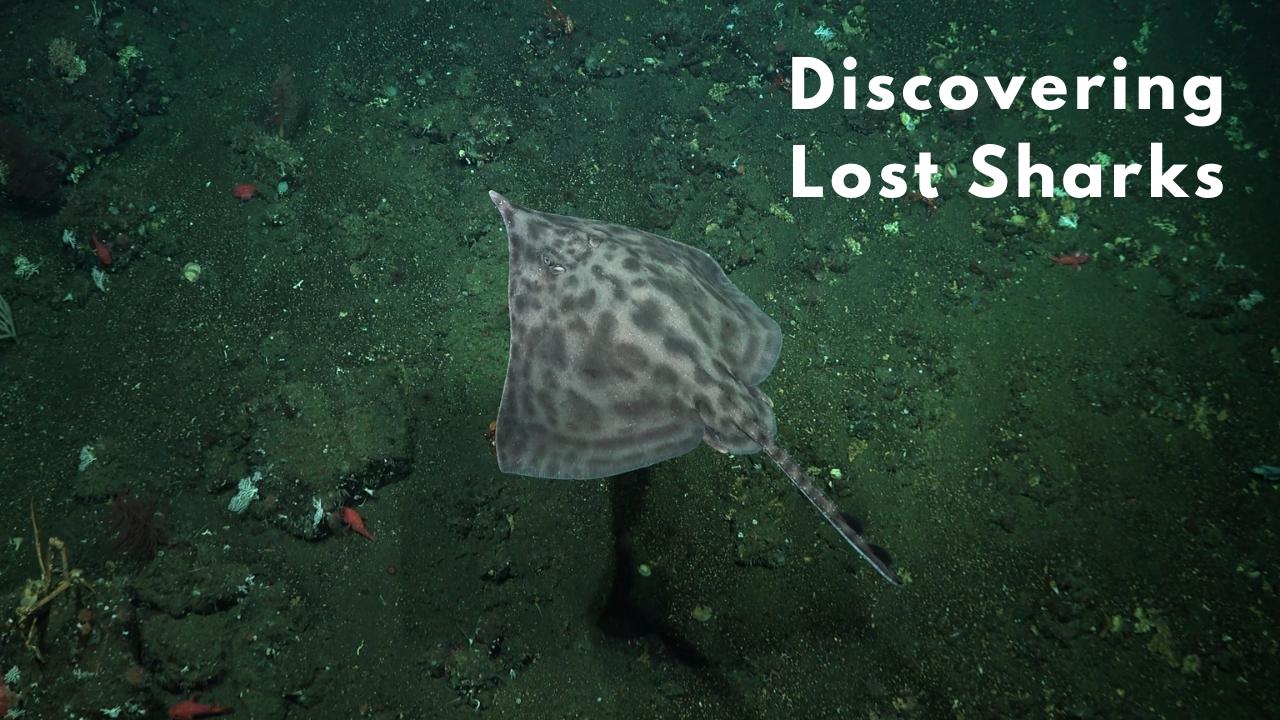
Although there are concerns over many shark and ray species disappearing and possibly going extinct, more new species have been discovered over the past two decades than at any time in history. © Schmidt Ocean Institute
Leonard and I discussed the possible loss of these species that few people had ever heard of. During my graduate days I spent considerable time in the field, often in extremely remote locations, and brought back with me shark, ray, and ghost shark species that had not been seen for decades, and for some, a century or more. At the time there was no good field guides to aid in field identification and rare species had to be preserved in the field and returned to the laboratory for identification confirmation.
These discoveries only fuelled my interest and inspired me to pursue this avenue of research. Leonard and I frequently had lengthy discussions about what the potential loss of these species would have on the ecosystem. However, at the time the term “shark conservation” was not in the common lexicon. It was not even a field of endeavour.
In my first book, written during my Ph.D. days and co-authored with Leonard and Malcolm Smale on the “Sharks and Rays of Southern Africa” I wrote a section titled “Conservation and Management”. Although I realised that it was a unique section at the time what I did not fully appreciate was that it was the first time anyone to our knowledge had published on and began to raise awareness of shark conservation and the potential loss of individual species. Fast forward to today, the term shark conservation is used in common parlance and is a maturing field of research.
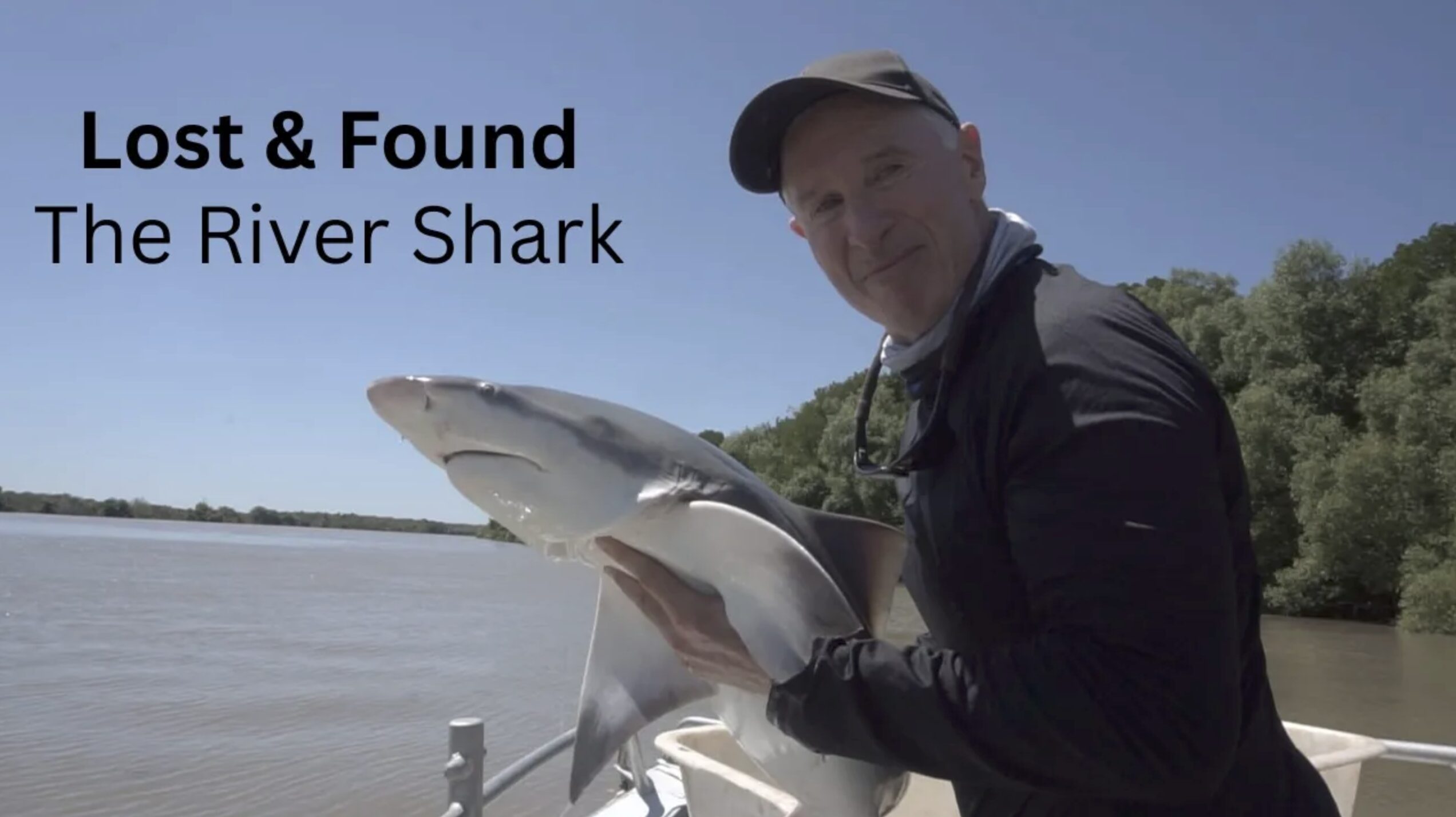
Seeing a River Shark, in this case the Speartooth River Shark (Glyphis glyphis) was a career highlight for the Blog’s Author and the culmination of a journey that began in the mid-1980s with my supervisor the late Leonard Compagno. Photograph © David Ebert
To bring this story full circle, having the opportunity to see River Sharks in the field in northern Australia with Peter Kyne and Julia Constance, and to examine a Ganges Shark, a species once lost, but now found, brought a personal sense of nostalgia and closure to a personal 40 year journey.
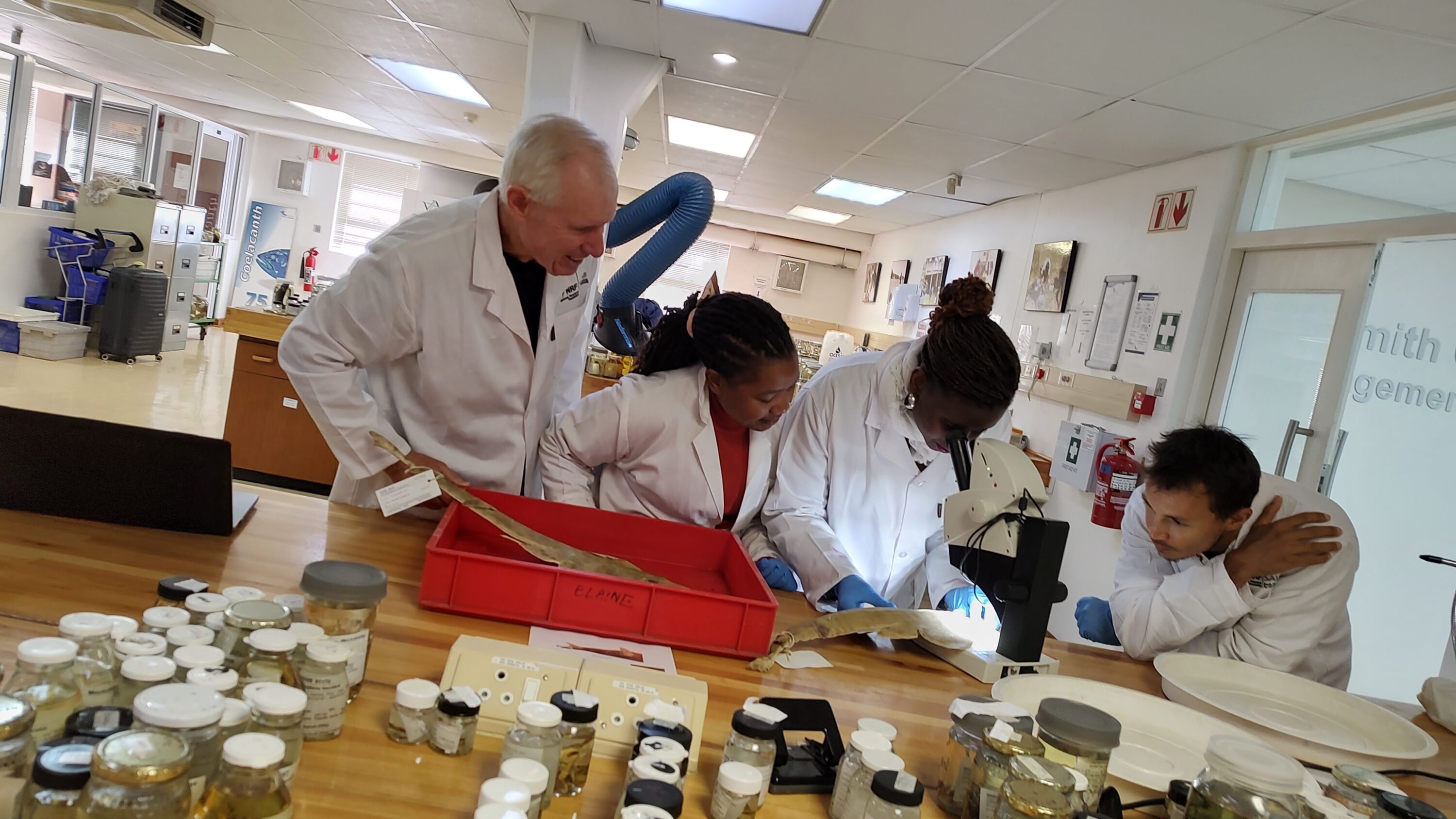
Identification workshops like this one held at the South African Institute for Aquatic Biodiversity are crucial for finding “Lost” and new species and by training the next generation of shark, ray, and ghost shark researchers. L to R: Dave Ebert, Yonela Sithole, Stela Fernando, and Josh Rambahiniarison.
Perhaps as important, networking and identification workshops conducted through this project (#594) helped increase the visibility and local knowledge of lost sharks with in-country collaborators. Training the next generation of shark researchers and conservationists is critical to continuing the important work for finding and documenting these lost sharks.
For more on this story and my search for Lost Sharks please watch the YouTube documentary series “Searching for Lost Sharks: Extinct or Alive” and please subscribe to the @LostSharkGuy YouTube Channel.
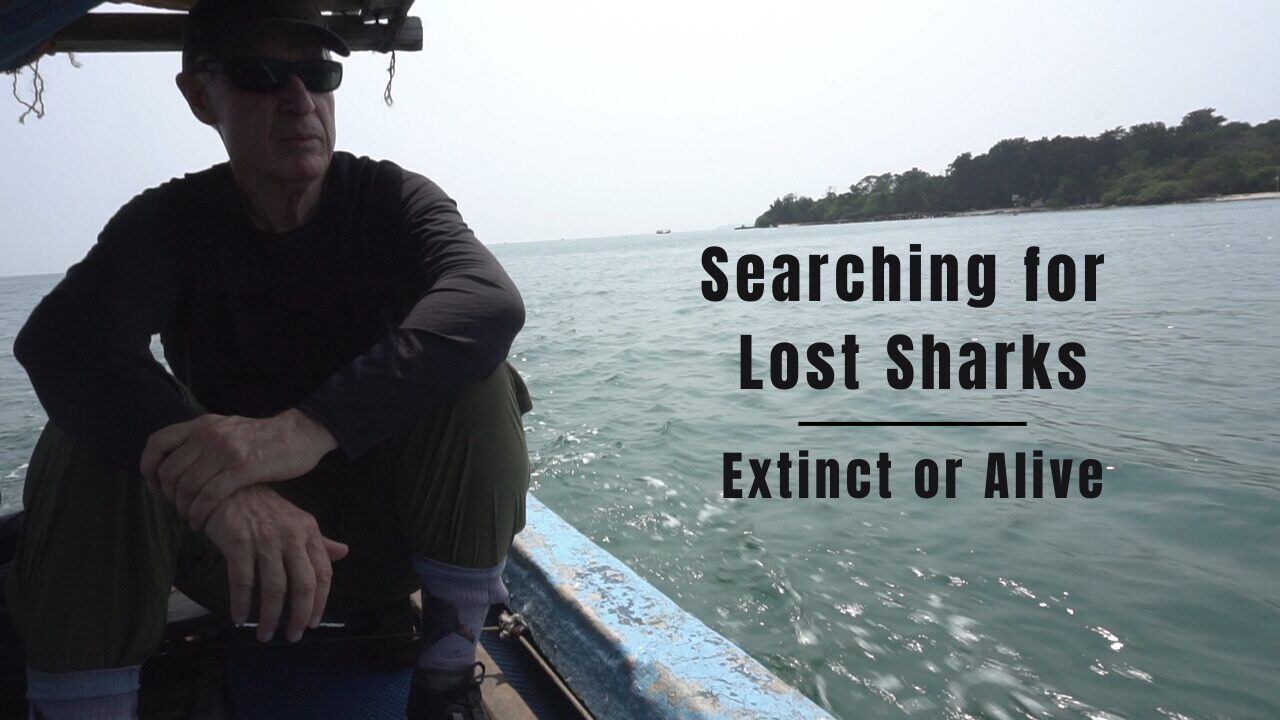
Stopping shark and ray extinction will only happen by raising awareness of poorly known species such as the Ganges Shark and by bringing attention to other poorly known sharks and rays that maybe disappearing without notice. Please watch the documentary series Searching for Lost Sharks: Extinct or Alive exclusively on YouTube. Photograph © David Ebert
I want to thank my colleagues Peter Kyne and Julia Constance (Charles Darwin University) who were very generous with their time and knowledge. A full list of acknowledgements is provided at the end of episodes 4 and 5.