
Life is Short: Don’t Let It End Up in a Zip Lock Bag Without Seeing the World
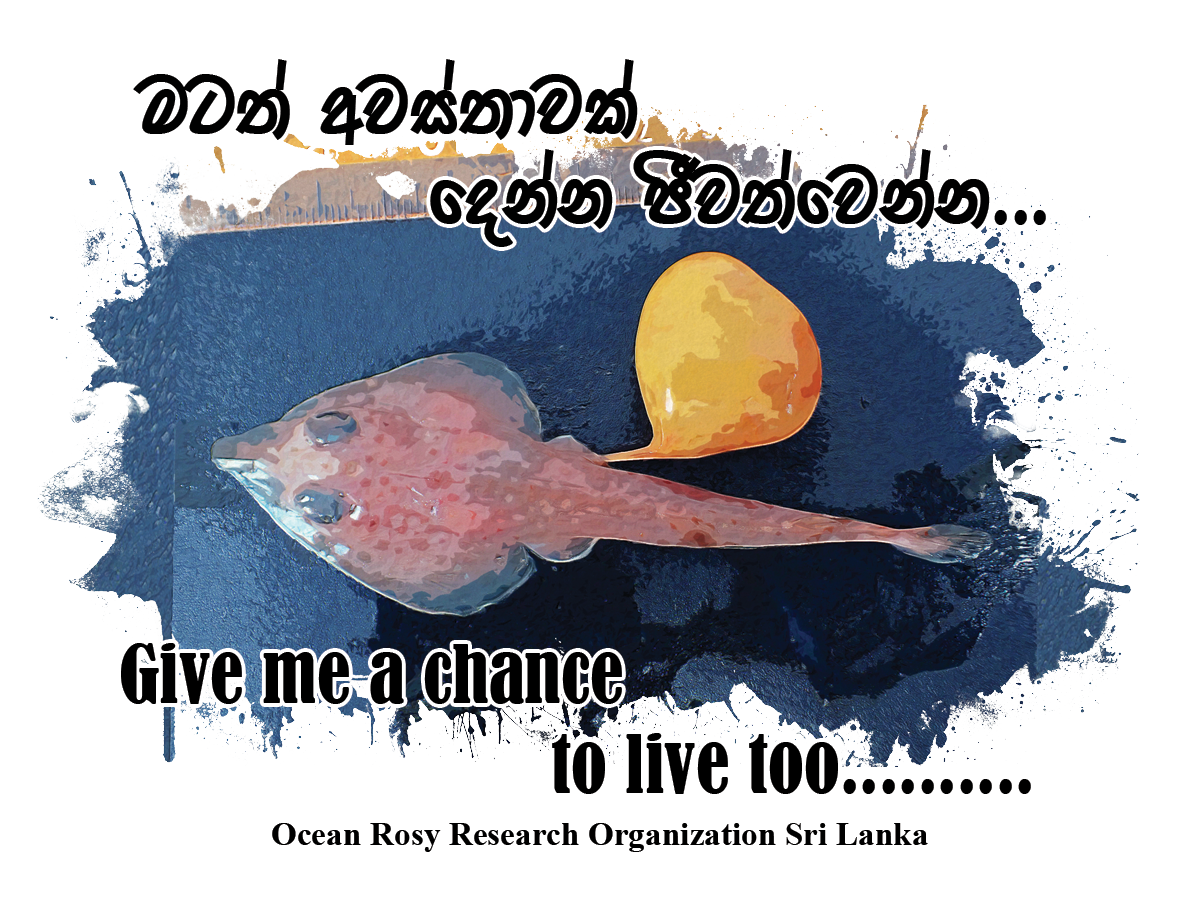
The Rhinobatos embryo is begging to live and survive. Image © P Buddhi Maheshika Pathirana | Ocean Rosy
As a researcher, I’ve spent countless hours in the field, sometimes carefully dissecting fish embryos from their dead mothers and sometimes gathering them as part of my scientific work. Most of the time, these tiny lives end up in zip lock bags, destined for study and data collection. Over the years, I’ve encountered embryos from numerous species of sharks and rays, each one a silent testament to the cycle of life and death in the ocean.
But I never really stopped to think about what those mothers might feel in their final moments. Do they sense the loss? Is there a pang of pain as their young are taken, never having seen the world? Does science have answers for these questions? And maybe it never will.
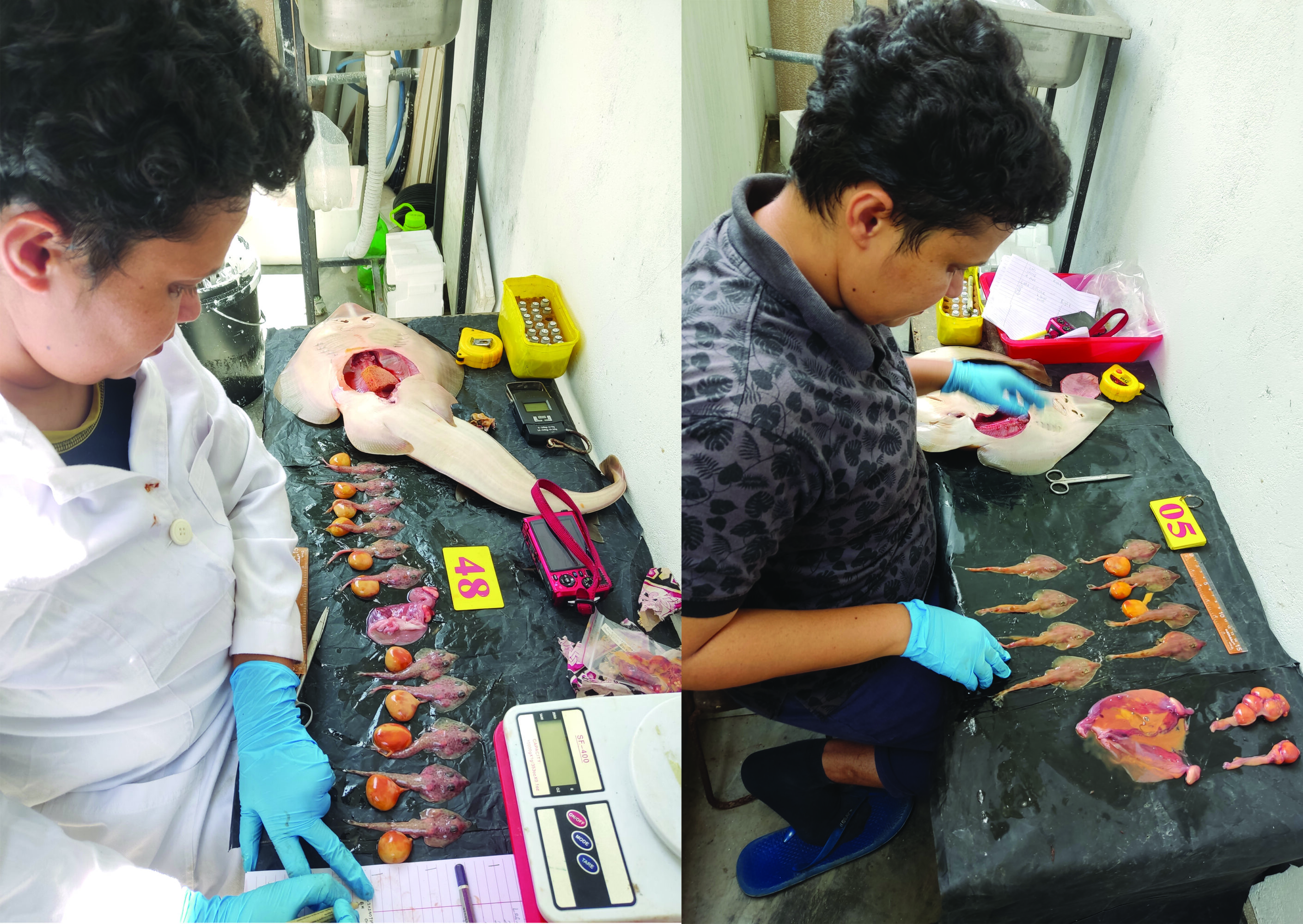
Maturity assessment of female guitarfishes collected from the Sri Lankan fish markets, with dissections conducted in a home mini-lab using minimal resource facilities. Photos © W Sahan Thilakaratna | Ocean Rosy
Recently, though, I found myself imagining a scenario that shook me to my core: What if it was my own baby, placed in a zip lock bag before ever having the chance to experience life? The thought was unbearable. Suddenly, the pain and loss I’d witnessed in the field felt deeply personal. No words can truly describe that feeling — a mix of guilt, empathy, and sorrow.
It made me wonder: Is this what karma is? Does the pain we cause, even in the name of science, find its way back to us in unexpected ways? Are we so different from the creatures we study, or do we all share the same longing for life and connection?
Life is fragile, whether it’s a shark embryo or a human child. Perhaps the lesson is to approach every life, no matter how small, with respect and compassion. Because in the end, the pain of loss is universal, and there are no words to explain it.