
Why Conservation Starts in the Classroom
When people think of ocean conservation, they often picture scientists tagging sharks, or activists holding signs on the beach. But since starting my job at the Save Our Seas Foundation Shark Education Centre (SOSFSEC), I’ve learned that real conservation doesn’t start there, it starts with curiosity. With a classroom full of kids asking “why?, how?” and “why” again. Conservation is about listening to and discussing people’s perspectives, not just about science or advocacy.
At the SOSFSEC, education is where everything begins. Our goal is simple: to make marine science understandable, relatable, and exciting for everyone, whether you’re five or fifty. Through hands-on lessons, play, art, and storytelling, we turn complex conservation concepts into something that clicks. When learning feels like discovery, people don’t just remember facts, they start to care.
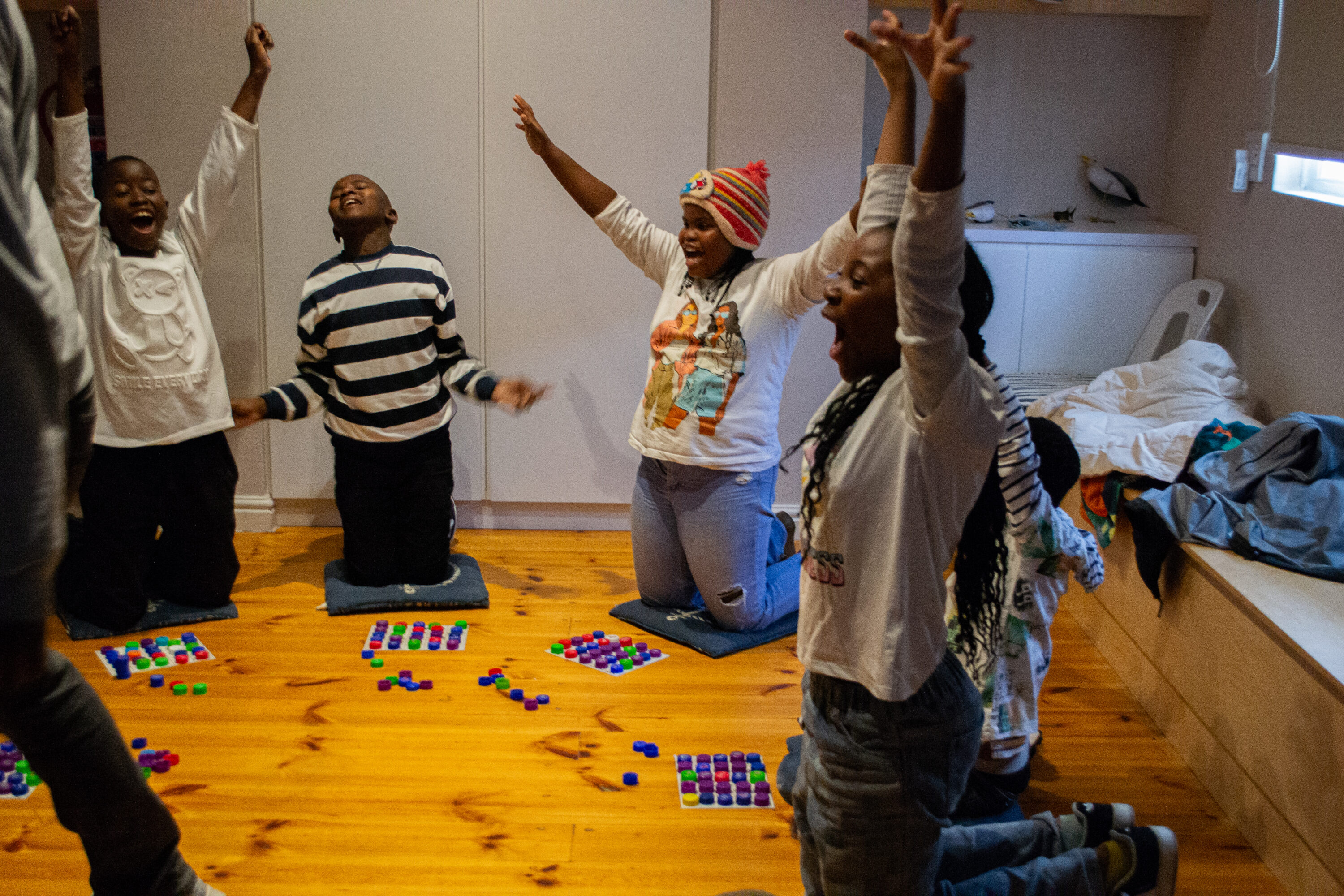
Learners playing marine bingo at the SOSFSEC. Photo by Liat Dayan | © Save Our Seas Foundation Shark Education Centre.
Seeing Curiosity Come Alive
I’ve spent hours underwater with sharks, but one of my favourite moments actually happened on land, watching a group of students in our Marine Explorers Programme snorkel and experience the ocean first-hand, many for the very first time. Their excitement and joy was contagious, as they discovered a whole new world beneath the waves. That moment solidified for me just how powerful early exposure to marine education can be.

Marine Explorers from Sibelius High School. Photo by Liat Dayan | © Save Our Seas Foundation Shark Education Centre.
Growing up in Johannesburg, a landlocked part of South Africa, I had limited access to ocean education. My school offered minimal teaching of the marine environment, and I never had the opportunity to learn about the ocean in a formal setting. I was lucky enough to take family vacations to the coast, where my love for the ocean began, and my passion for protecting it was cemented. But I know that not everyone gets that chance.
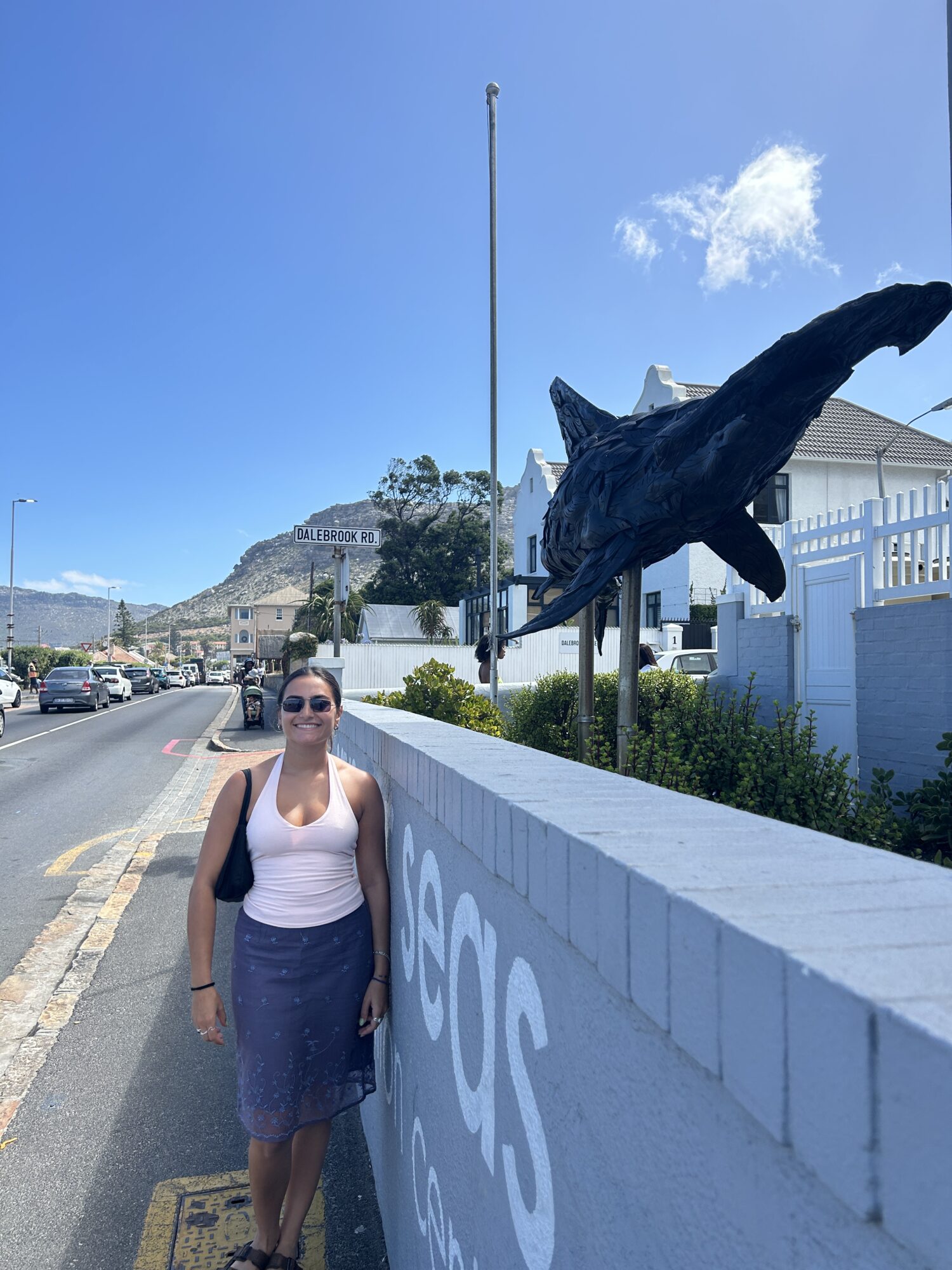
Liat Dayan’s (author of this blog) first time visiting the SOSFSEC.
That’s why places like SOSFSEC matter so much. For many of these learners, this is their first real encounter with the ocean. The first time they touch a sea star or see a shark jaw up close. And you can almost see it happening, that moment when fascination replaces fear.

Learners from Zenzeleni CCE get up close with a shark jaw. Photo by Liat Dayan | © Save Our Seas Foundation Shark Education Centre.
Why Early Education Matters
When we speak to children about the ocean, we’re not just sharing information; we’re planting something much deeper. They start to see themselves as part of something bigger. They ask questions, they challenge ideas, they notice how their actions and voices affect the world around them.
And it doesn’t stop when they leave the classroom. They go home and talk to their families, their friends. They tell stories and share what they’ve learned. That ripple effect is how awareness grows, from one curious learner to an entire community.
The SOSFSEC doesn’t just teach about sharks and the marine ecosystem; it teaches connection. It shows that the choices we make on land, what we eat, what we throw away, how we live, all come back to the ocean eventually.
Why Sharks Are the Perfect Ambassadors
Sharks are frequently misrepresented, feared, and misunderstood. Yet they are critical to ocean health and biodiversity. For this reason, they are excellent representatives of the importance of education in conservation. Through discussions about the importance of sharks, games such as charades, and up-close experiences observing baby sharks wriggling in eggcases or even hatched pups, people start to replace their fear of sharks with a fascination. Their awareness of the threats sharks face and their vital ecological roles fosters empathy and support for their protection.
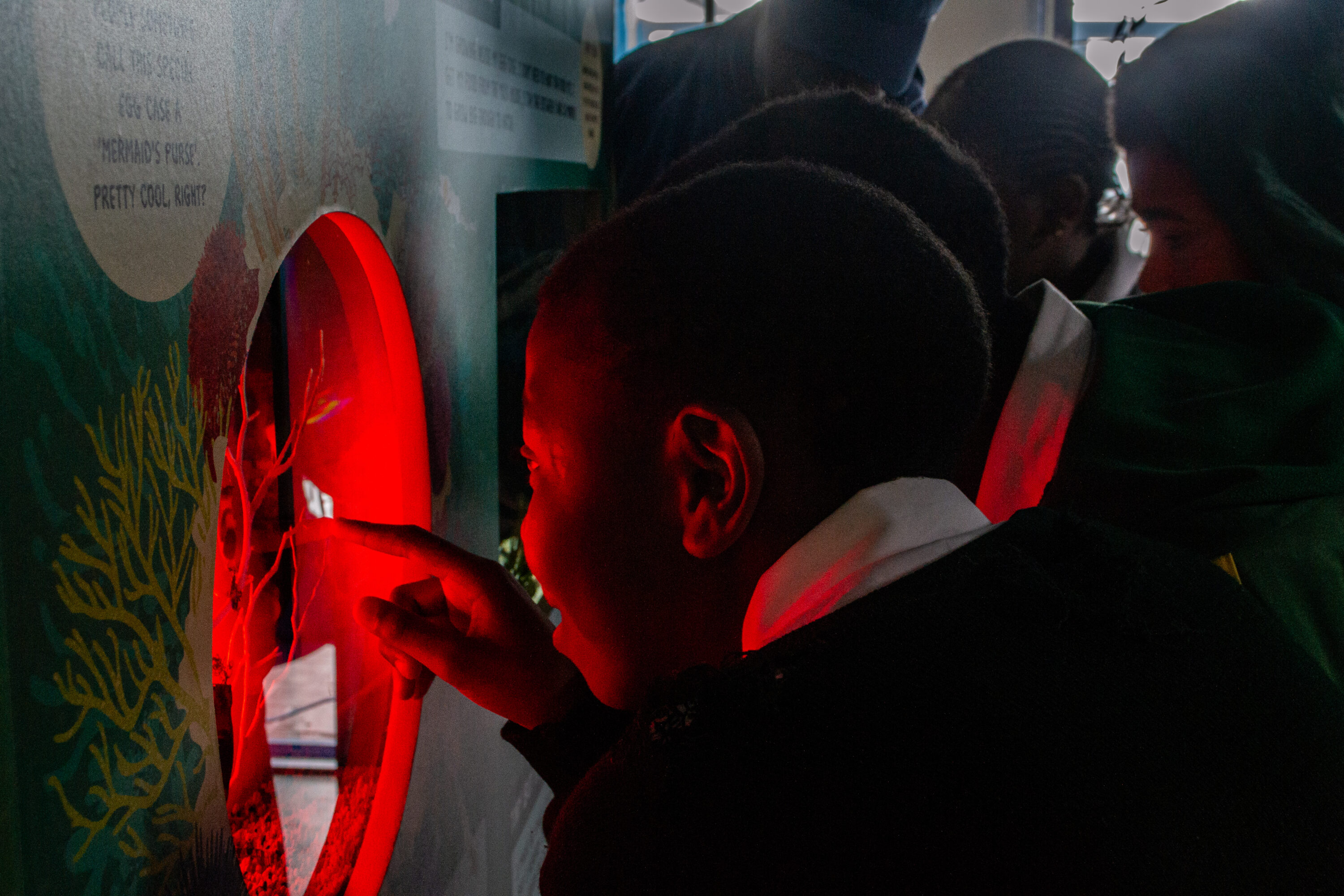
Learners from Marine Primary School looking at shark eggcases at the SOSFSEC. Photo by Liat Dayan | © Save Our Seas Foundation Shark Education Centre.
The Future of Ocean Literacy
Ocean education has the power to change how people see the world. It’s about more than knowledge; it’s about empathy. And empathy is where things start to shift. When people understand the ocean, they care. And when they care, they act, whether that’s saying no to single-use plastics, choosing sustainable seafood, or simply sharing what they’ve learned with someone else.
An important factor in promoting environmental literacy is formal educational systems. Lessons that incorporate conservation themes help students understand the connection between nature and their everyday lives. Particularly when there is limited physical access to the ocean, we need to incorporate it more deeply into community initiatives and school curricula.
You don’t need to be a scientist to make an impact. You just need to start with curiosity and pass it on. So, visit the Save Our Seas Foundation Shark Education Centre in Kalk Bay. Ask questions, get your hands wet, and learn something new. Because every great wave of positive actions starts small, with a spark of understanding, in a classroom, by the sea.