
Shark Myths: What Hollywood Got Wrong
Imagine watching The Real Housewives, and everyone gets along: no drama, no conflict, no chaos. Boring, right? Well, that’s exactly why sharks have been cast as villains by Hollywood. If Jaws featured a small shyshark quietly swimming past a human, it wouldn’t have become a blockbuster. Hollywood sells drama, and in doing so, it has fueled decades of fear around sharks.
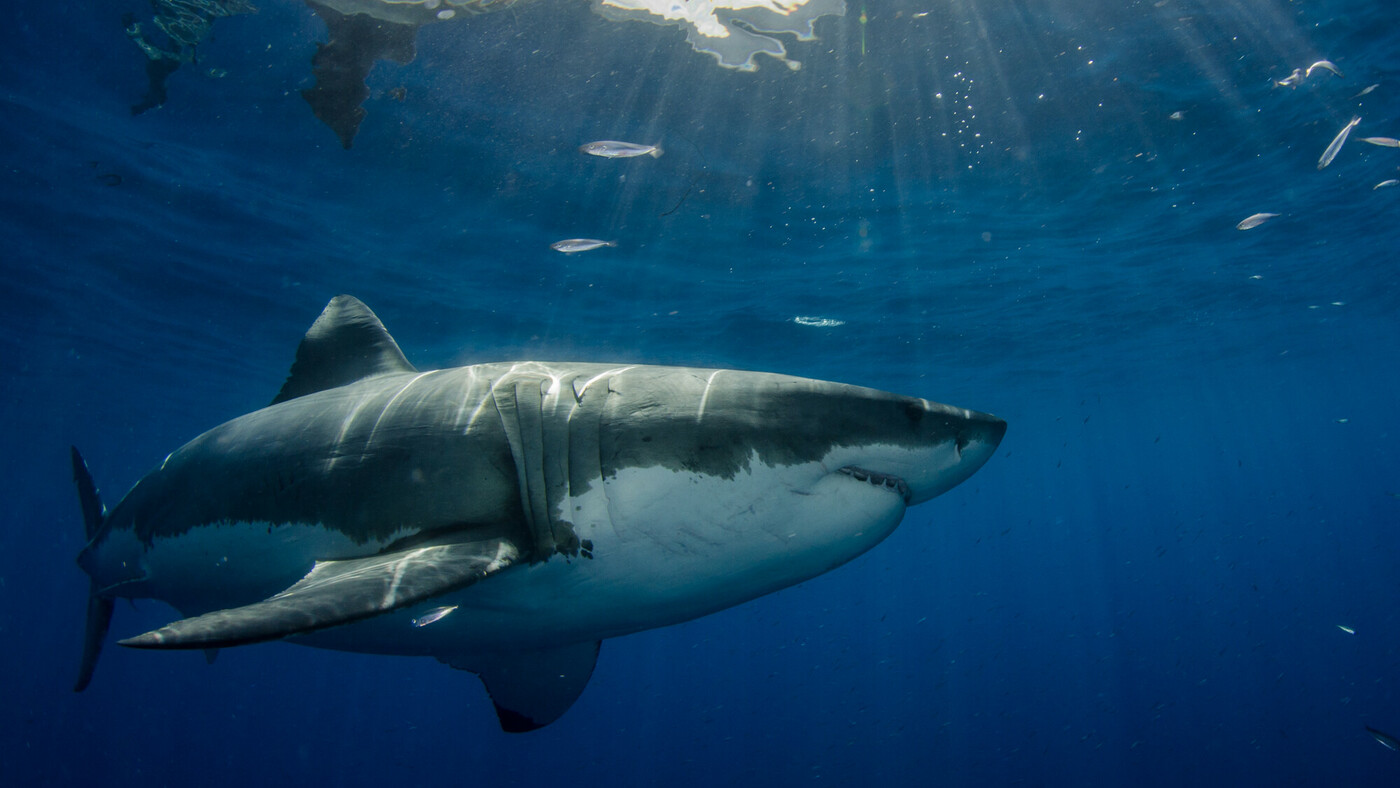
A white shark swimming peacefully. Photo by Byron Dilkes | © Save Our Seas Foundation.
Sharks are, in many ways, the perfect villains. They’re often powerful, elusive, and still largely misunderstood, which makes the “unknown” a compelling and marketable concept. The problem is that while these stories are entertaining, they’ve come at a high cost. Films like Jaws don’t just exaggerate shark behaviour; they shape global perspectives. This has led to widespread fear, negative attitudes, and ultimately poor conservation outcomes for sharks around the world.
In a time where information and misinformation spread rapidly, it has become harder to separate myth from fact. That is where this blog comes in. Let’s break down the most common shark myths, uncover the truth behind them, and challenge everything you thought you knew about sharks.
Myth 1: Sharks are man-eaters
A common misconception is that sharks actively hunt humans for food. In reality, humans are not part of a shark’s natural diet. Take a white shark, for example; one of its favourite foods is seals, which are rich in fat due to their thick blubber, something that humans simply don’t have. From a nutritional perspective, humans offer very little to a shark. Most human-shark interactions are less about ‘hunger’ and more about ‘curiosity.’ Without hands to feel their way through the world, sharks use their mouths to investigate unfamiliar objects. Unfortunately, what is a ‘test-nibble’ for a shark can be a major event for a human.
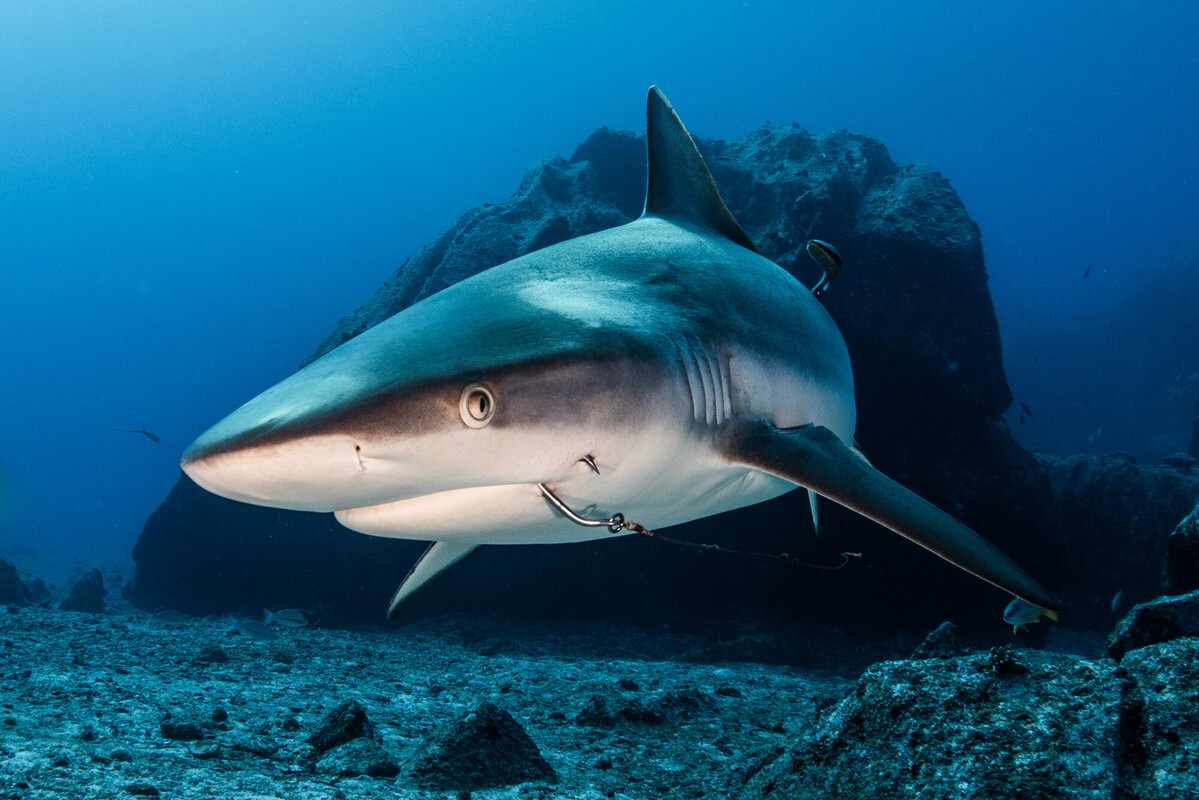
A shark with a fishing hook stuck in its jaw. Photo by Matthew During (@lostnomadfound) | © Save Our Seas Foundation.
Myth 2: Sharks are mindless killing machines
Another common myth is that sharks are mindless, aggressive animals driven by one purpose: to kill. But this couldn’t be further from the truth. Like all animals, sharks are driven by the need to survive, and feeding is a natural part of that. Their method is predation, but the way they do this is far from mindless. Sharks are intelligent and extremely efficient predators, capable of strategic hunting and complex behaviours. In fact, their sensory systems far surpass our own, allowing them to detect electrical pulses, vibrations, and even subtle changes in water pressure. If you’re curious to learn more, take a look at our previous blog, The Secret Senses of Sharks, where we explore these incredible adaptations in more detail.
Myth 3: Sharks attack frequently
It is widely believed that sharks frequently attack humans, and again, this is largely due to sensationalised media. Shark incidents make headlines because they provoke fear, while calm, peaceful encounters with sharks rarely receive any attention. In reality, the chances of being bitten by a shark are extremely low. In fact, here are a few things that are far more likely to kill you:
- Being struck by lightning (it kills ~ 20 humans each year in the U.S. alone)
- A coconut falling on you
- Dog attacks
- Wasp stings
- Aeroplanes accidents
- Car accidents (and you get in one almost every day)
- Cycling accidents
Myth 4: All sharks are large and dangerous
Think all sharks are huge, scary predators? Think again! Most of the 500+ shark species in the world are actually small, harmless, and pretty shy. Only a handful of shark species have ever bitten a human. At the Save Our Seas Foundation Shark Education Centre, kids often refer to white sharks as “normal” sharks, a clear sign that the media has skewed our understanding and view of what sharks really are. But, if you’ve ever snorkelled or dived in our local kelp forests, you’ll know the truth: most sharks are tiny, shy, and more afraid of you than you are of them!
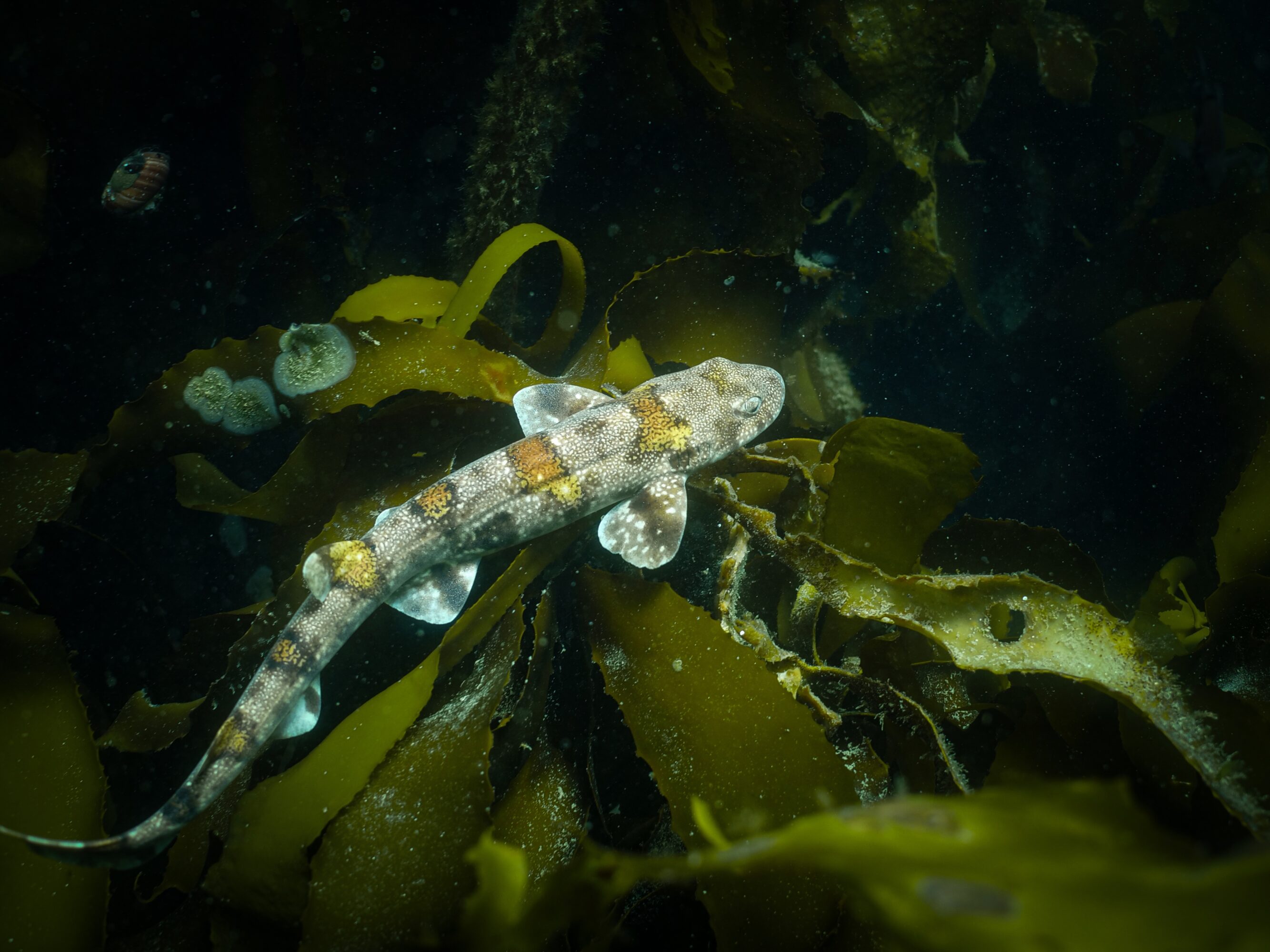
A small puffadder shyshark in the Great African Kelp Forest. Photo by Danel Wenzel | © @mermaid_danii.
The Real Impact of These Myths
You might be thinking, ‘So what if we have myths and misconceptions about sharks?’ Well, these myths have fueled negative attitudes toward sharks for centuries and have led to harmful practices such as culling, which has severely impacted shark populations around the world. Public support for shark conservation starts with education, and knowing the truth about sharks is the first step towards protecting them.
Changing the Narrative
Education, media, and science communication play a key role in shaping how people view sharks. By encouraging curiosity instead of fear, we can foster appreciation and understanding of these incredible animals. Sharing accurate information is essential: when people know the facts, they’re more likely to respect sharks and make informed decisions.
So, what is the takeaway? The next time you see a shark on screen, remember the ‘Real Housewives’ effect. Challenge the drama, share the facts, and come visit us at the SOSF Shark Education Centre to meet some of our very tiny local legends in person!