Projects
Project directory
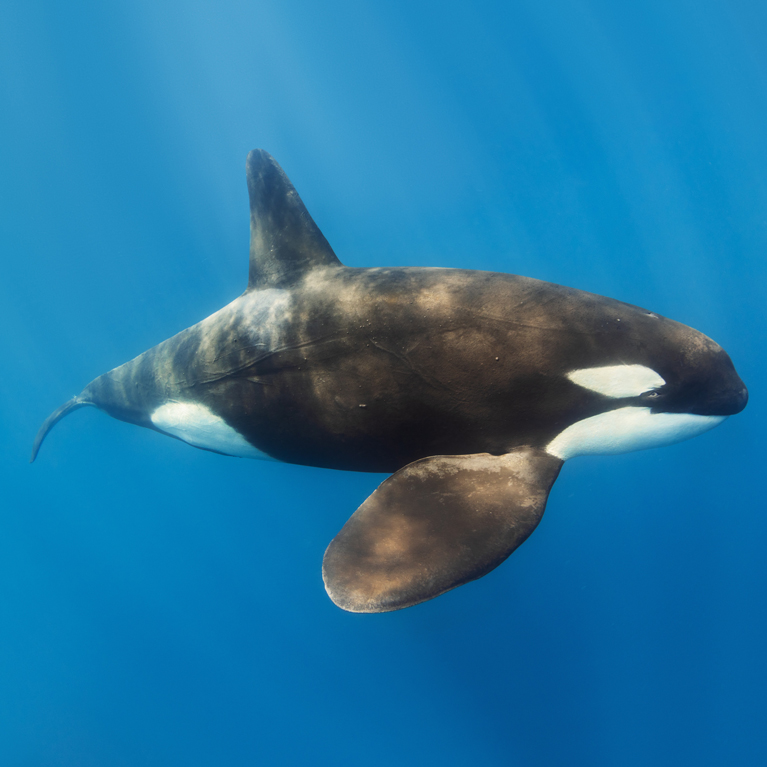
Decoding Mexico’s orca ecotypes
PROJECT LEADER Jesus Erick Higuera Rivas
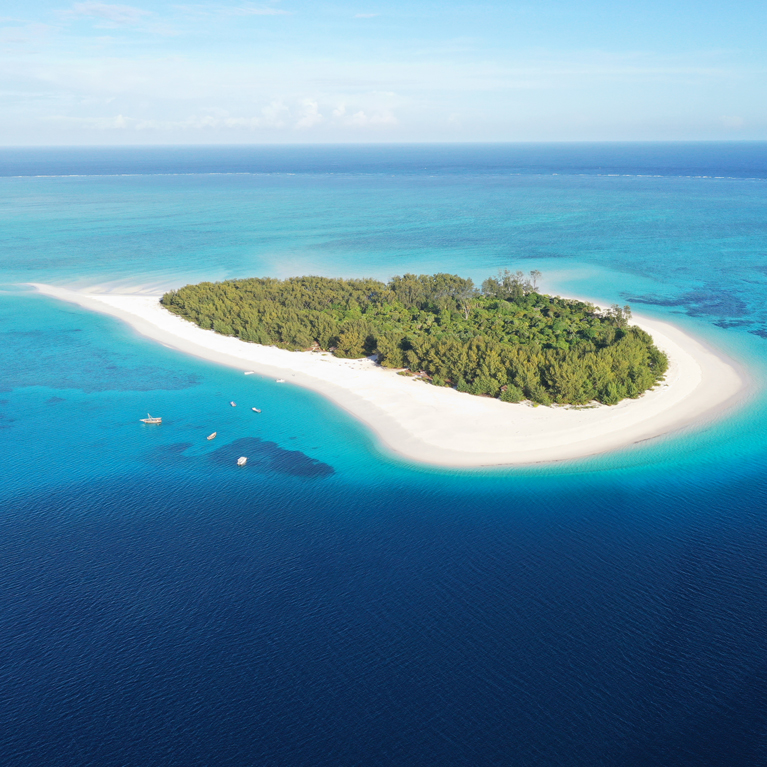
Restoring sharks and reef resilience in Mnemba Island Marine Conservation Area
PROJECT LEADER Camilla Floros
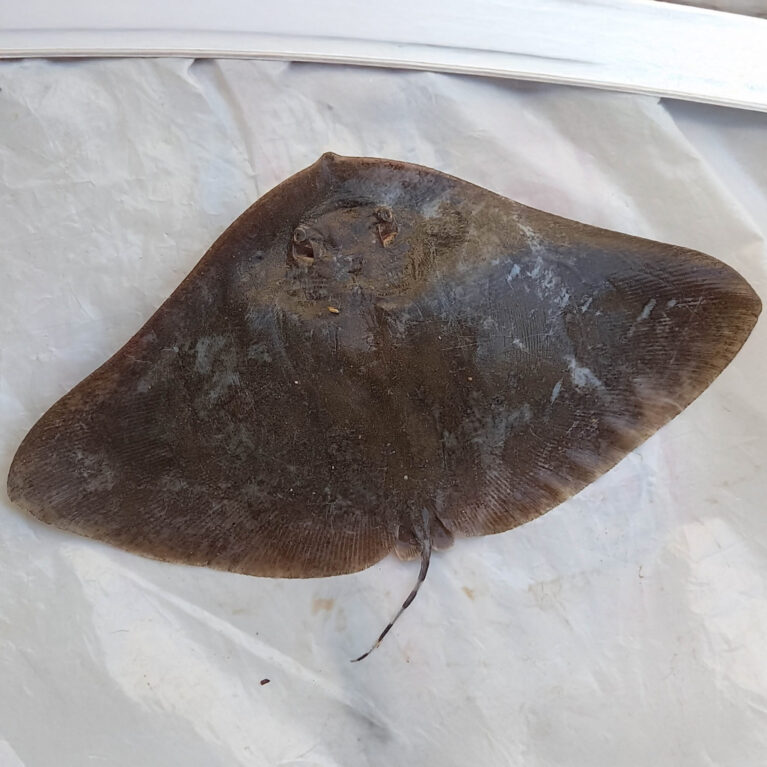
Saving Seret’s butterfly ray
PROJECT LEADER Kehinde Adelakun
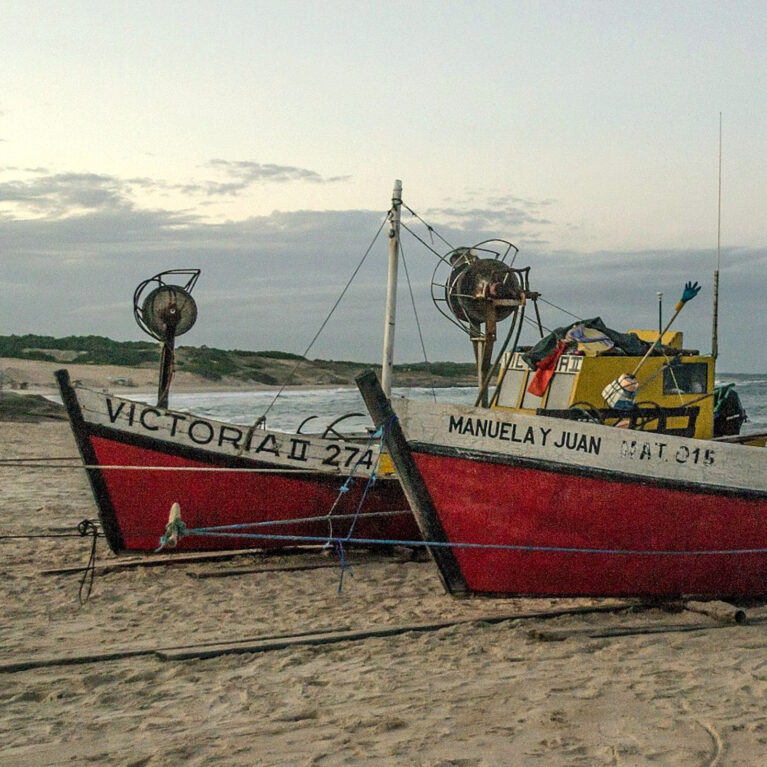
Closing in on the genetics of Uruguay’s narrownose smooth-hounds
PROJECT LEADER Sofia Ariosa Fontana
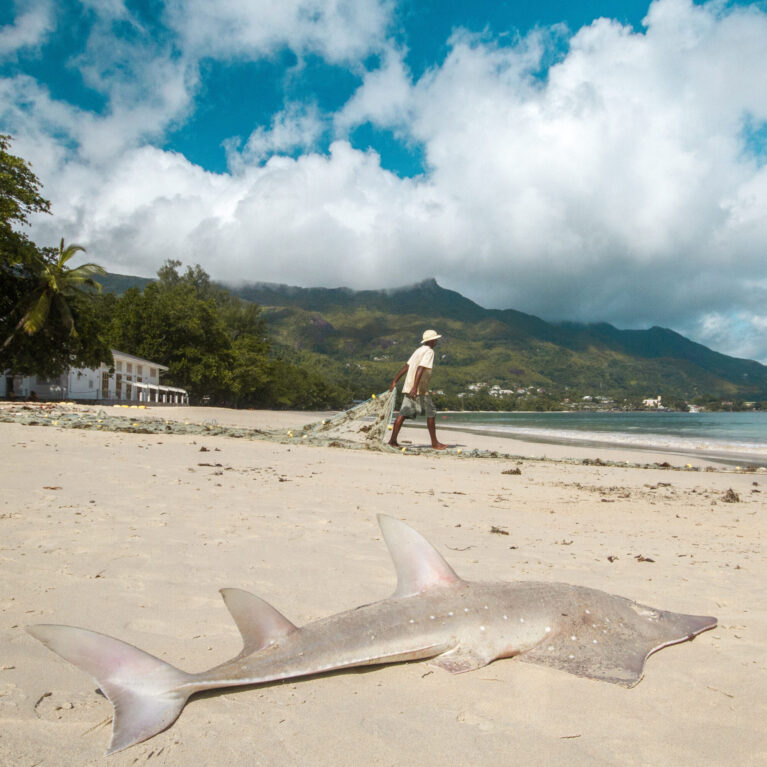
Monitoring the shark and ray bycatch of an artisanal mackerel fishery in Seychelles
PROJECT LEADER Sophie Berlouis
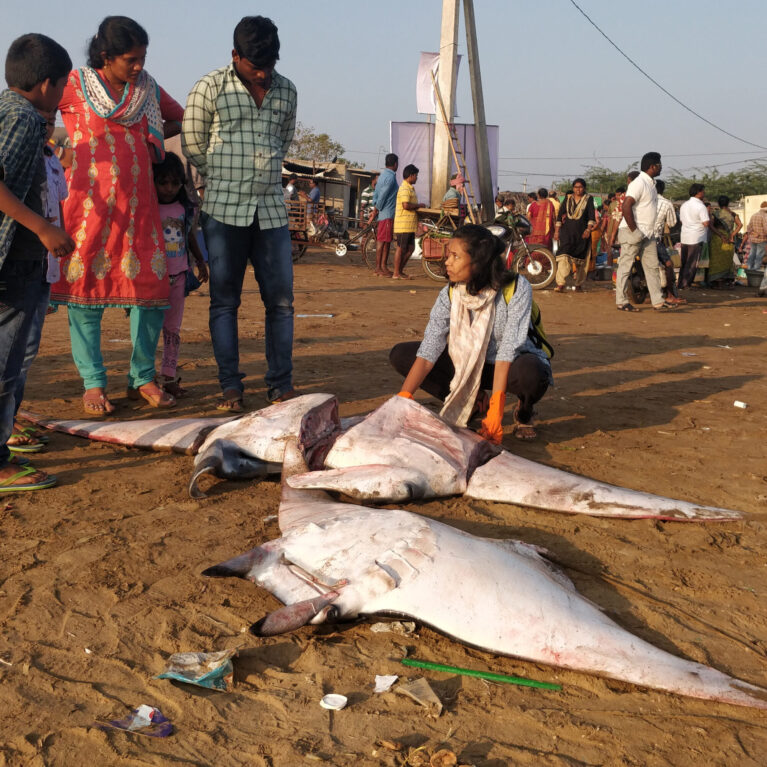
WAVES: Widening Access to Versatile Education in Shark Sciences
PROJECT LEADER Meghana Binraj
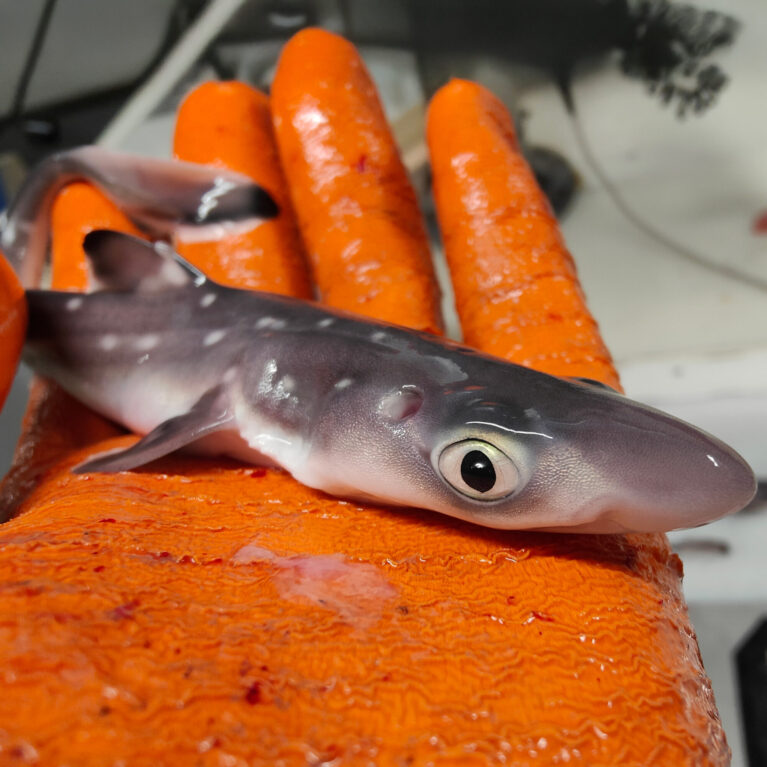
The impact of fisheries on deep-sea food webs
PROJECT LEADER Teah Burke
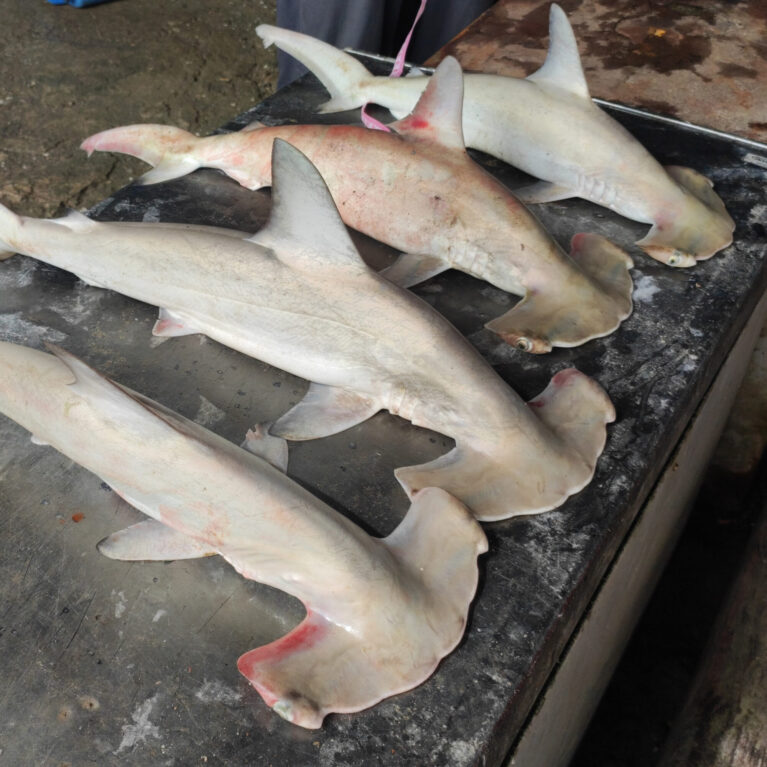
Shark bycatch solutions by small-scale coastal fishers in Palawan
PROJECT LEADER Raymart Cacacha
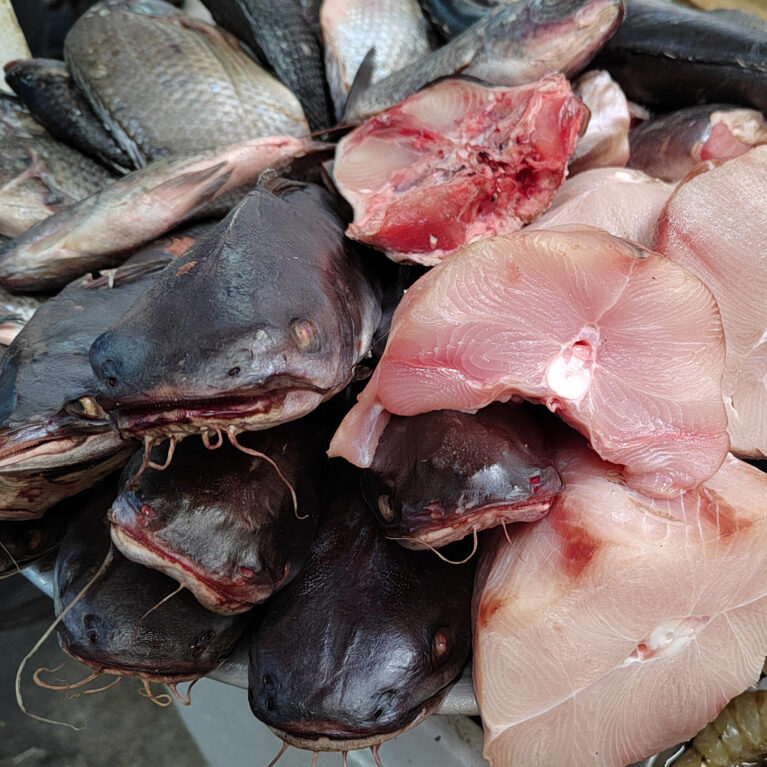
From the sea to the market: elasmobranch fisheries and supply chain in Guatemala
PROJECT LEADER Maria de Belen Chacón Paz
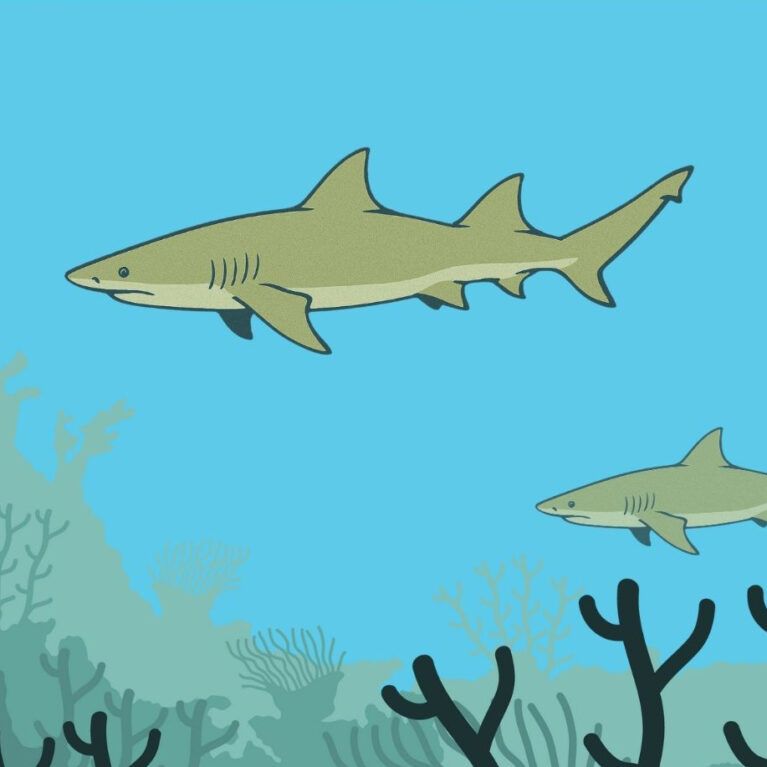
Islands in the sea: understanding connectivity in Brazil’s lemon sharks
PROJECT LEADER Ana Carolyna Diógenes Bezerra
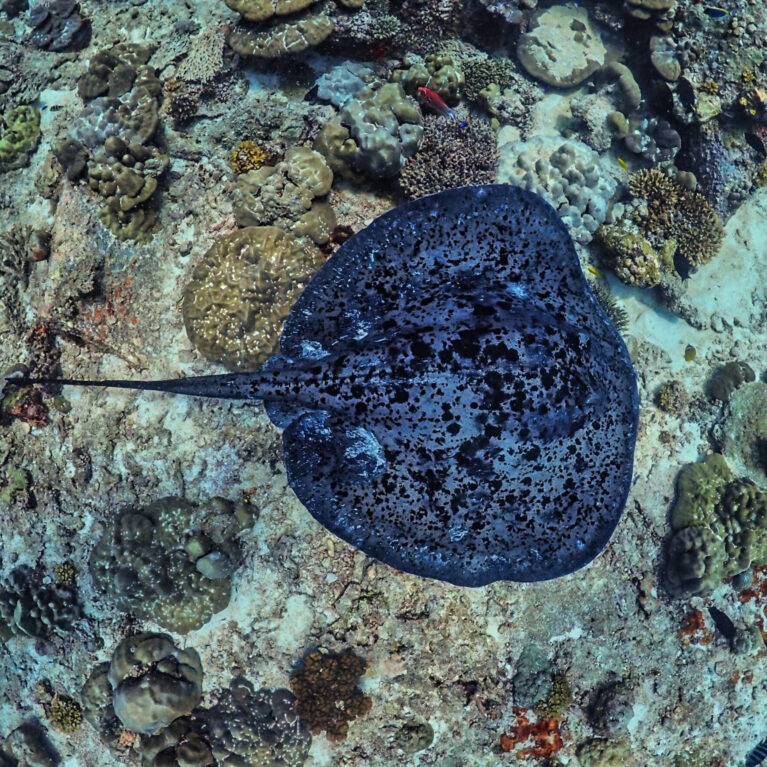
Identifying critical habitat for threatened sharks and rays in the Gulf of Oman
PROJECT LEADER Owen Exeter
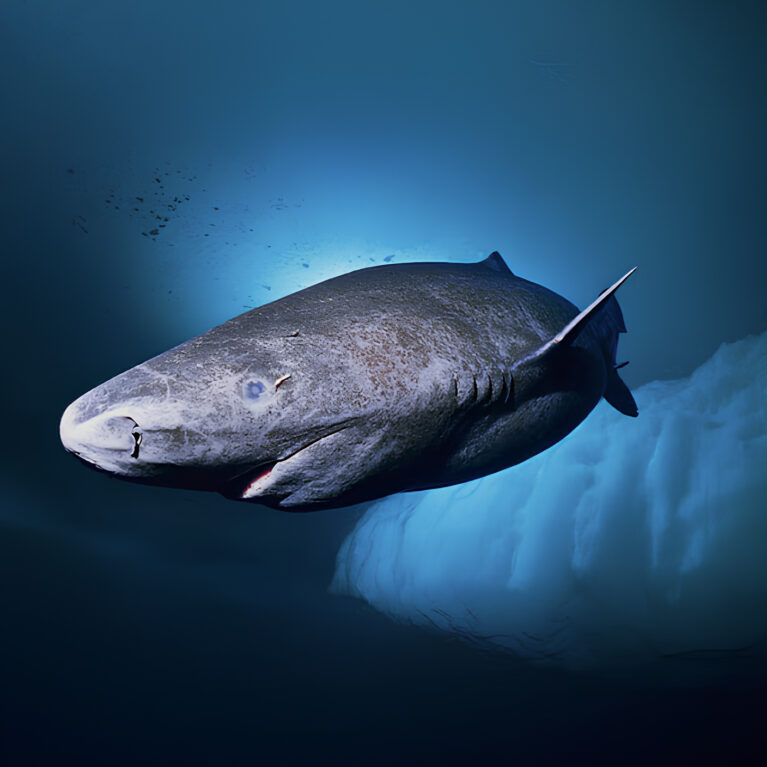
Arctic sentinels: plastic contamination in Arctic sharks and skates
PROJECT LEADER Nicolas Gosset
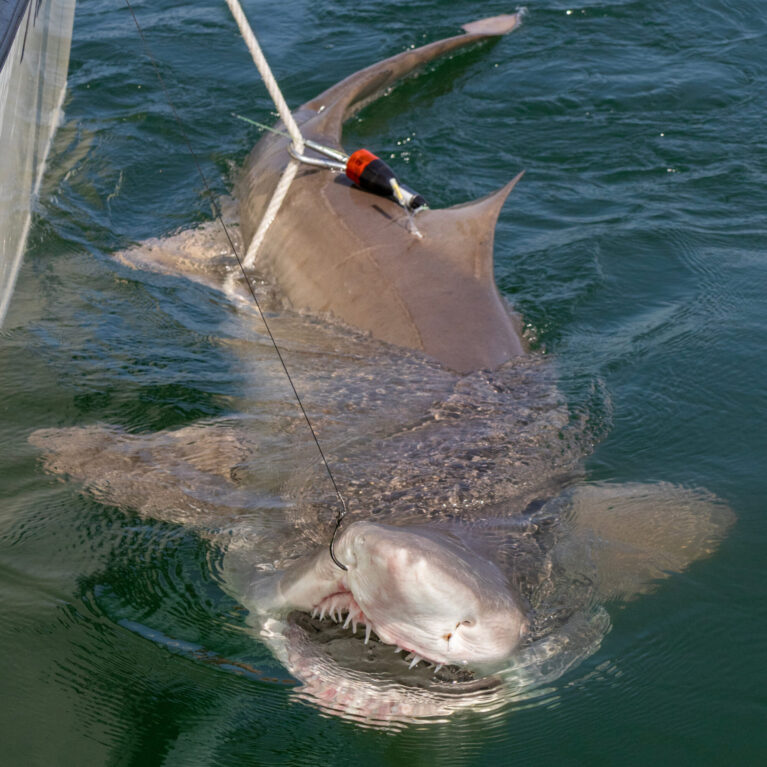
Stress Test: what’s the impact of US recreational fishery capture on prohibited sharks?
PROJECT LEADER Lindsay L. Graff
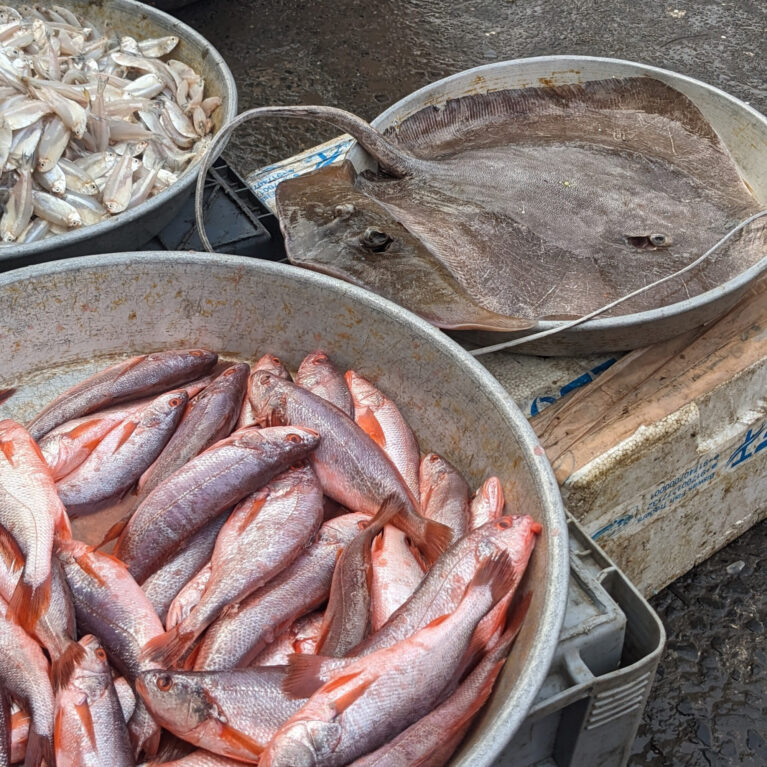
Understanding heavy metals in commercially traded rays in coastal West Bengal
PROJECT LEADER Nidhi Johri
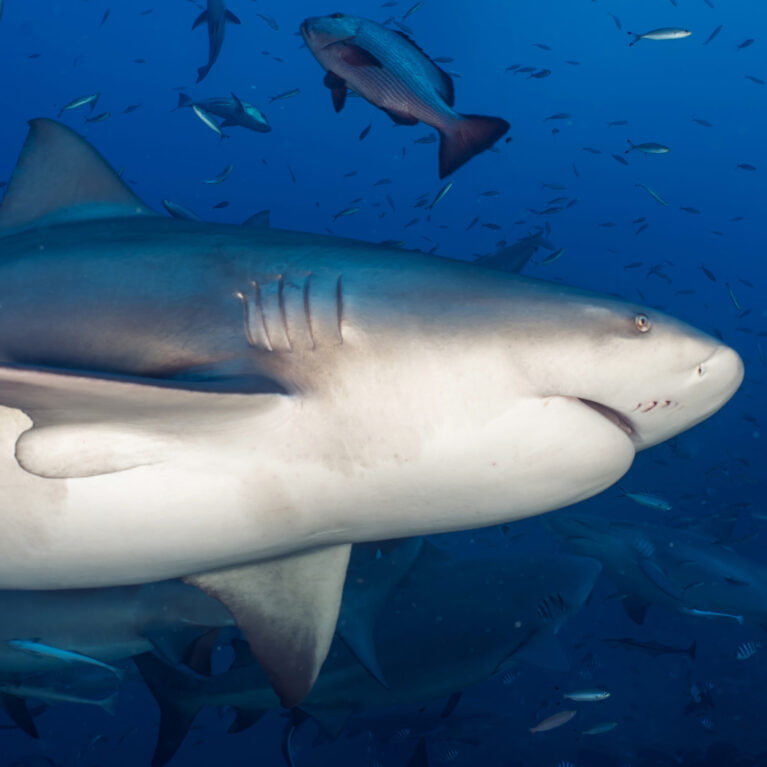
Muddy waters: protecting Fiji’s shark pups
PROJECT LEADER Natasha Marosi
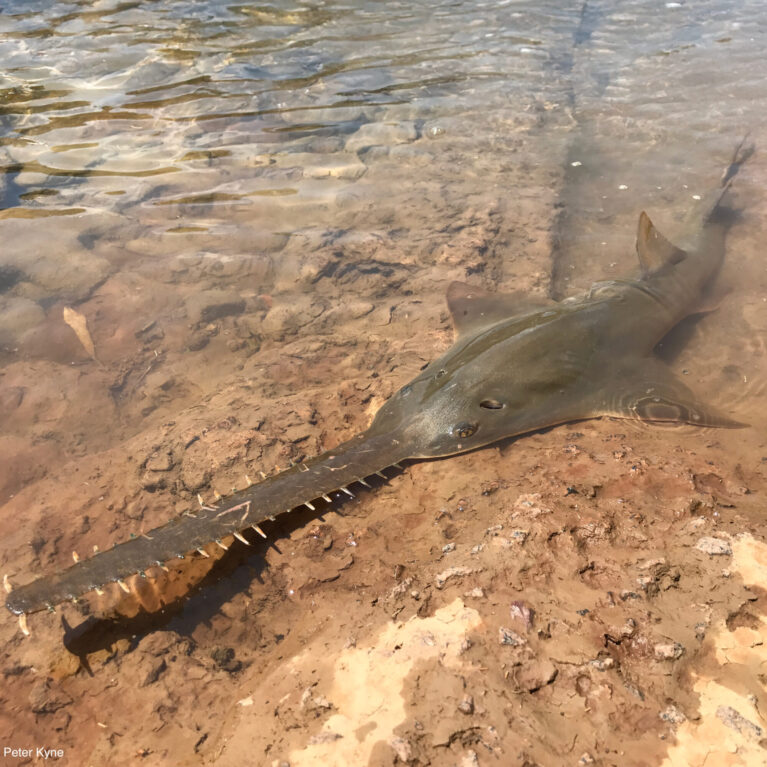
Searching for sawfish in Guinea-Bissau
PROJECT LEADER Kayla McCulloch
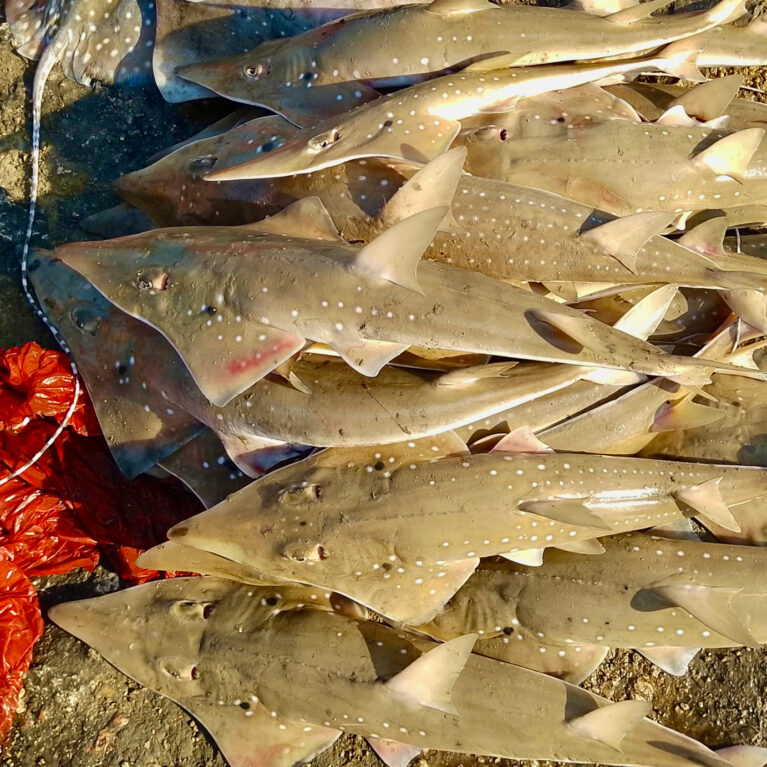
Wedgefish habitat mapping and conservation in Java
PROJECT LEADER Antika Milata Rizka
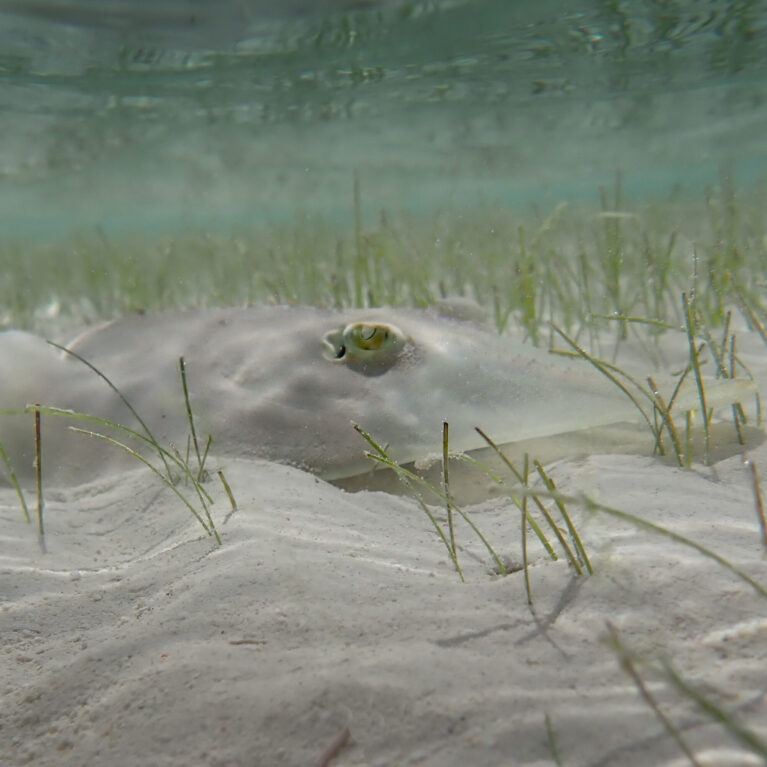
Setting the tempo for Halavi guitarfish behavioural rhythms
PROJECT LEADERS Eloise Richardson, Kaitlyn O’Toole
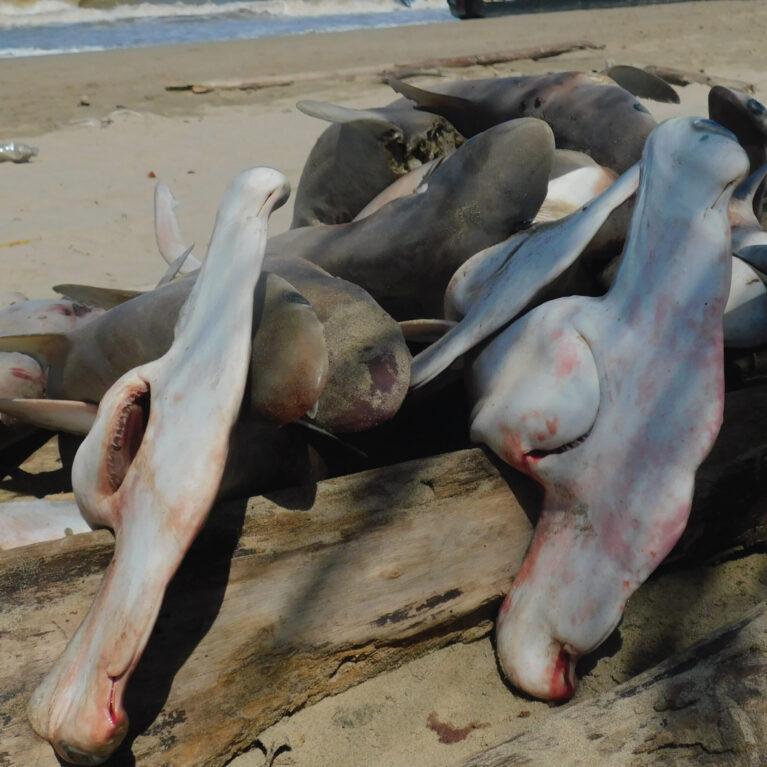
Filling data gaps with fisher-contributed secondary fins in Honduras
PROJECT LEADER Alpha Sevilla
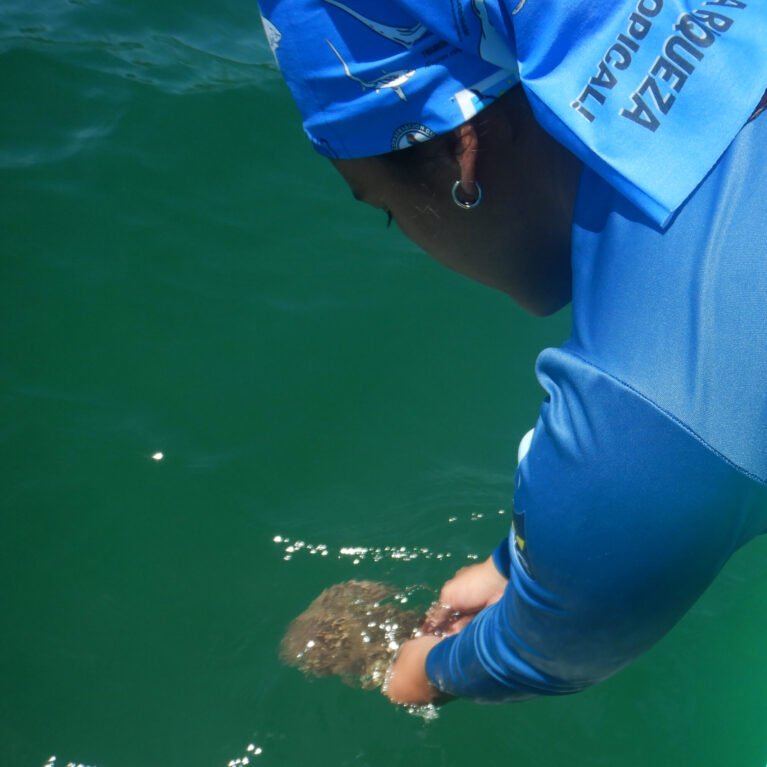
Can upwelling influence how round stingrays share space and time?
PROJECT LEADER Paola Vivian Vásquez
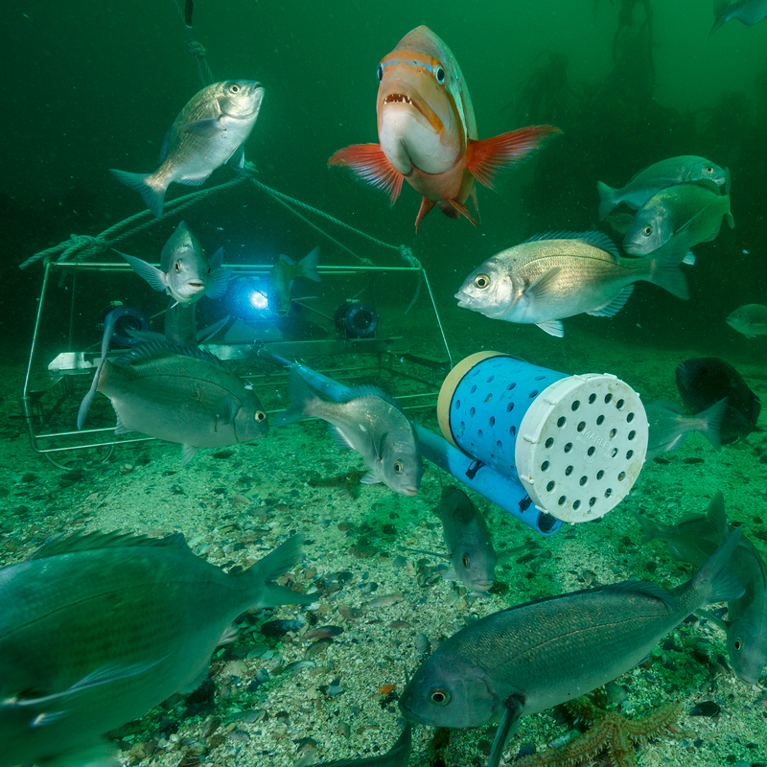
Cameras for conservation in South Africa’s MPAs
PROJECT LEADER Guy Paulet
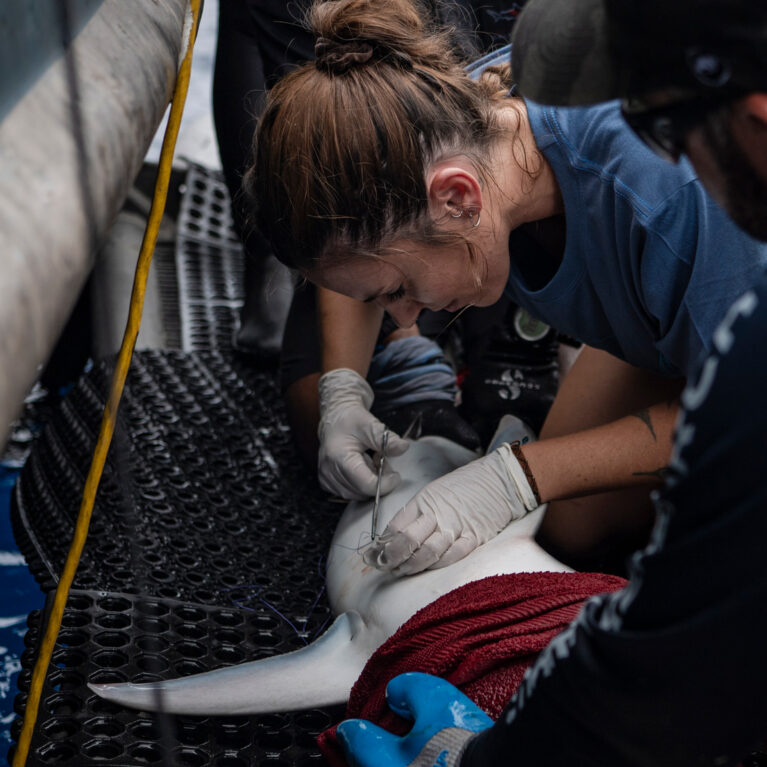
Safe assessments for the Eastern Tropical Pacific’s pregnant silky sharks
PROJECT LEADER Irene Casanova
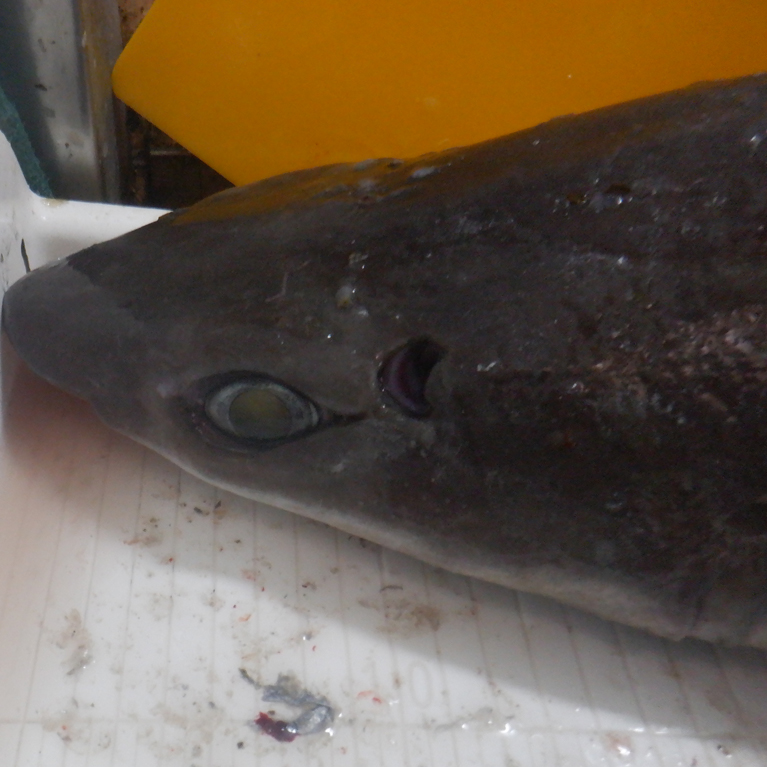
Better shark and ray bycatch management for South Africa’s bottom-trawl hake fishery
PROJECT LEADER Nina Faure Beaulieu
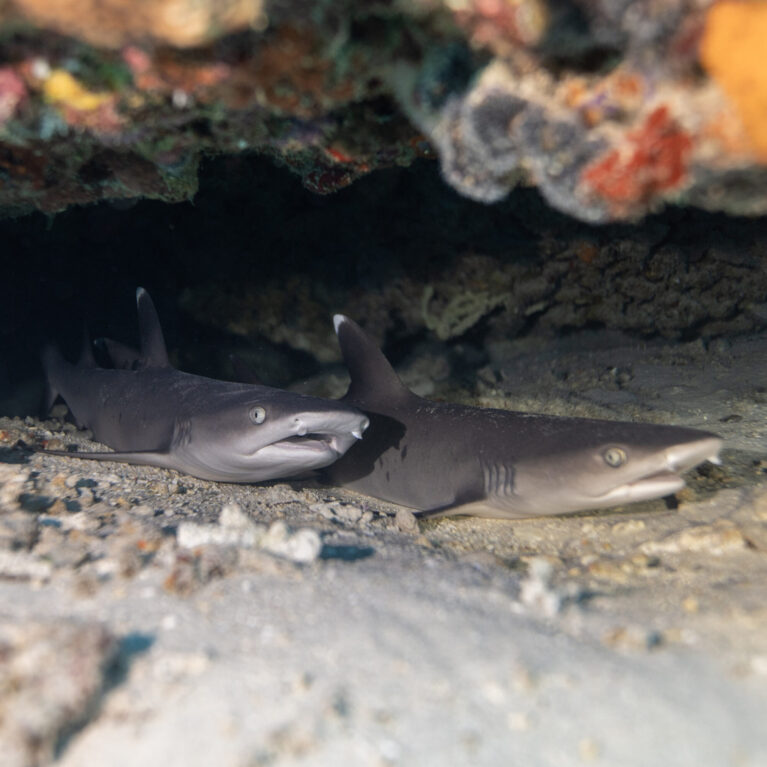
Good or bad guests? Understanding human disturbance in whitetip reef shark resting areas
PROJECT LEADER Britania Hasiholan
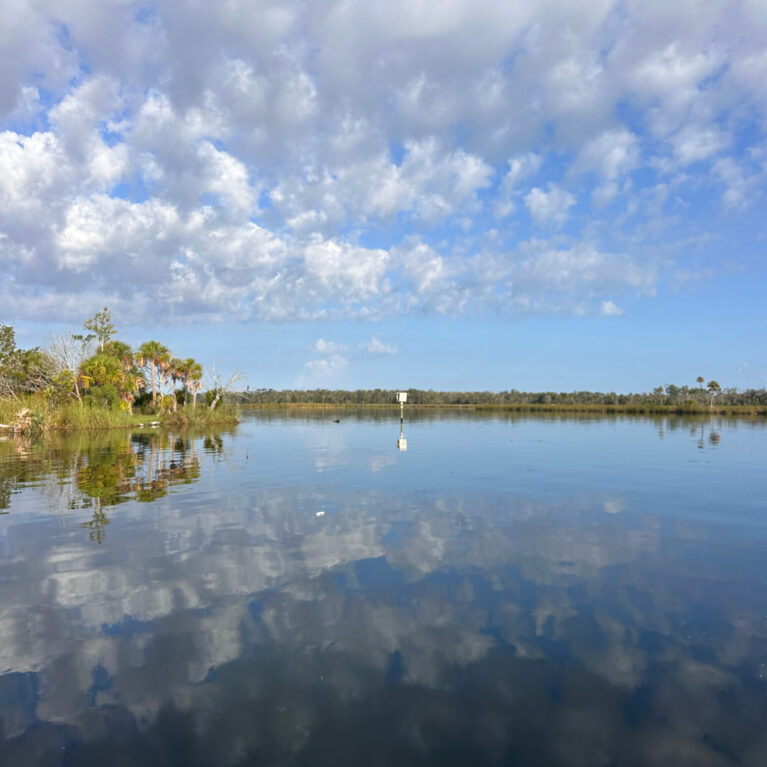
Documenting diet in coastal sharks
PROJECT LEADER Emma Jackson
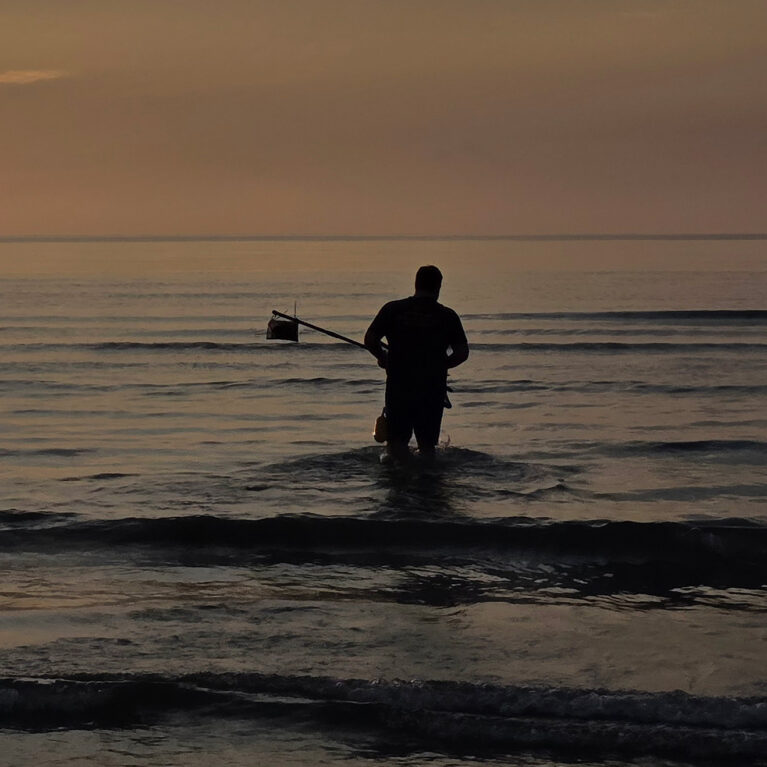
Conserving Malaysian rhino rays with communities, BRUVs and genetics
PROJECT LEADER Amanda Jhu Xhin Leung
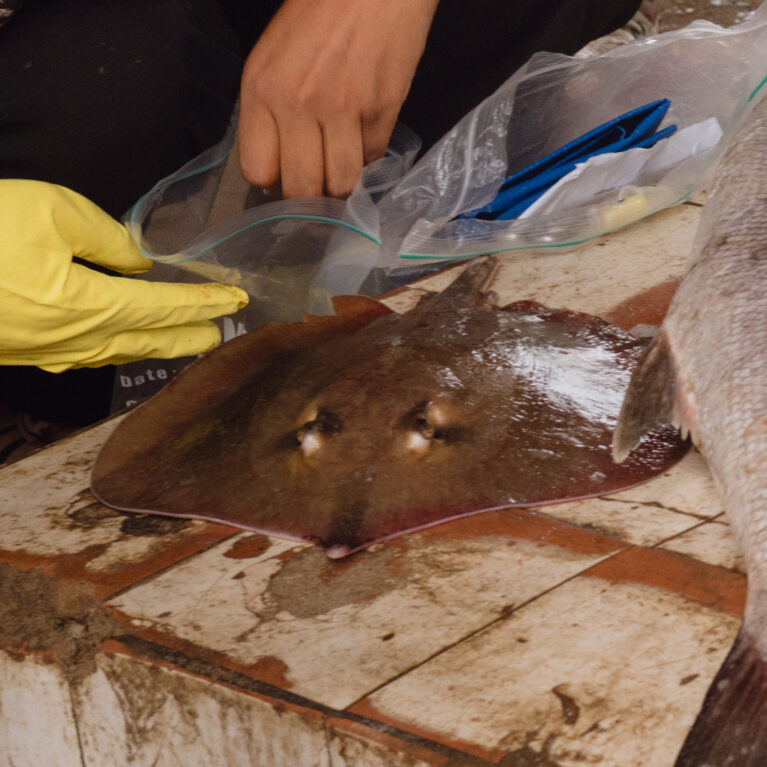
Keep caring for Cameroon’s sharks and rays
PROJECT LEADER Fetra Metiegoum
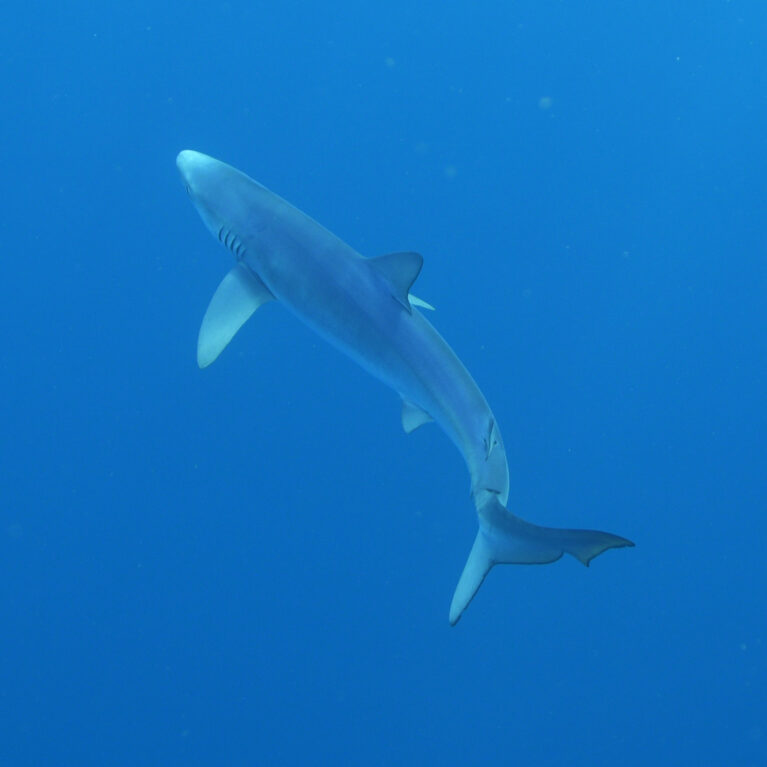
NEOBLUE: Monitoring newborn blue sharks in coastal Galicia
PROJECT LEADER Kenn Papadopoulo
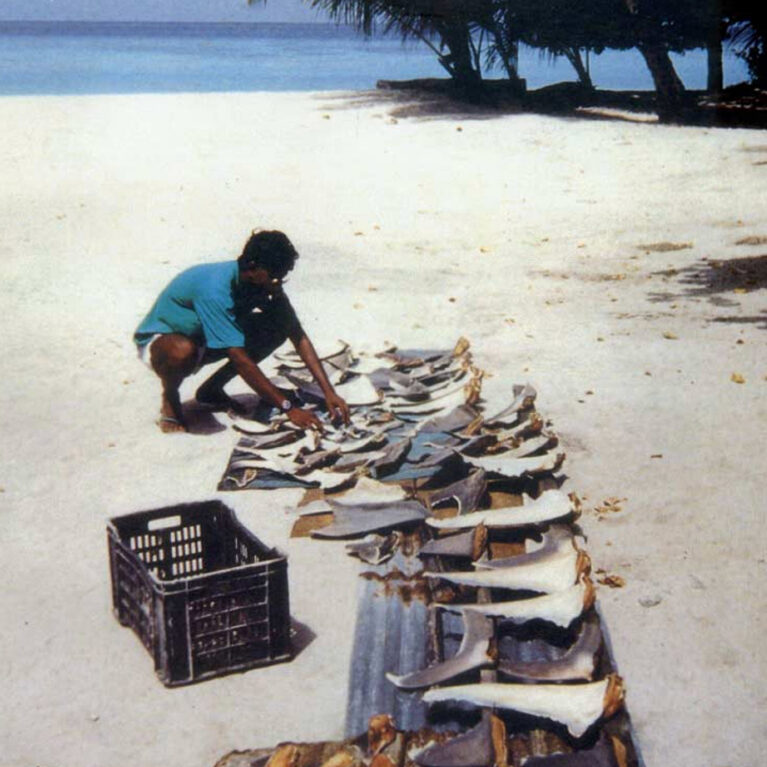
Can gulper sharks recover? Maldives’ national deep-sea monitoring programme
PROJECT LEADER Sara Scroglieri
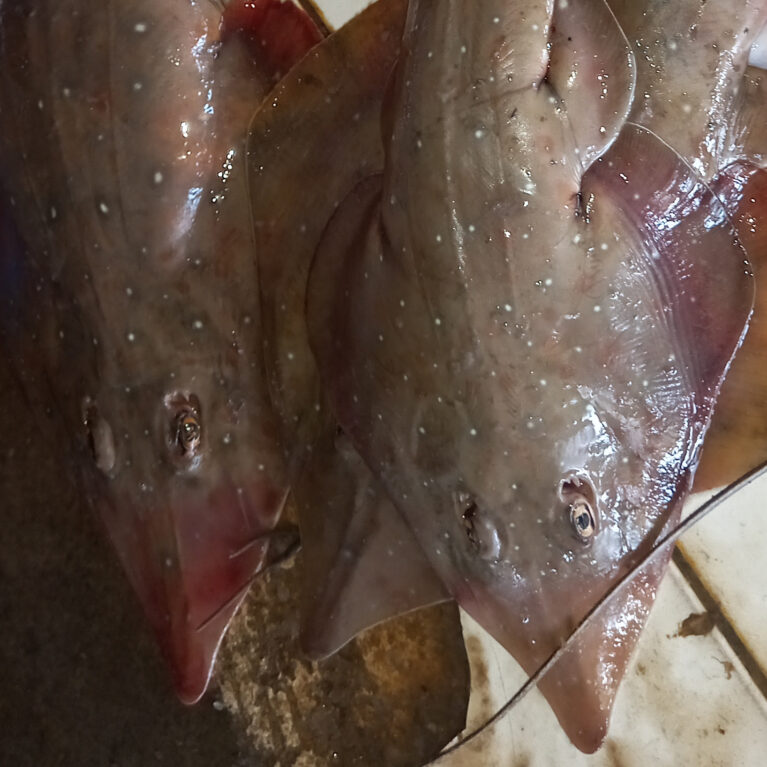
Biomonitoring for conservation: DNA barcoding the African wedgefish
PROJECT LEADER Segun Oladipo
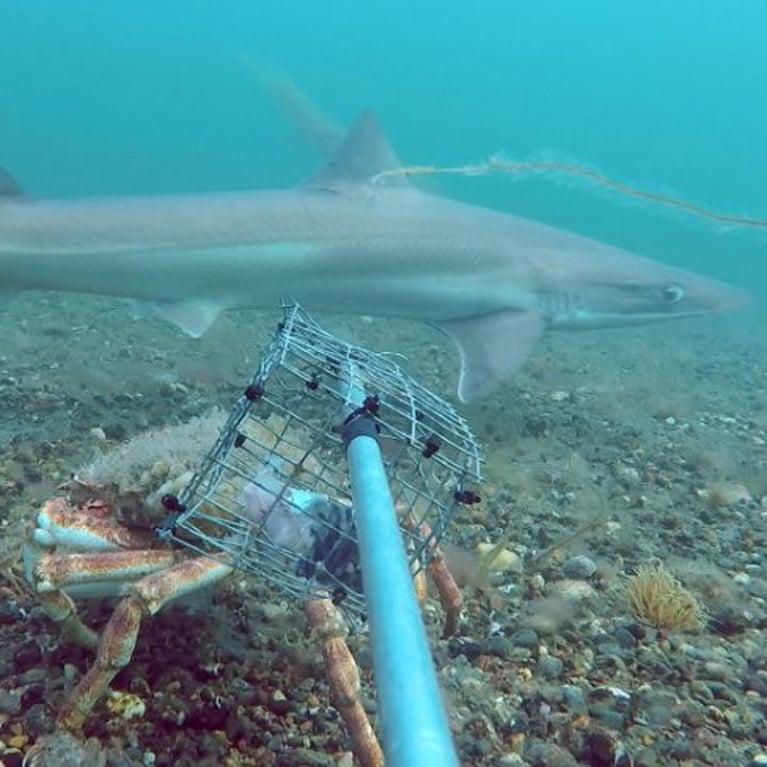
Where do tope sharks mate and pup?
PROJECT LEADER Daniel Montgomery
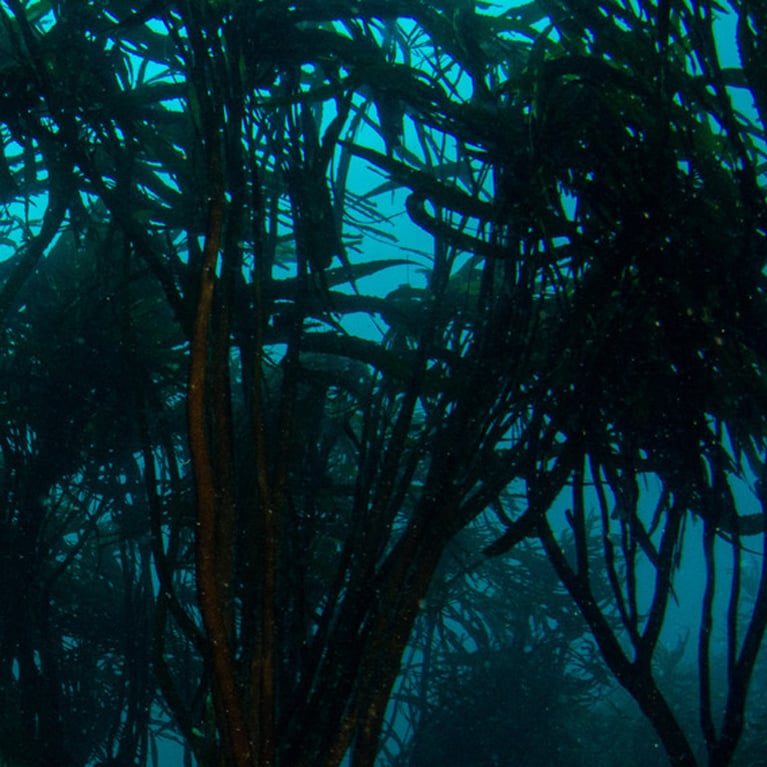
Saving sharks from stranded eggs
PROJECT LEADER Valentina Hevia-Hormazábal
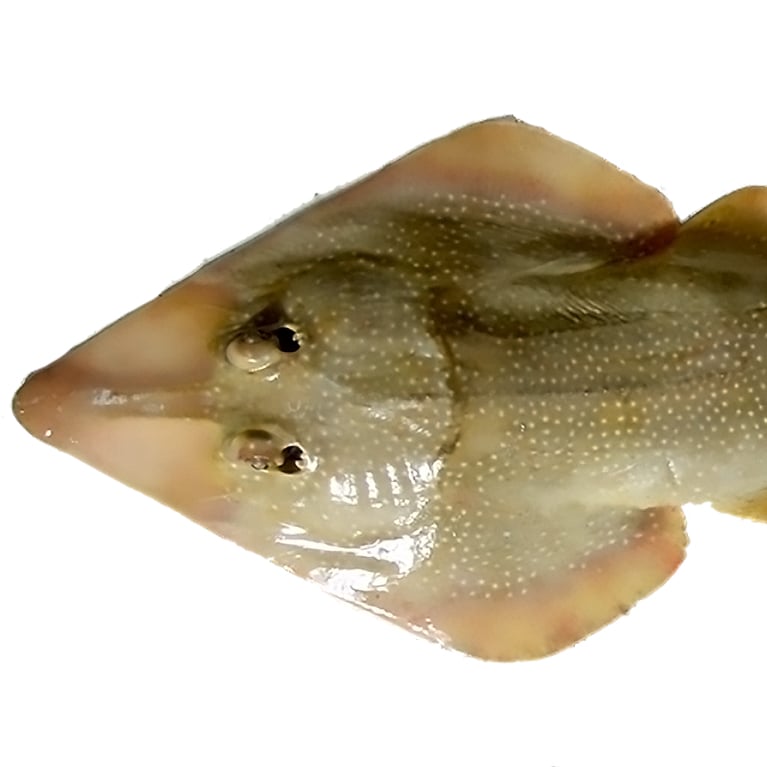
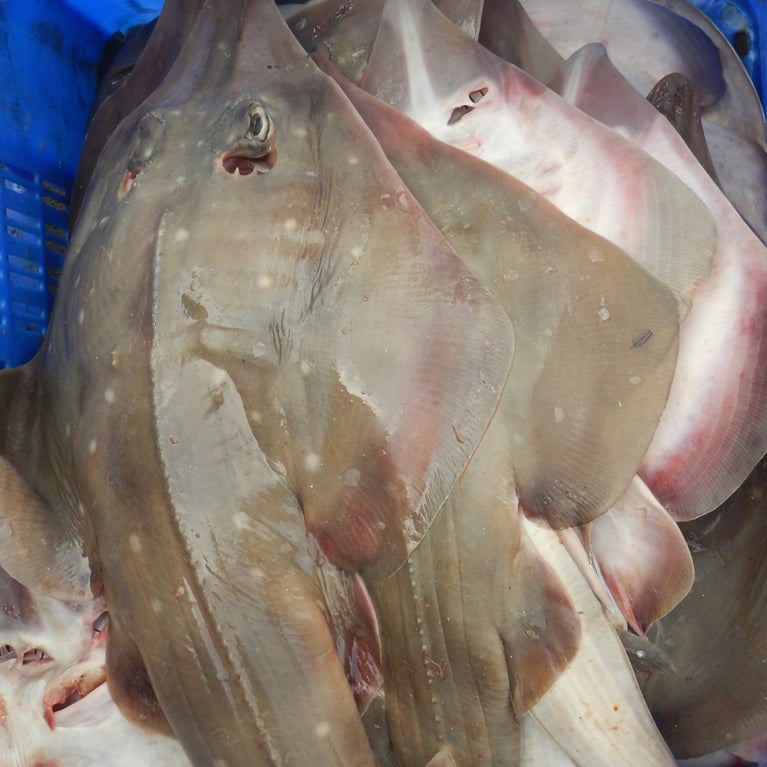
The life and times of the freckled guitarfish
PROJECT LEADERS Alfonsina Romo Curiel, Juan Carlos Pérez Jiménez
MPAs for sharks and rays
PROJECT LEADERS Alifa Bintha Haque, Gawsia Wahidunnessa Chowdhury
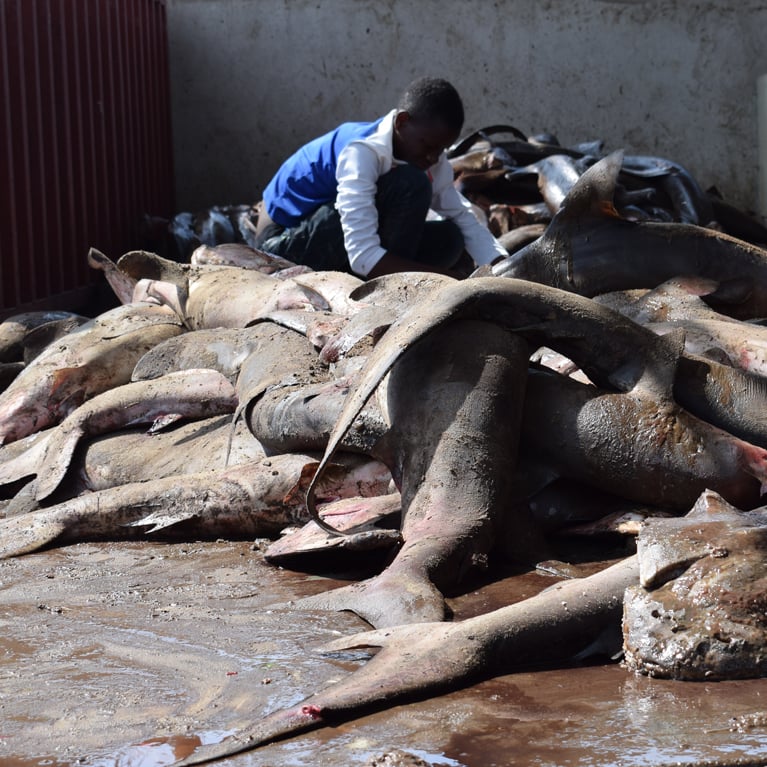
Documenting shark diversity and fisheries in Angola
PROJECT LEADER Ana Lúcia Furtado Soares
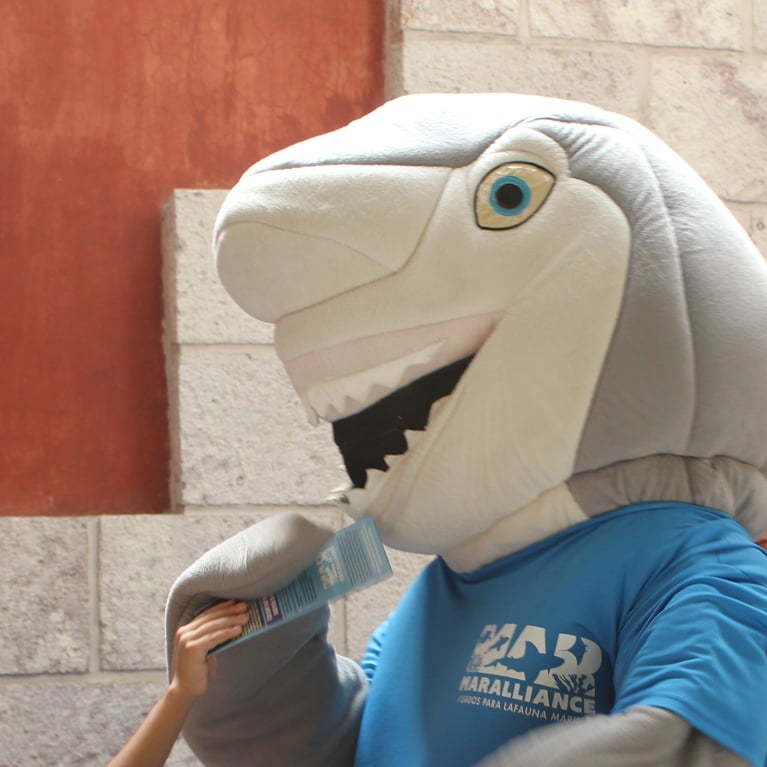
Stewardship for sharks and rays in Central America
PROJECT LEADER Ana Lucía López
Racing to research Tanzania’s rhino rays
PROJECT LEADER Bigeyo Kuboja
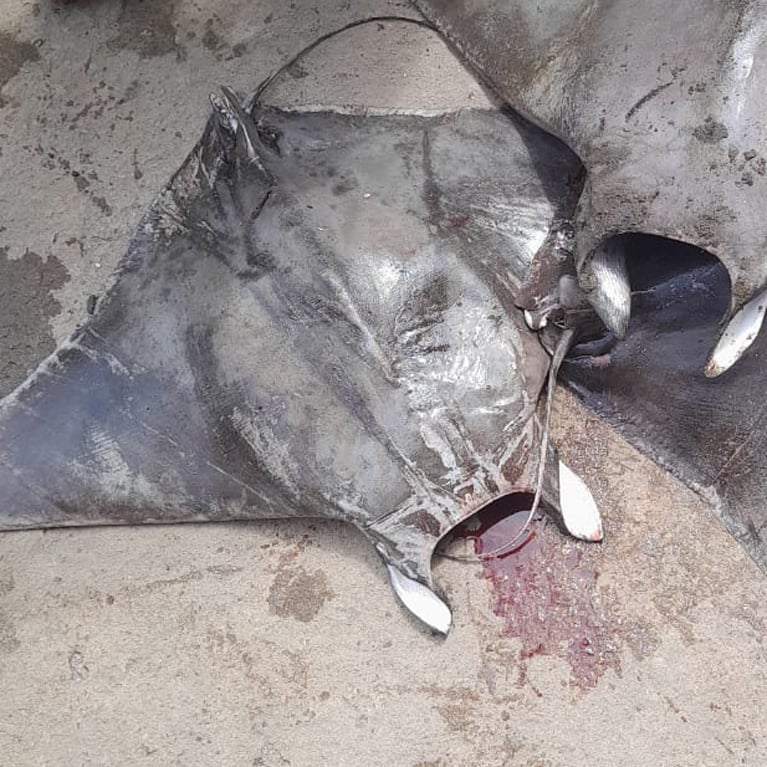
Coordinating citizen science and local ecological knowledge in Kenya
PROJECT LEADER Boaz Kaunda-Arara
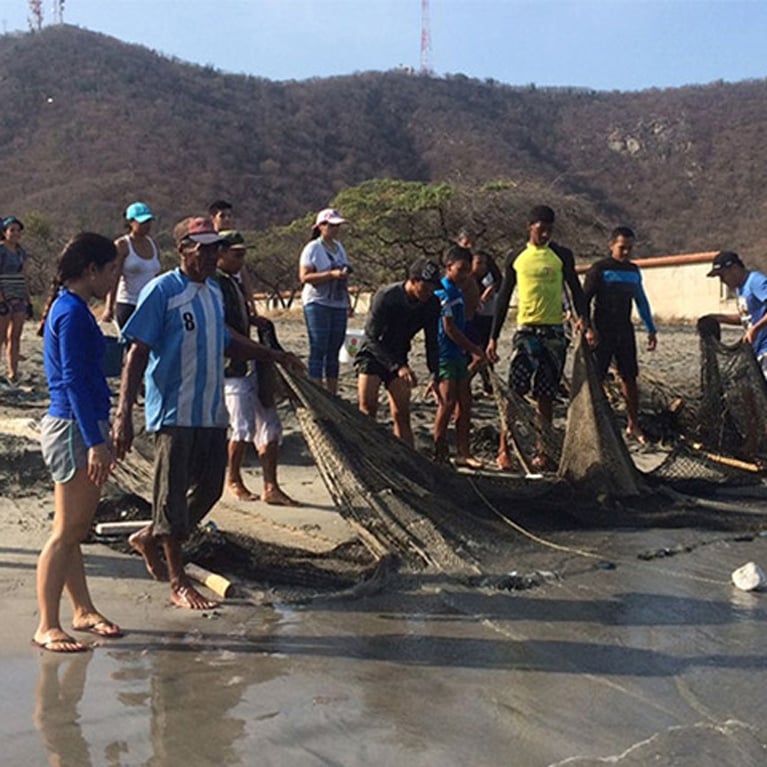
Cutting the bycatch in Colombia’s Caribbean artisanal fisheries
PROJECT LEADER Carlos Polo
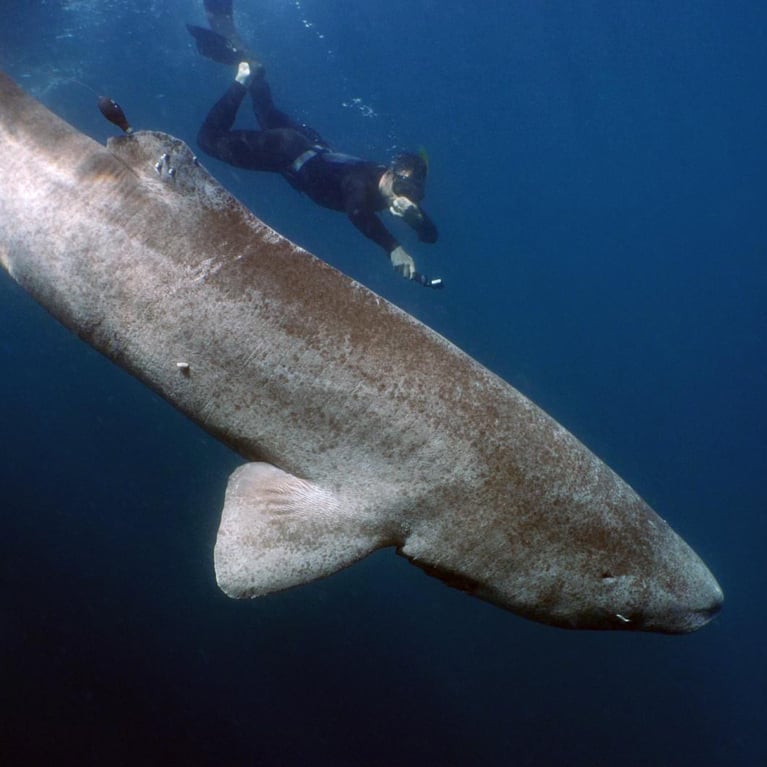
Championing indicator species for deep-sea conservation
PROJECT LEADER Gustav Hellström
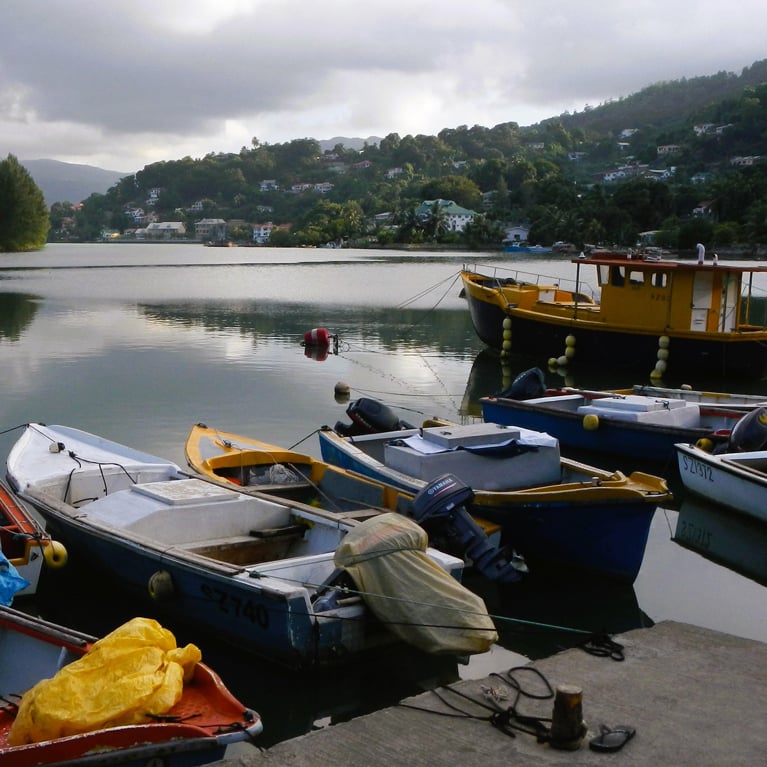
Monitoring the effectiveness of new shark protection laws in Seychelles
PROJECT LEADER John Nevill
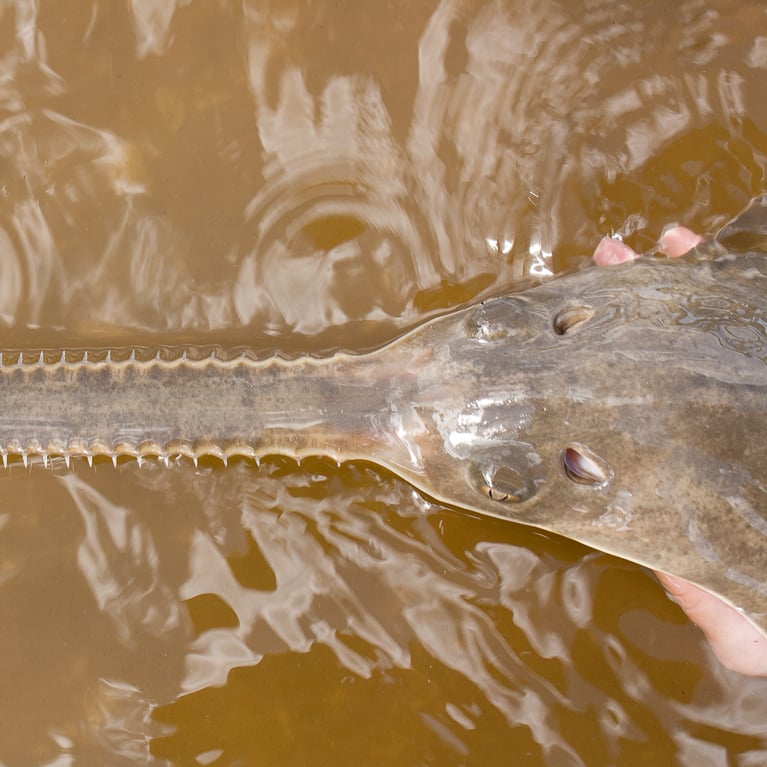
Bio-imaging the brain to save sawfish
PROJECT LEADER Kara Yopak
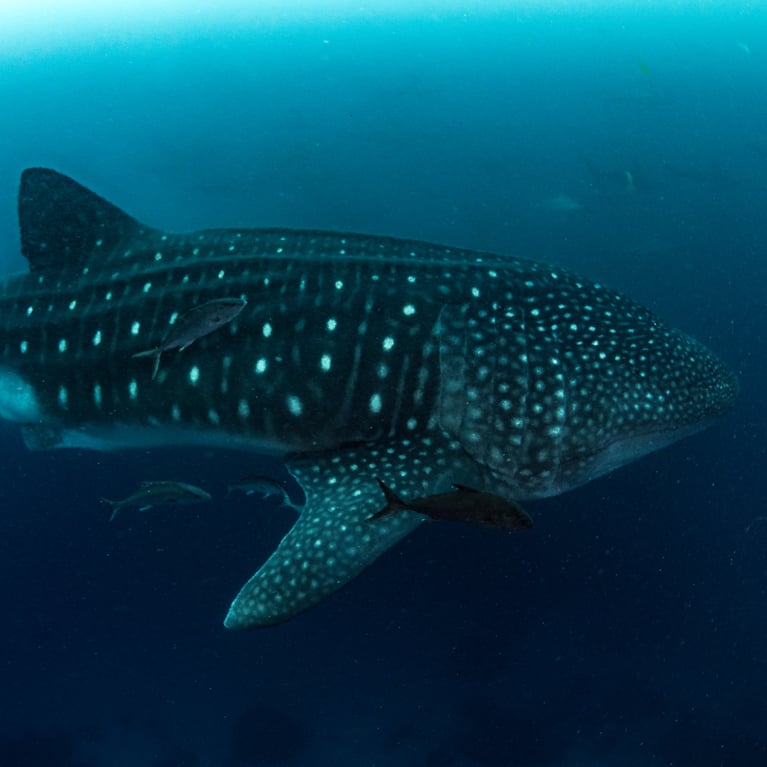
Collision course: predicting whale shark aggregations and migrations off West Africa
PROJECT LEADER Lara Sousa
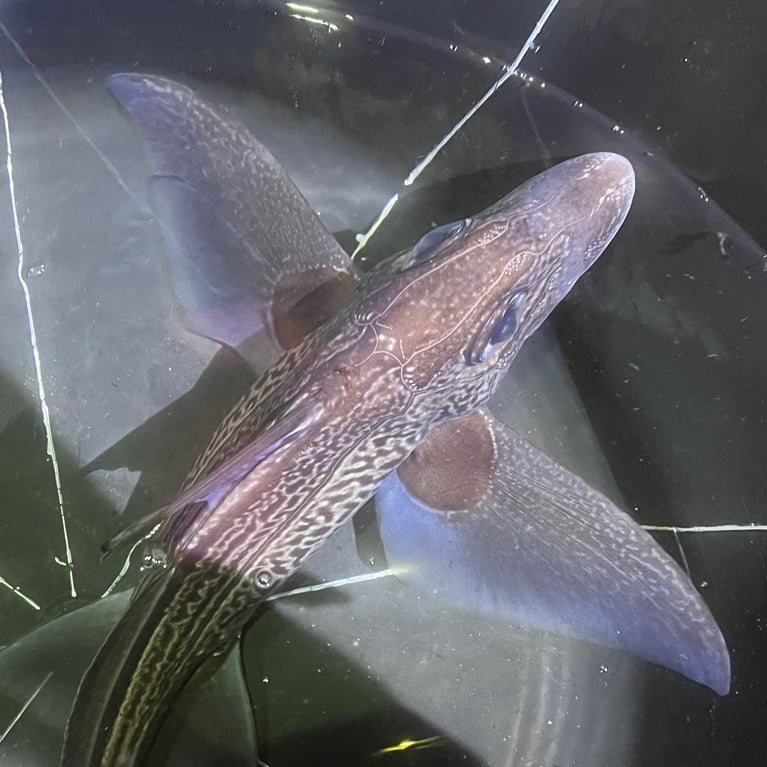
The ghost sharks of western Norway
PROJECT LEADER Lotte Dahlmo
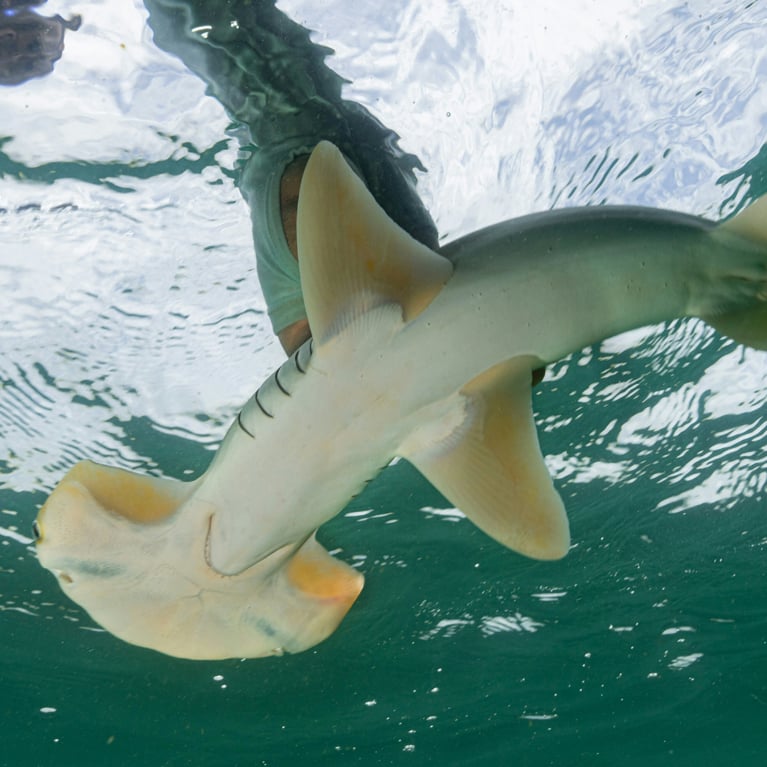
Better protection for scalloped bonnetheads
PROJECT LEADER Maria Alejandra Herrera
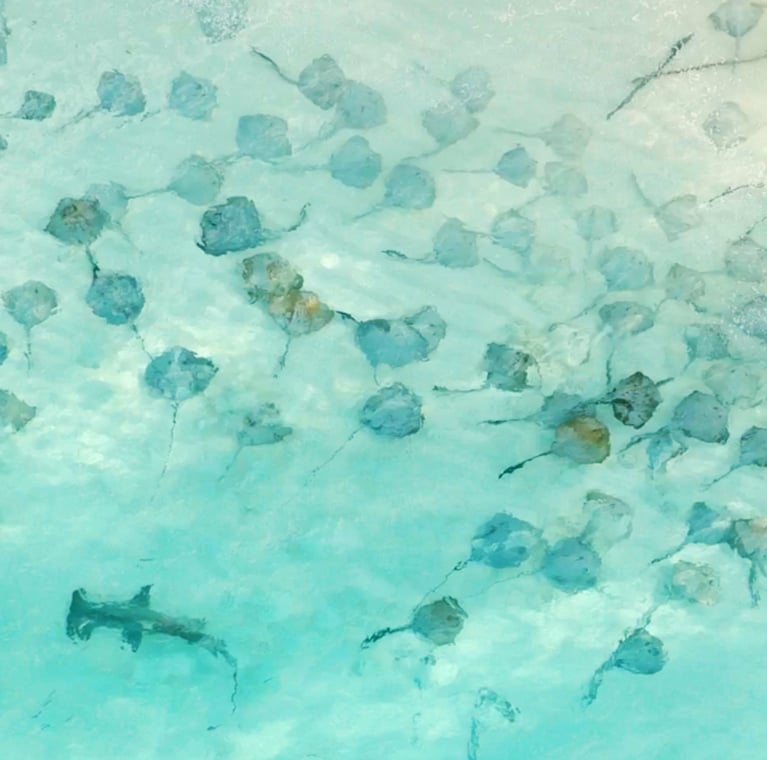
Lifeboats for hammerheads: essential habitats for conservation
PROJECT LEADER Nicolas Lubitz
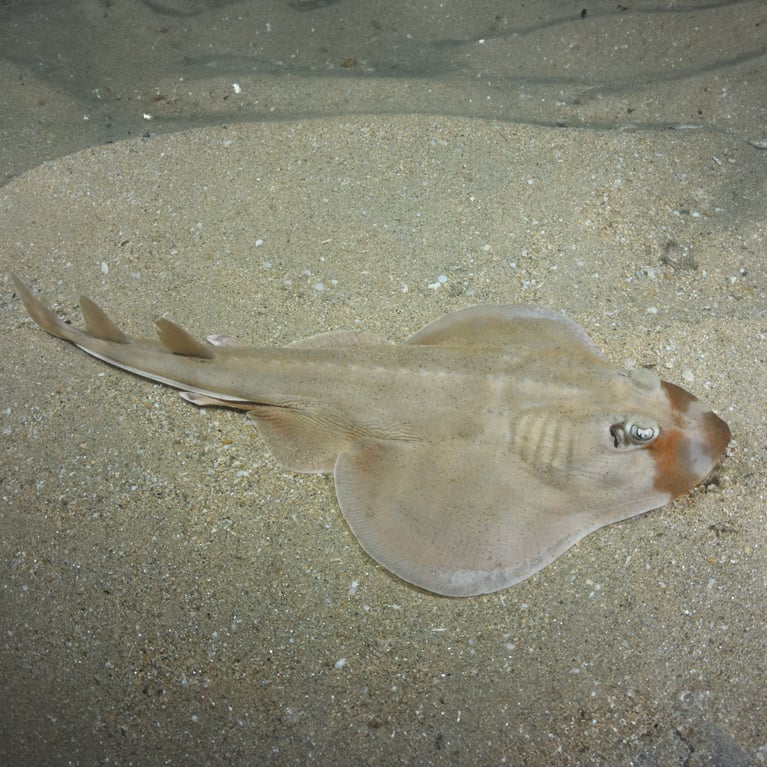
Are sharks outside protected areas adapted to higher stress?
PROJECT LEADER Rodrigo Domingues
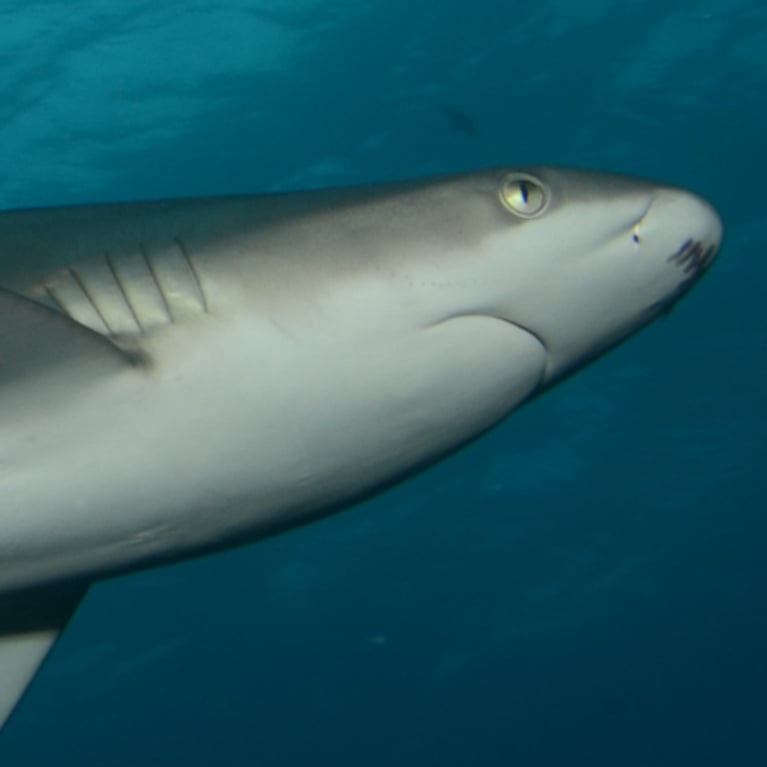
Living alongside the sharks of Ascension Island
PROJECT LEADER Sam Weber
Protecting pregnant and pupping porbeagle sharks
PROJECT LEADER Thomas Horton
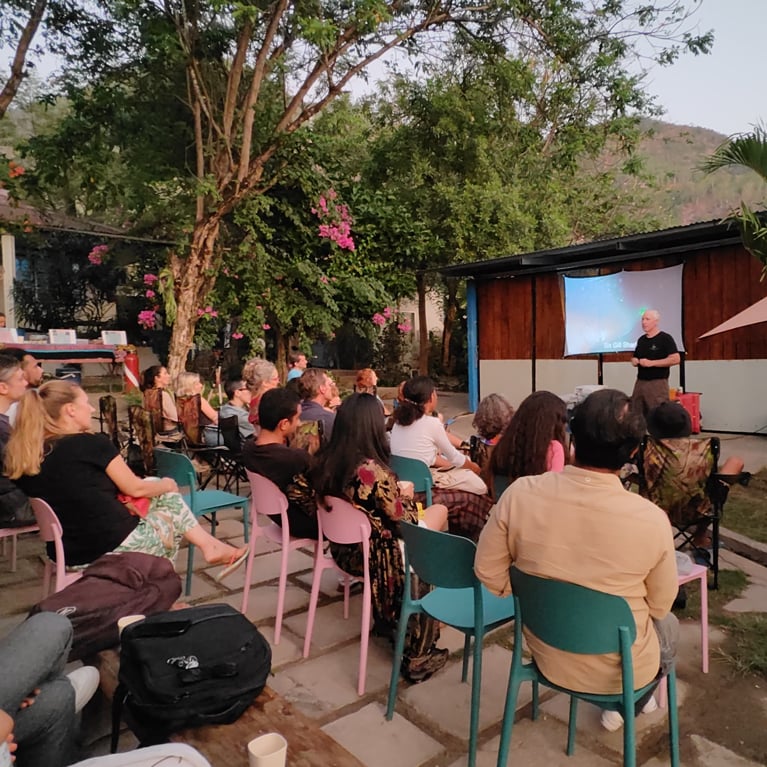
Cataloguing shark life in Timor-Leste’s rich waters
PROJECT LEADER Adriana Gonzalez-Pestana
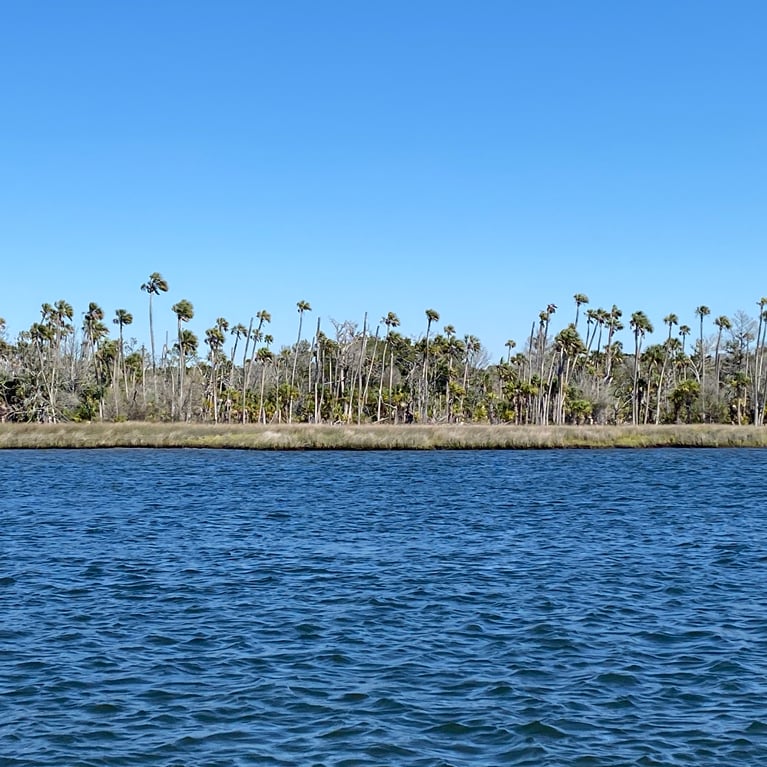
Freshwater nurseries for sharks in a changing world
PROJECT LEADER Alyssa Andres
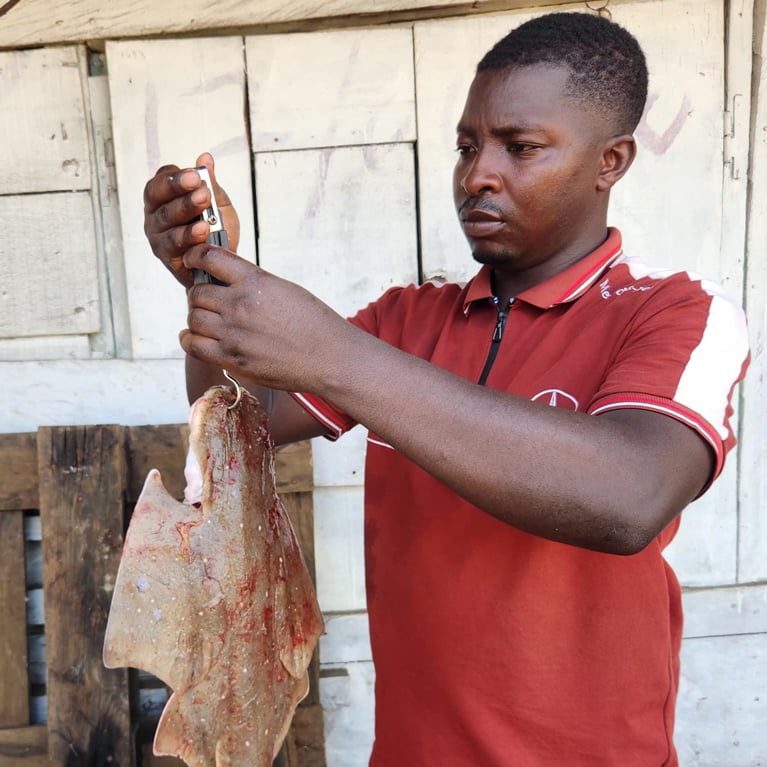
Making fisheries sustainable for scalloped hammerhead sharks in Cameroon
PROJECT LEADER Wongibe Poupezo Dieudonne
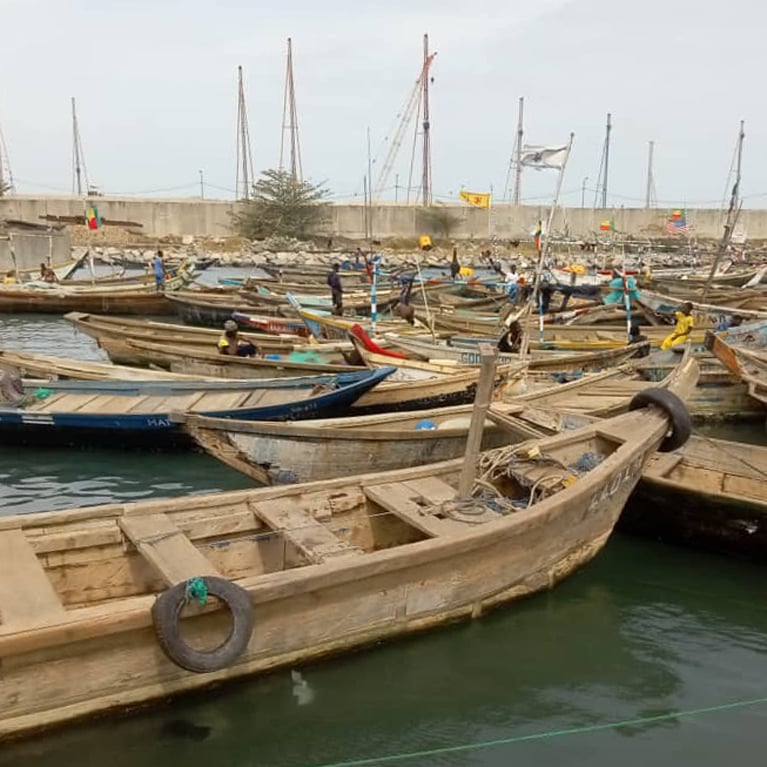
Improving management of scalloped hammerhead shark fisheries in Benin
PROJECT LEADER Edéya Orobiyi Rodrigue Pelebe
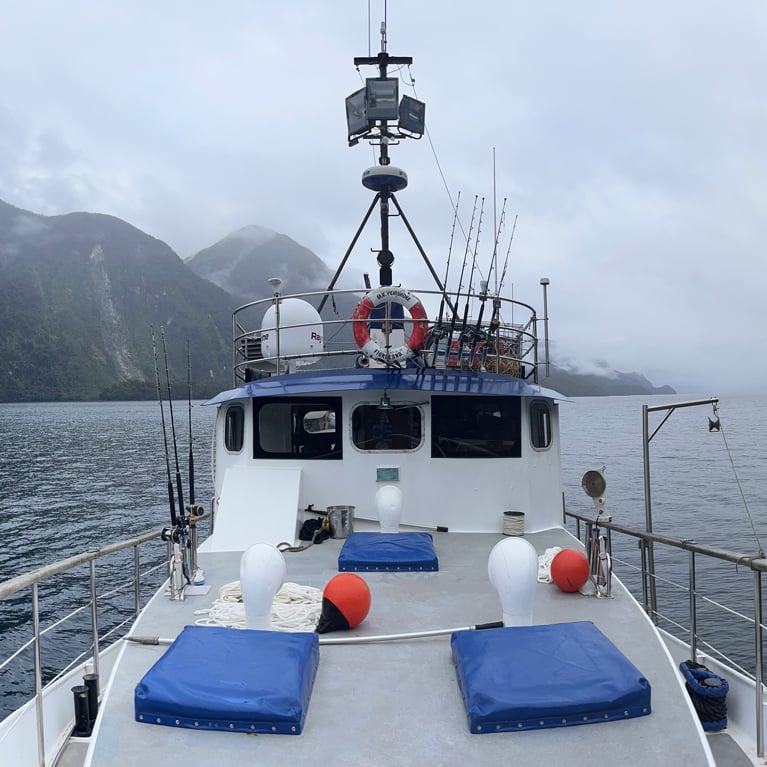
Are Fiordland’s MPAs protecting sharks?
PROJECT LEADER Eva Ramey
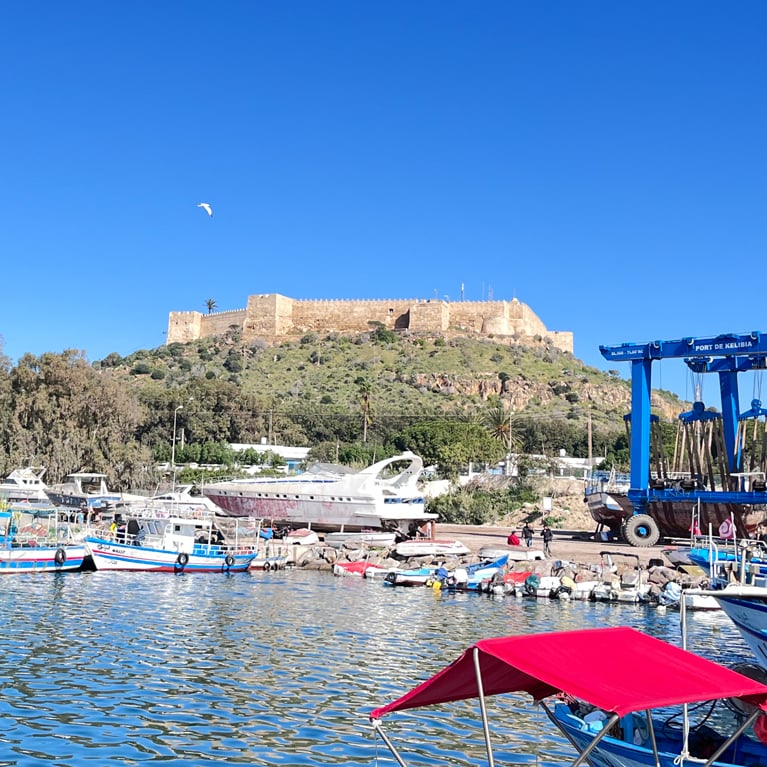
Monitoring and managing bycatch of Tunisia’s shortfin mako sharks
PROJECT LEADER Ichrak Bouzidi
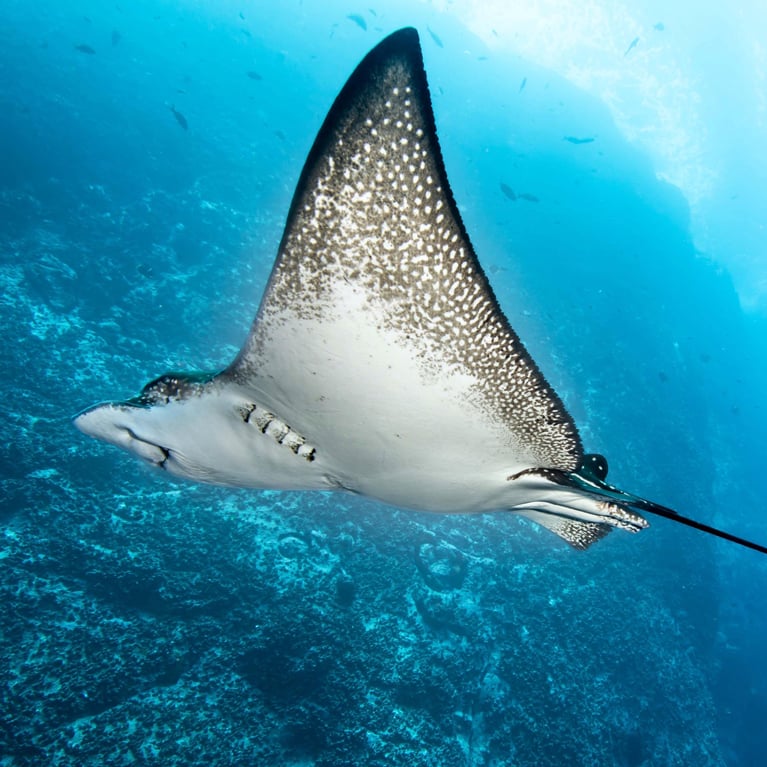
Connecting the dots: population genetics of Pacific spotted eagle-rays
PROJECT LEADER Laura González Gordon
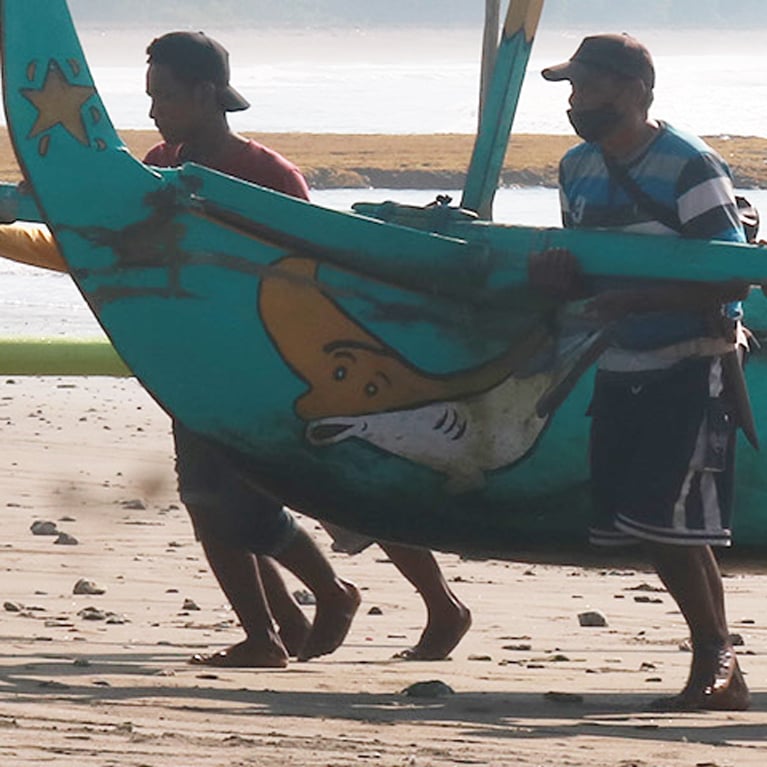
Local solutions to deliver positive outcomes for Lunyuk’s fisheries
PROJECT LEADER M Said Ramdlan
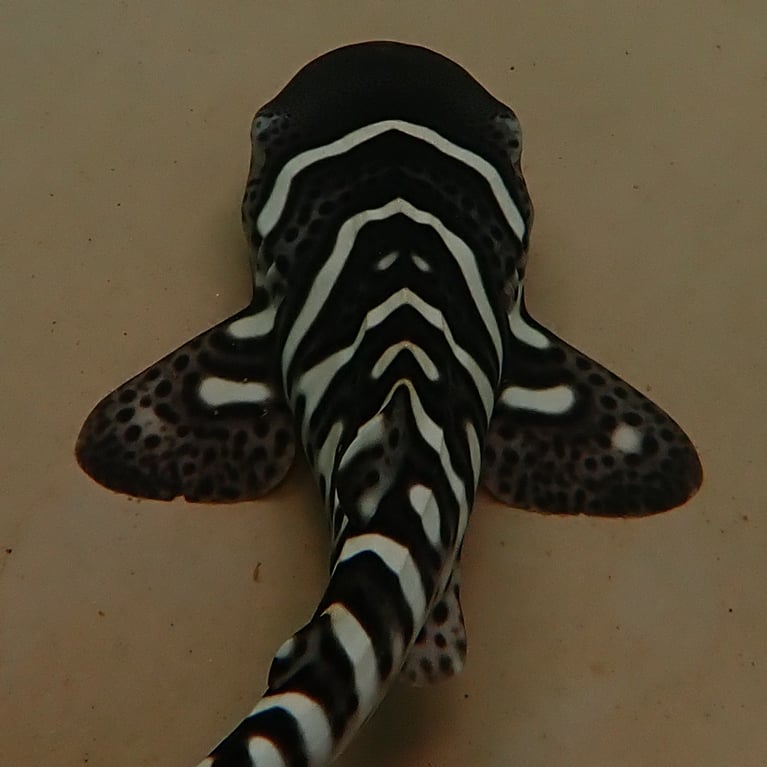
Training shark taggers to build public trust in Thai conservation research
PROJECT LEADER Metavee Chuangcharoendee
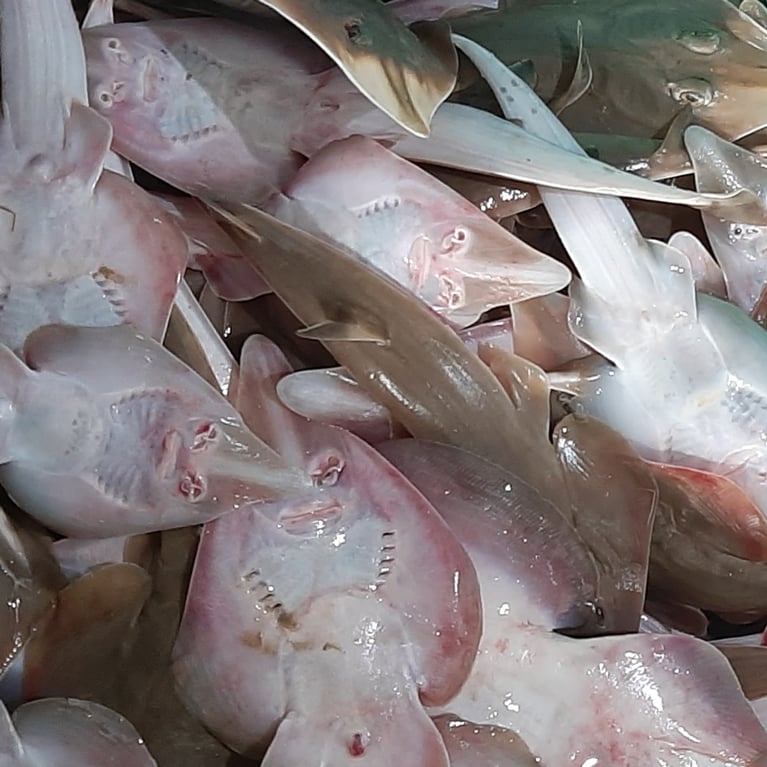
Finding endangered rhino rays in the Malacca Strait
PROJECT LEADER Muhammad Irsyad Pishal
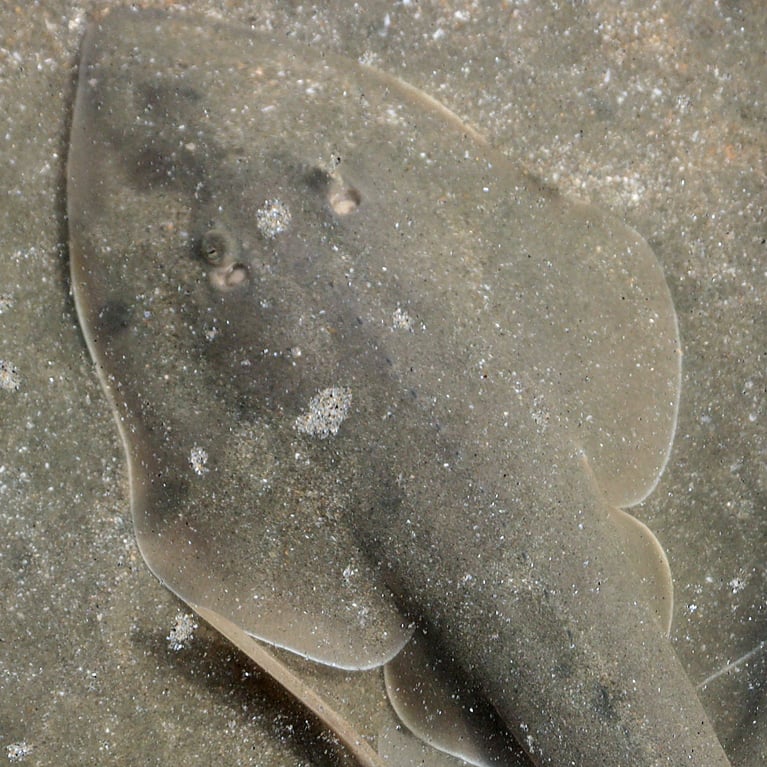
Bringing guitarfish back from the brink in Bangladesh
PROJECT LEADER Nahla Khan
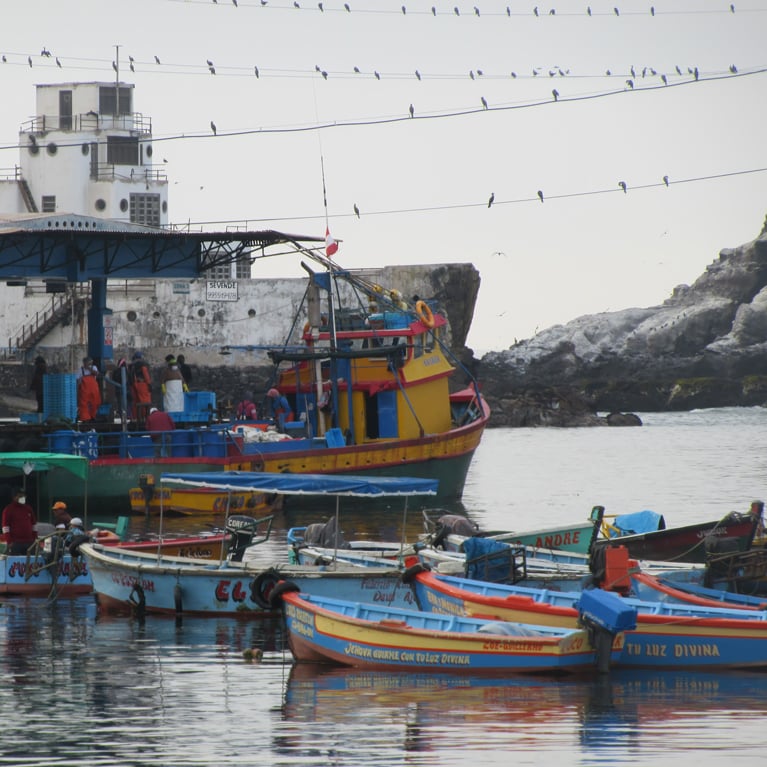
Conserving the Chilean eagle ray
PROJECT LEADER Nelly Giannina Peña Cutimbo
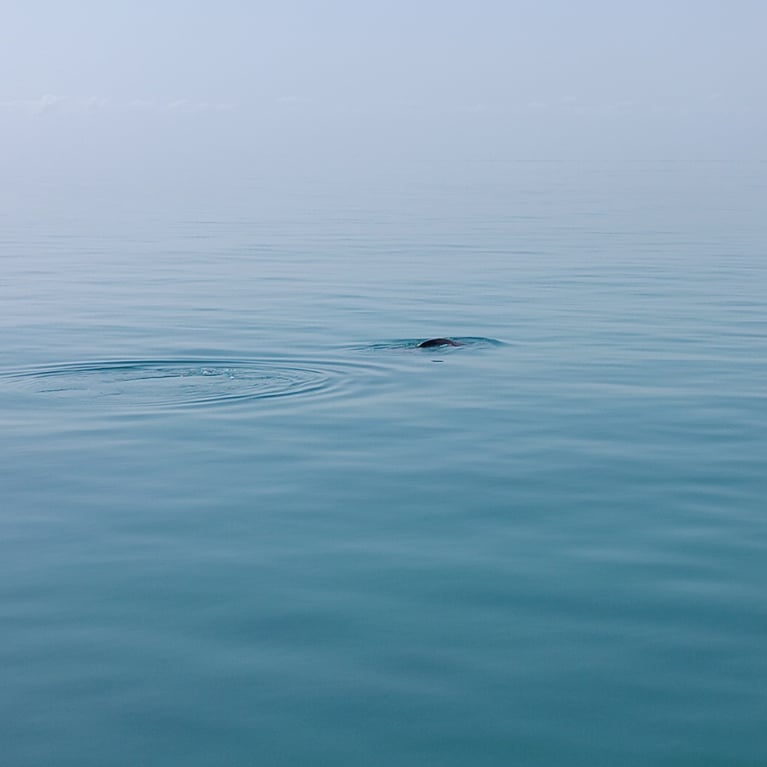
Tiger sharks, dugongs and sea turtles: a triangle of fear in Shark Bay
PROJECT LEADER Olga M. Azevedo
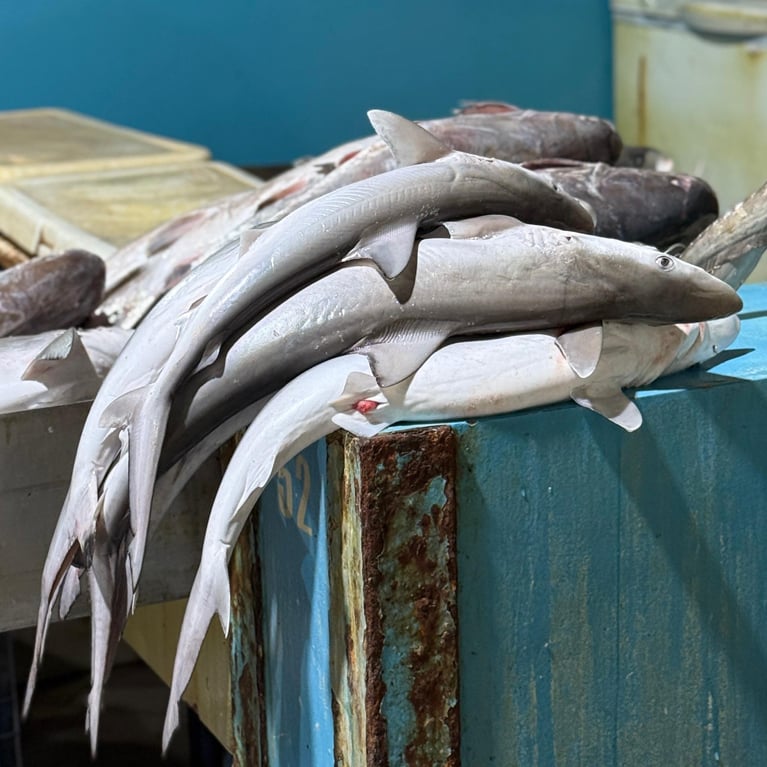
Shark and ray baselines using eDNA in Bahrain
PROJECT LEADER Reem AlMealla
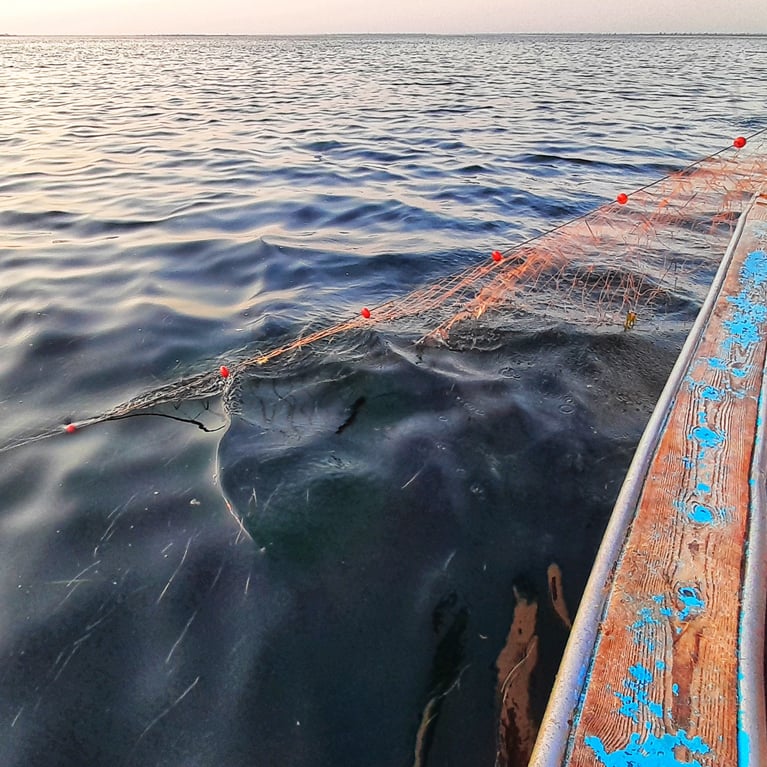
Where are sharks and rays gathering in the Gulf of Gabès?
PROJECT LEADER Rihab Louhichi
Distinguishing the genetic diversity of spotted eagle ray species
PROJECT LEADER Stephen Bergacker
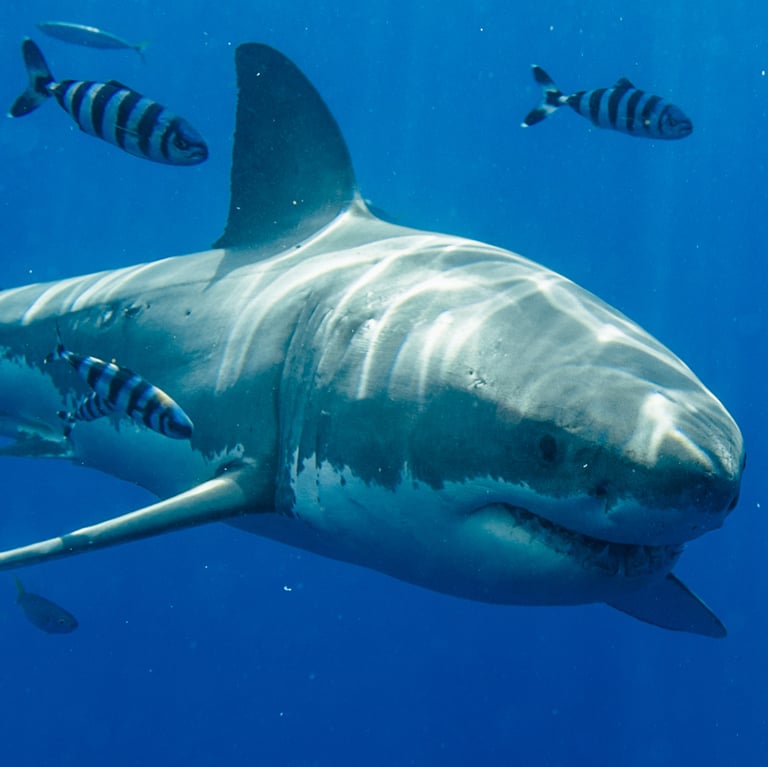
The X, Y and white sharks; capturing chromosome information
PROJECT LEADER Szu-Hsuan Lee
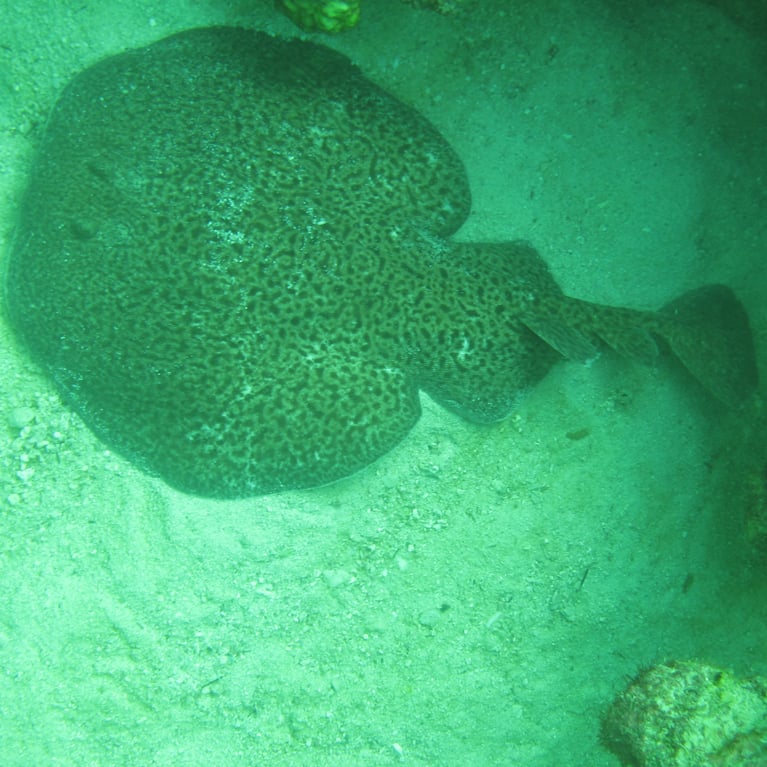
Our changing oceans, and the changing lives of coastal sharks
PROJECT LEADER Mohsen Rezaie-Atagholipour
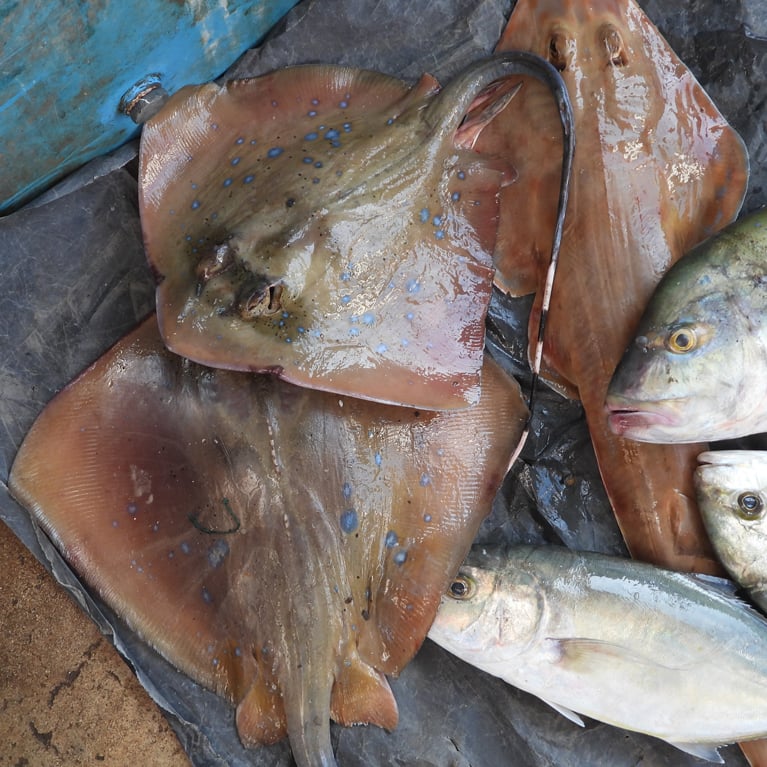
The value of eDNA in avoiding shark and ray extinctions in Sri Lanka
PROJECT LEADER Nimna Wickramasingha
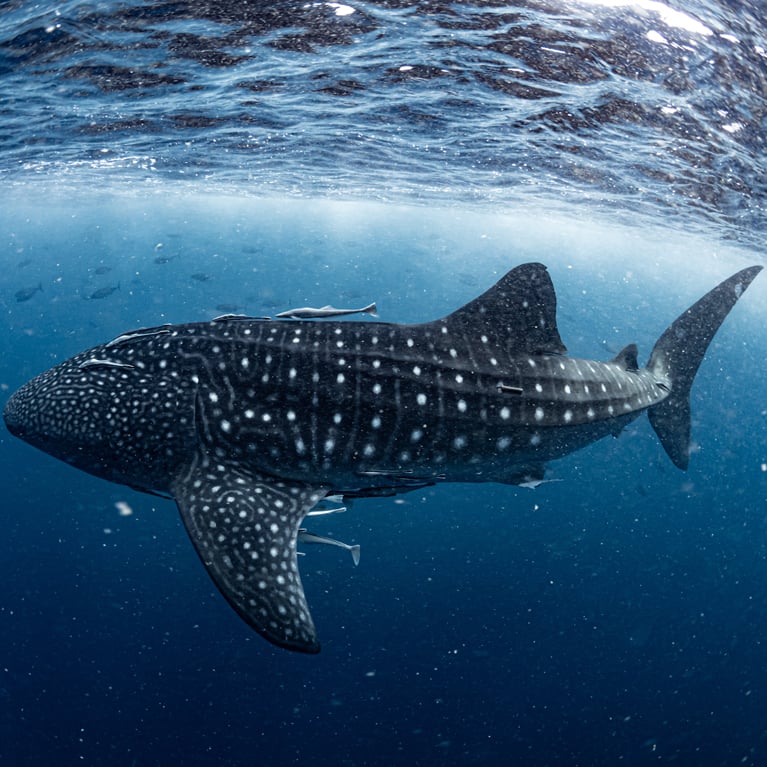
Tracking whale sharks to protect their habitat in Madagascar
PROJECT LEADER Stella Diamant
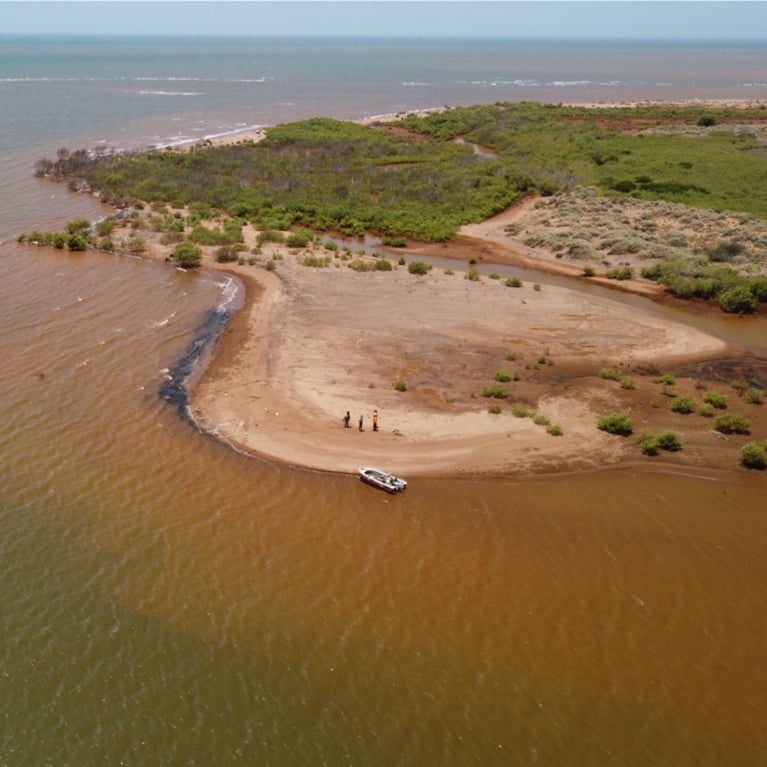
Kinship in the Kimberley: the genetics of dwarf and green sawfish
PROJECT LEADER Jack Ingelbrecht
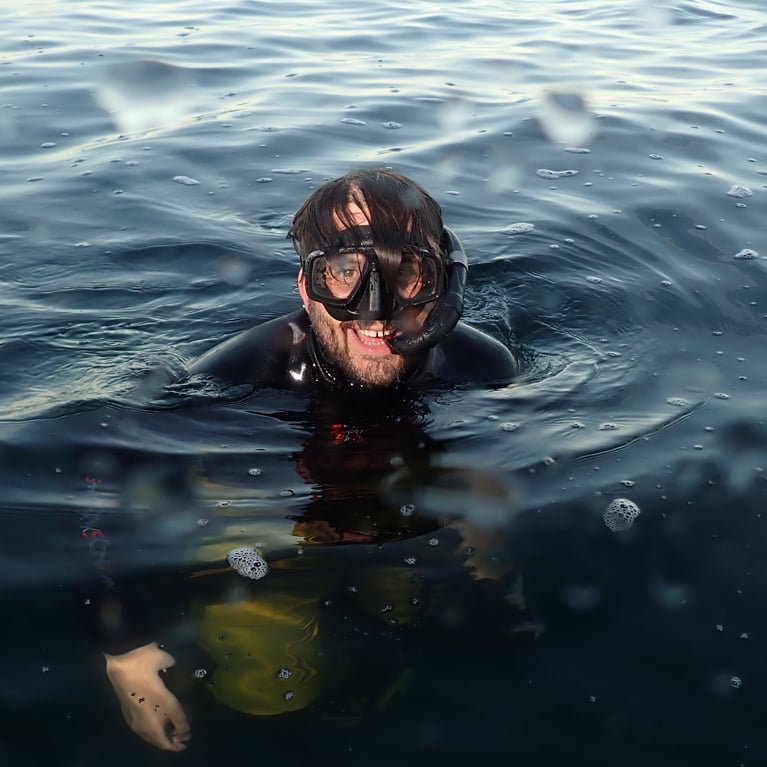
Future-proofing a Swedish shark conservation success story
PROJECT LEADER Petter Lundberg
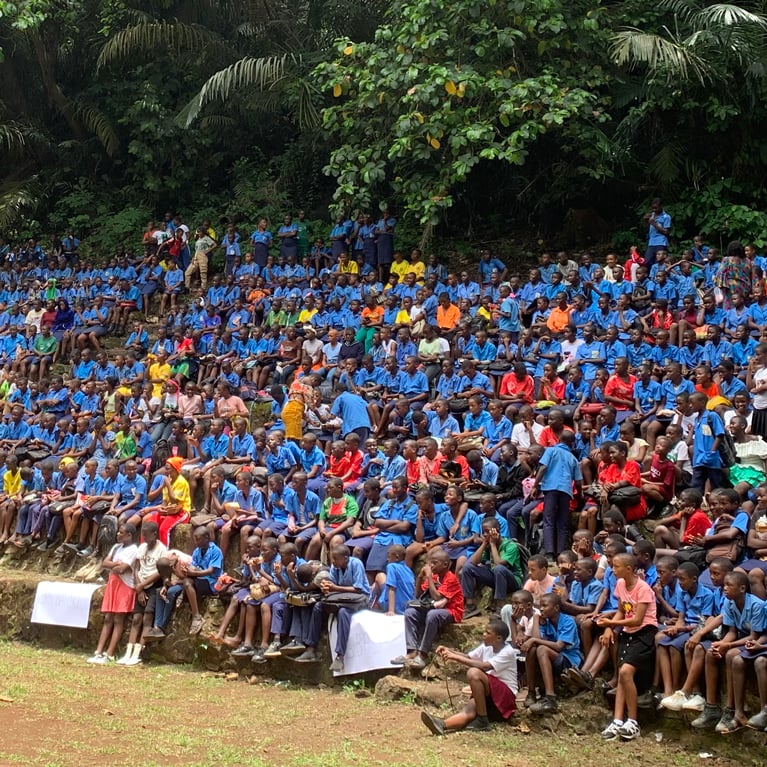
Sharks come to life in cartoons in Cameroon
PROJECT LEADER Cyndi Karel Ngnah
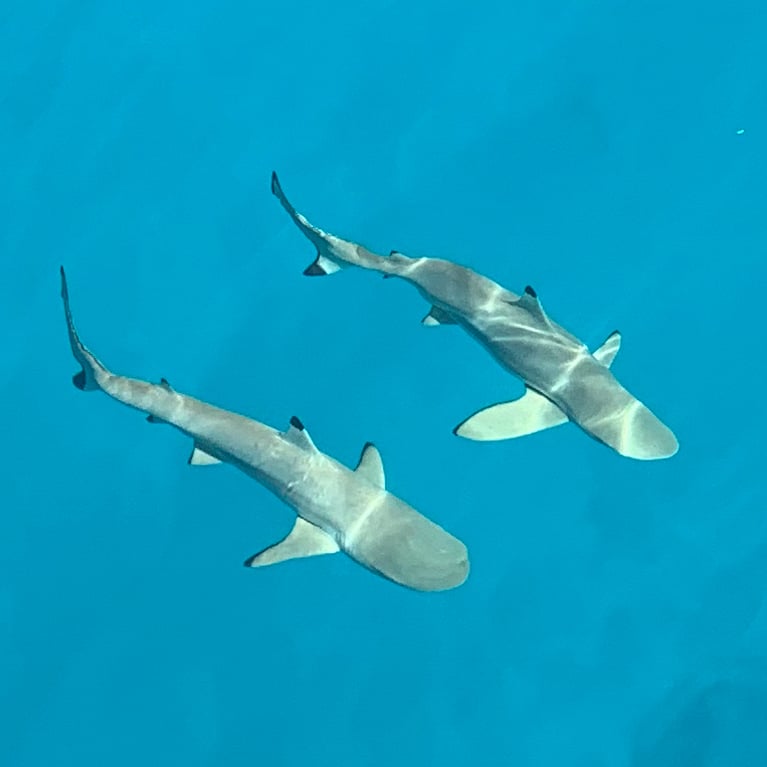
Attitudes and costs from a new conservation challenge
PROJECT LEADER Mina Hatayama
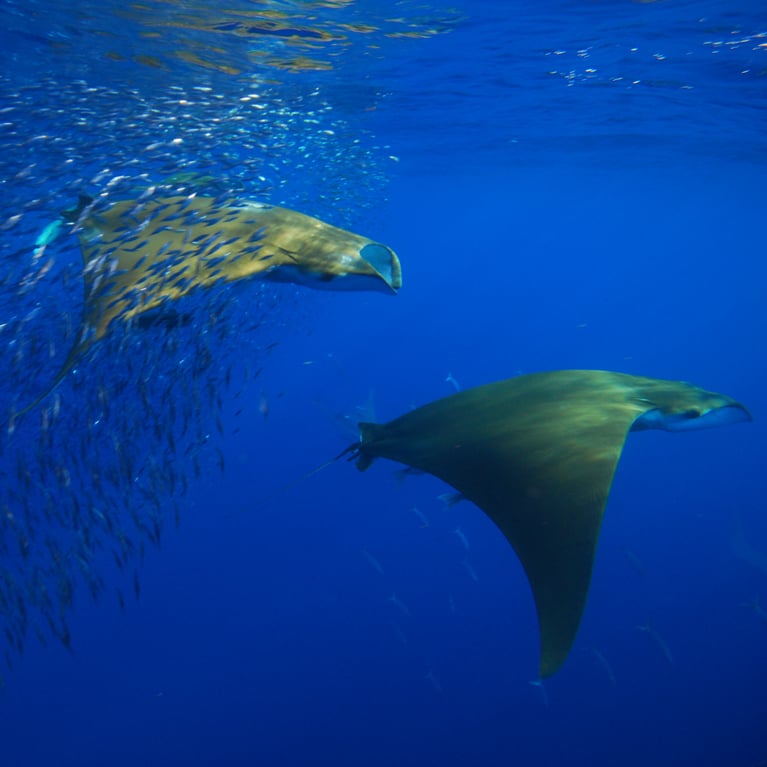
Deep-diving sharks in a warming world
PROJECT LEADER Jorge Miguel Rodrigues Fontes
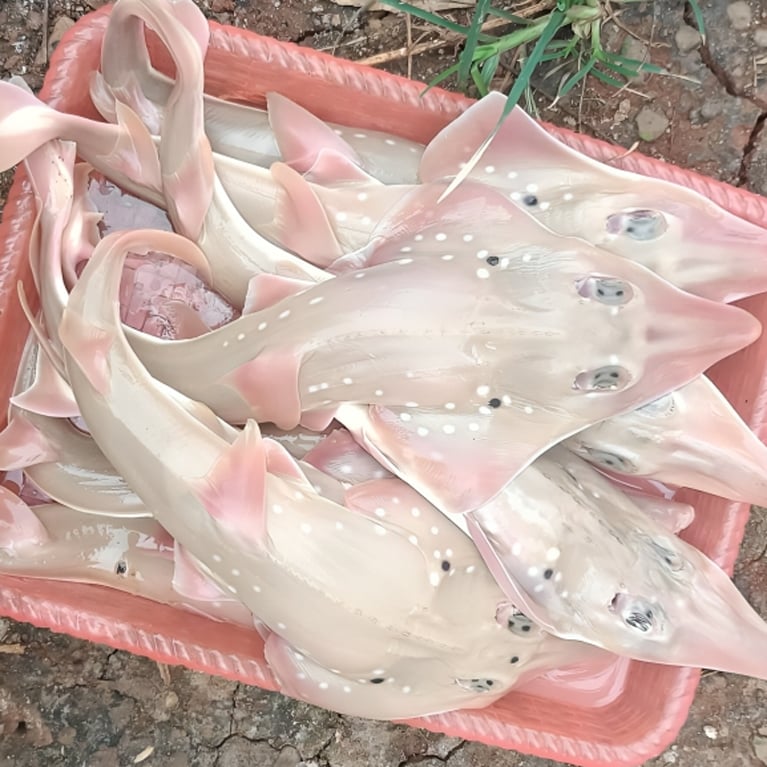
Preventing genetic bottlenecks for bottlenose wedgefish
PROJECT LEADER Ni Kadek Dita Cahyani
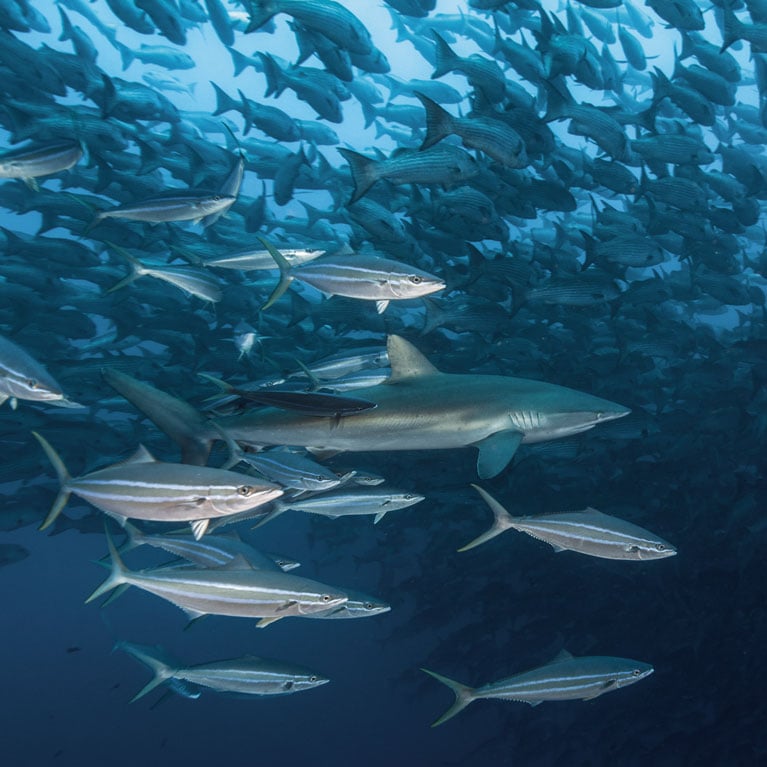
Tracking pregnant silky sharks in the Red Sea
PROJECT LEADER Collin Williams
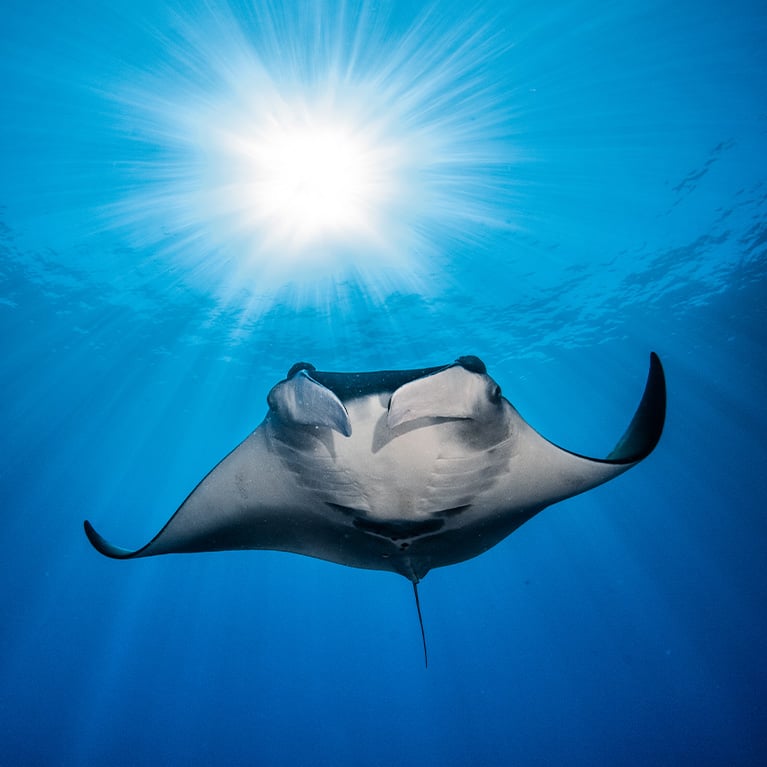
Oceanic manta ray connections
PROJECT LEADER Simon Hilbourne
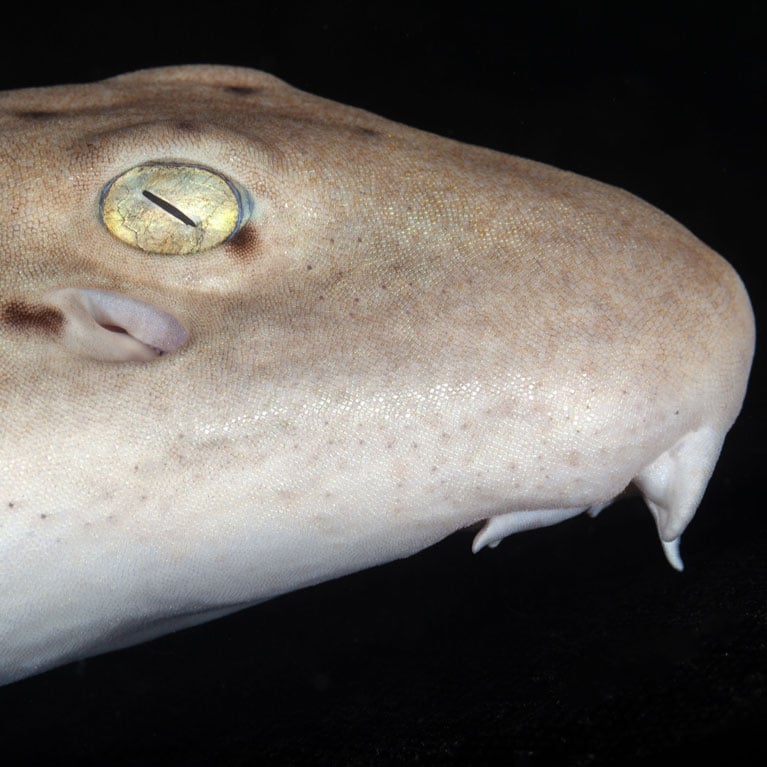
Can epaulette sharks become climate change chameleons?
PROJECT LEADER Aaron Hasenei
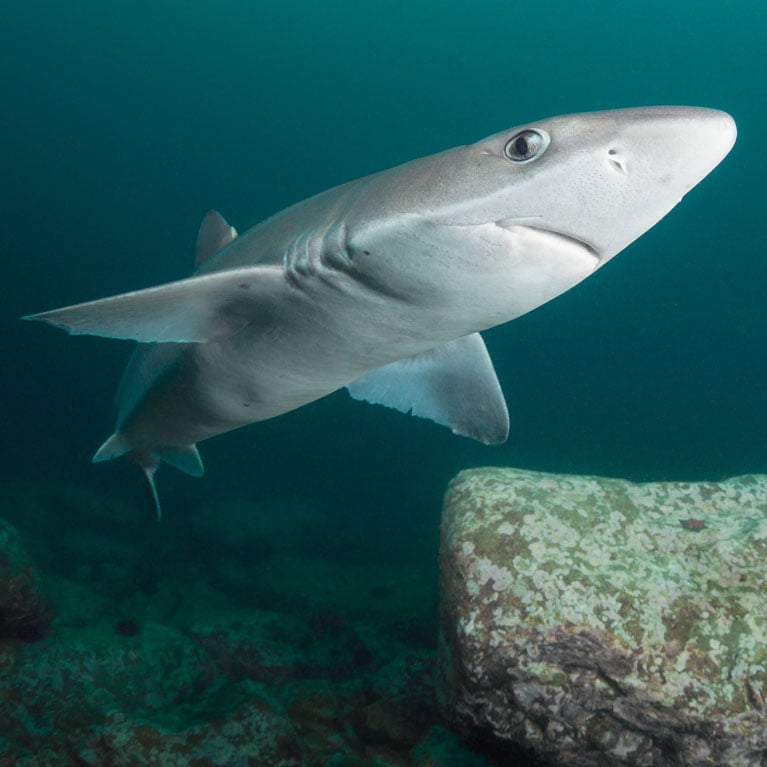
Missing the target? Refining spiny dogfish fishery surveys
PROJECT LEADER Alexandra McInturf
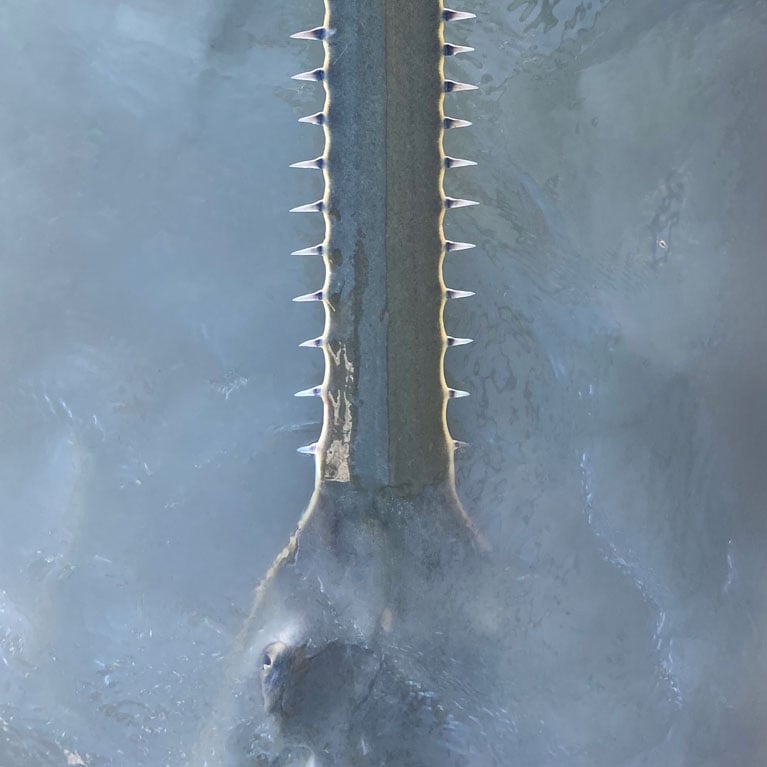
Critical habitats for smalltooth sawfish
PROJECT LEADER Ashley Mackenzie Dawdy
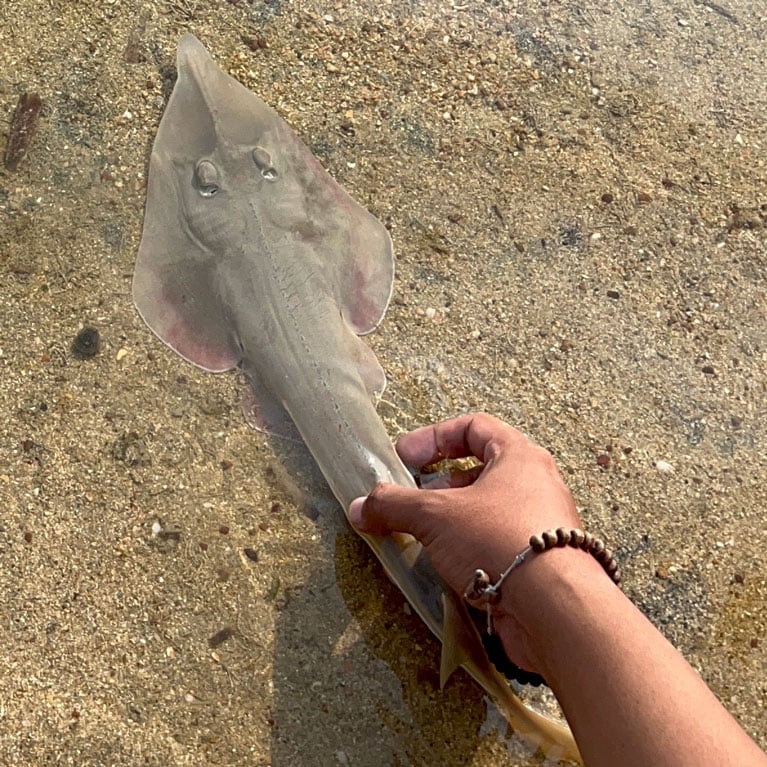
Saving the giants of Karimunjawa
PROJECT LEADER Faqih Akbar Alghozali
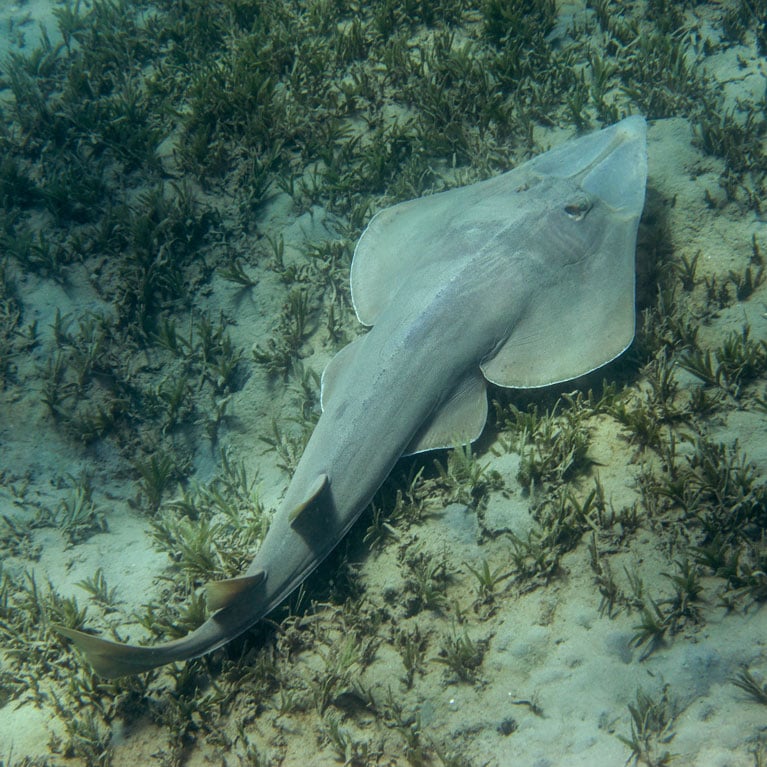
Communities taking care in Watamu and Mida Creek
PROJECT LEADER Peter Musila
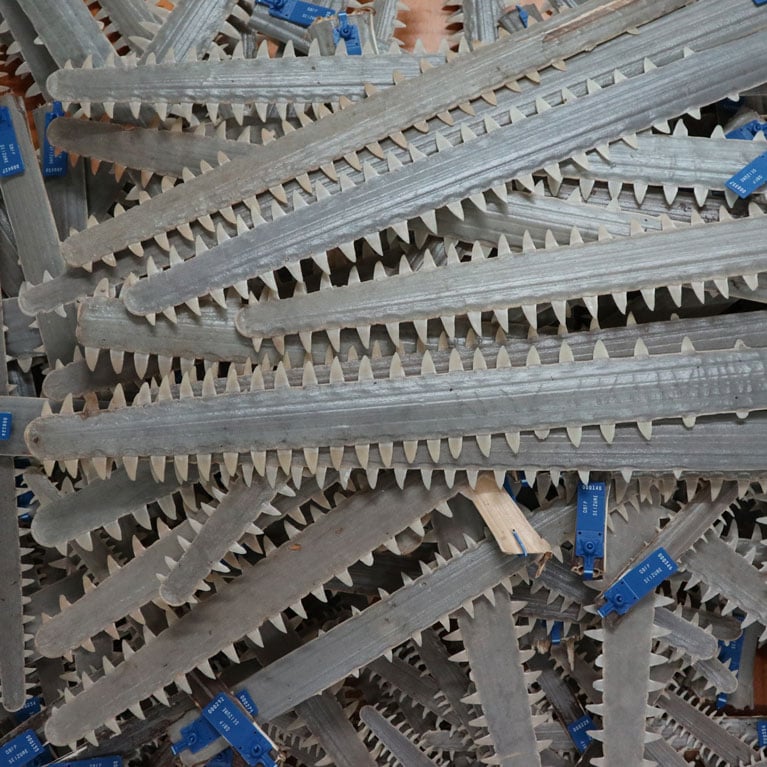
The tooth about Australia’s sawfish hotspots
PROJECT LEADER Veronika Biskis
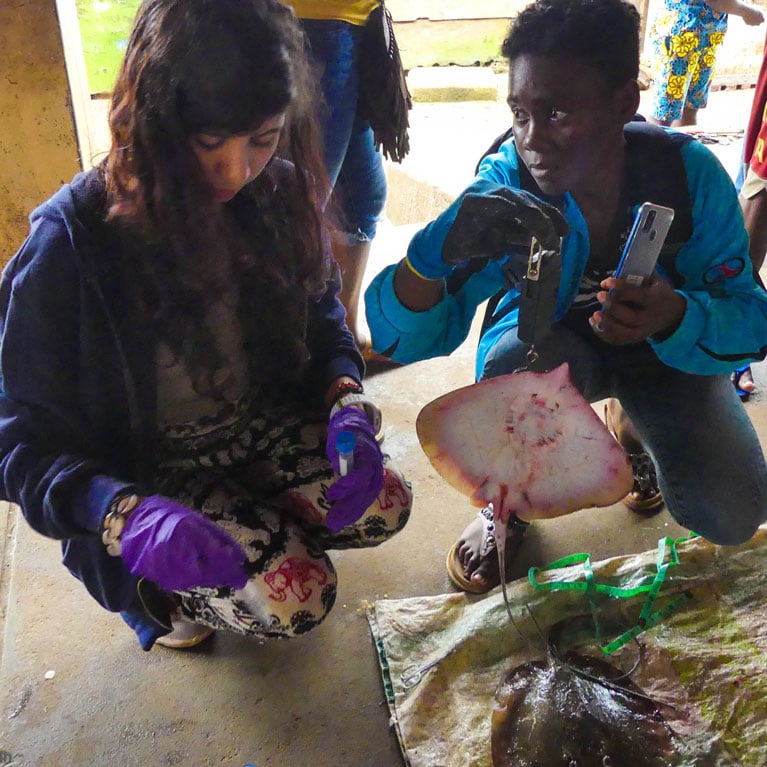
Caring for Cameroon’s sharks and rays
PROJECT LEADER Ghofrane Labyedh
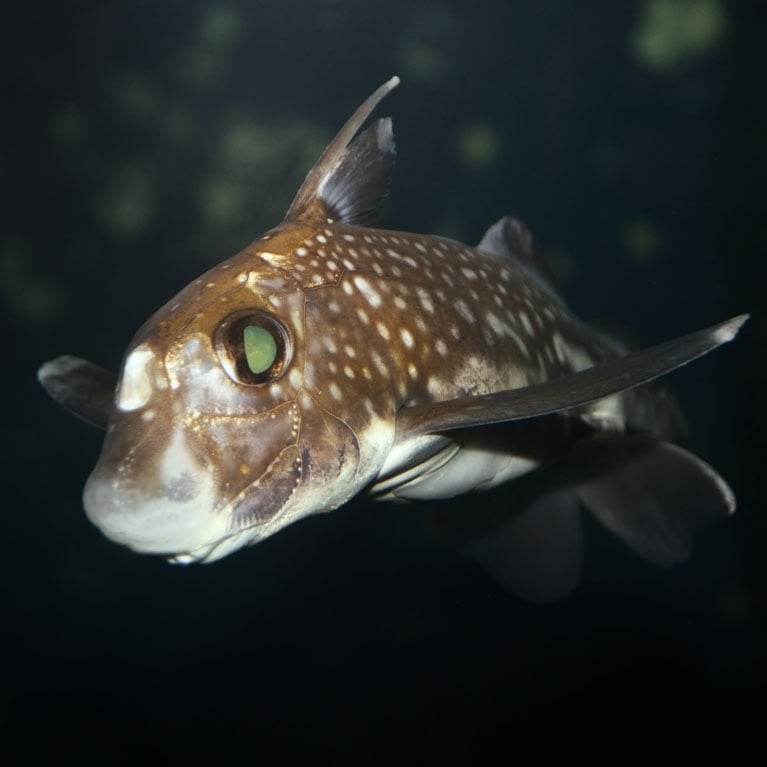
Seeking ghost shark secrets
PROJECT LEADER Karly Cohen
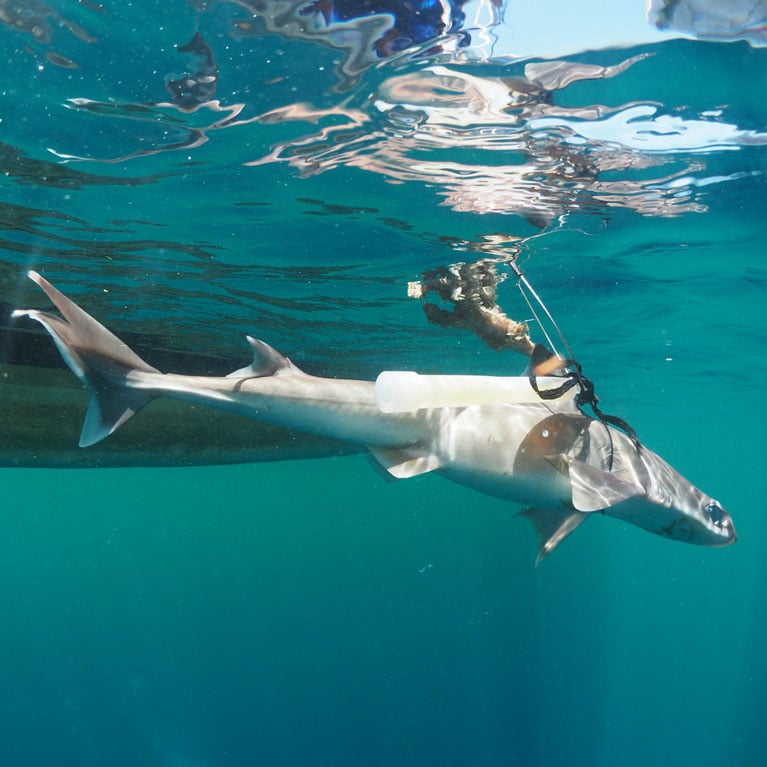
Deep trouble: measuring the impact of fishing on Caribbean deep-sea sharks
PROJECT LEADER Ana Hernández
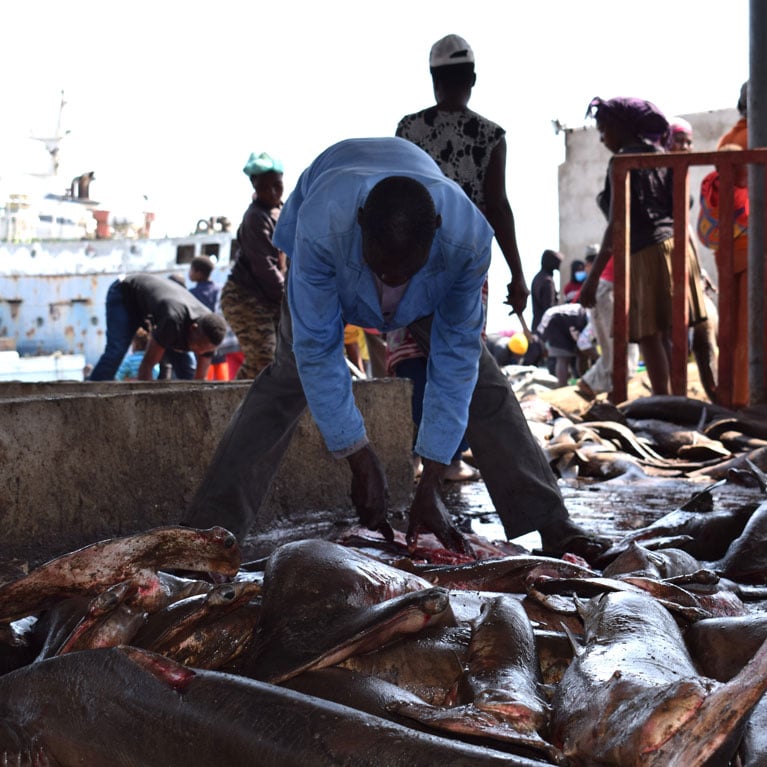
The Angola Elasmo Project
PROJECT LEADER Ana Lúcia Furtado Soares
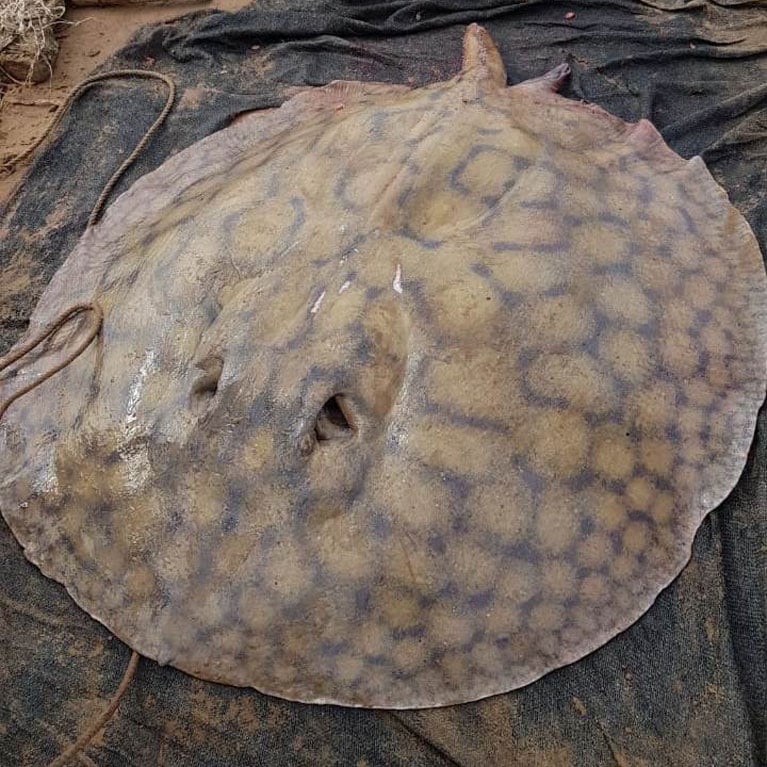
Giant stingrays of the Paraná River
PROJECT LEADER Diego Martin Vazquez
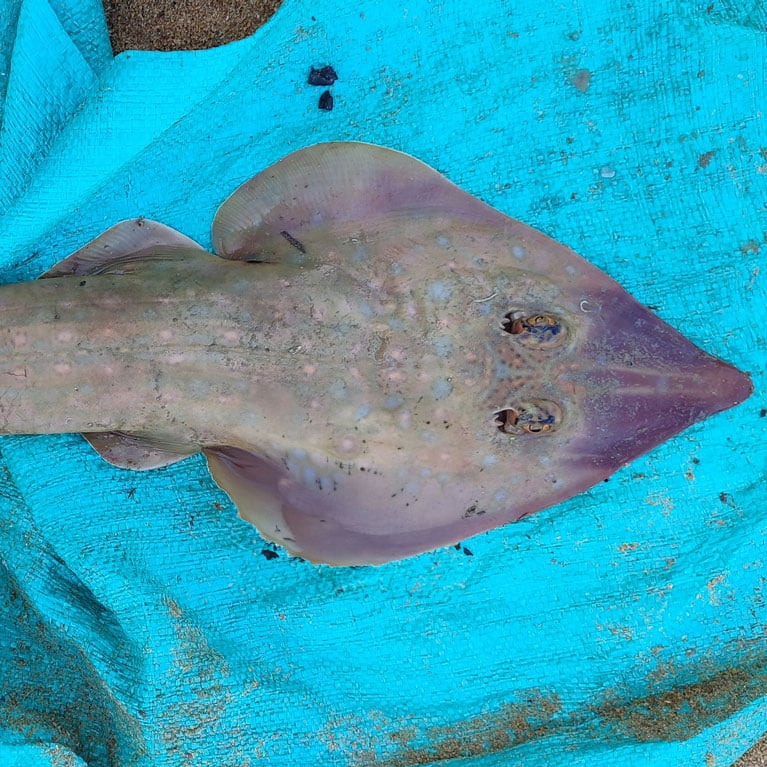
The guitarfish of Grand-Béréby
PROJECT LEADER Gilles Florent Soro
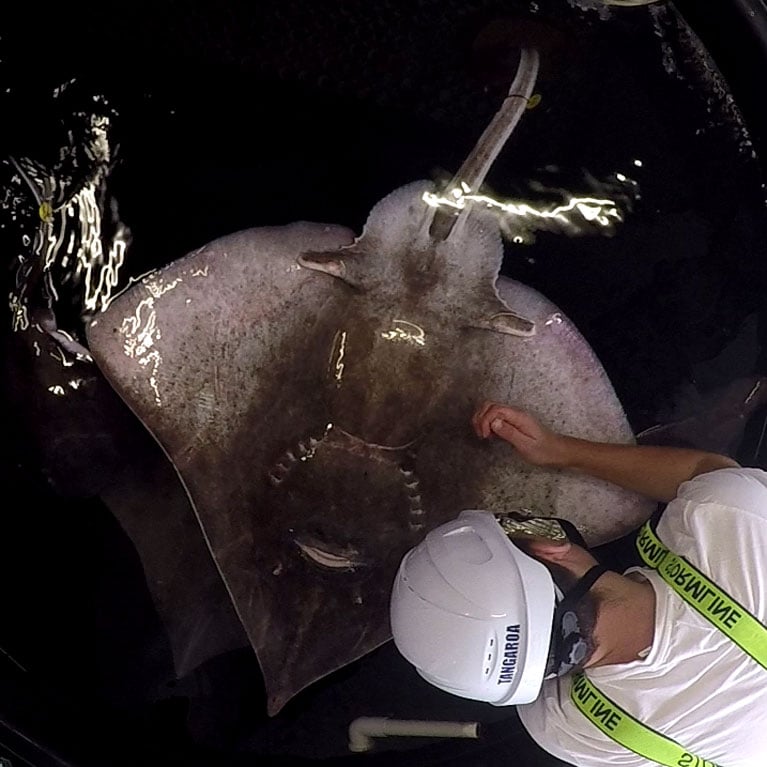
Capturing the impact of catches
PROJECT LEADER David Ruiz García
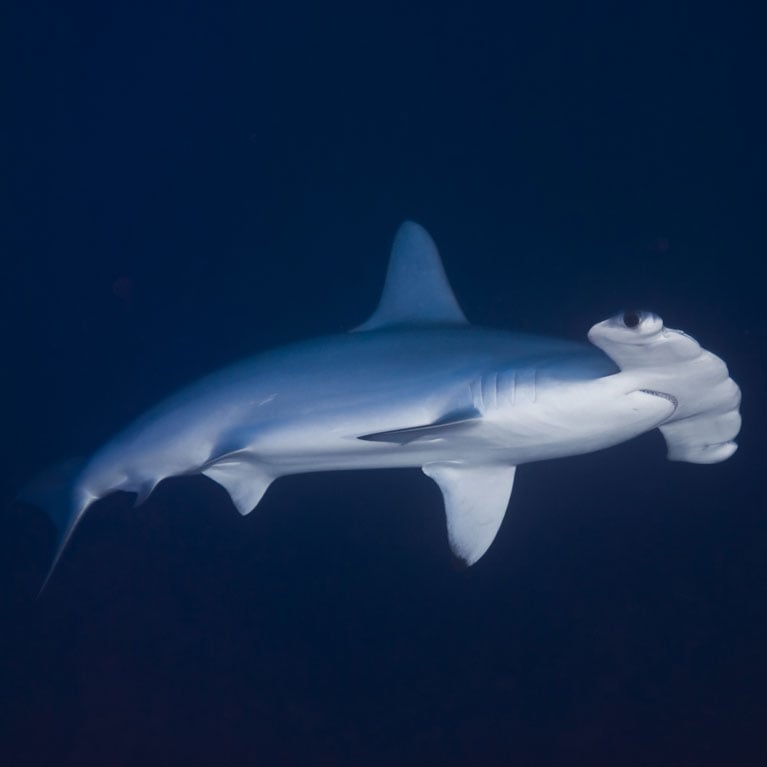
A Red List of Benin’s sharks
PROJECT LEADER Houangninan Midinoudewa
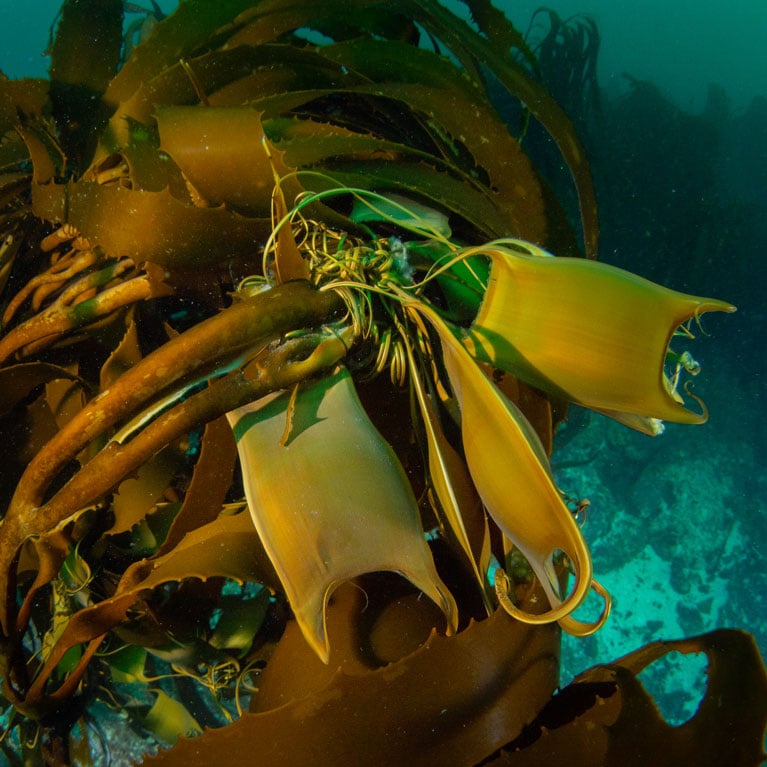
The importance of kelp forests for sharks and rays in Chile
PROJECT LEADER Ítalo Fernández
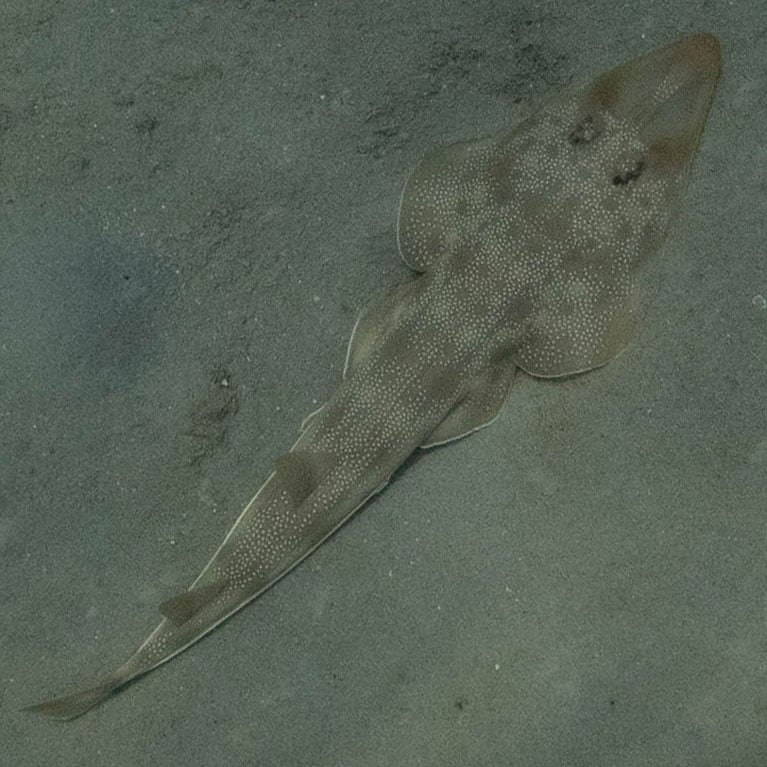
Who’s eating who? Atlantic guitarfish and the food web
PROJECT LEADER John Hlavin
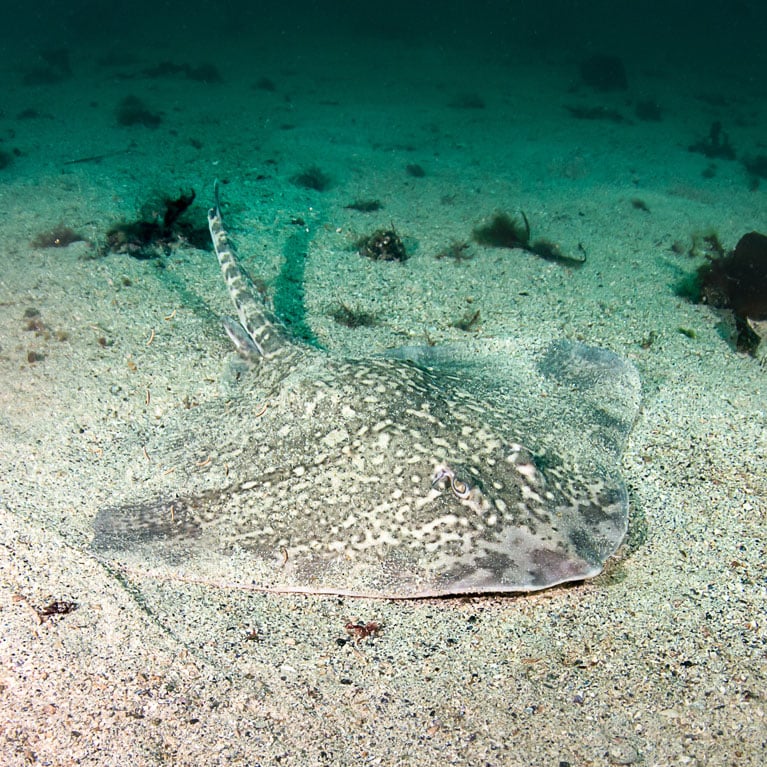
Tracking Denmark’s thornback rays
PROJECT LEADER Kim Birnie-Gauvin
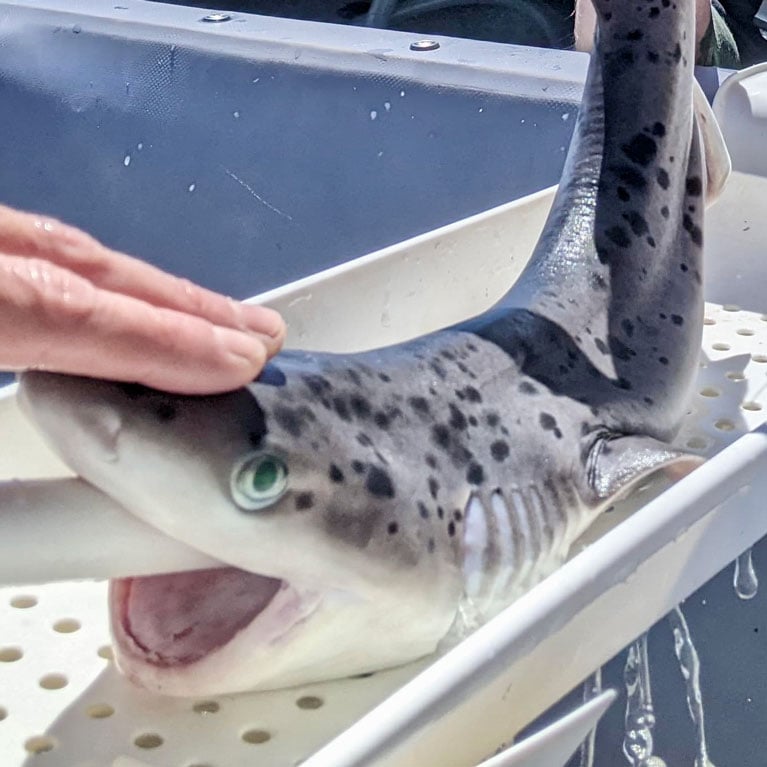
Littering lifetimes: understanding the accumulation of pollution in sharks
PROJECT LEADER Kylie Rock
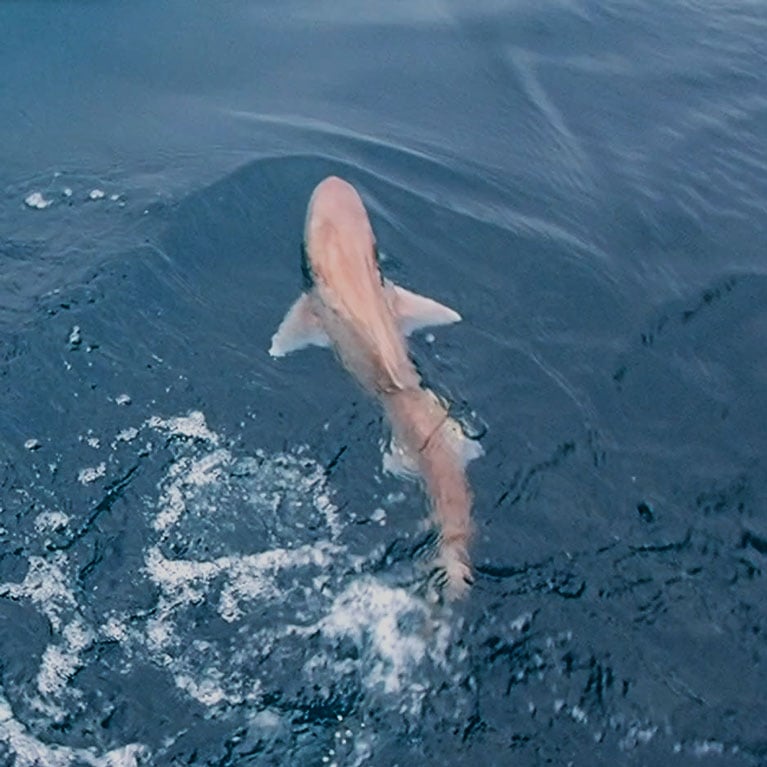
Linking pollution and shark health in the Mediterranean
PROJECT LEADER Licia Finotto
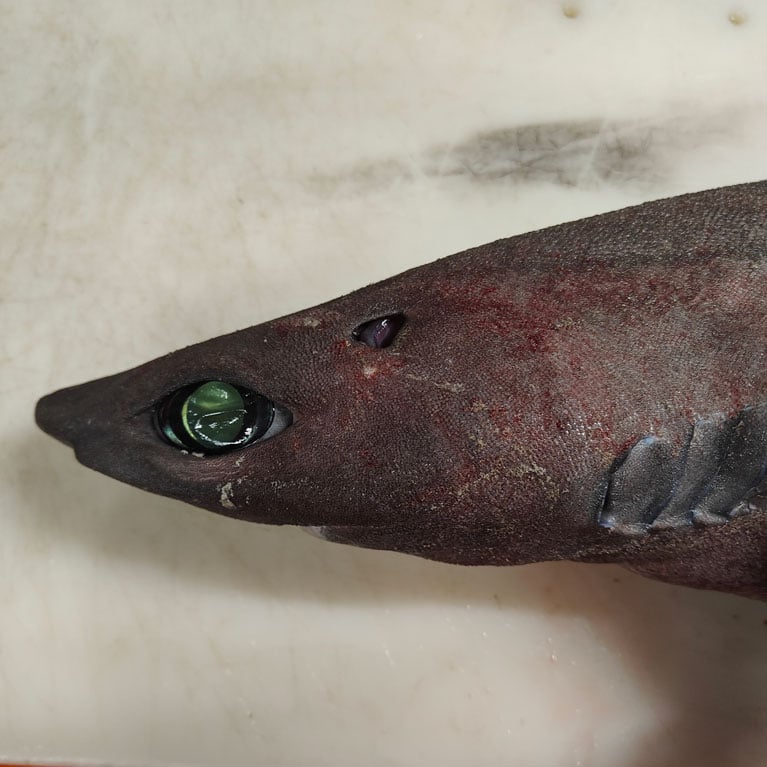
Using DNA to identify the sharks in squalene products
PROJECT LEADER Madeline Green
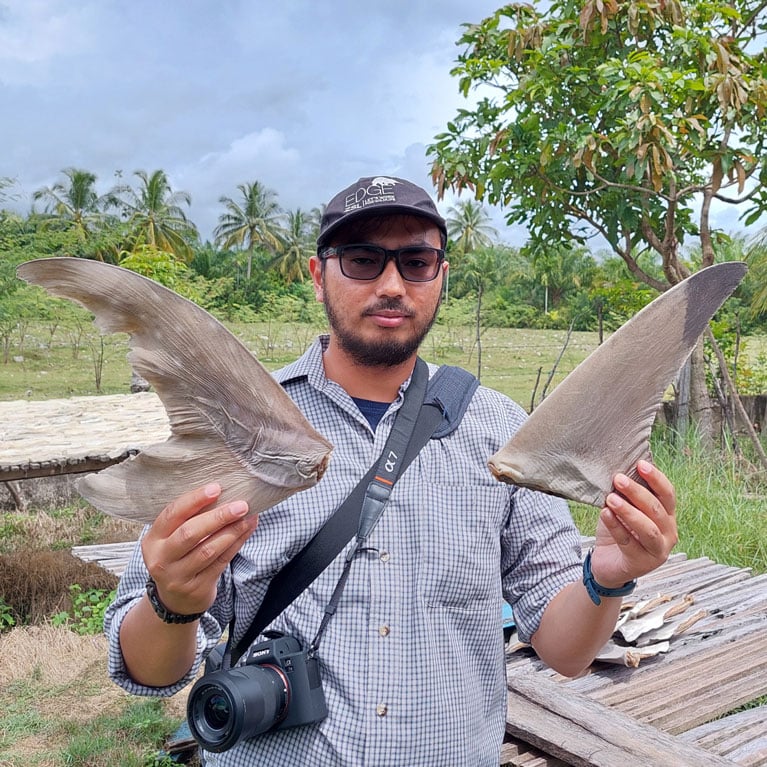
The wedgefish of Sungai Kakap
PROJECT LEADER Muhammad Ichsan
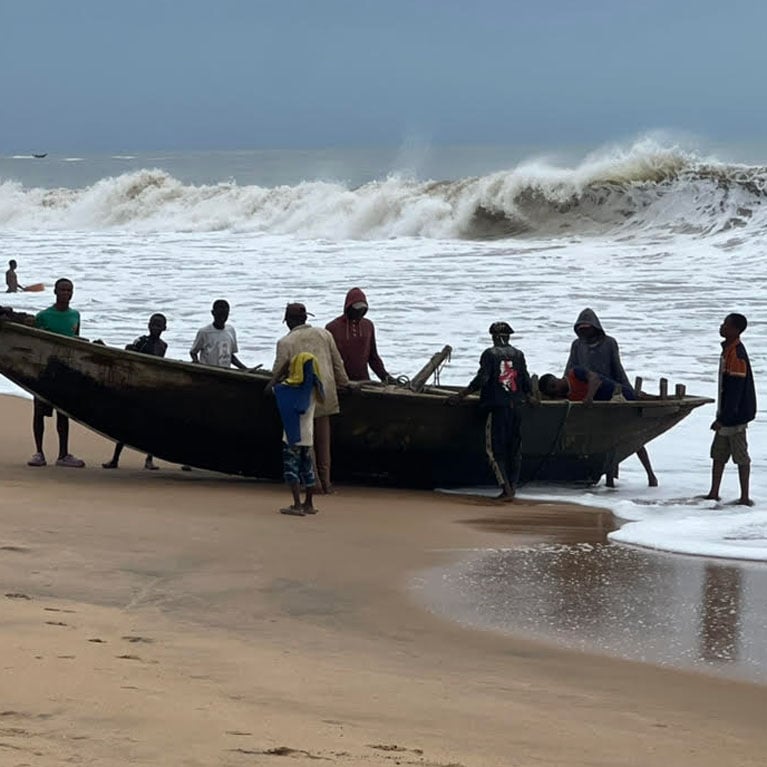
Landing local ecological knowledge on hammerhead sharks in Nigeria
PROJECT LEADER Lara Fola-Matthews
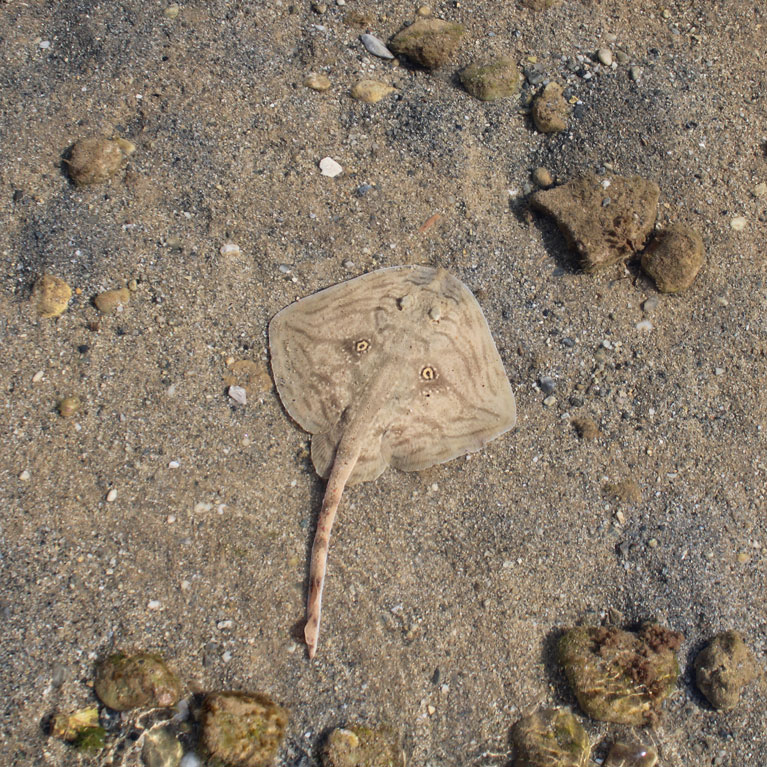
Setting the baseline: gathering data on rough skates in the Thracian Sea
PROJECT LEADER Roxani Naasan
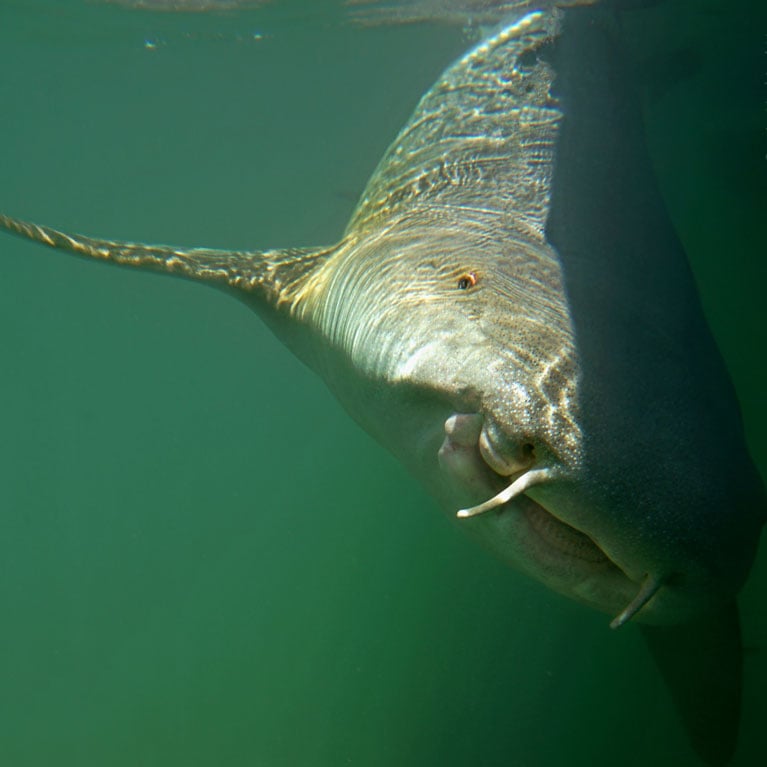
Taking the temperature on nurse shark movement patterns
PROJECT LEADER Sergio Madrigal Mora
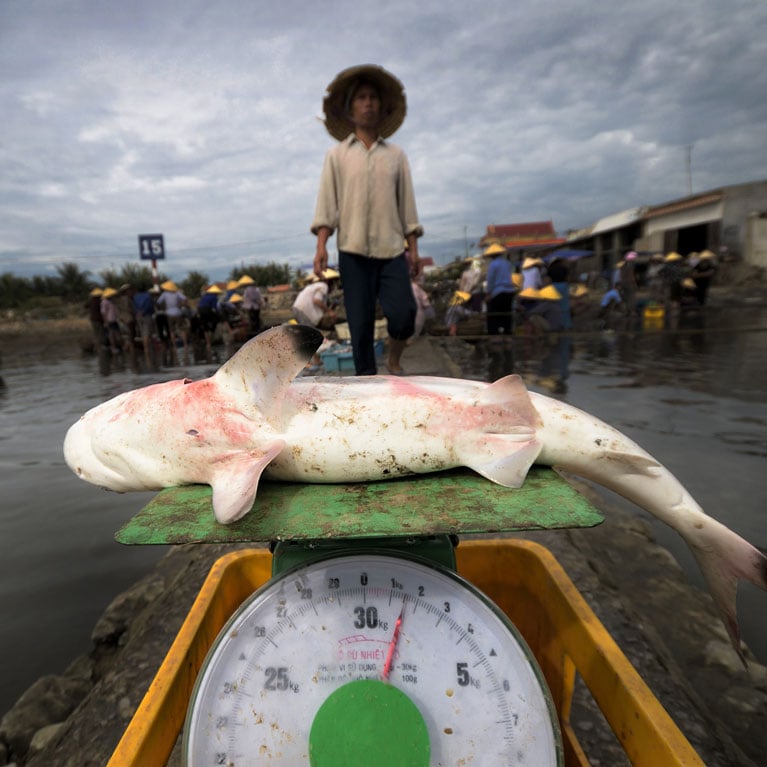
DNA barcoding to identify sharks in Vietnam
PROJECT LEADER Thinh Dinh Do
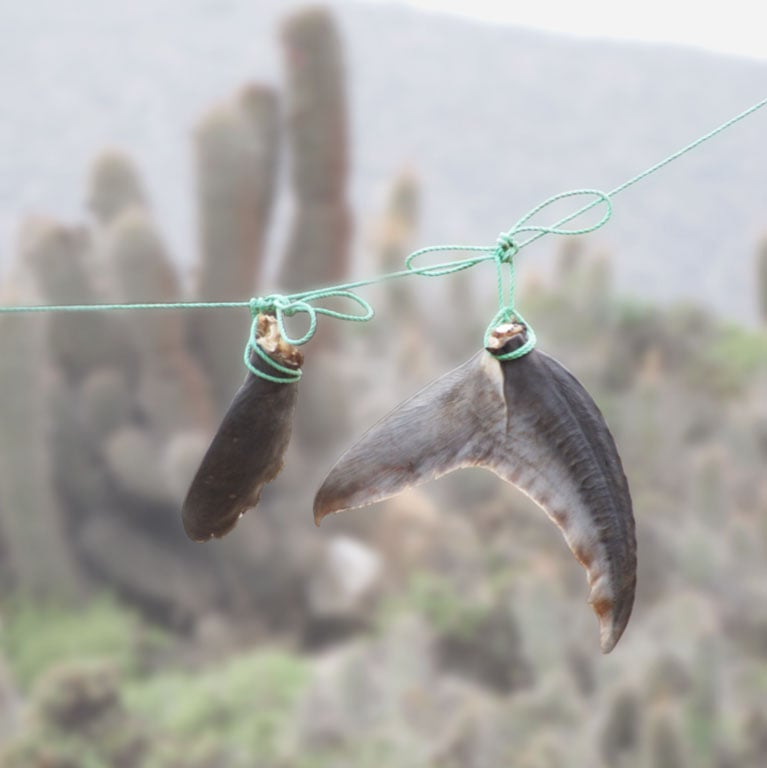
Correcting shark catch counts in Chile
PROJECT LEADER Valentina C. Romagnoli
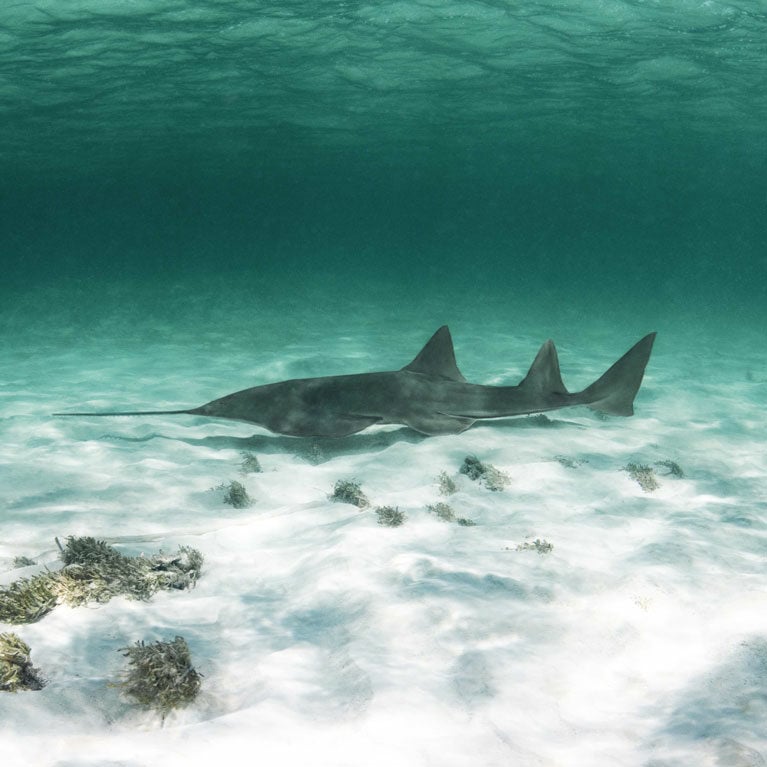
The Bahamas: a beacon of hope for smalltooth sawfish
PROJECT LEADER Tristan Guttridge
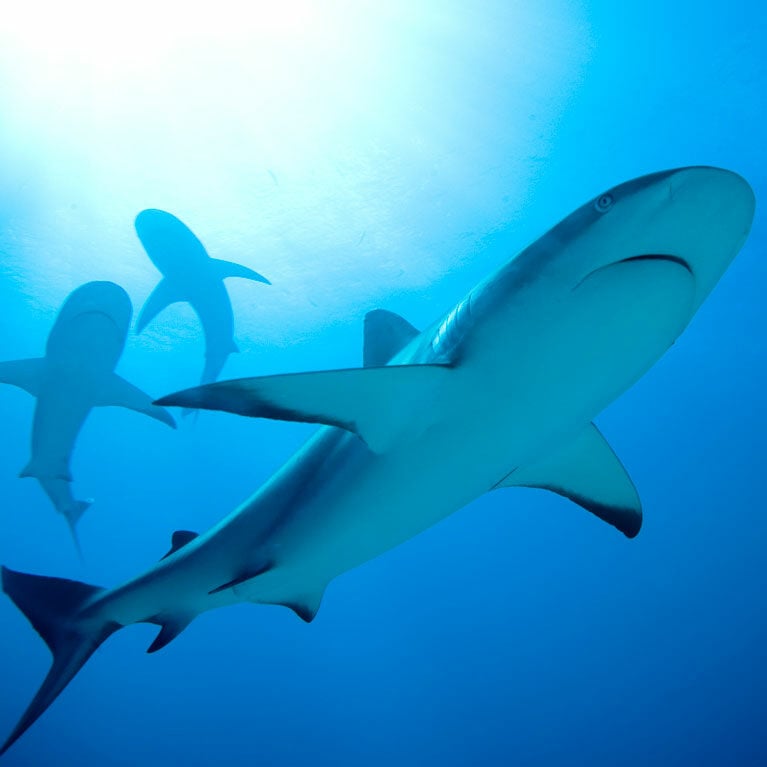
Caribbean connections
PROJECT LEADERS Steven Kessel, Kevin Feldheim
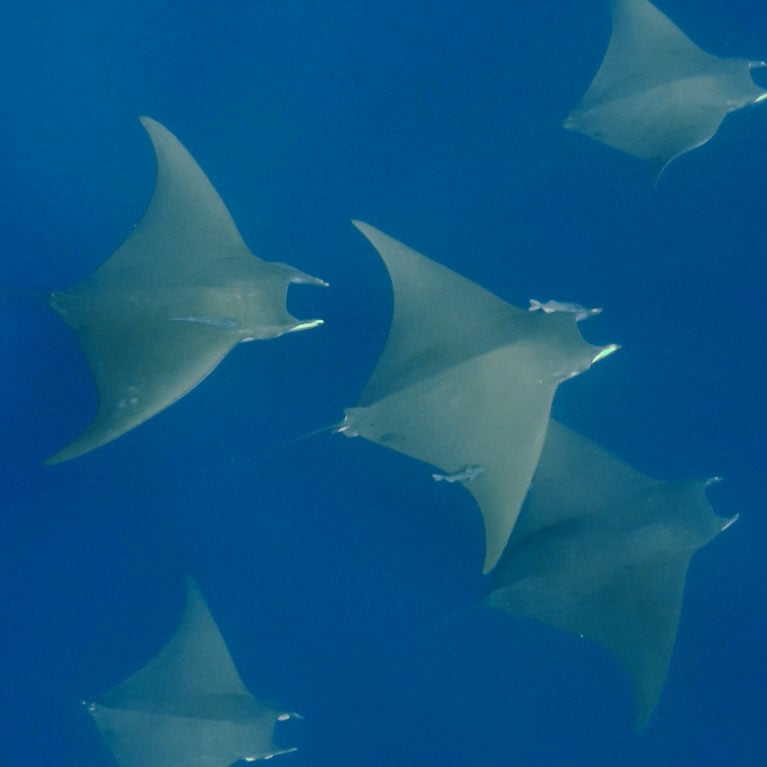
Sicklefin devil rays in 3D: how are they using space in the Azores?
PROJECT LEADER Sophie Prendergast
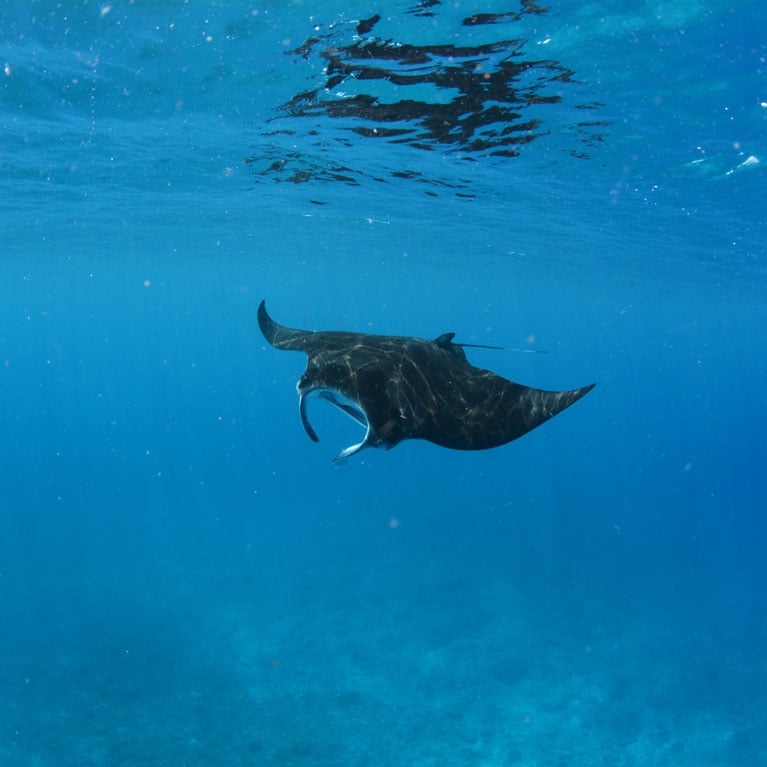
On reef manta time at D’Arros, Seychelles
PROJECT LEADER Rachel Newsome
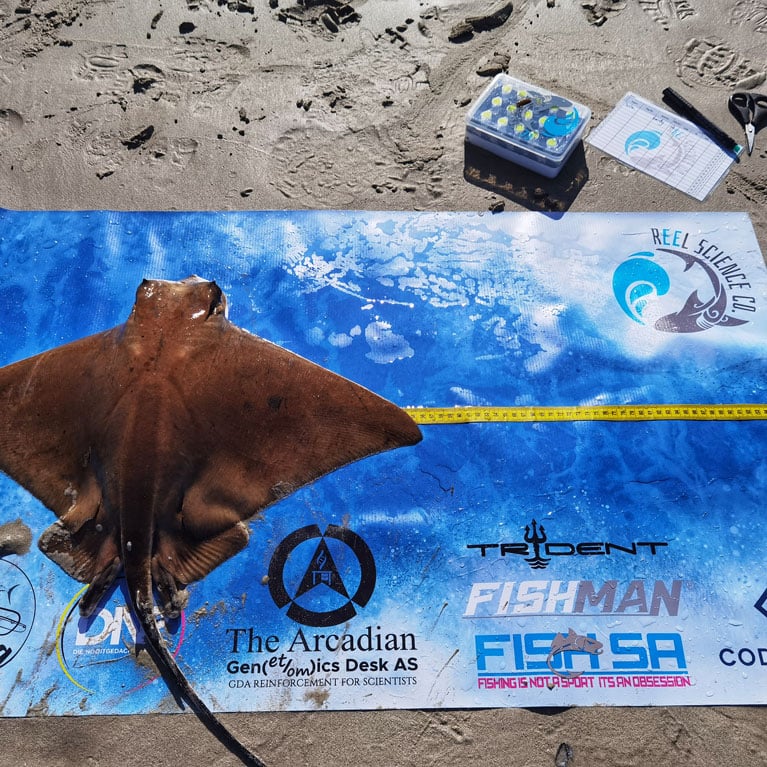
Unearthing the truth about the common eagle ray
PROJECT LEADER Michelle Soekoe
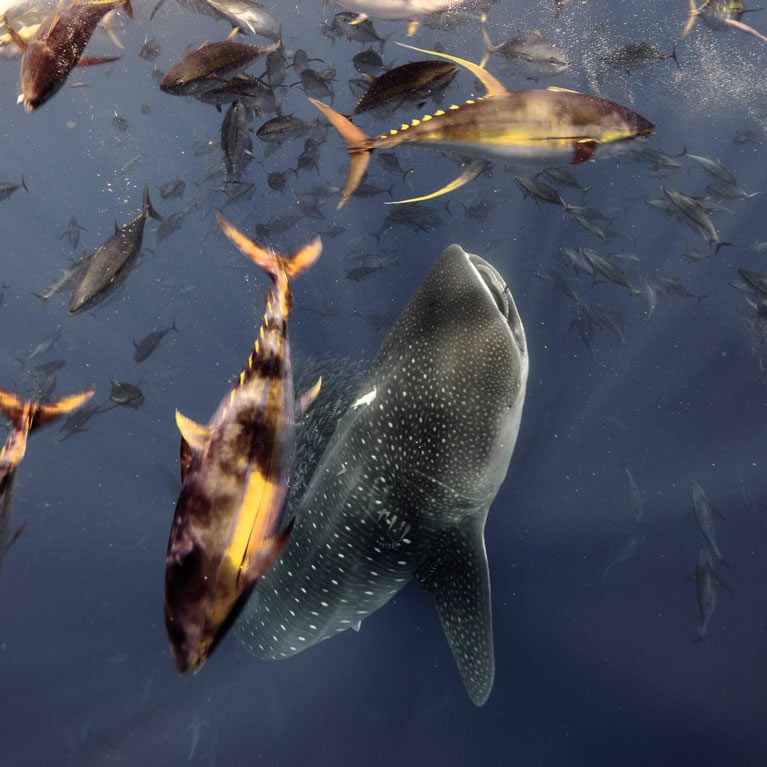
The sea’s sheepdogs: tuna and whale shark feeding associations in the Azores
PROJECT LEADER Jorge Miguel Rodrigues Fontes
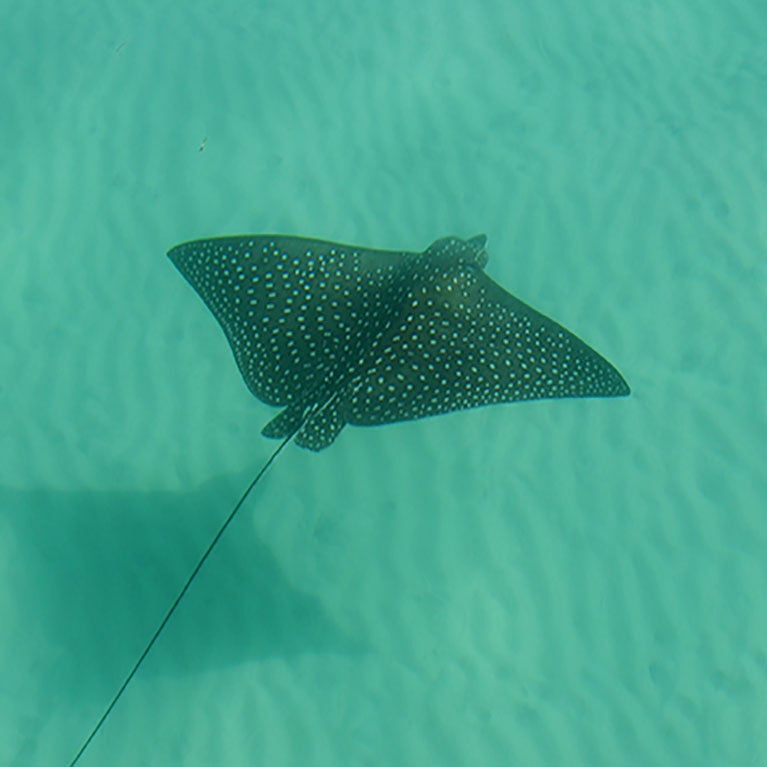
Counting eagle rays with close-kin mark-recapture
PROJECT LEADER John Swenson
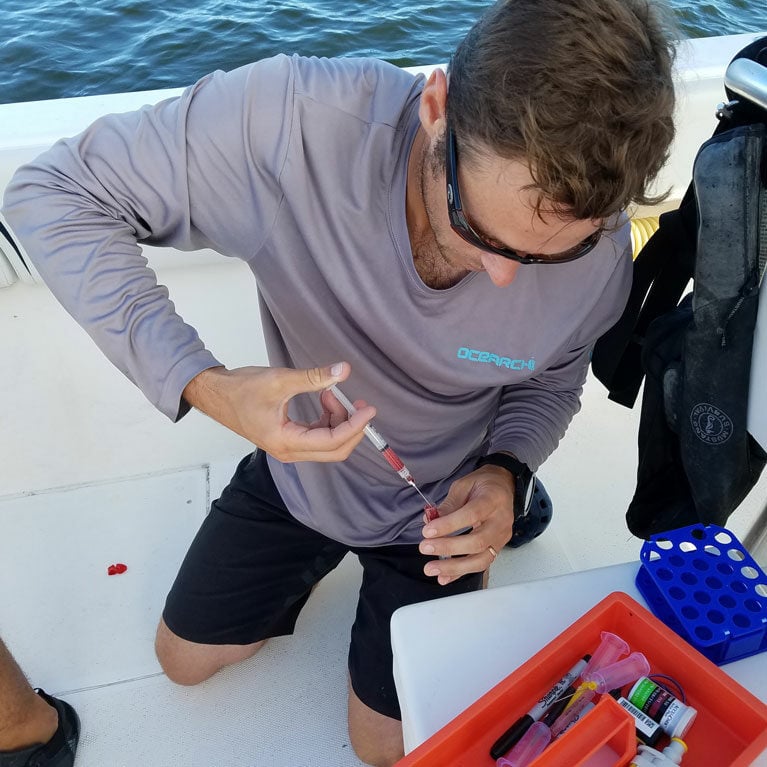
It’s elemental: shark life histories from cartilage chemistry
PROJECT LEADER John Mohan
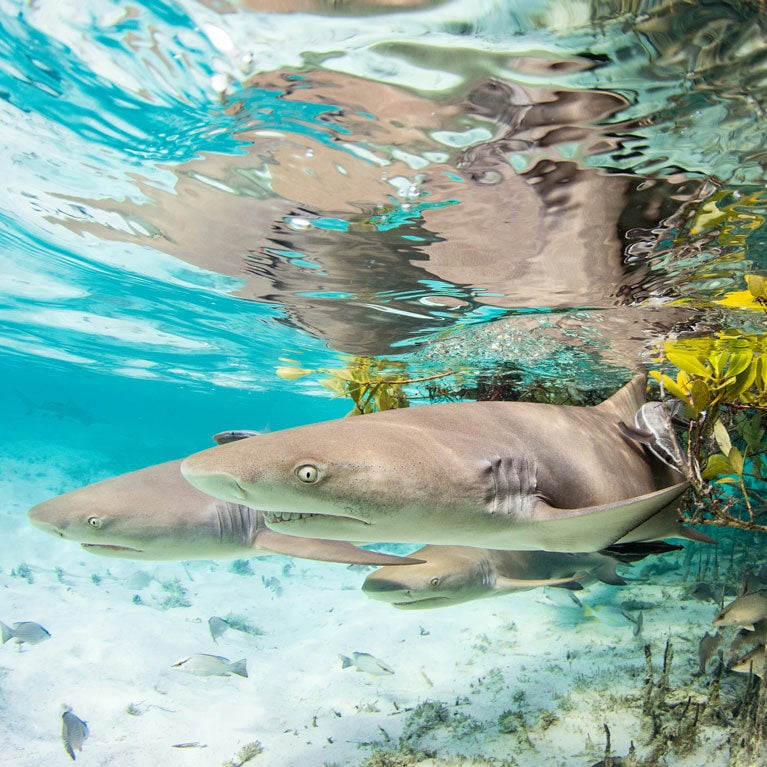
Community shark conservation in Turks and Caicos
PROJECT LEADER Jillian Morris
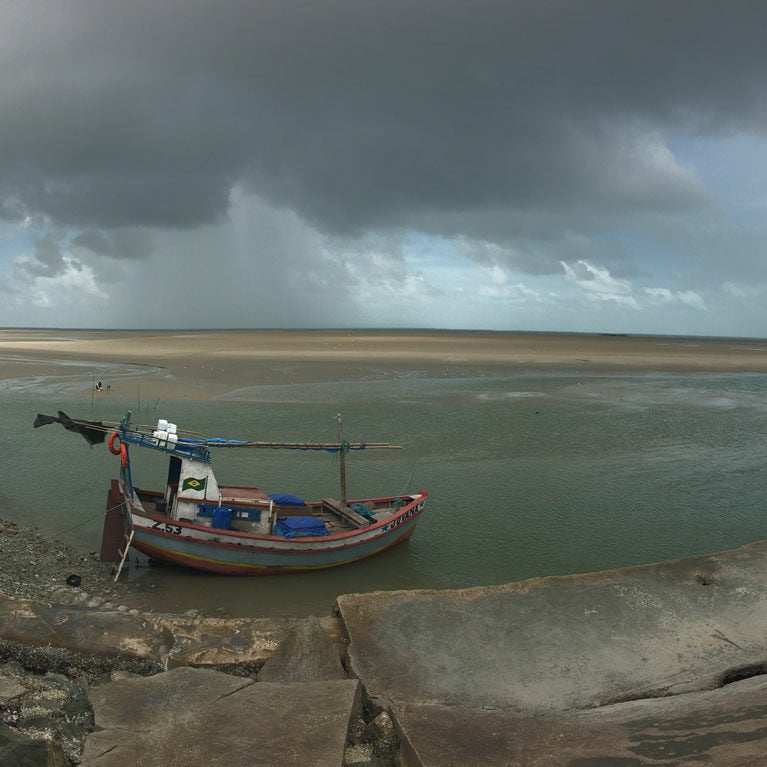
Tracking time through teeth
PROJECT LEADER Jens Hegg
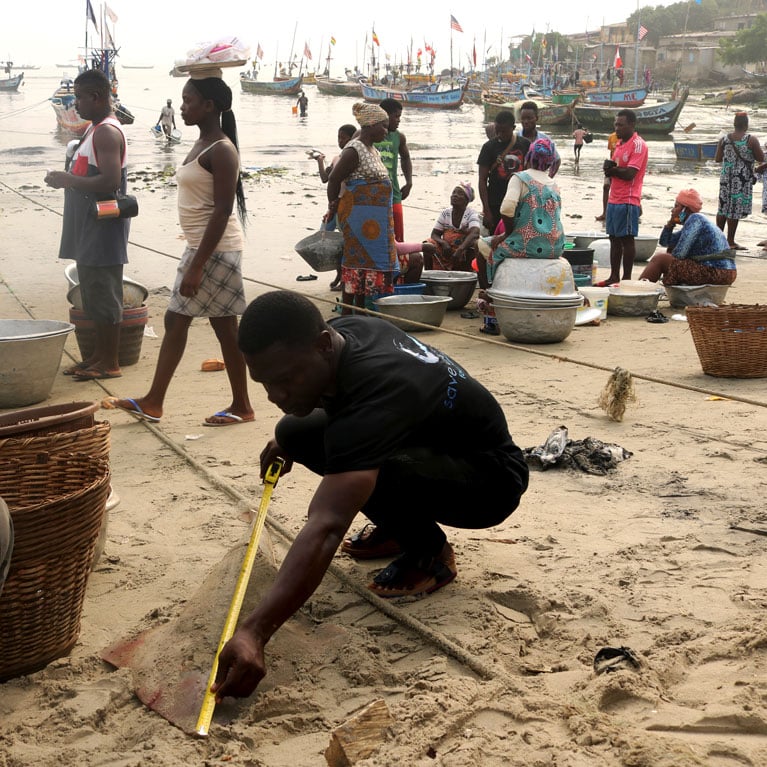
Guarding sharks in Ghana
PROJECT LEADER Issah Seidu
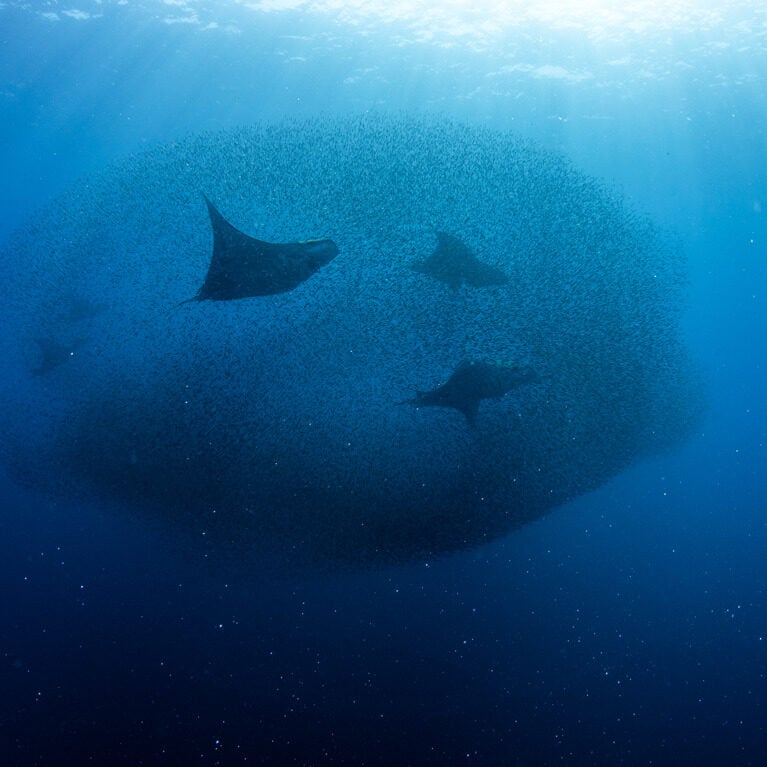
Bringing to light the ‘lost sharks’
PROJECT LEADER Dave Ebert
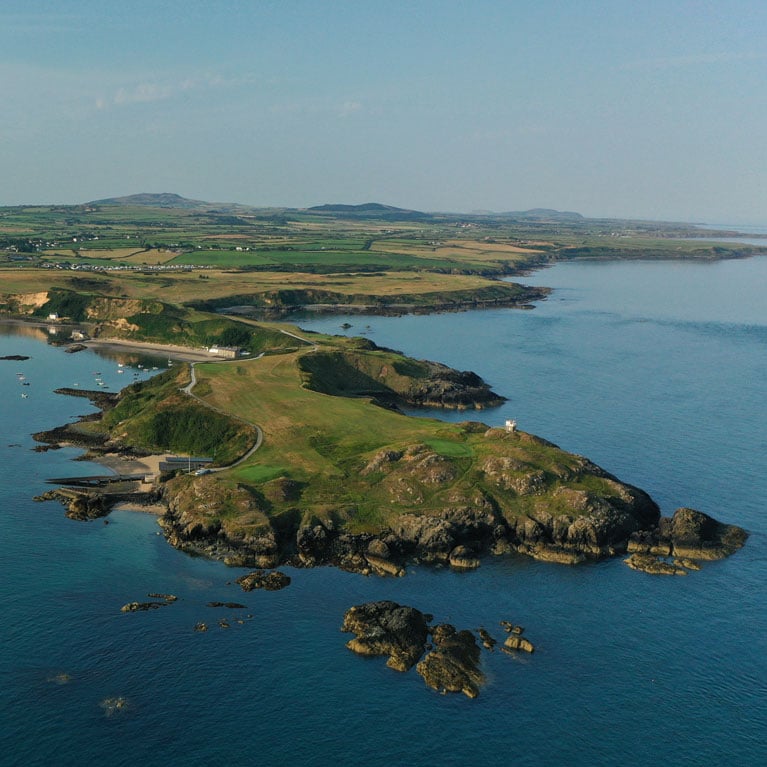
Guardian Angels
PROJECT LEADER Danny Copeland
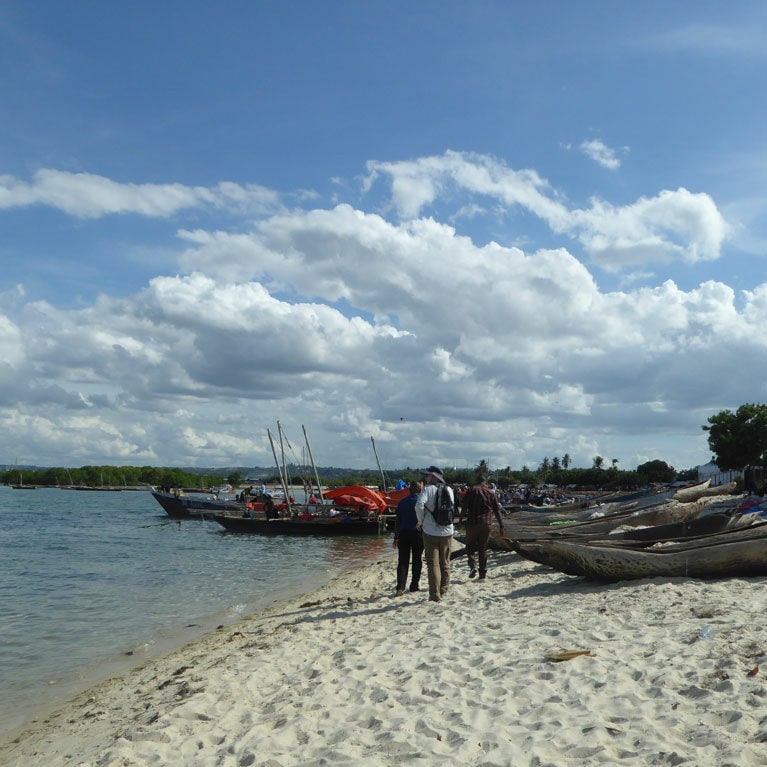
Capacity for community conservation in East Africa
PROJECT LEADER Cyrus Rumisha
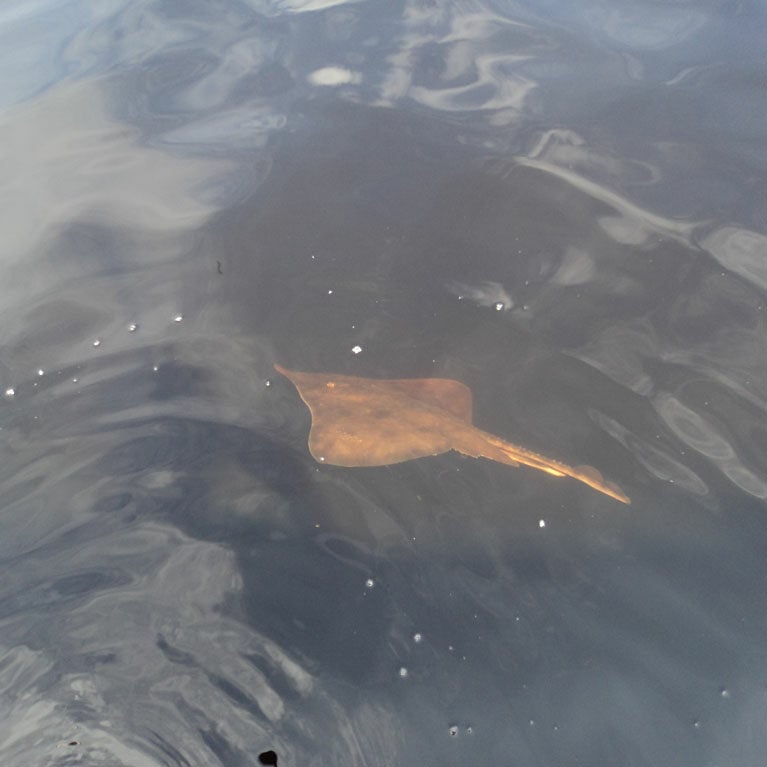
Missing in Macquarie: the case of the disappearing Maugean skate
PROJECT LEADER Cynthia Awruch
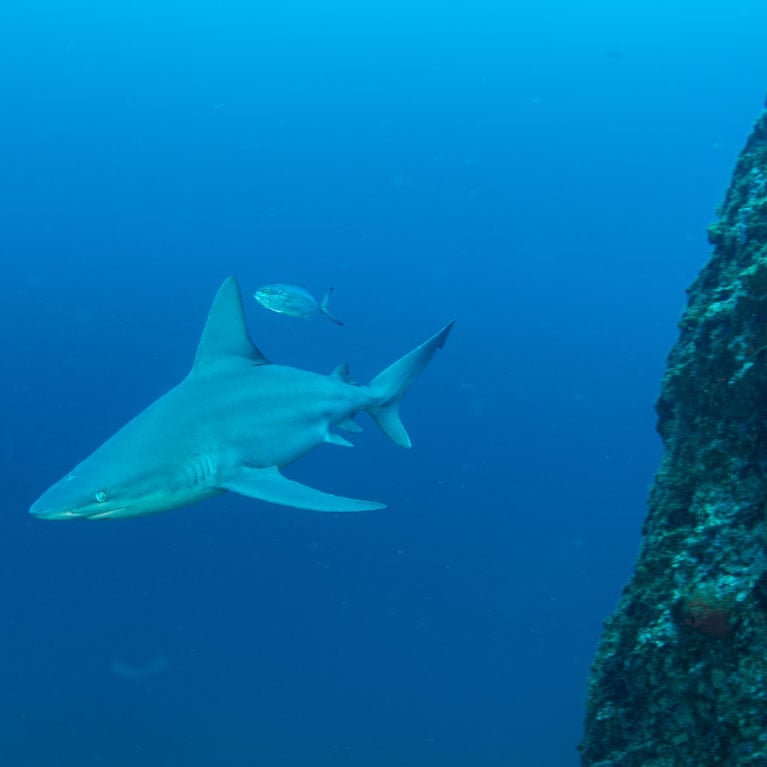
Methods to reduce shark stress
PROJECT LEADER Brett Sweezey
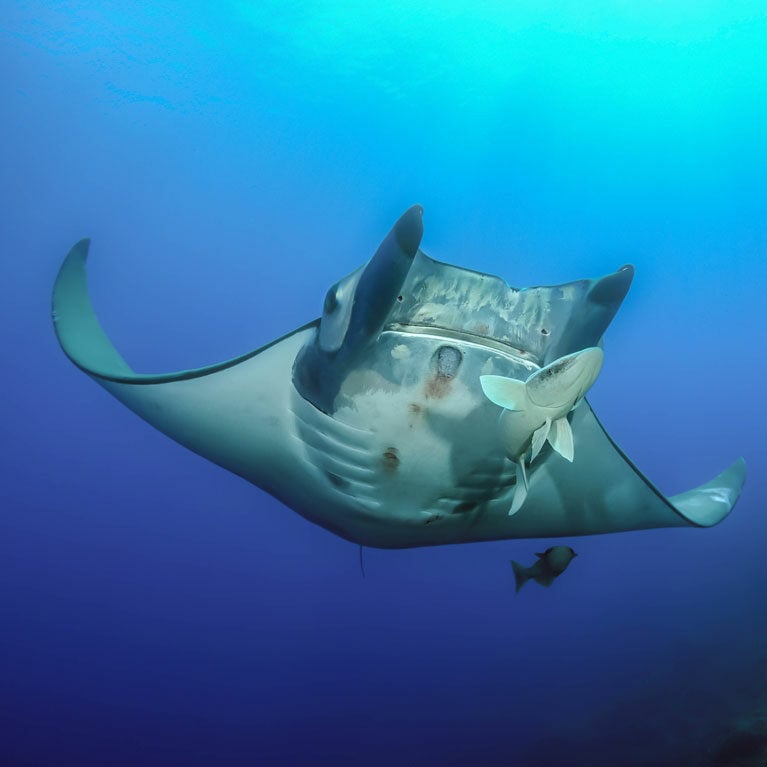
Manta and devil rays of the Canary Islands
PROJECT LEADER Alicia Rodríguez Juncá
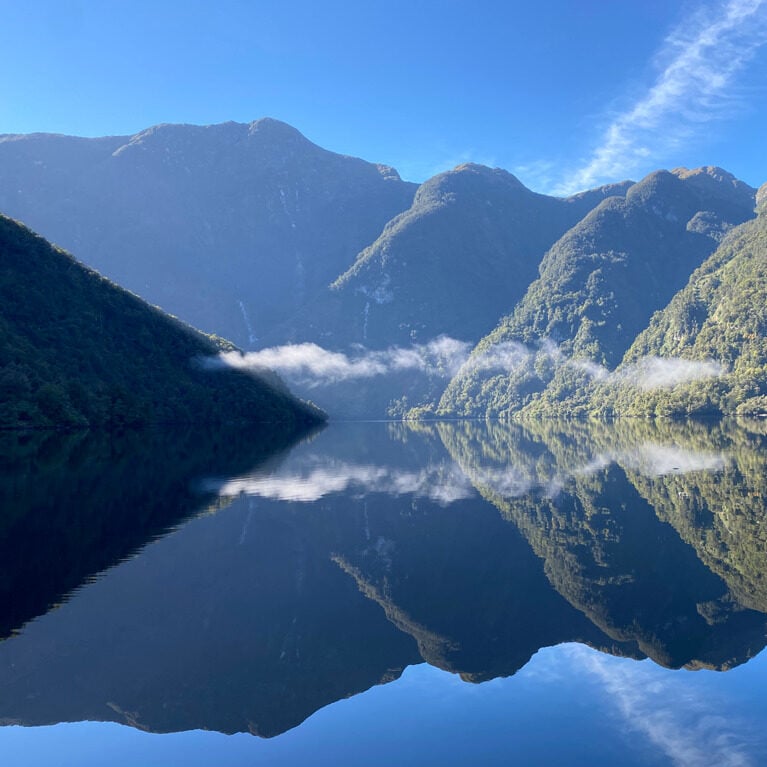
Climate change at the end of the earth: sevengill sharks in Fiordland, New Zealand
PROJECT LEADER Alice Rogers
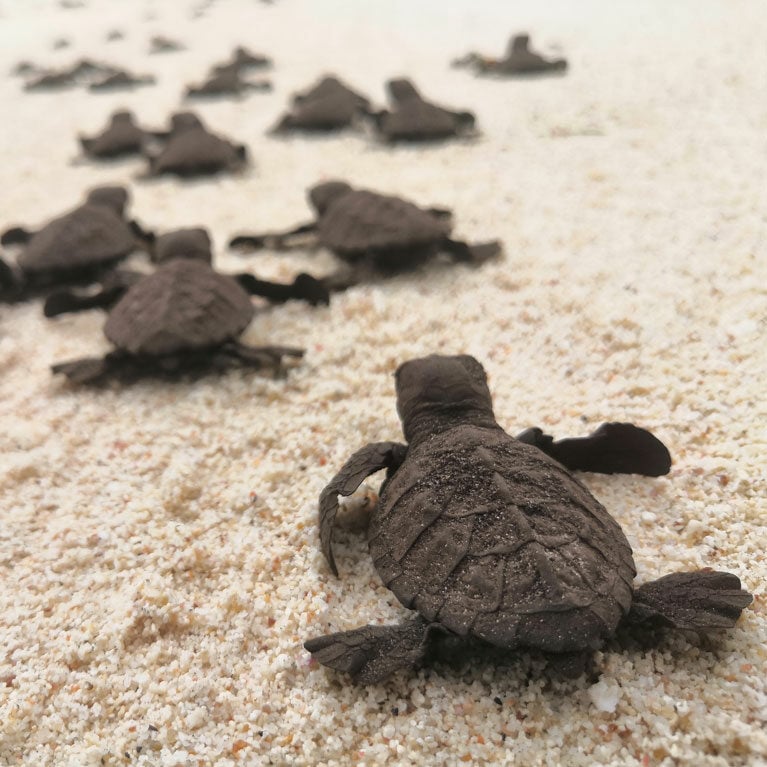
Failure to launch: what’s happening with Seychelles’ turtle and tortoise eggs?
PROJECT LEADER Alessia Lavigne
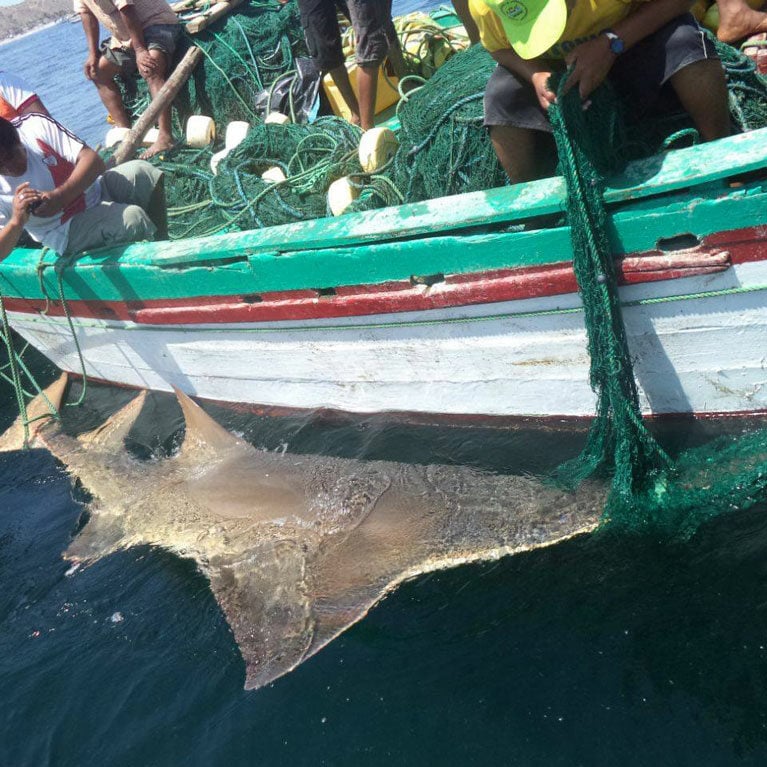
Searching for sawfish in northern Peru
PROJECT LEADER Alejandra Mendoza Pfennig
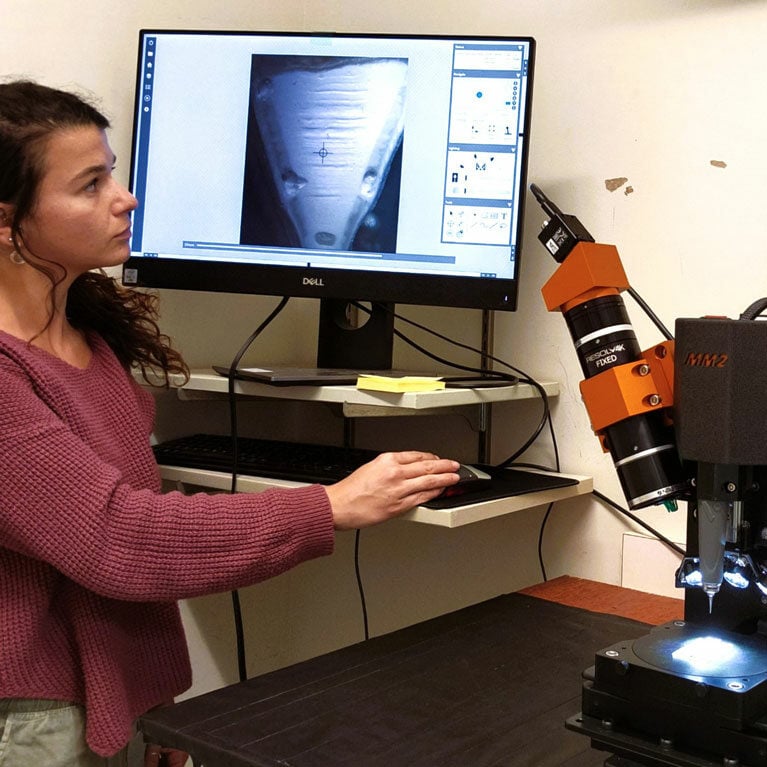
Same, but different: distinguishing blacktip shark populations in the Gulf of Mexico
PROJECT LEADER Addie Binstock
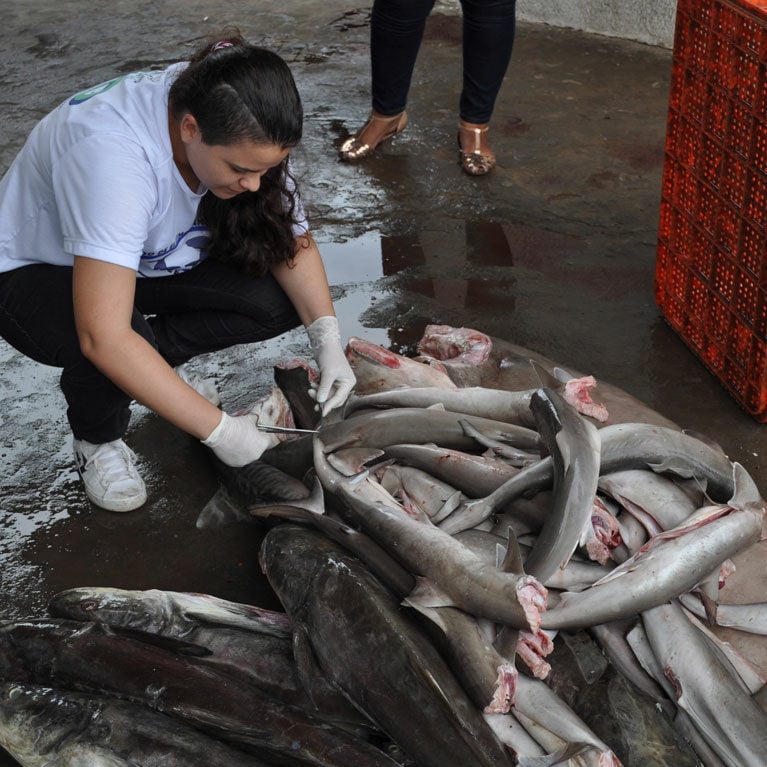
Food security and the future for sharks
PROJECT LEADER Ana Barbosa Martins
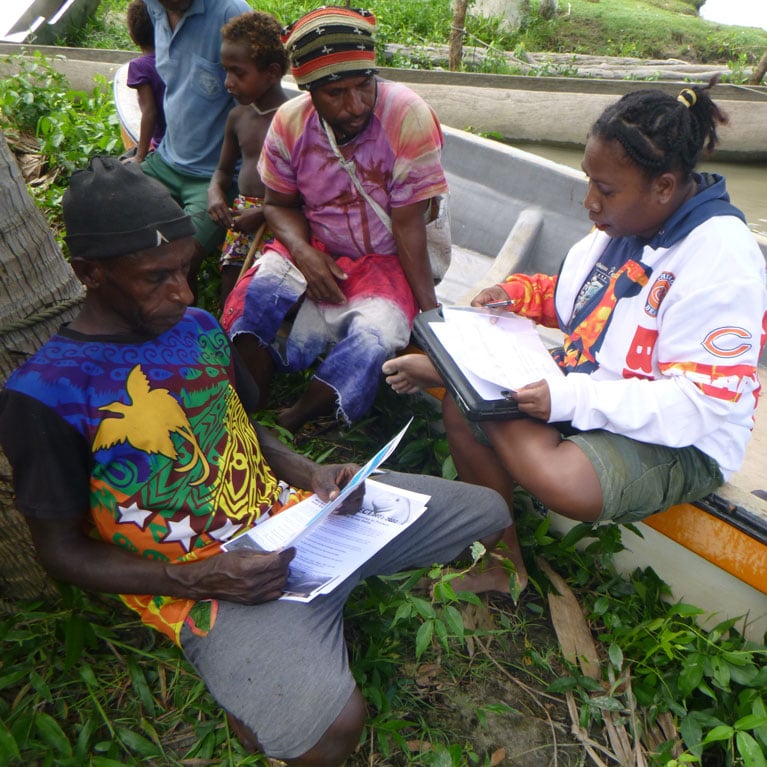
Keeping watch on winghead sharks in Papua New Guinea
PROJECT LEADER Yolarnie Amepou
Making sense of sharks, electromagnetic fields and magnetic senses
PROJECT LEADER Kyle Newton
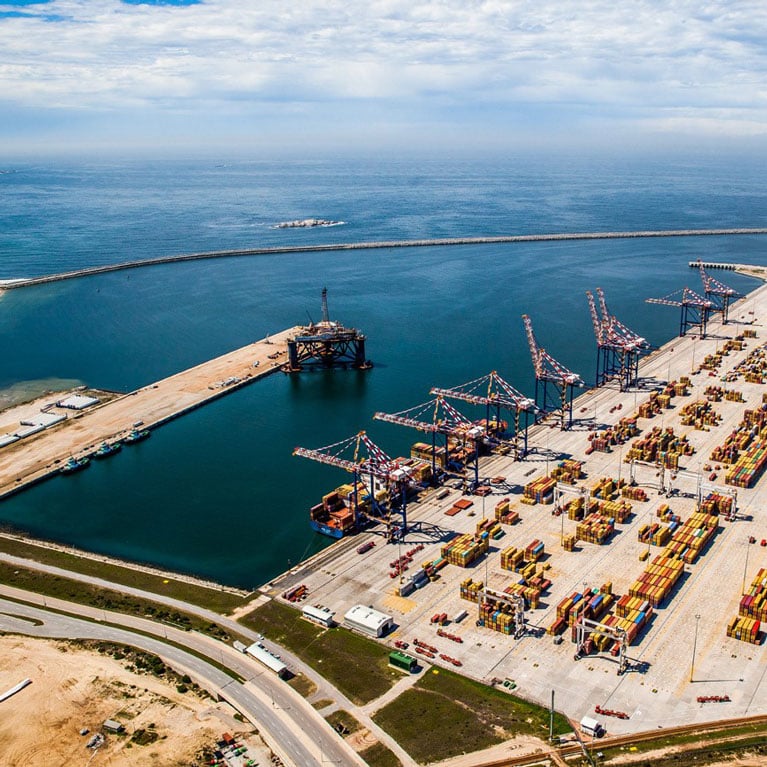
Can eco-engineering make a man-made ocean fish-friendly?
PROJECT LEADER Vivienne Dames
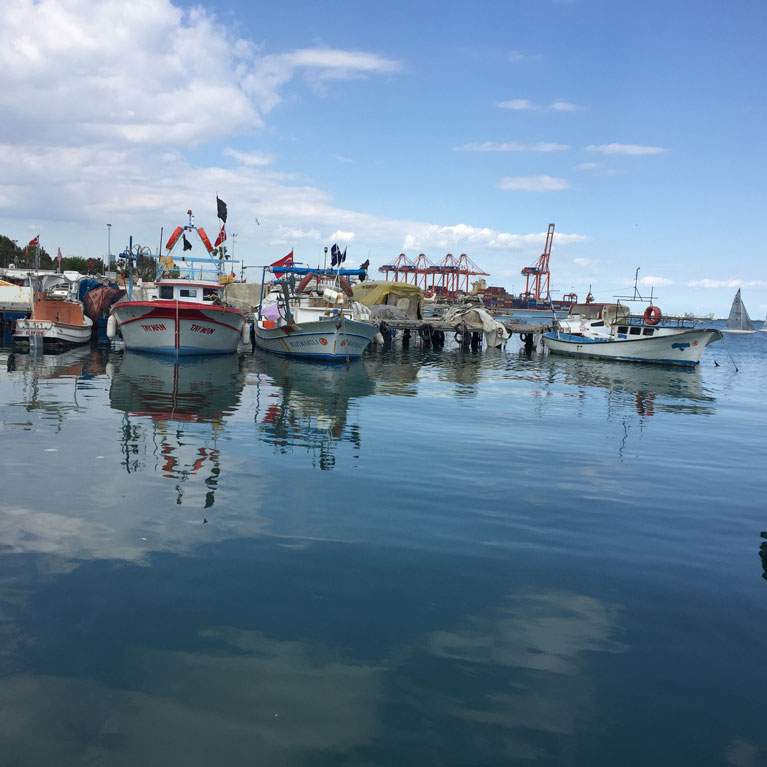
Trawling for solutions for effective guitarfish conservation
PROJECT LEADER İsmet Saygu
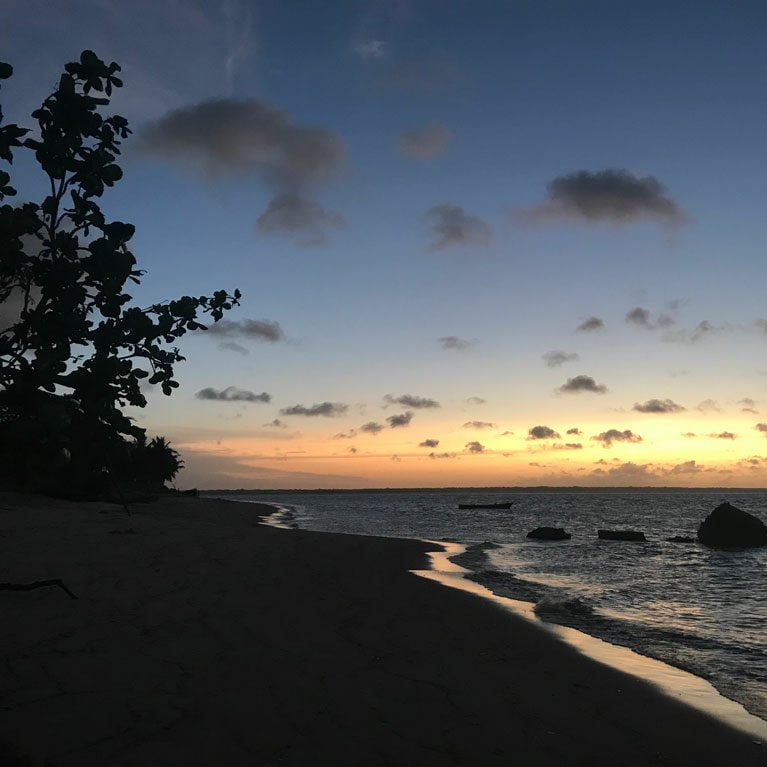
Conserving largetooth sawfish on the Amazonian coast
PROJECT LEADERS Patricia Charvet, Vicente Faria
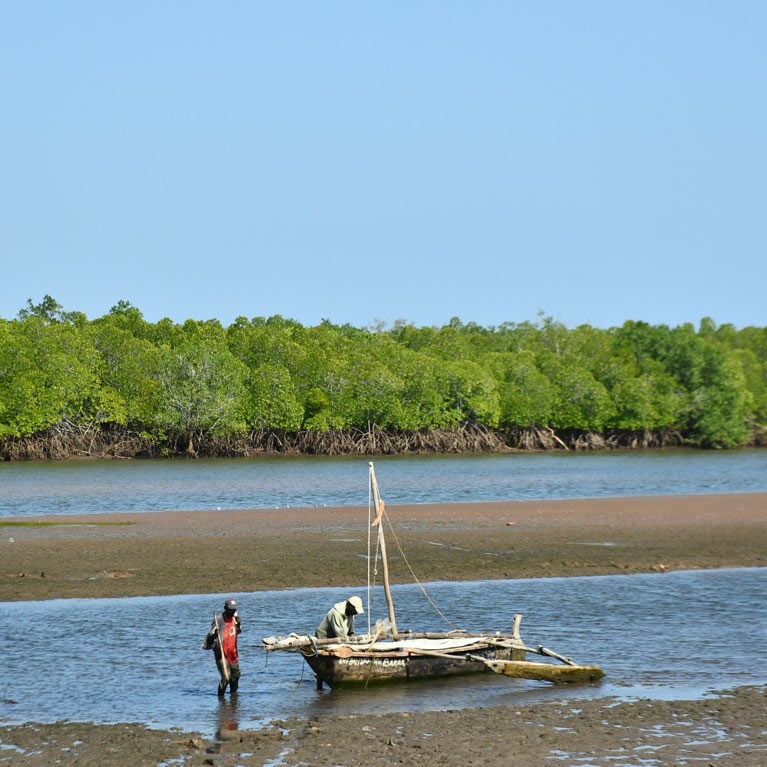
Connecting local fishers, their histories and the halavi guitarfish
PROJECT LEADER Victor Alati
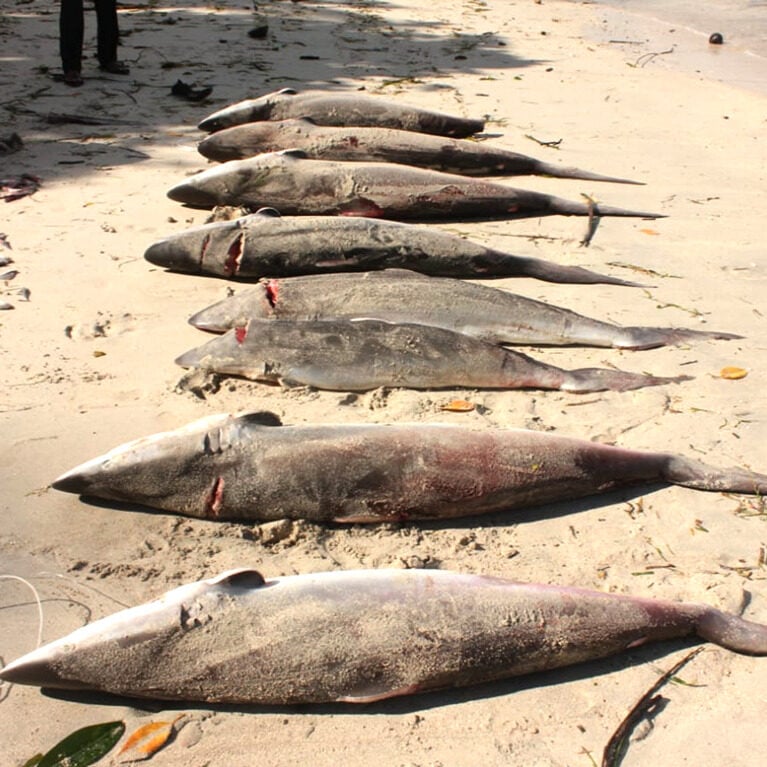
The sustainability of shark fisheries in Indonesia
PROJECT LEADER Citra Septiani
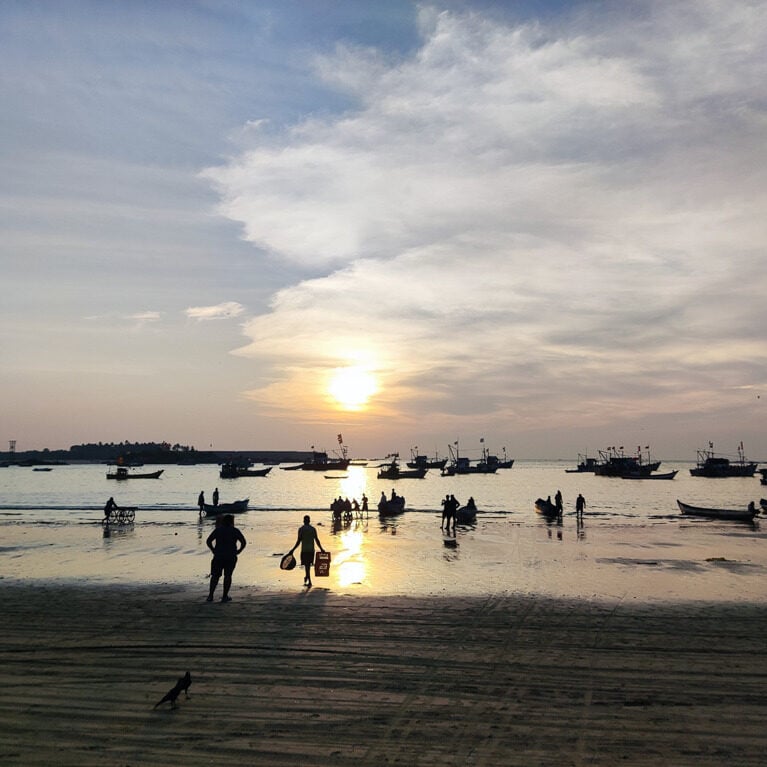
Getting to grips with sharks and rays in India’s fisheries
PROJECT LEADER Imran Samad
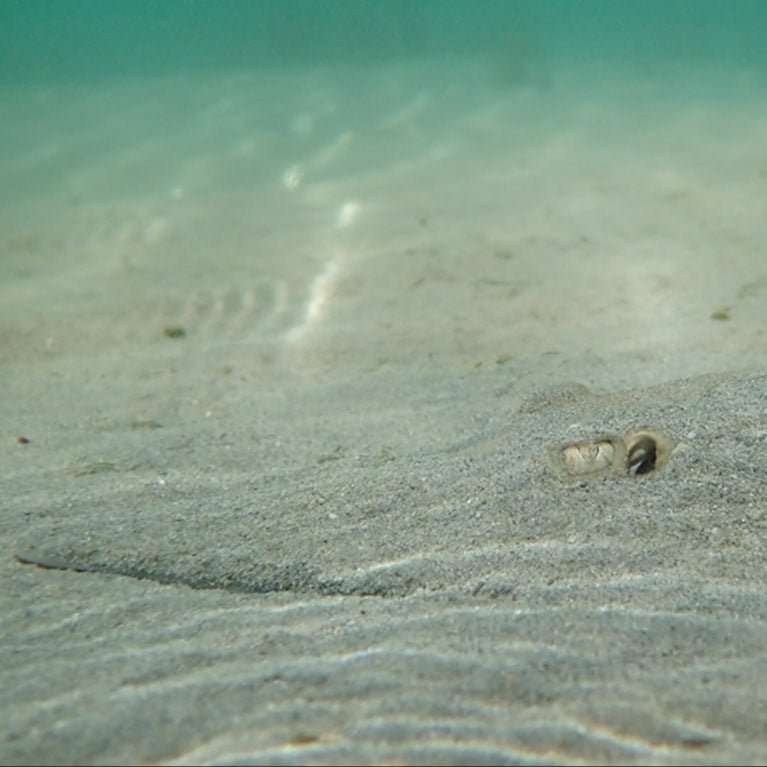
Nurseries for giant guitarfish of the Andaman Islands
PROJECT LEADER Evan Nazareth
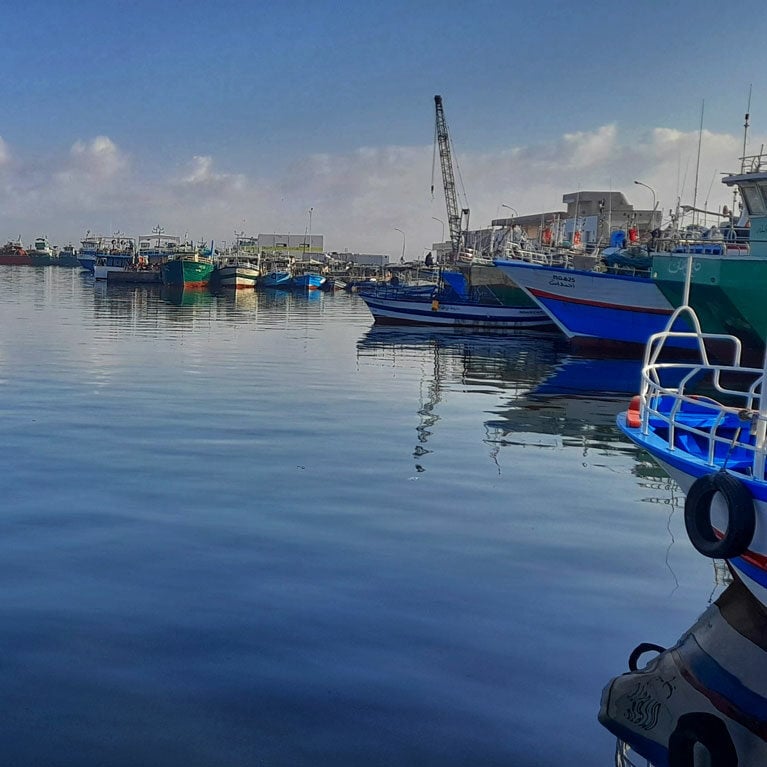
Turning the tide for sharks in Tunisia’s Gulf of Gabes
PROJECT LEADER Rihab Louhichi
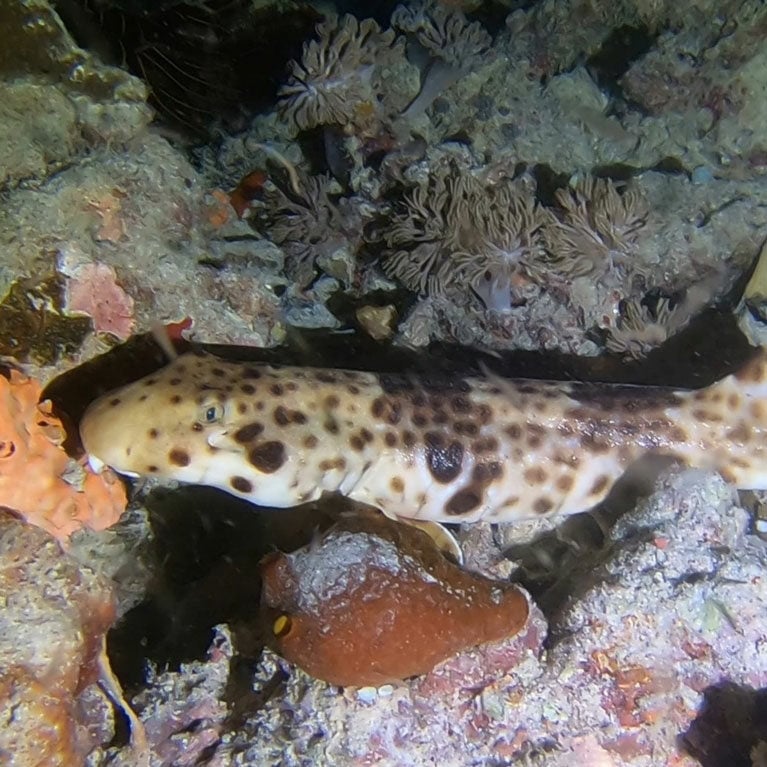
Tracking declines in protected waters
PROJECT LEADER Muhammad Wiralaga Dwi Gustianto
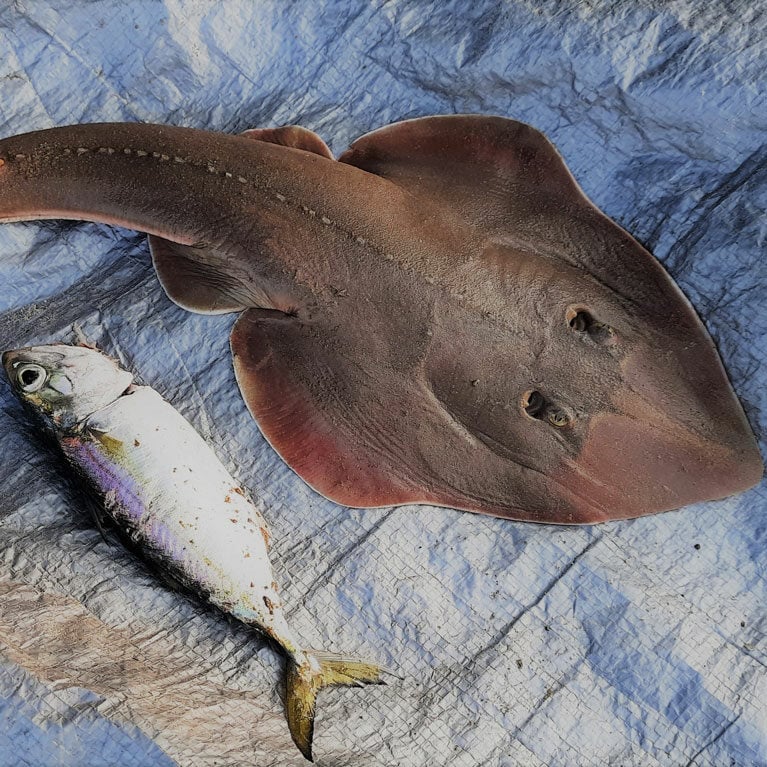
The guitarfish of Goa, western India
PROJECT LEADER Trisha Gupta
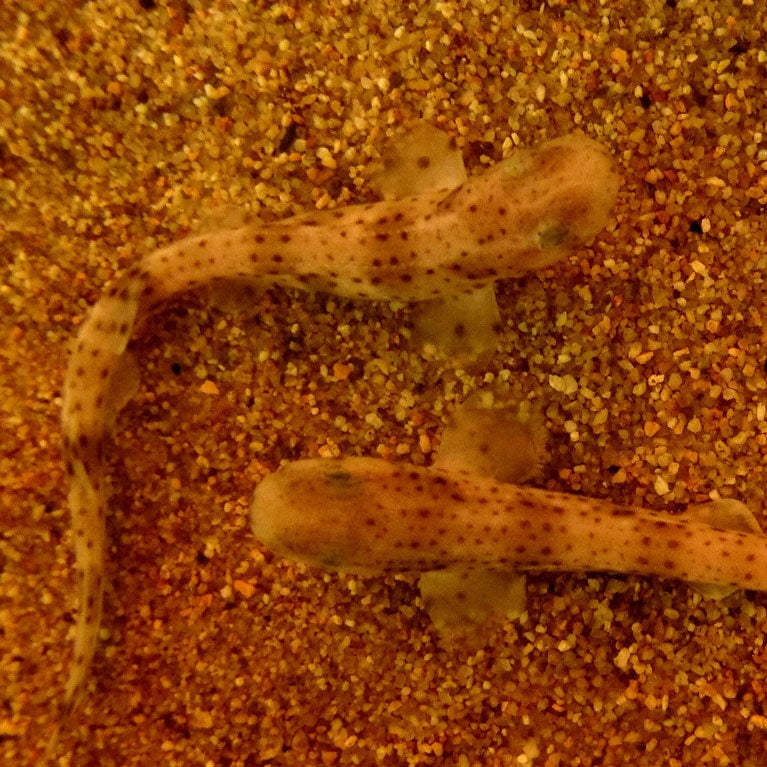
Bringing up baby: shark embryos and our warming oceans
PROJECT LEADER Noémie Coulon
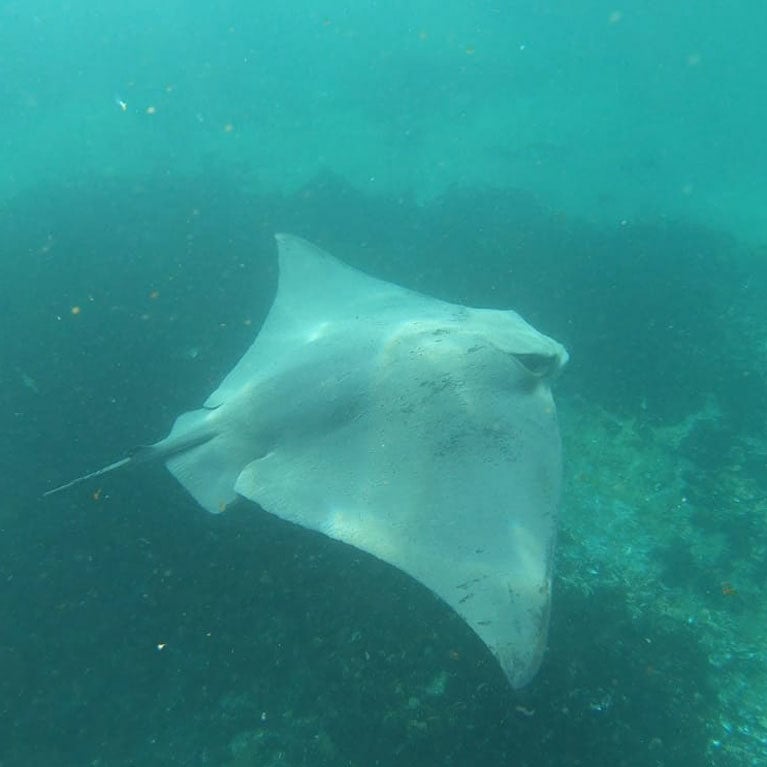
An eye on the eagle rays of northern Chile
PROJECT LEADER Ana Maria Garcia Cegarra
Going round in circles: clarifying the distribution of round stingrays in the Mexican Pacific
PROJECT LEADER Ana Castillo-Páez
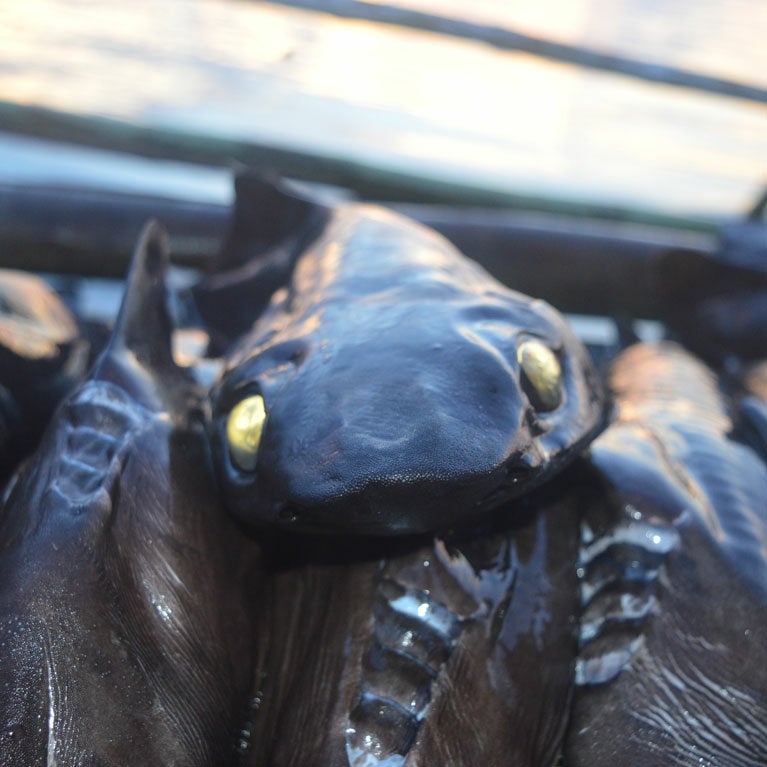
Sharks of the deep in the Sulu Sea
PROJECT LEADER Titus Cañete
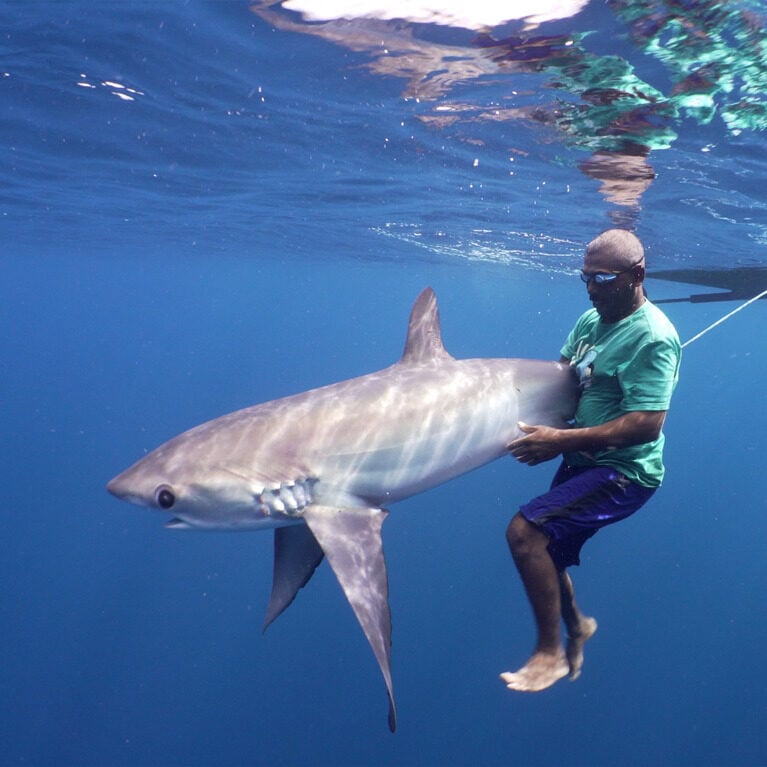
The thresher sharks of Rhun Island
PROJECT LEADER Rafid Shidqi
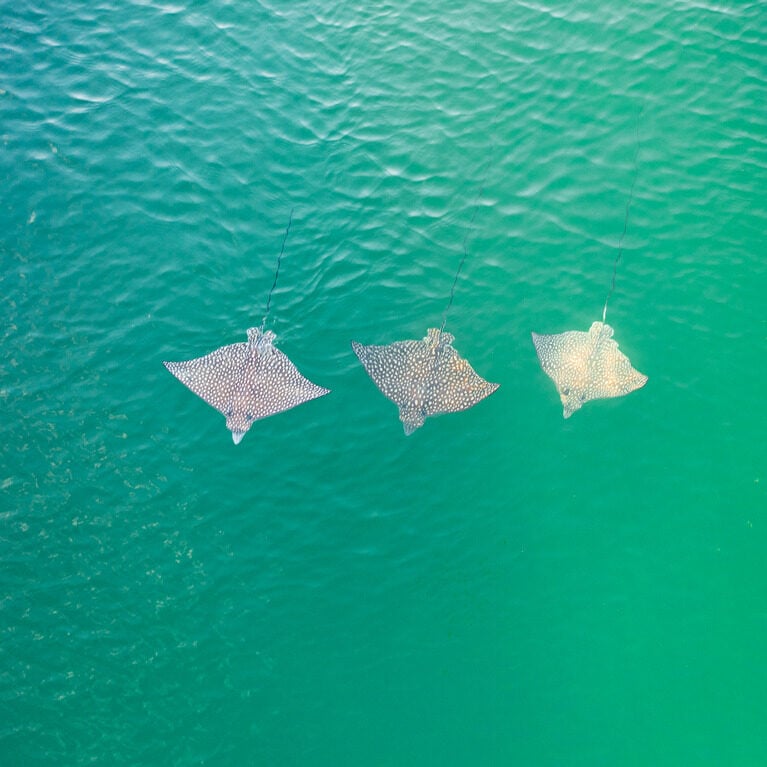
Nurseries for Florida’s protected whitespotted eagle ray
PROJECT LEADER Ariadna Rojas Corzo
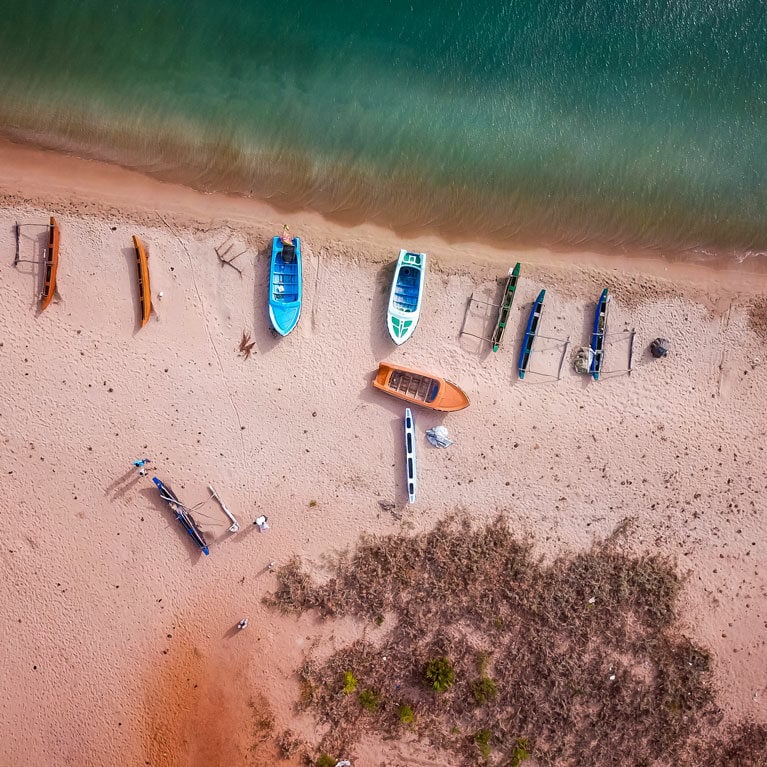
Rising temperatures, shrinking rays?
PROJECT LEADER Buddhi Pathirana
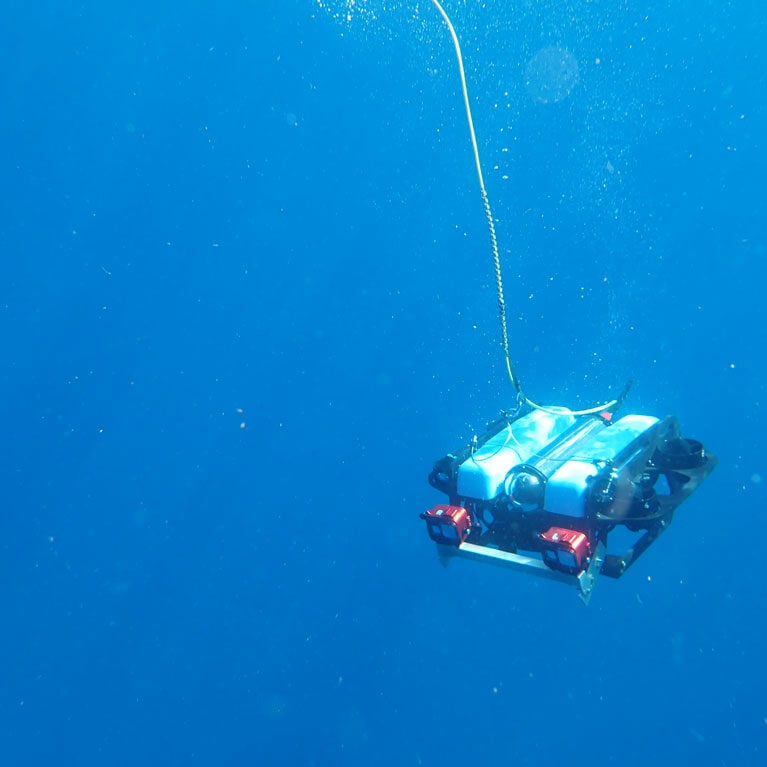
Night moves
PROJECT LEADER Martina Lonati
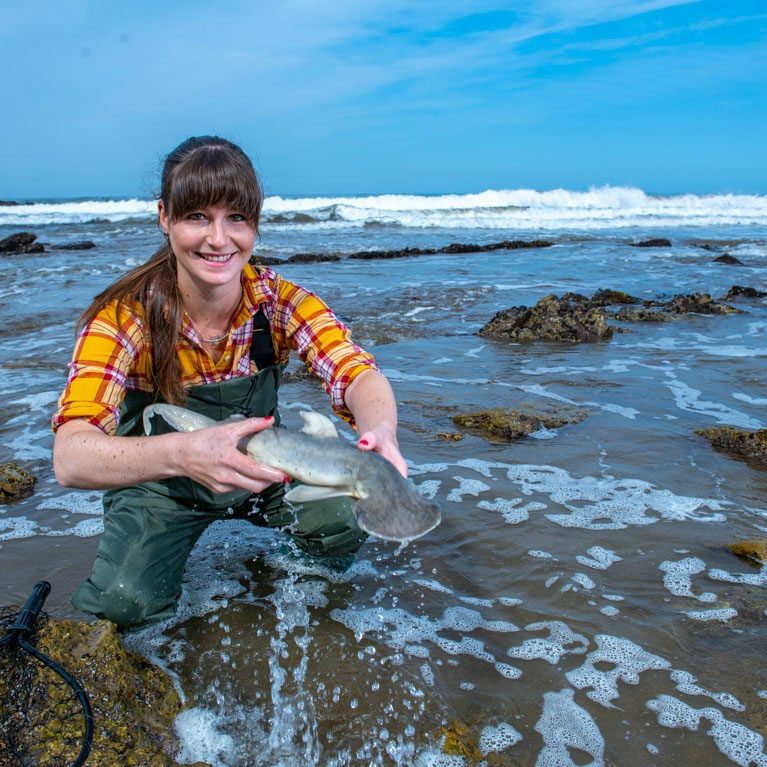
Learning from sharks to combat microplastics
PROJECT LEADER Samantha Leigh
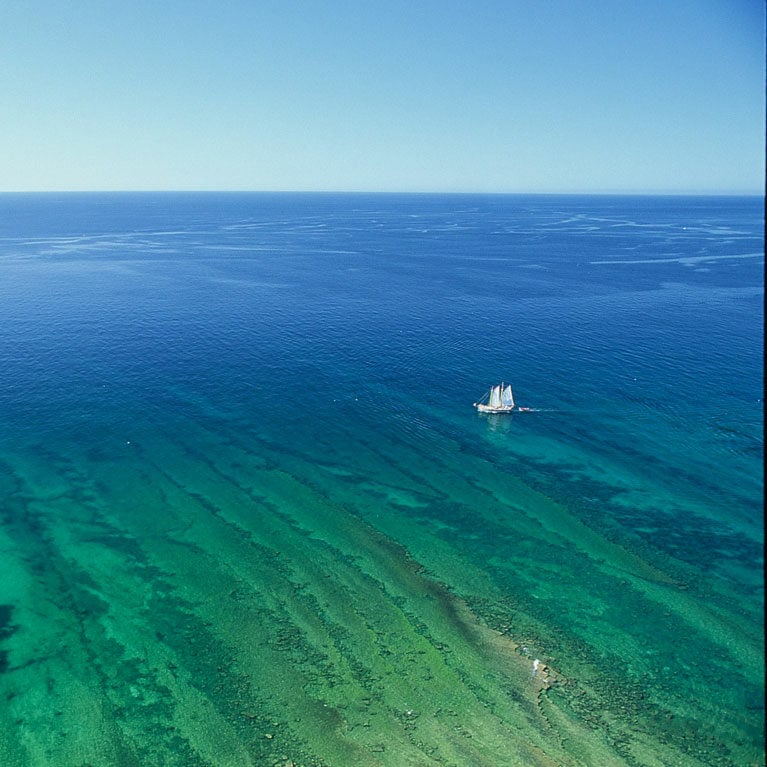
Essential habitats for smooth hammerheads
PROJECT LEADER Miguel Gandra
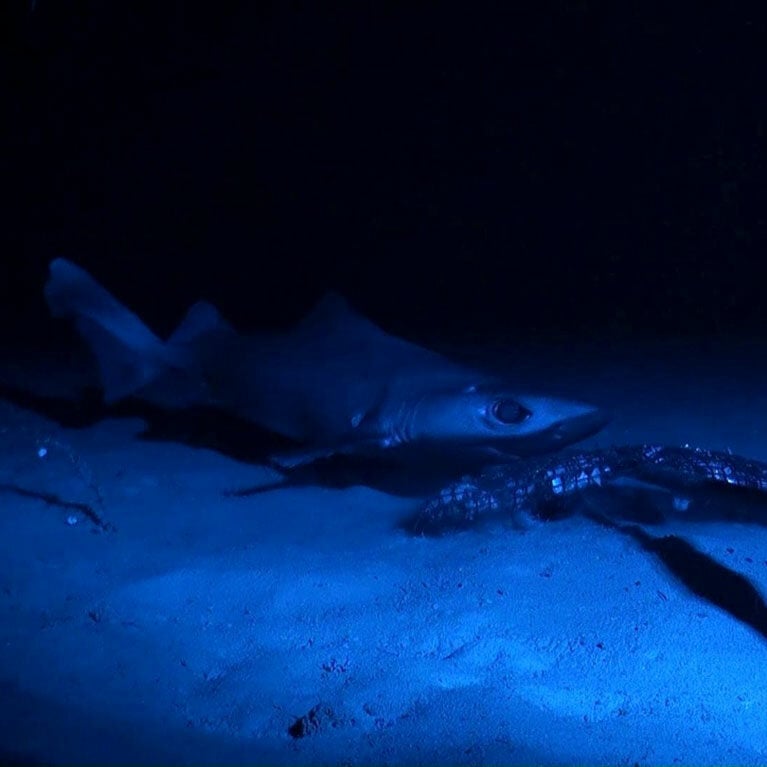
Deep trouble? Gulper sharks and longline fisheries in New Zealand
PROJECT LEADER Brittany Finucci
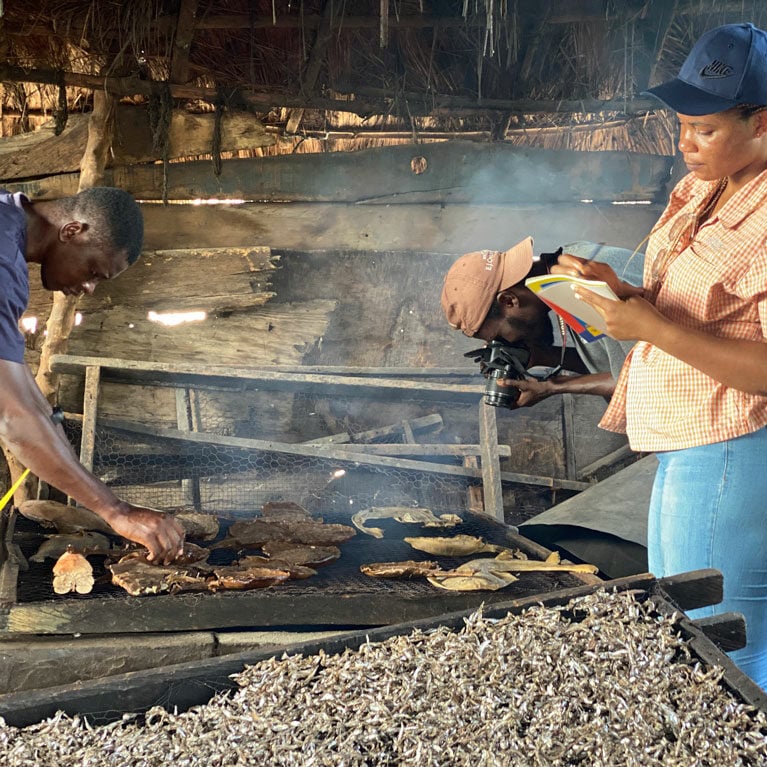
Protecting the African wedgefish in Ghana
PROJECT LEADER Bernard Eshun
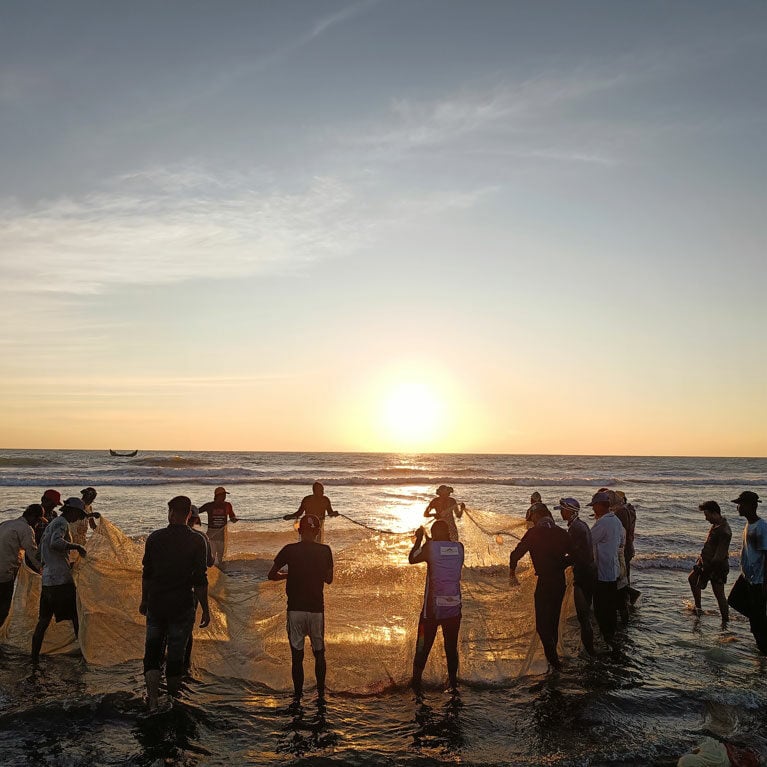
On a knife-edge: saving sharpnose guitarfish in the Bay of Bengal
PROJECT LEADER Durjoy Raha Antu
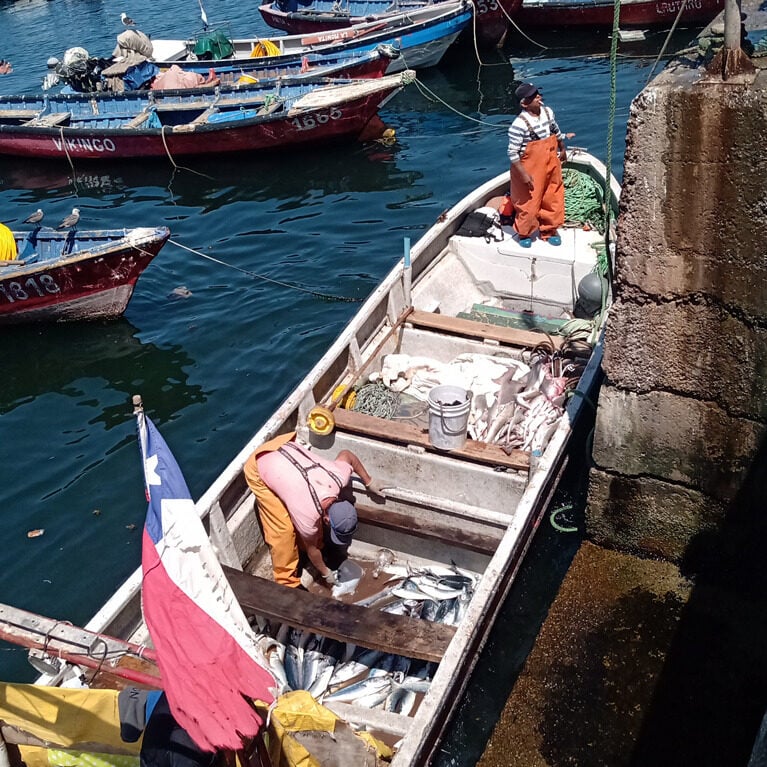
Sustainability for Chilean houndshark fisheries
PROJECT LEADER Carolina Vargas-Caro
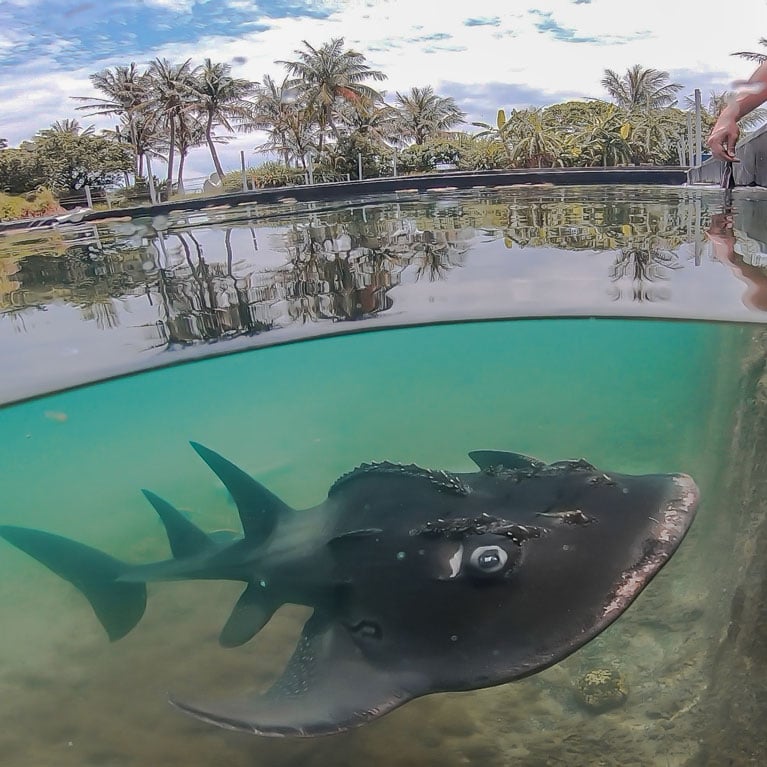
Tracking shark-like rays in Taiwan
PROJECT LEADERS Wei-Chuan Chiang, Kevin Weng
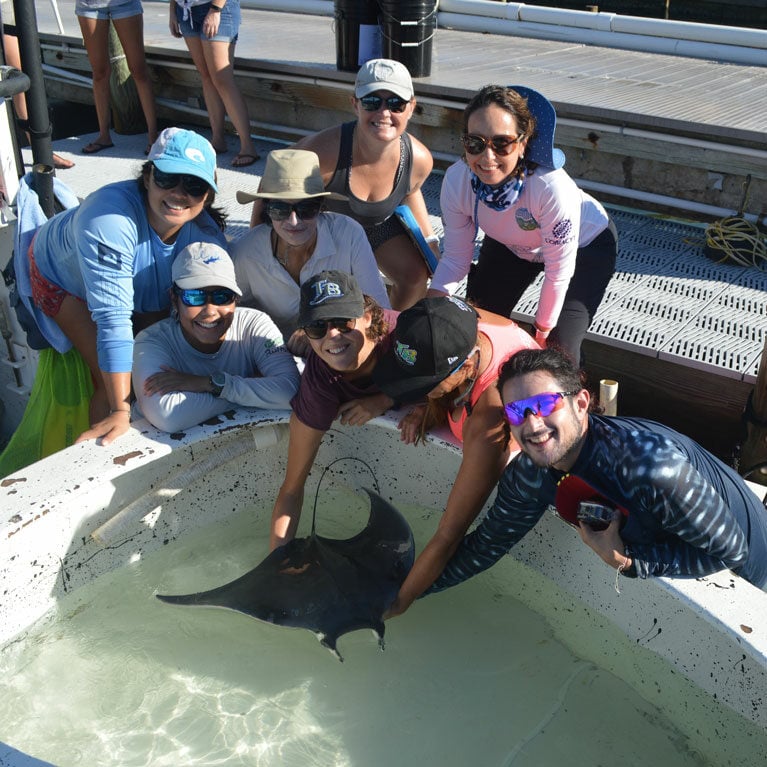
On a mission for missing information about ‘mini mantas’ in the Gulf of Mexico
PROJECT LEADERS Kim Bassos-Hull, Atlantine Boggio-Pasqua
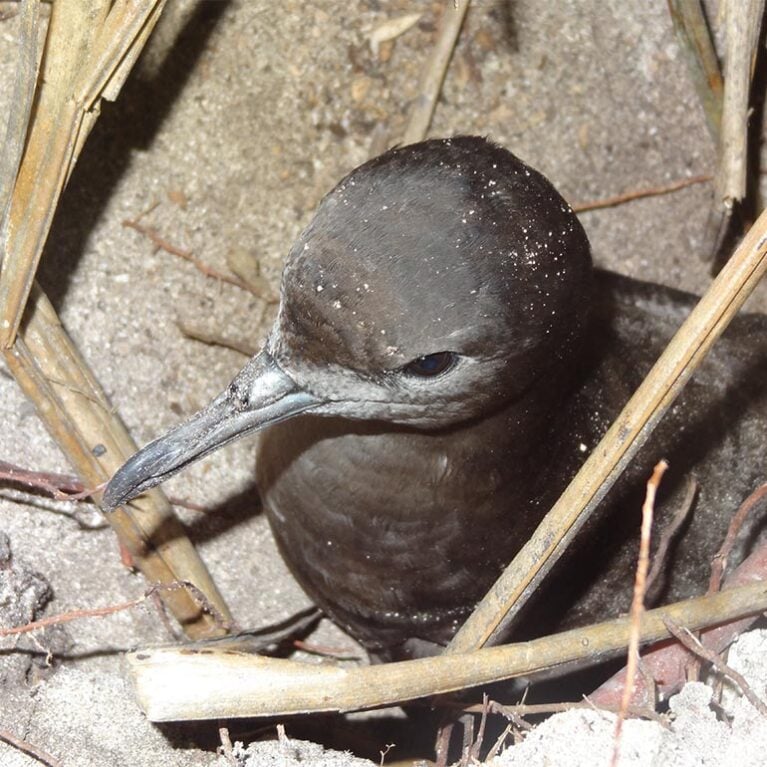
Ghost birds of St Joseph Atoll
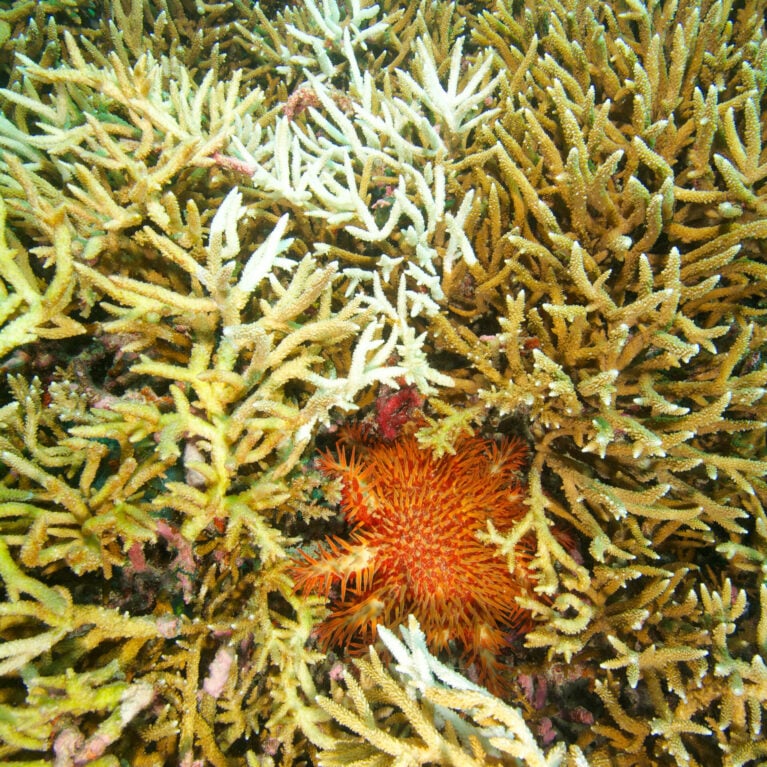
Changing coral — assessing reef health
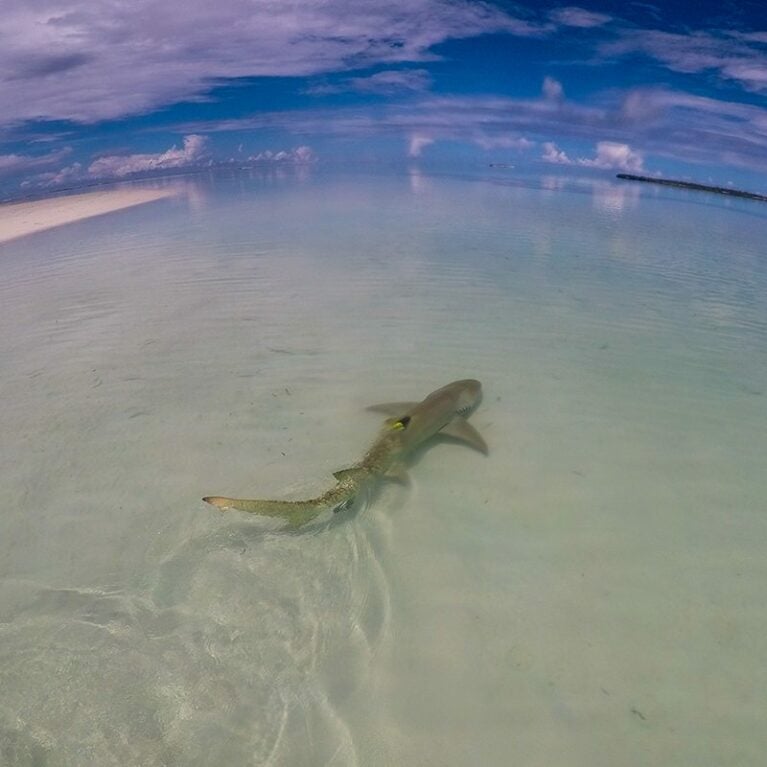
Motivation behind movements — the home range of sharks
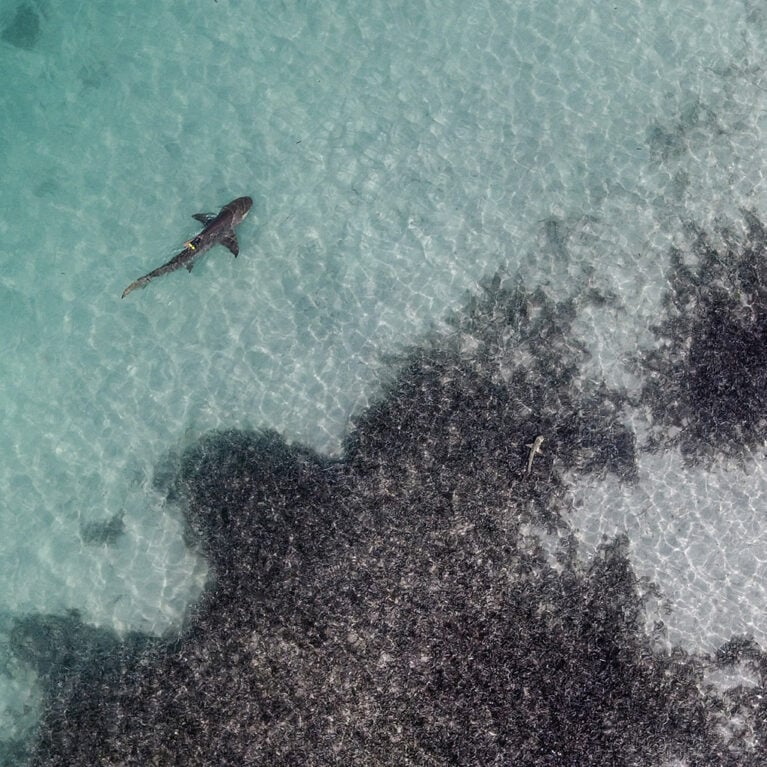
Accelerometers on sharks?
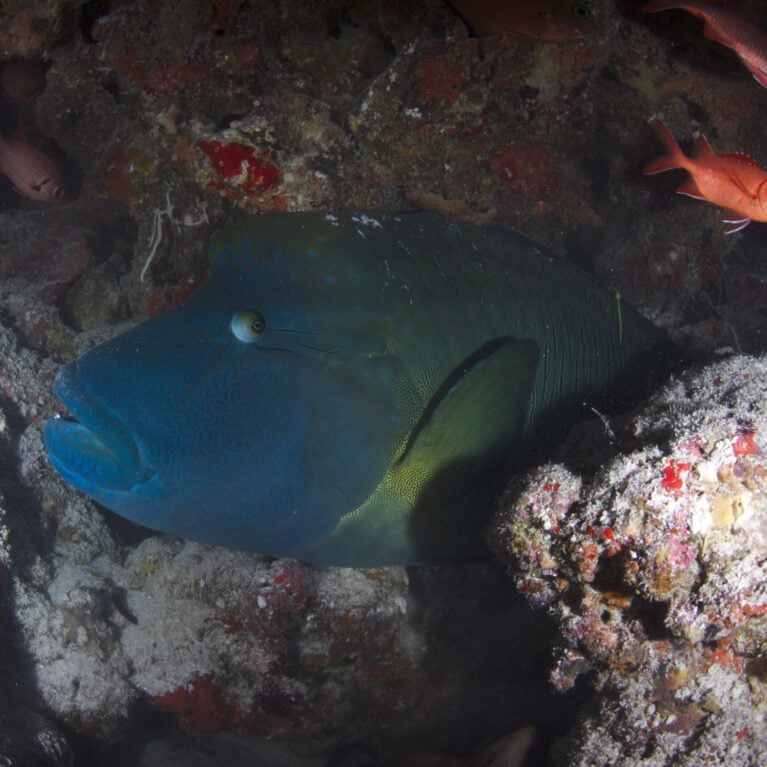
An Island Refuge
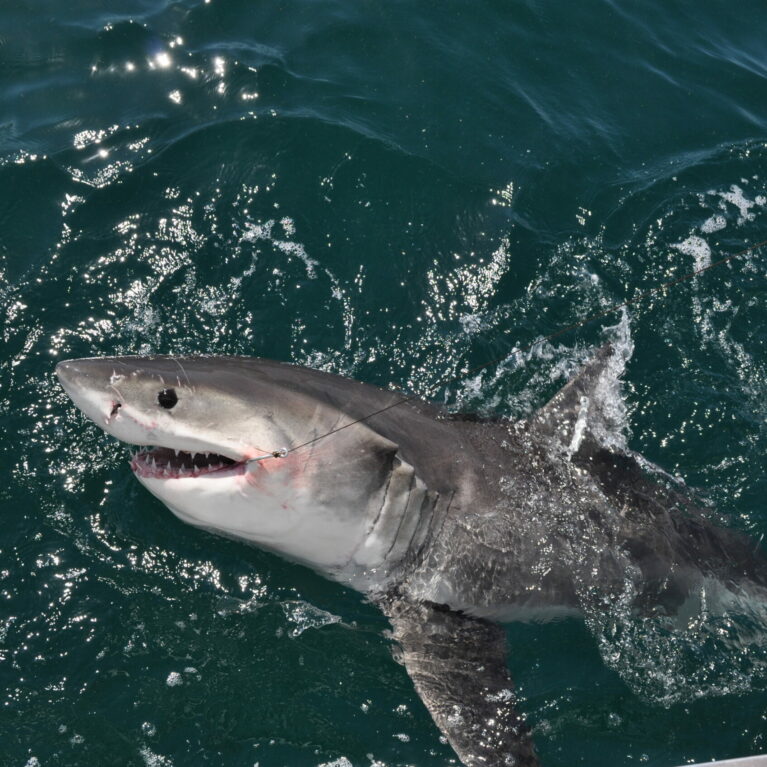
A new way to count white sharks
PROJECT LEADER Anna Simeon
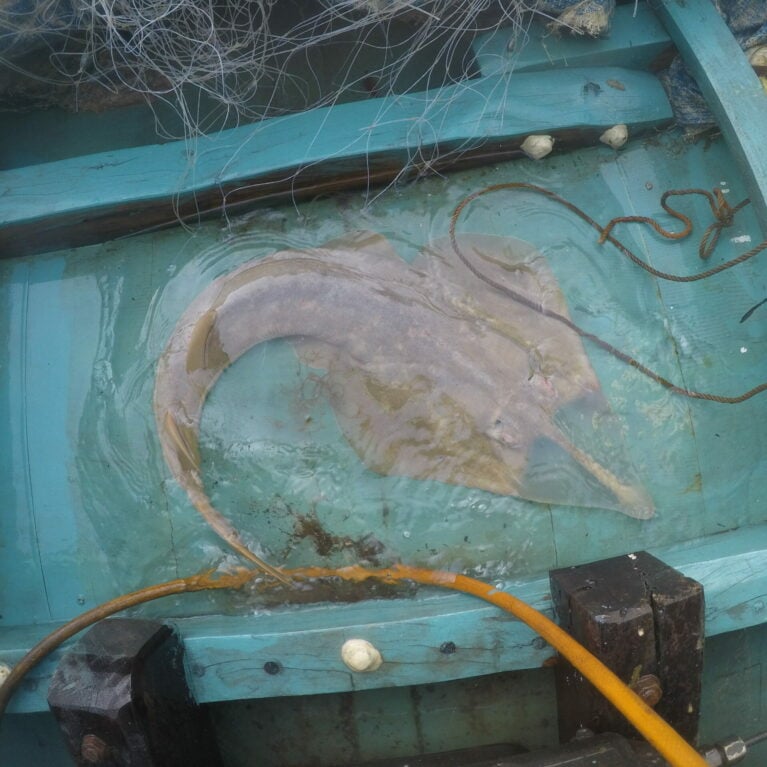
Karimunjawa – the last hope for Java’s giants?
PROJECT LEADER Faqih Akbar Alghozali
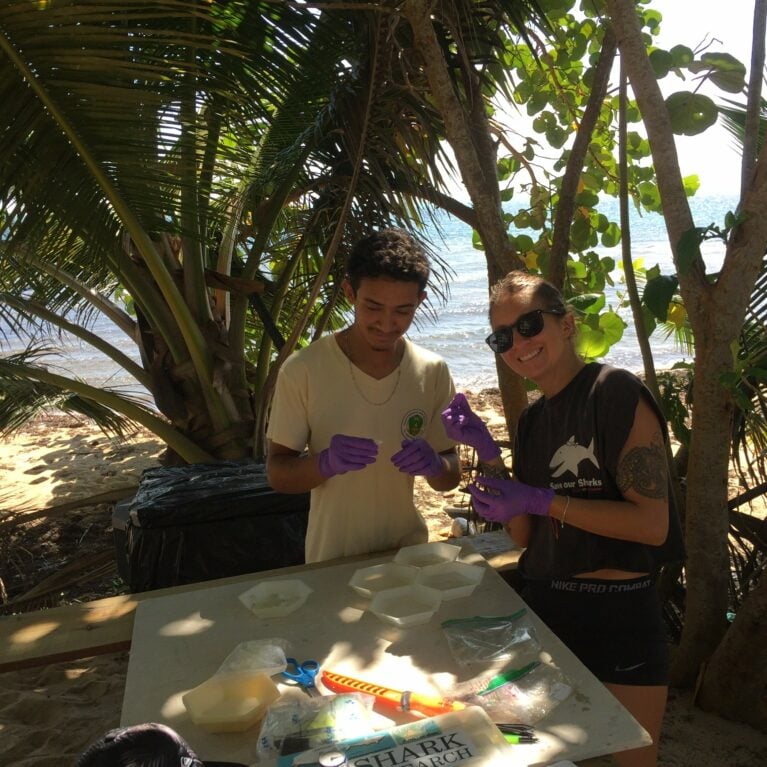
The same but different? Clarifying the origin of bonnethead sharks in Panama
PROJECT LEADER Cindy Gonzalez
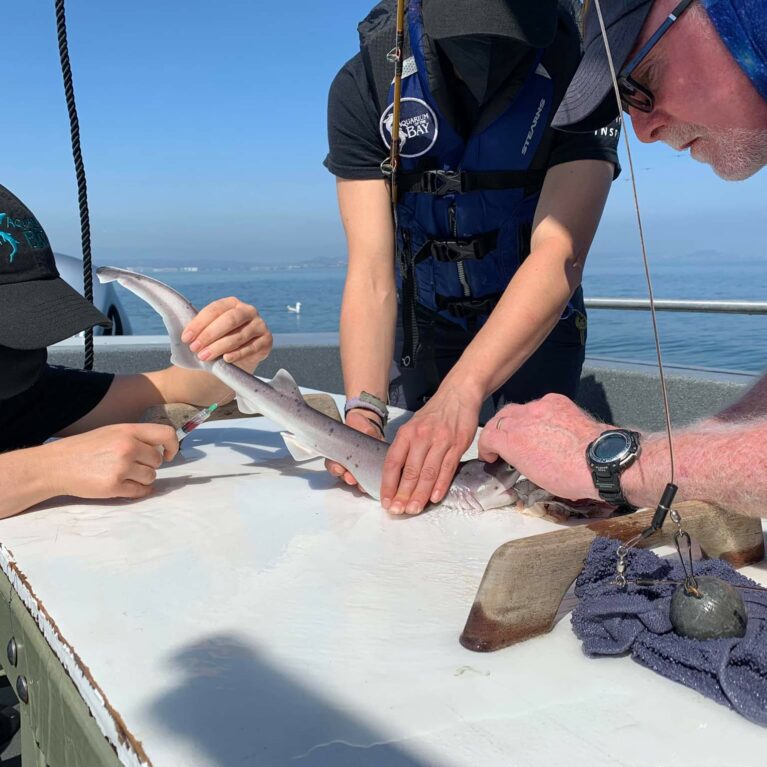
Sevengills sharks in San Francisco Bay
PROJECT LEADER Meghan Holst
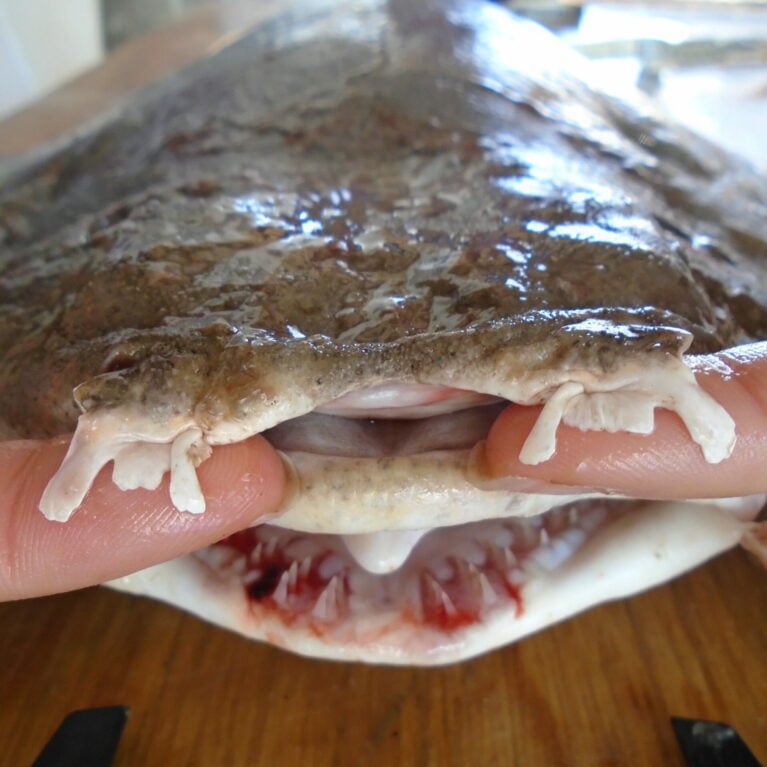
California’s cryptic angels
PROJECT LEADER Massiel Alfonso González
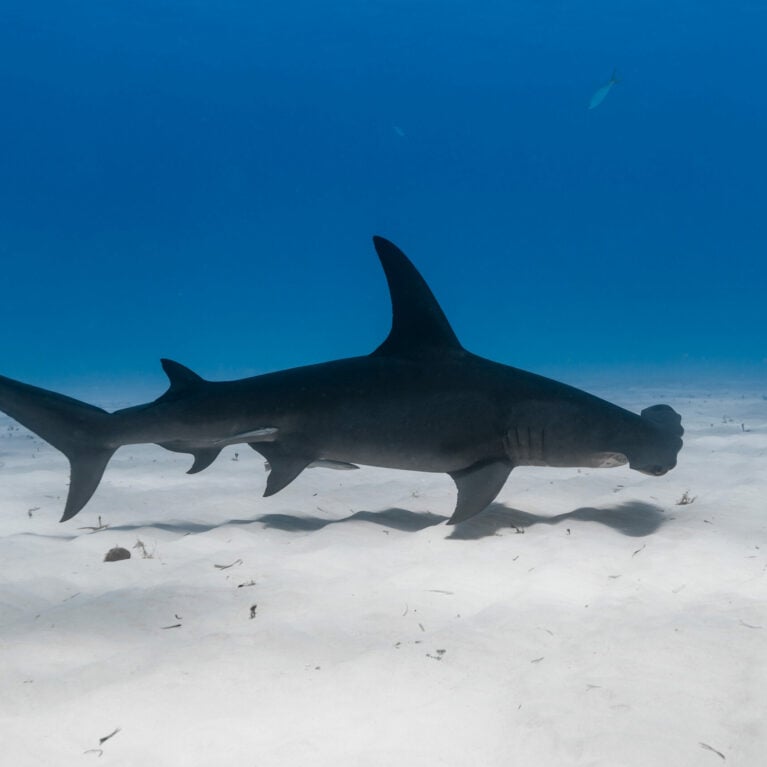
Shark Conservation Fund
PROJECT LEADER Lee Crockett
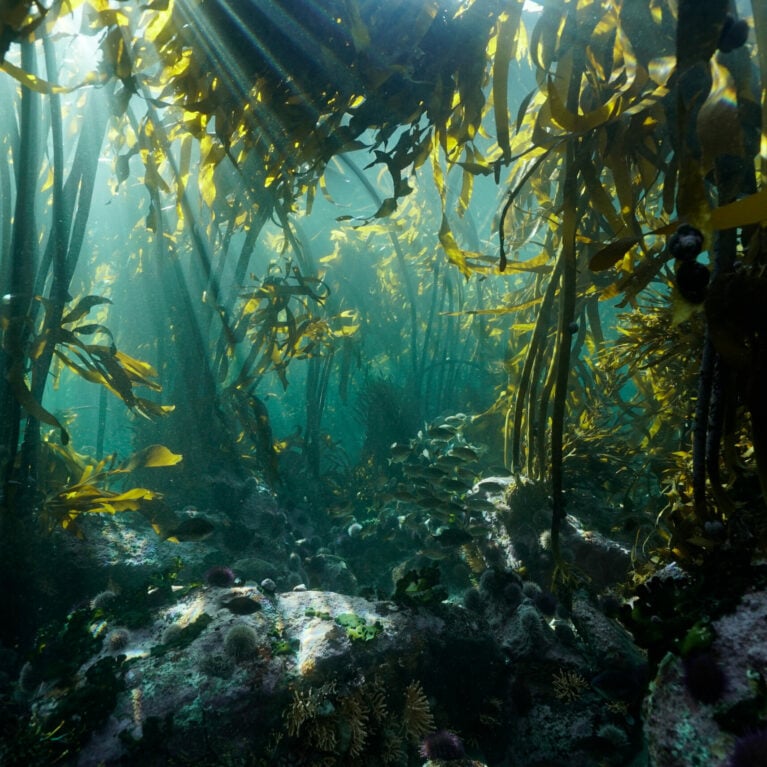
1001 Seaforest Species
PROJECT LEADERS Craig Foster, Jannes Landschoff
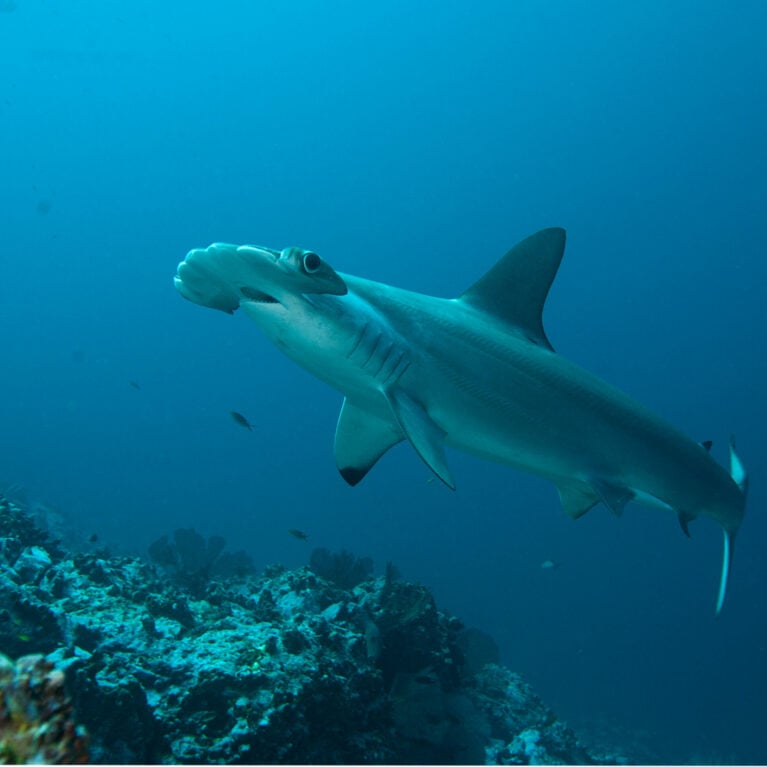
Documenting biodiversity in Colombia’s Malpelo MPA
PROJECT LEADER Sandra Bessudo
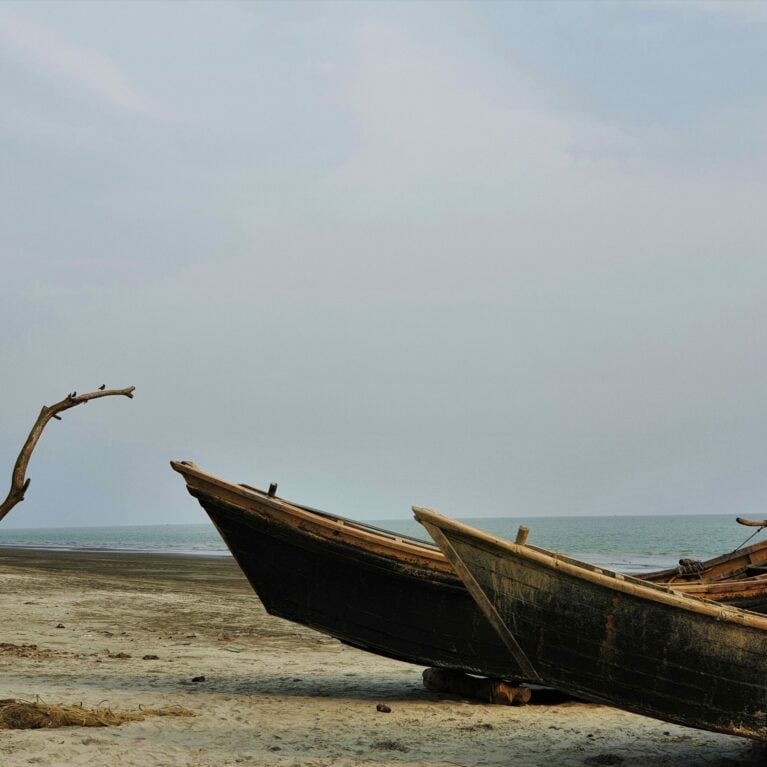
Hammerheads of the Bay of Bengal
PROJECT LEADER Nazia Hossain
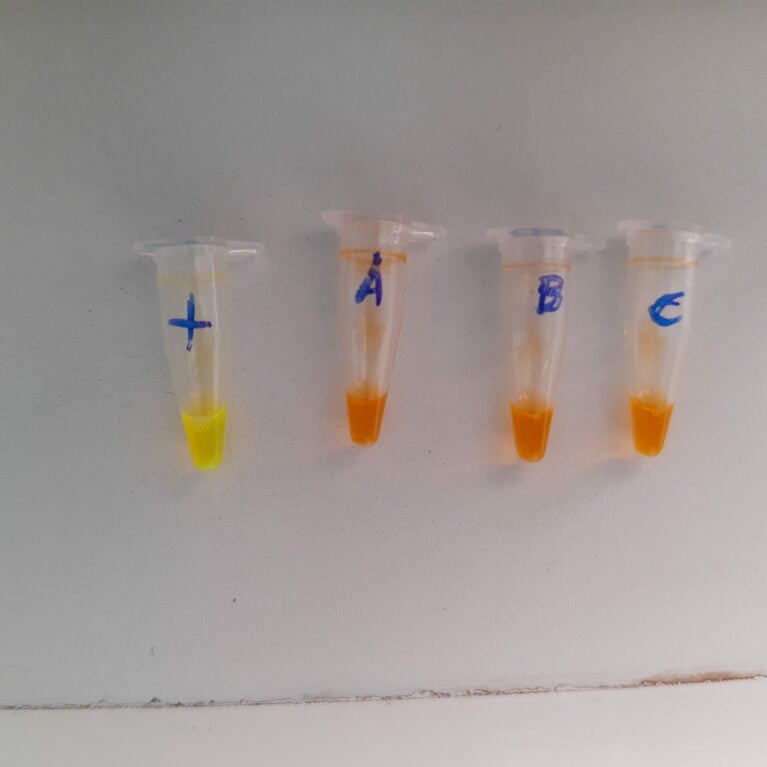
Shedding light: assessing LAMP to identify sharks in Mexico’s trade
PROJECT LEADER Alexis Jiménez-Pérez
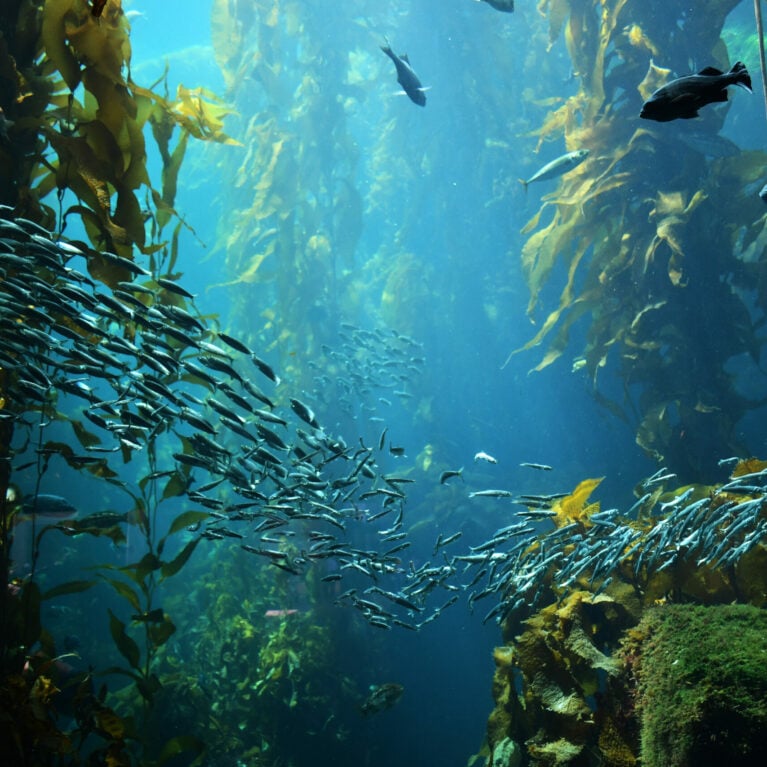
Kelp! Important ocean forests for sharks
PROJECT LEADER Emiliano García-Rodríguez
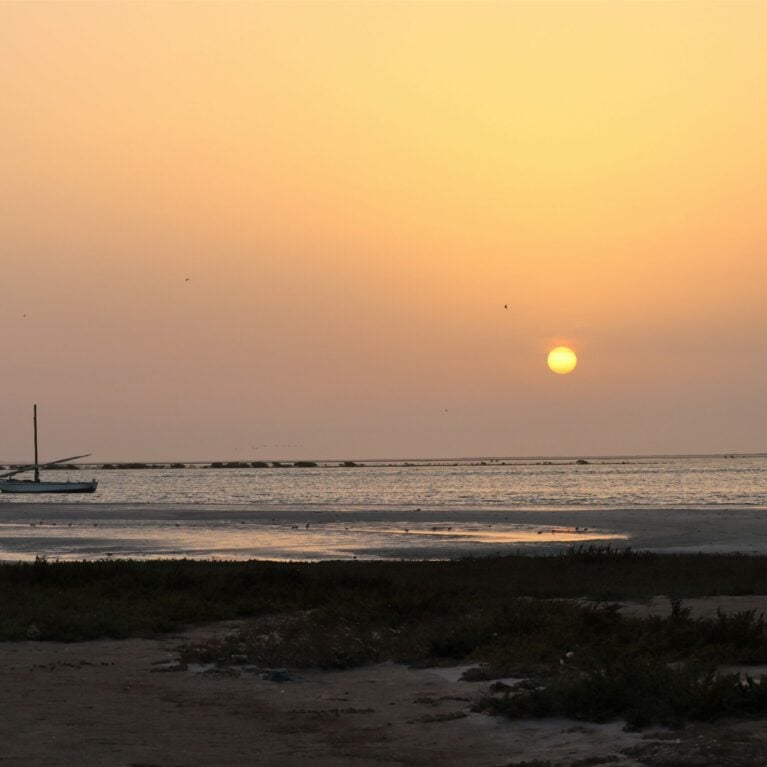
Taxonomy and phylogeny of sharks and rays in Mauritania
PROJECT LEADER Carolina de la Hoz Schilling
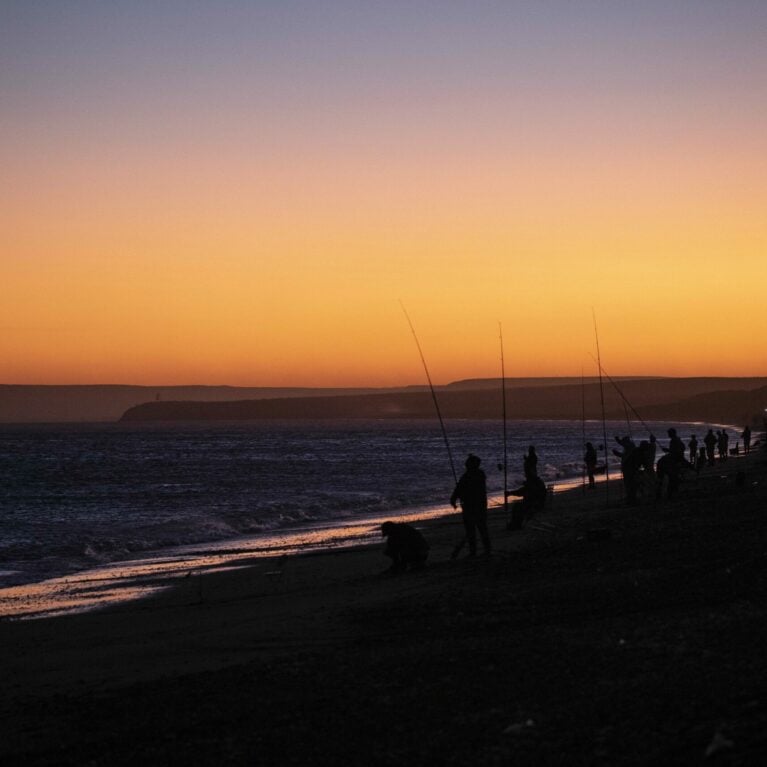
Forecasting the future: pollution and sharks
PROJECT LEADER Franco Cristiani
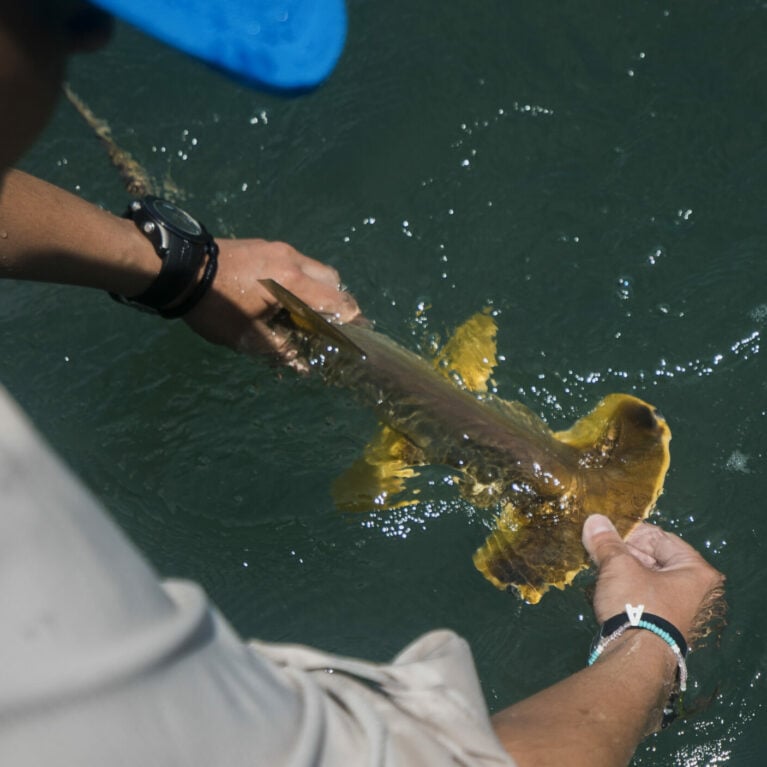
Home sweet home for Colombian hammerheads
PROJECT LEADER Maria Alejandra Herrera
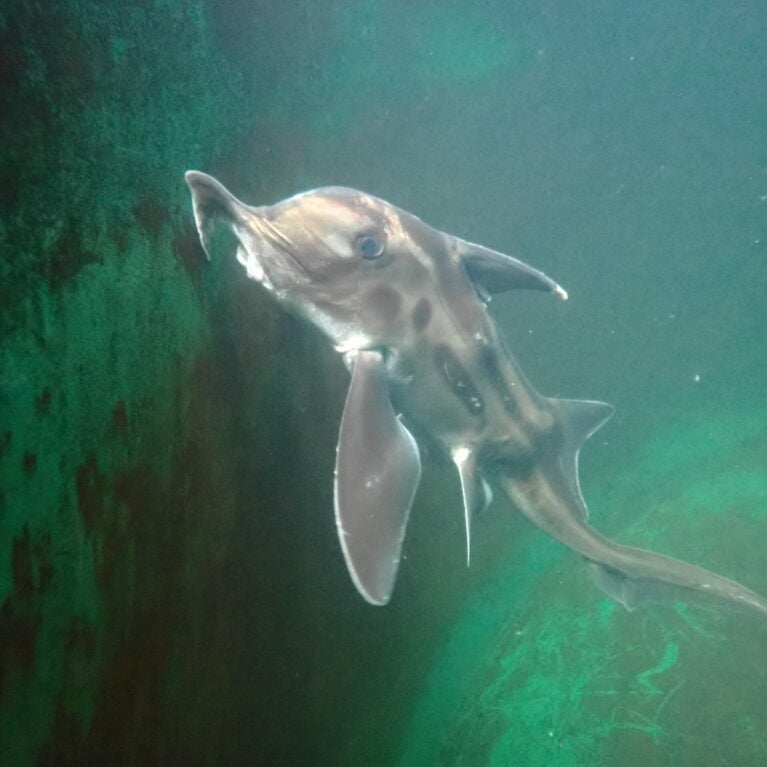
The ghost of oceans future
PROJECT LEADER Lucille Chapuis
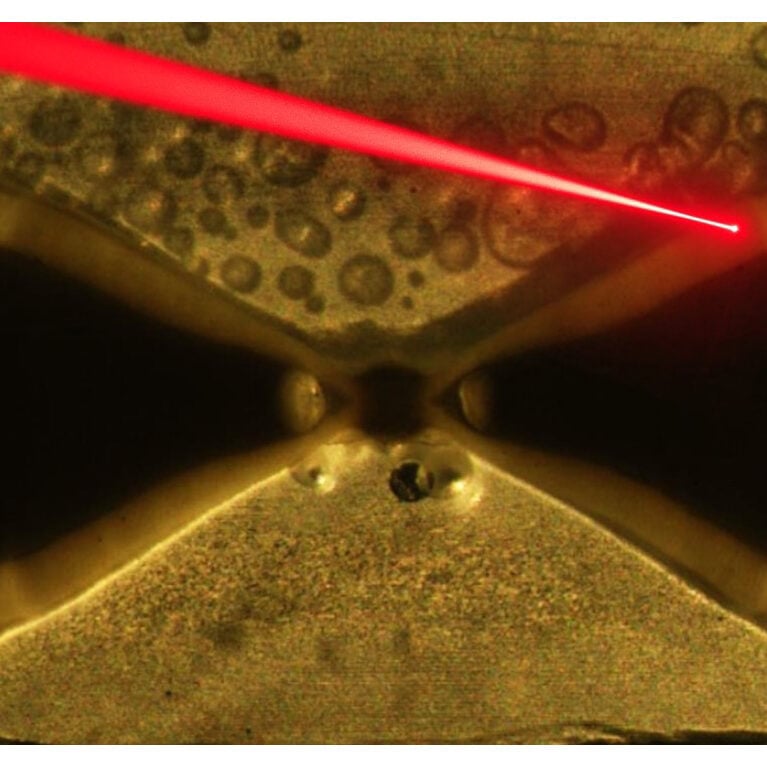
Forever young: new ways to age sharks
PROJECT LEADER Brandon Mahan
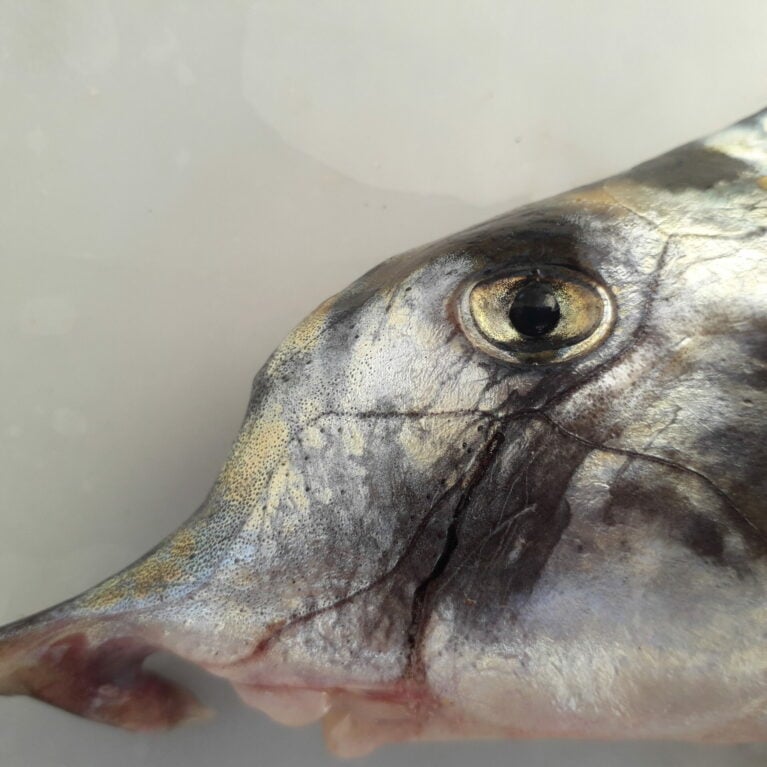
The elephant in the room: are two populations actually one?
PROJECT LEADER Francisco Concha
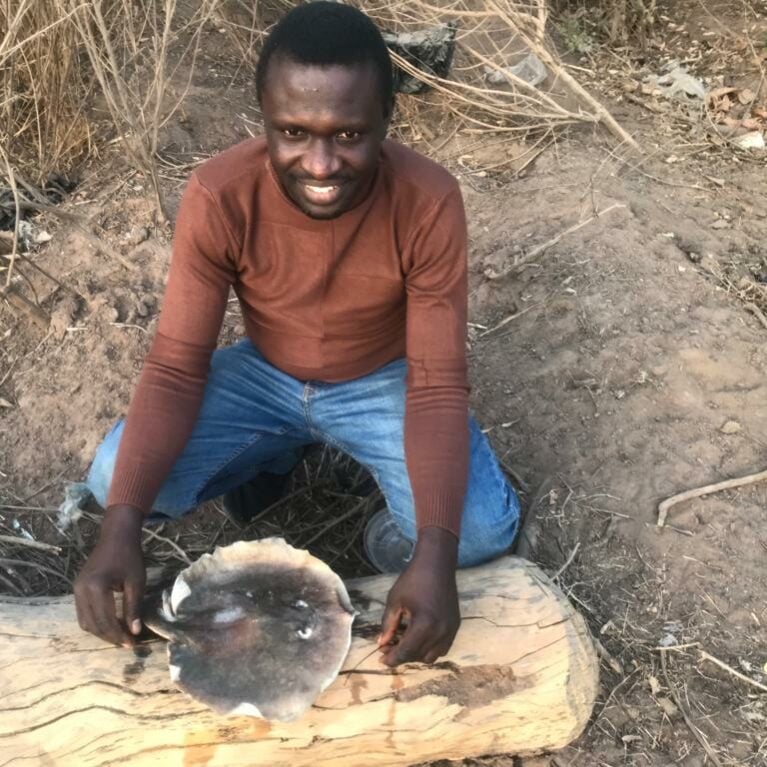
Pinpointing new information for Nigeria’s pincushion ray
PROJECT LEADER Segun Oladipo
Gut feeling: the impact of heavy metals on shark microbiomes
PROJECT LEADER Miguel A. Tripp Valdez
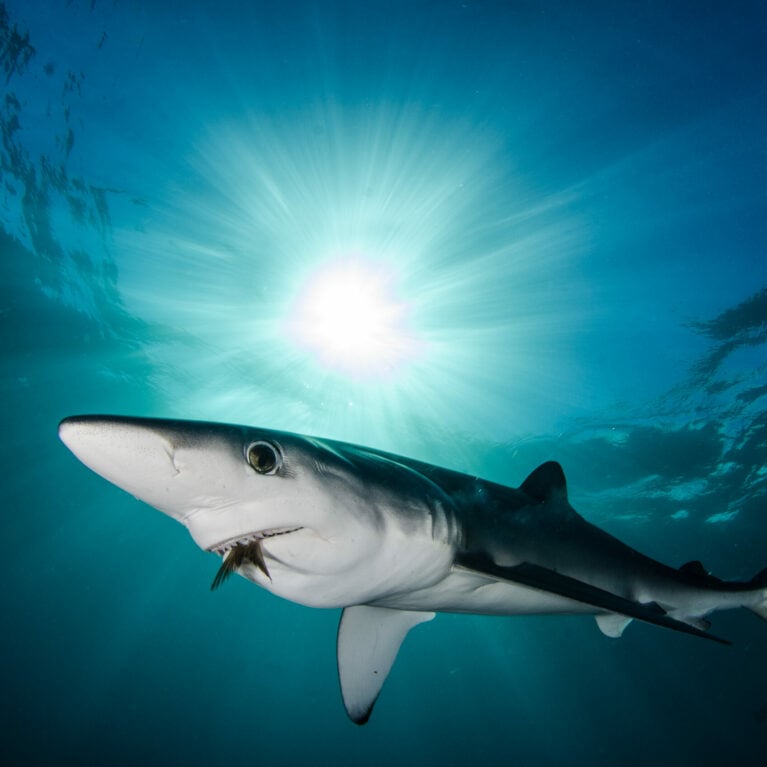
Going viral: understanding viral RNA diversity in sharks
PROJECT LEADER Fabiana Neves
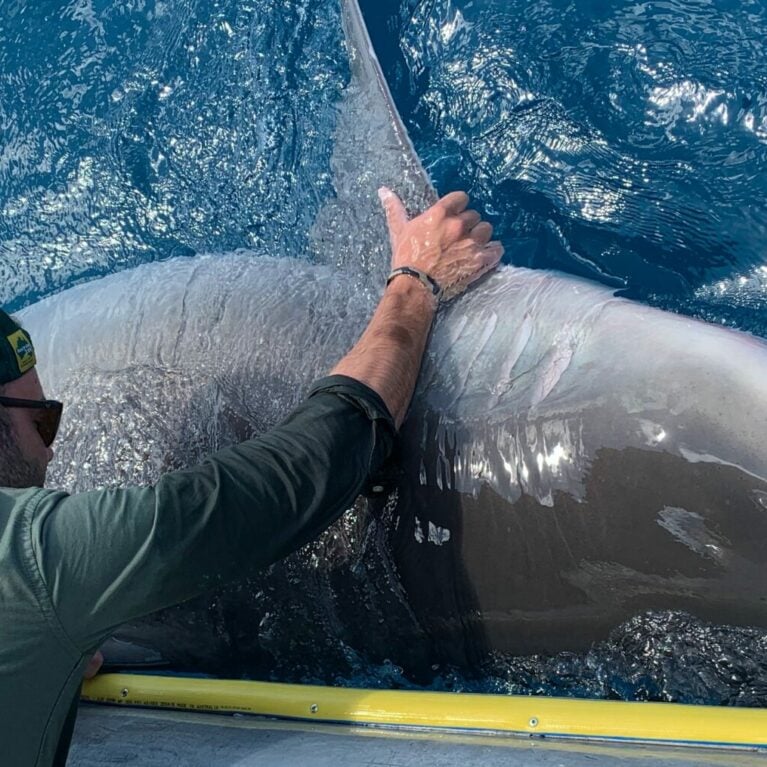
Coming home: movement patterns of Australian bull sharks
PROJECT LEADER Nicolas Lubitz
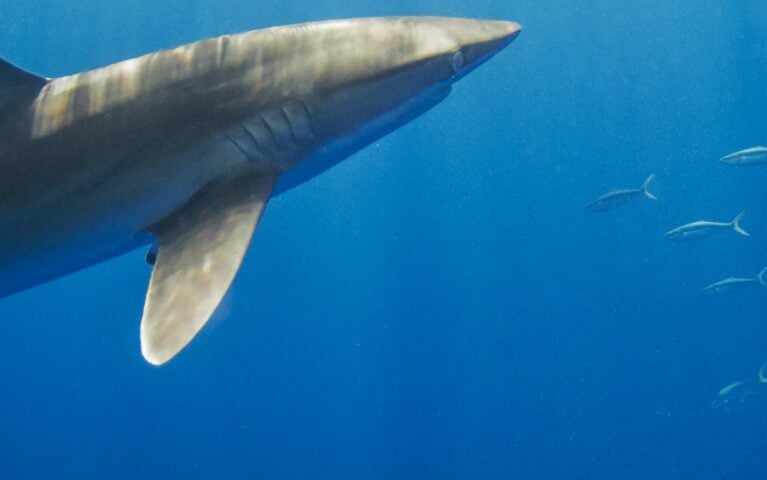
Not just a FAD: protecting silky sharks in fishing hotspots
PROJECT LEADER Bryan Keller
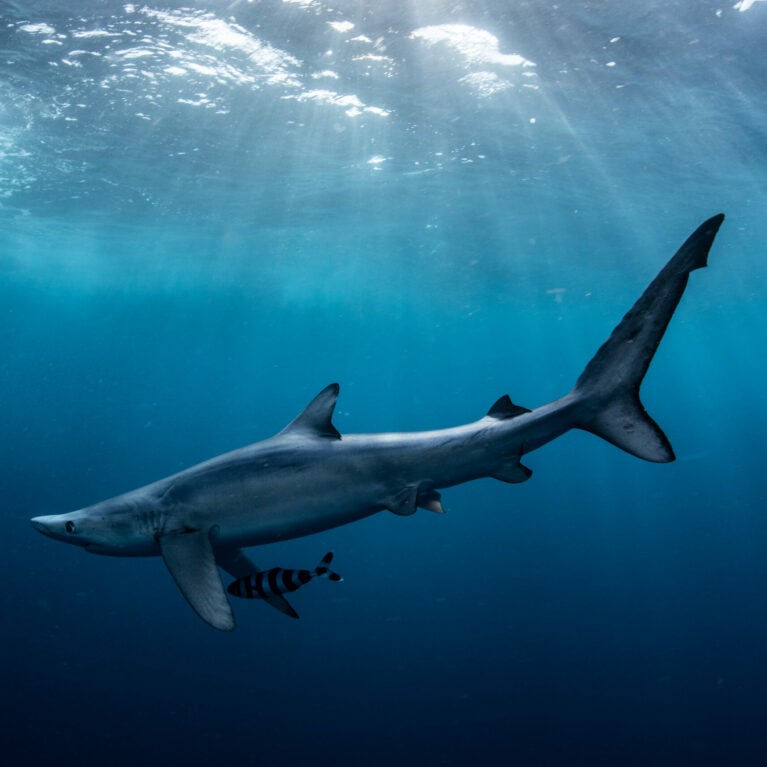
Baby blues? Female blue sharks in Irish waters
PROJECT LEADER Jenny Bortoluzzi
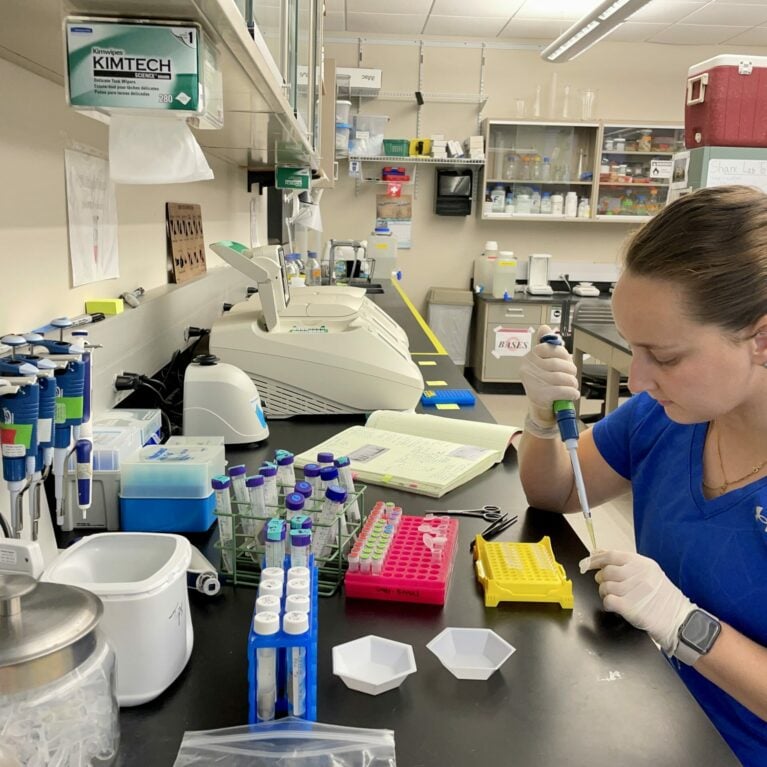
Coping with climate: is it in the genes?
PROJECT LEADER Eloise Cave
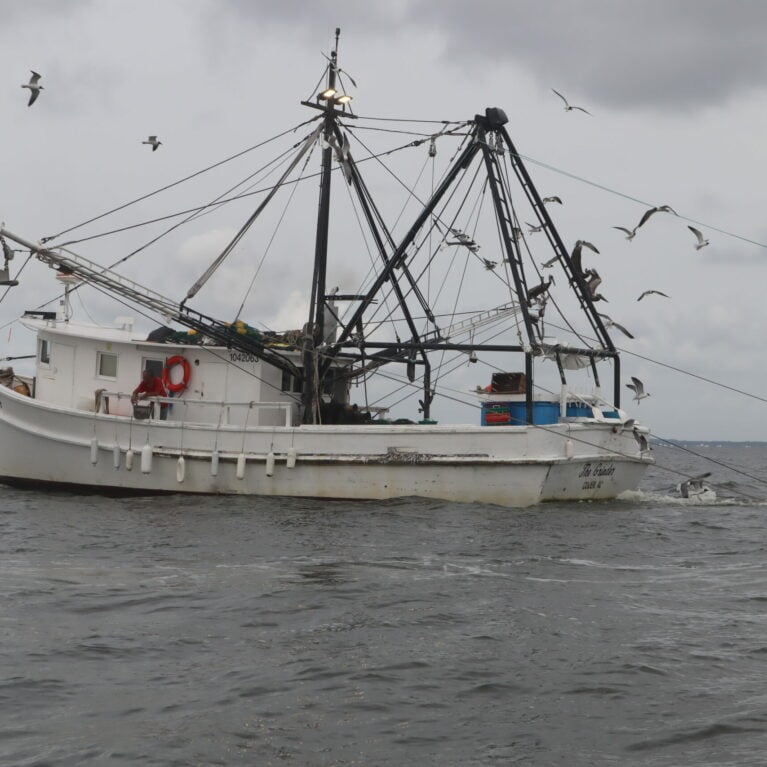
Guitarfish on Mexico’s medicinal market
PROJECT LEADER Bryan Huerta Beltrán
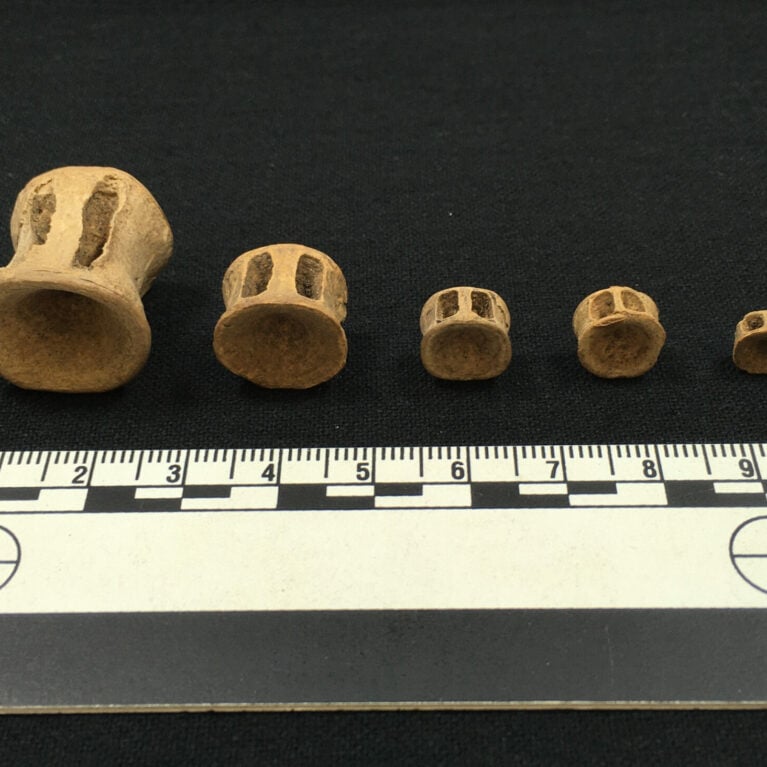
Clues from the past to guide the future
PROJECT LEADER Eric Guiry
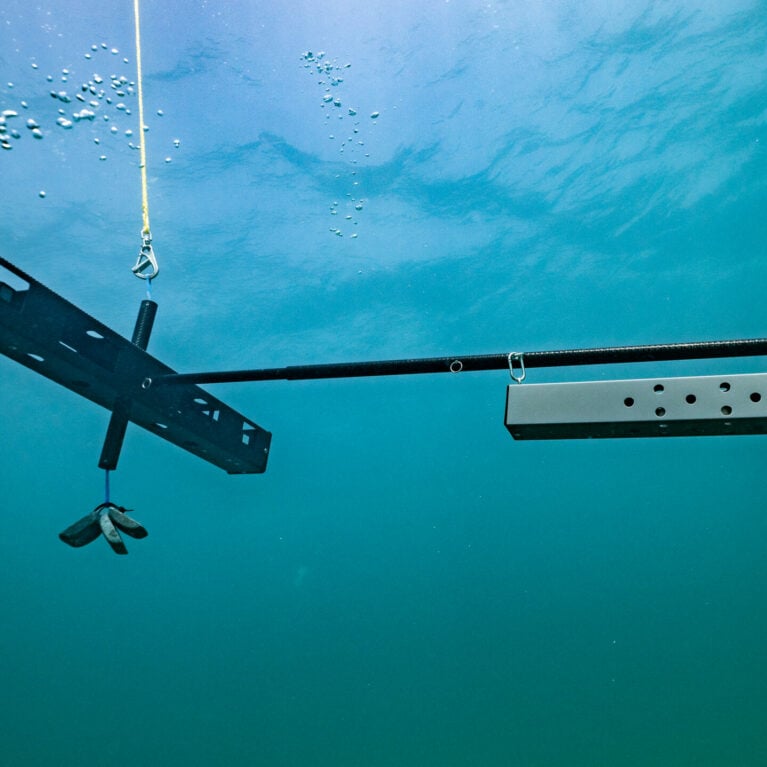
The right reefs for sharks
PROJECT LEADER Nico Fassbender
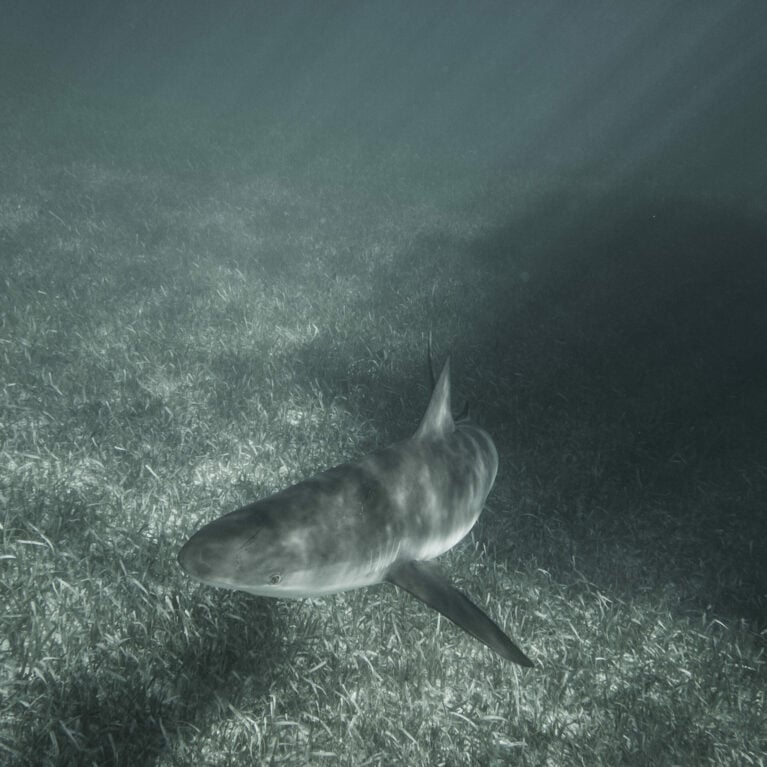
Important Shark and Ray Areas
PROJECT LEADERS Lynn Sorrentino, Ciaran Hyde, Rima Jabado
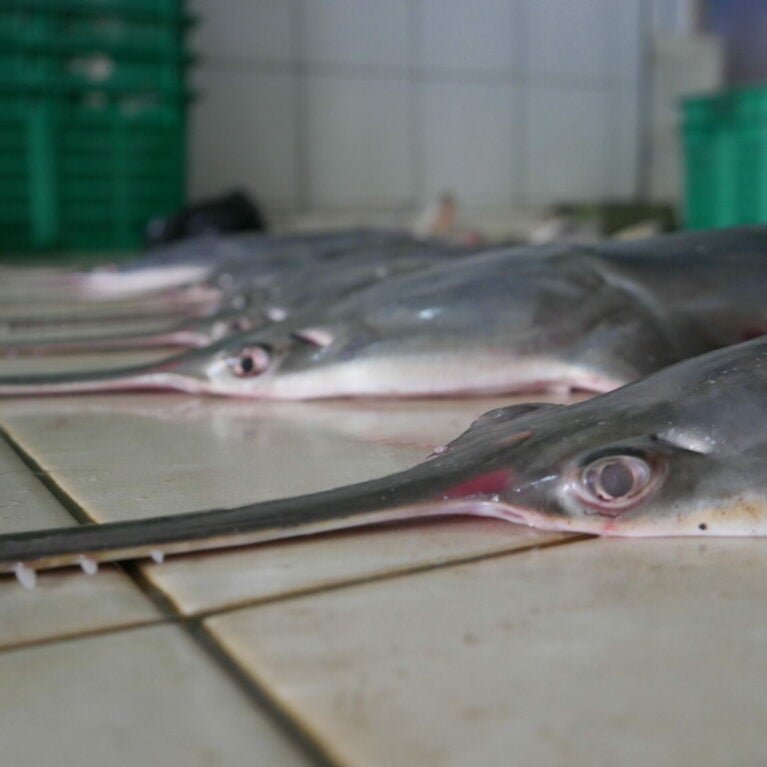
Searching for sawfish in Indonesian seas
PROJECT LEADER Yunita Wakhida
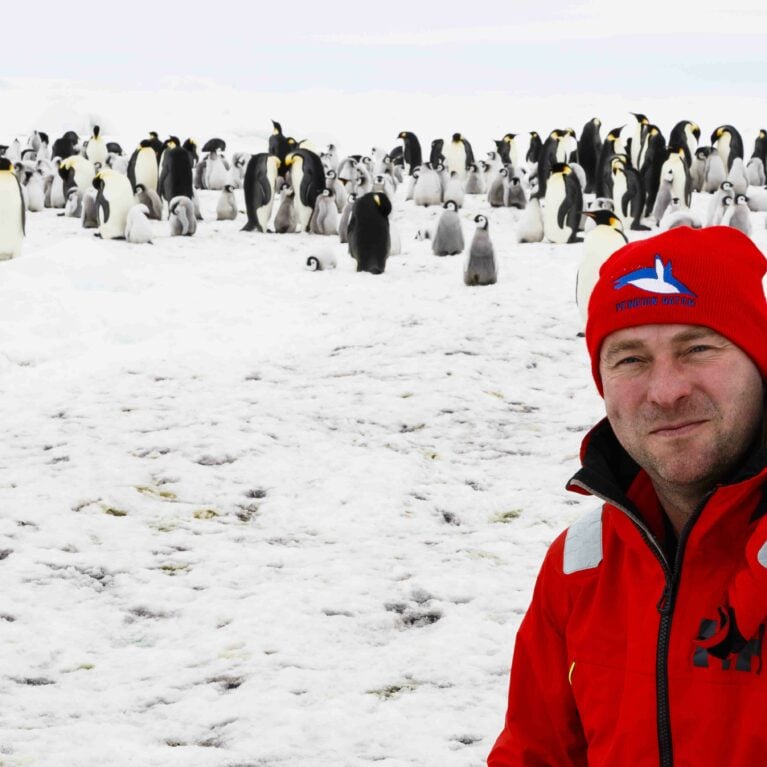
Disentangling the drivers of Antarctic Peninsula penguin colony declines
PROJECT LEADER Tom Hart
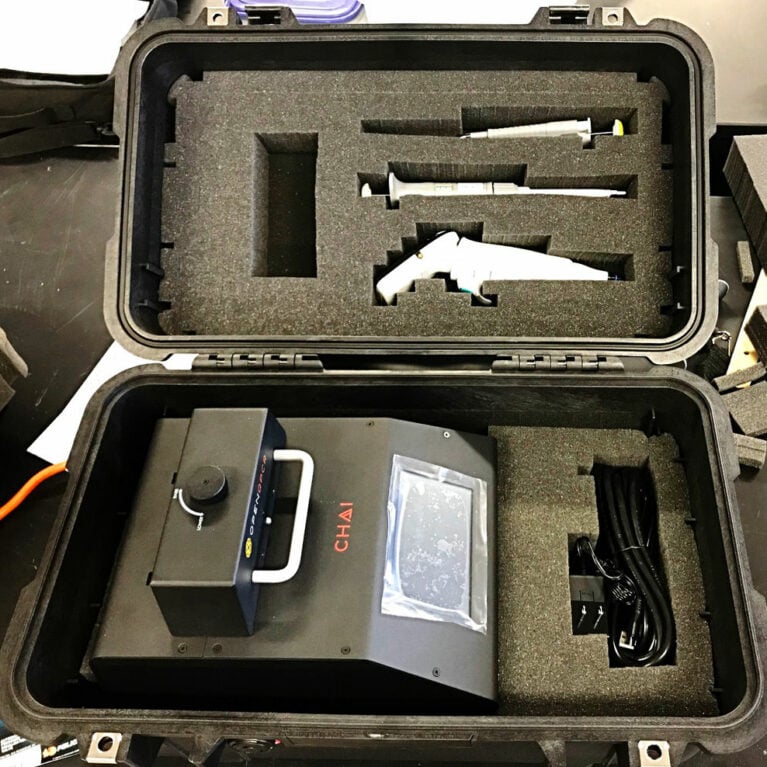
Rapid-DNA-testing gives hope for ‘rhino rays’ in Hong Kong
PROJECT LEADER Demian Chapman
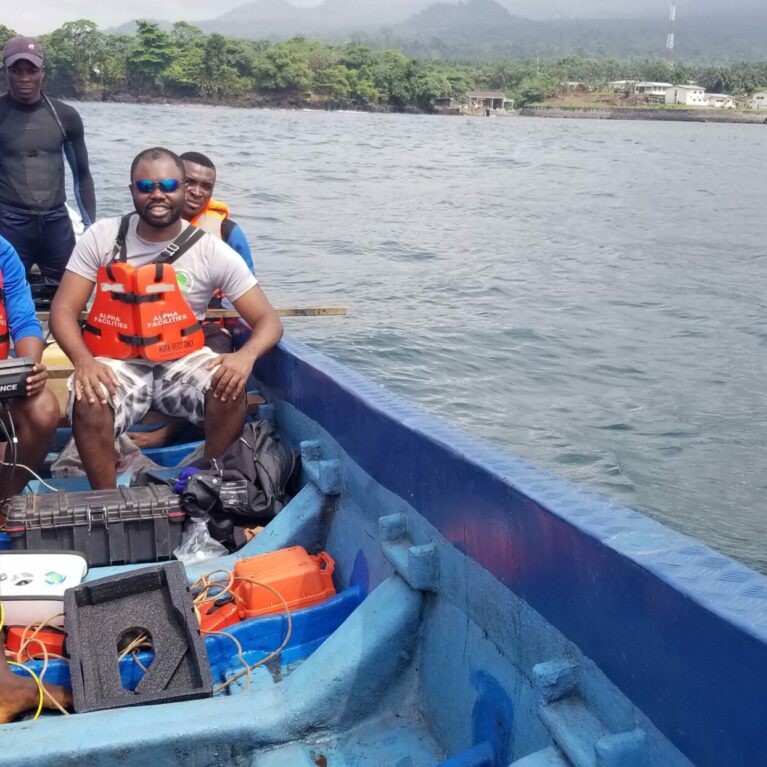
Combining community and genetics for conservation in Cameroon
PROJECT LEADER Aristide Takoukam Kamla
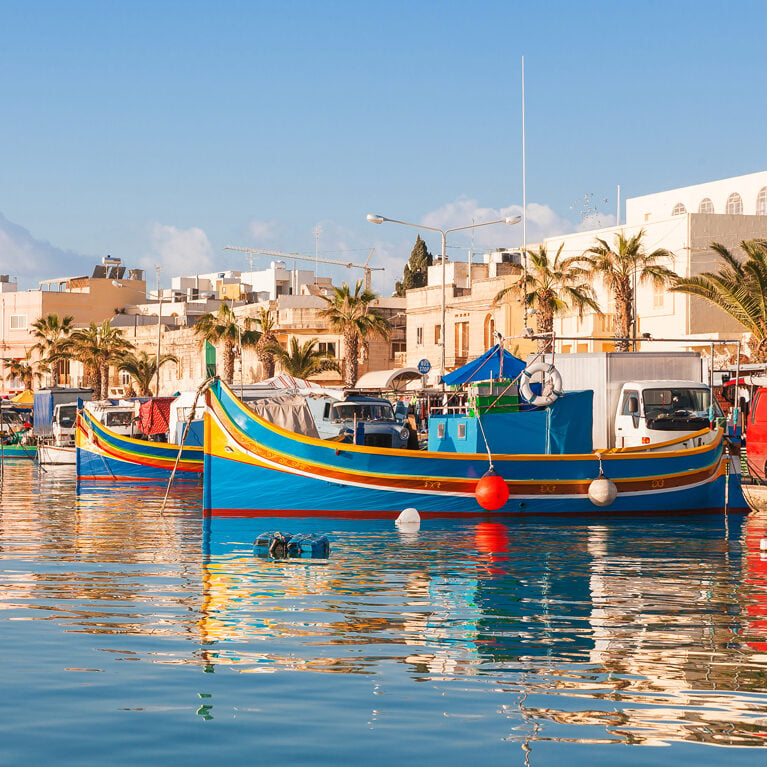
Mediterranean guitarfishes: addressing fisheries pressure and market demand
PROJECT LEADERS Ali Hood, Hettie Brown
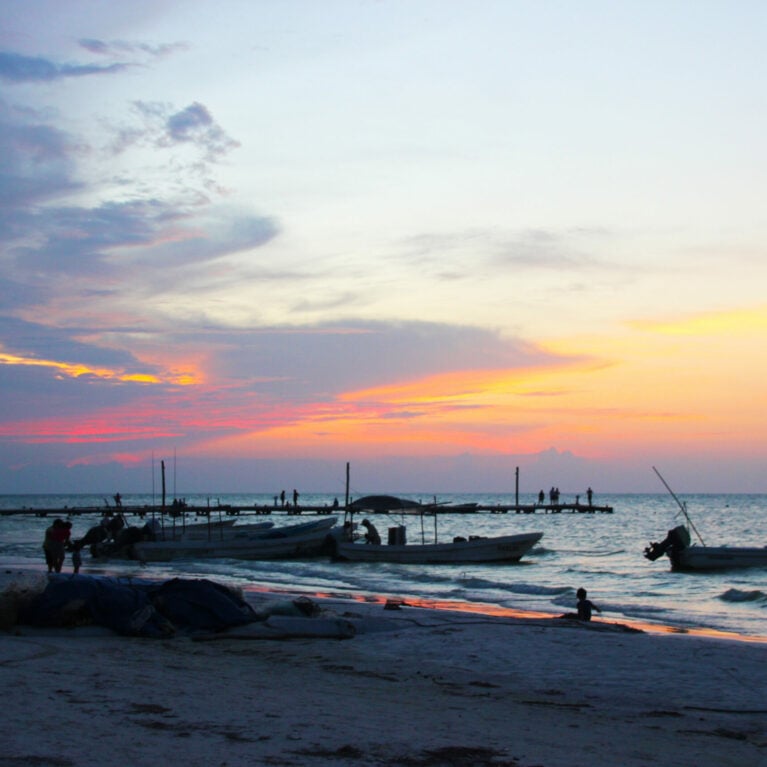
Linking local knowledge and local hearts to save the sharks of Holbox Island
PROJECT LEADER Nadia Rubio
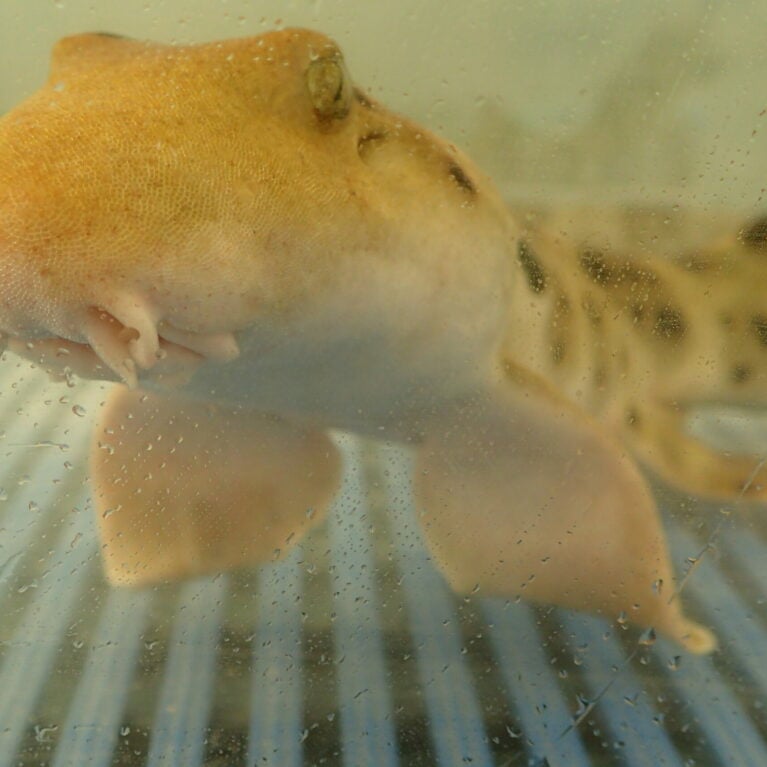
The heat is on: how might rising temperatures affect shark reproduction?
PROJECT LEADER Carolyn Wheeler
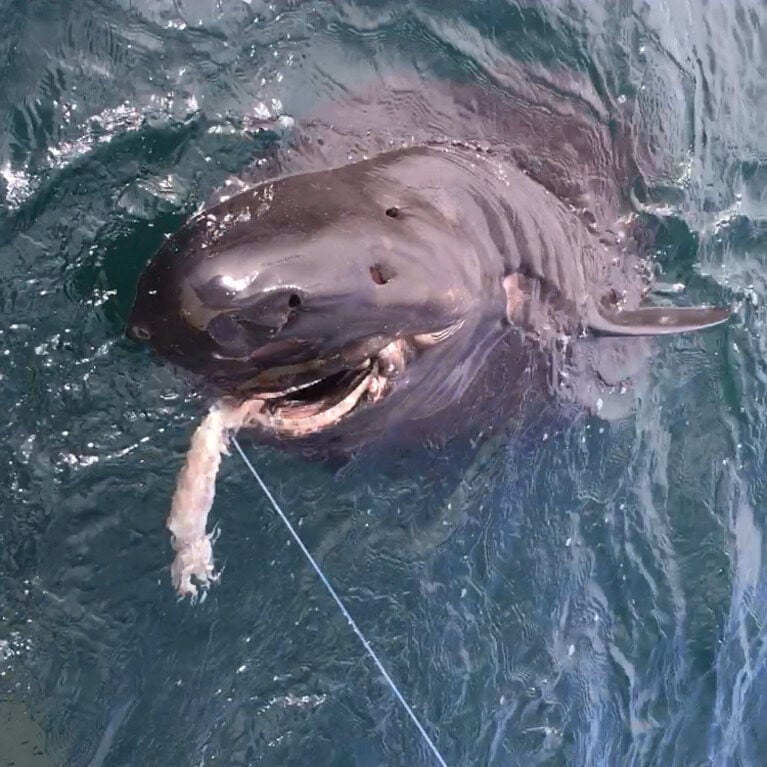
Don’t be caught sleeping: proactive conservation research for Pacific sleeper sharks
PROJECT LEADER Michael Wang
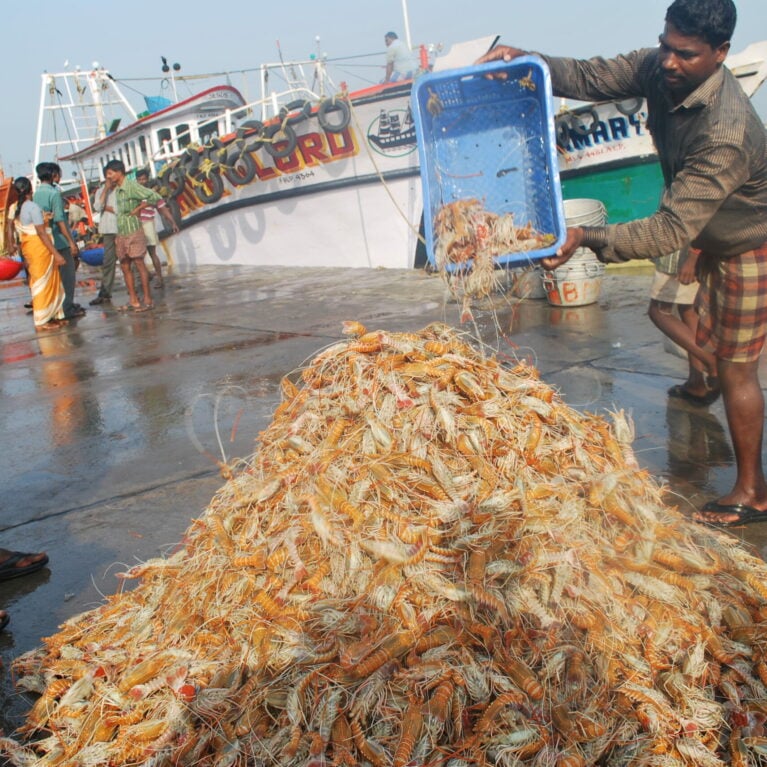
Amending the understanding of deep-sea Gulper sharks of India
PROJECT LEADER Ebeena Francis
Gill Guardians: An Elasmobranch Conservation and Education Hub
PROJECT LEADER Jasmin Graham
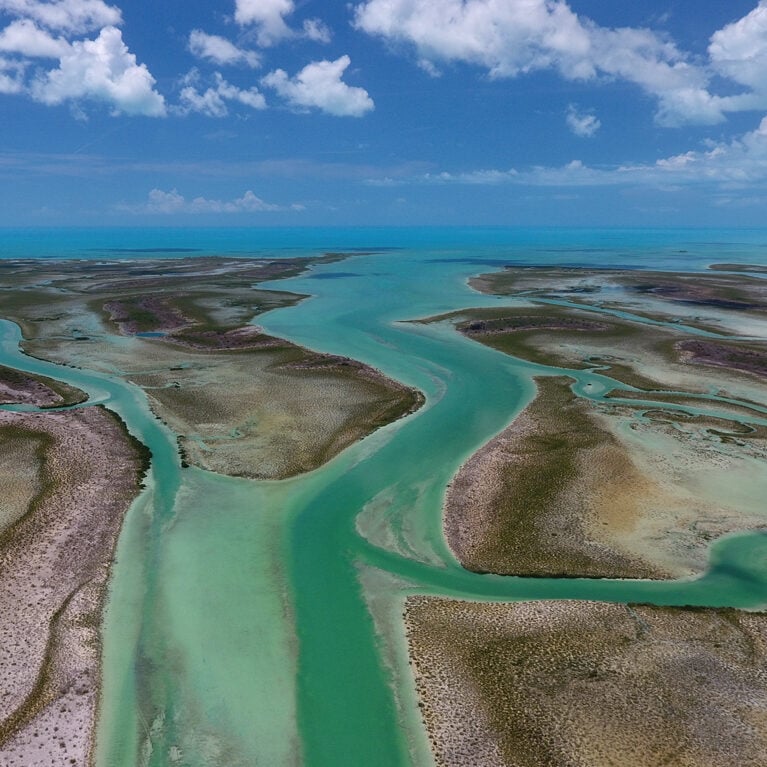
All about sawfish in the Bahamas: tracking movement, breeding and nurseries
PROJECT LEADER Dean Grubbs
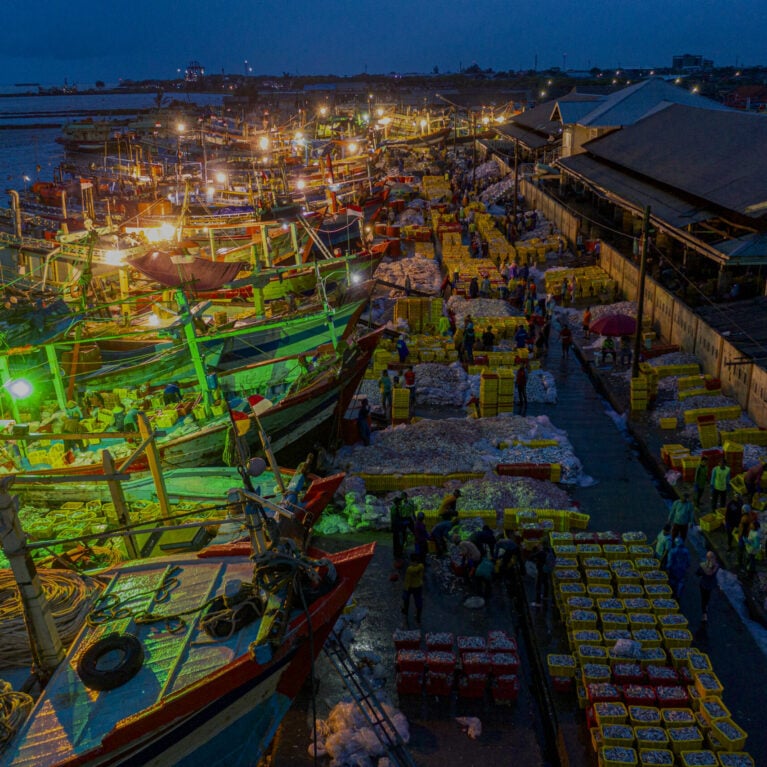
Rhino ray conservation in Indonesia
PROJECT LEADER Een Irawan Putra
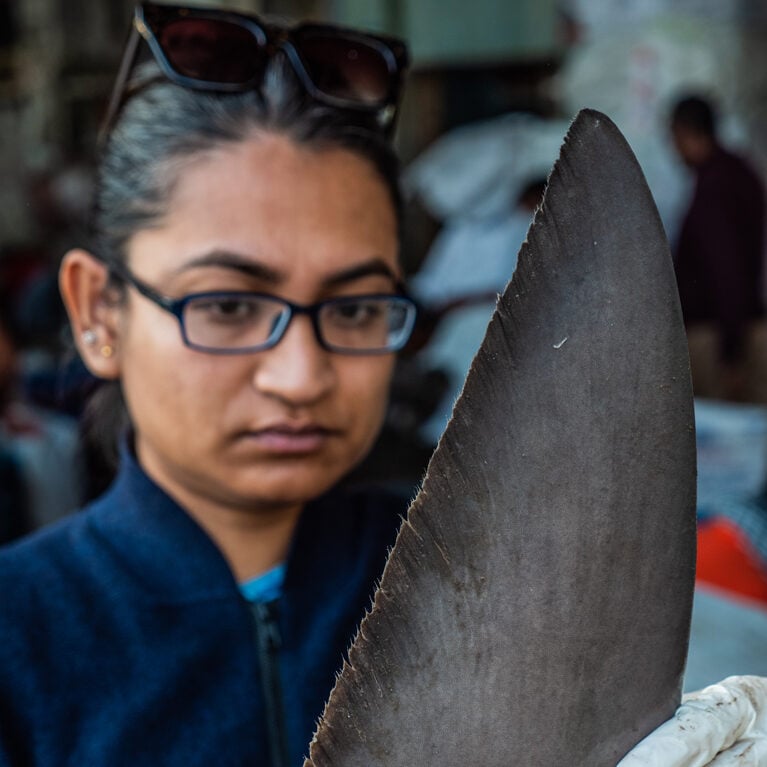
Protecting rhino-rays in the world’s largest bay
PROJECT LEADER Alifa Bintha Haque
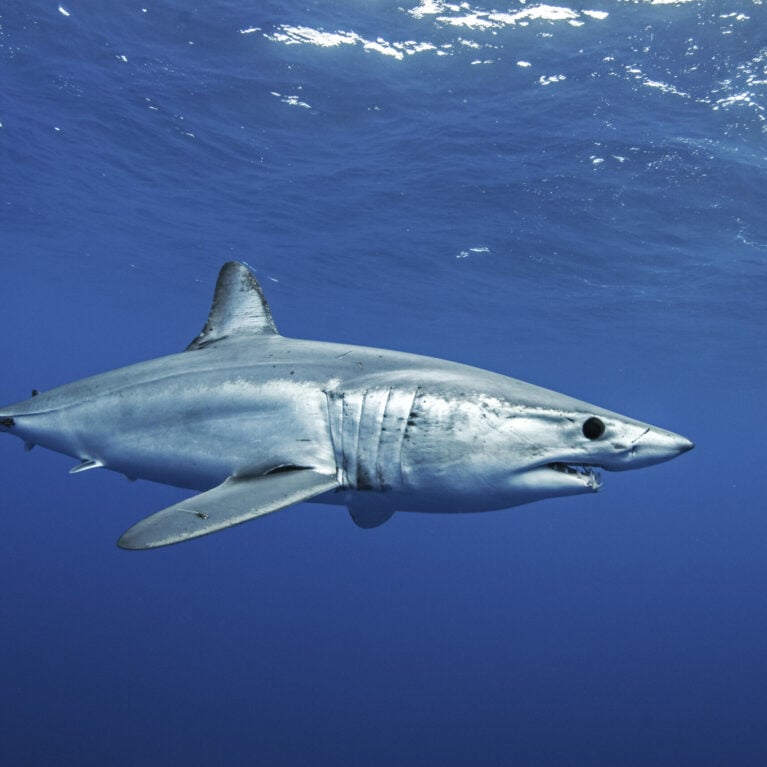
Satellite tracking shortfin mako sharks in the South Atlantic
PROJECT LEADER Nuno Queiroz
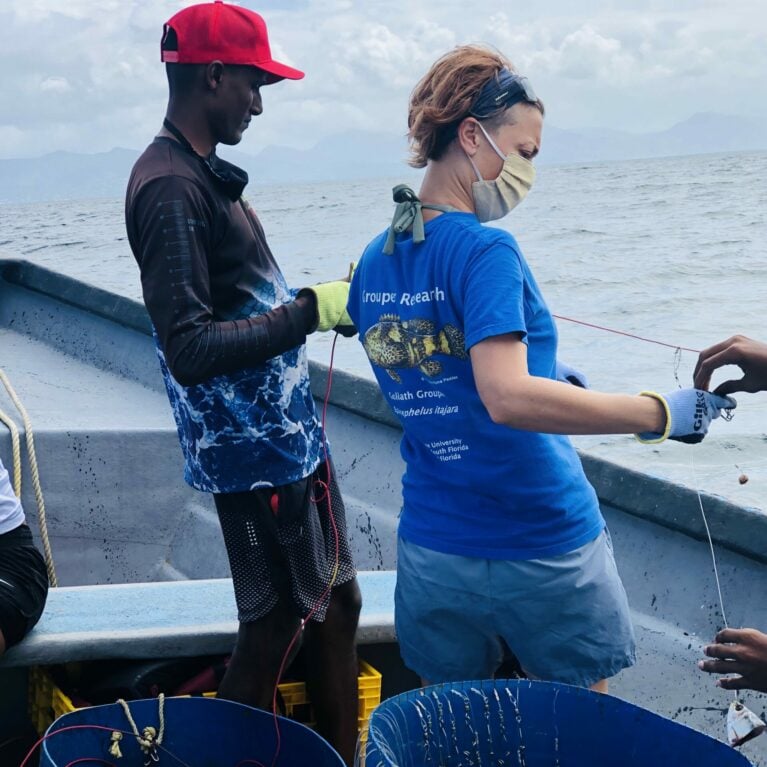
Community-supported conservation goals for Scalloped Hammerhead
PROJECT LEADERS Kelly Kingon, David Portnoy
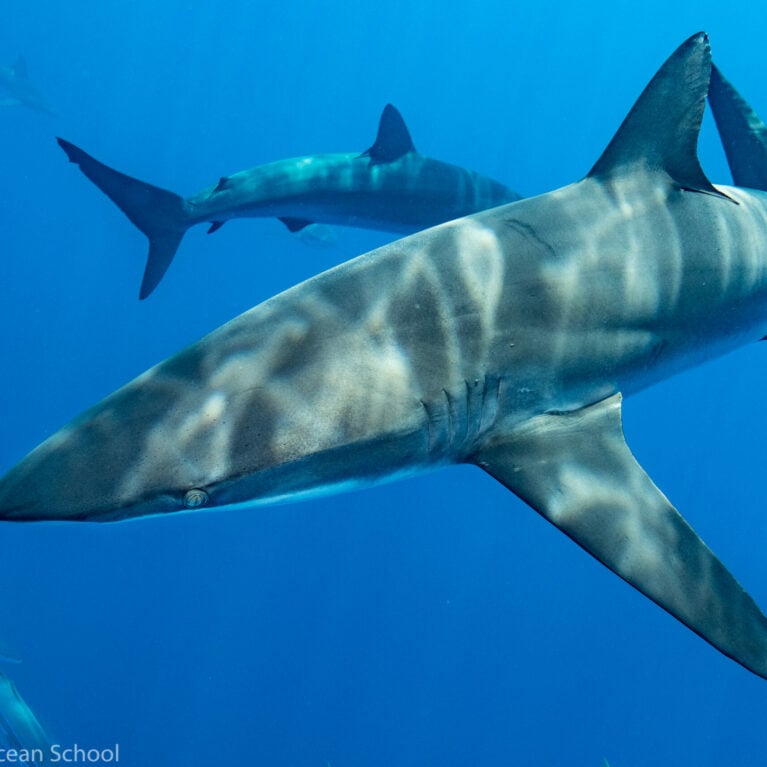
Marine protected areas to conserve highly migratory sharks in the Eastern Tropical Pacific
PROJECT LEADER Randall Arauz
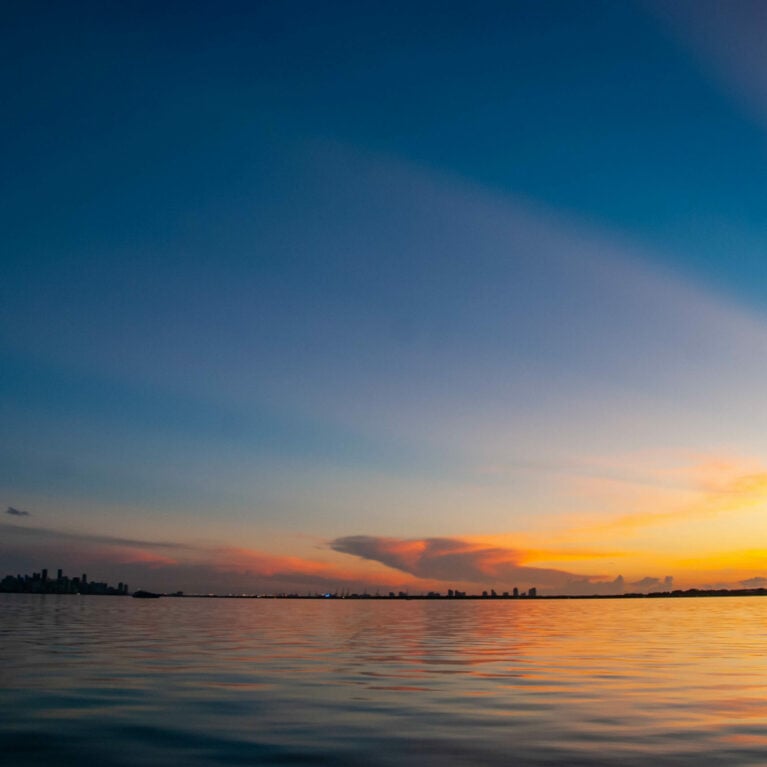
Changing hearts and minds about Southern Florida’s sharks
PROJECT LEADER Julia Wester
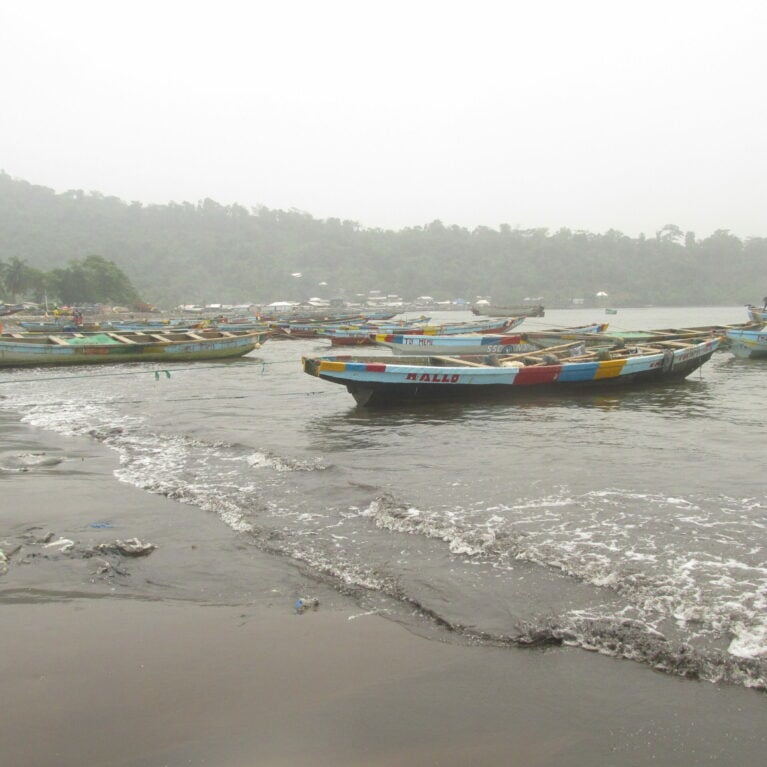
Conservation for Cameroon’s sharks and rays
PROJECT LEADER Lionel Yamb
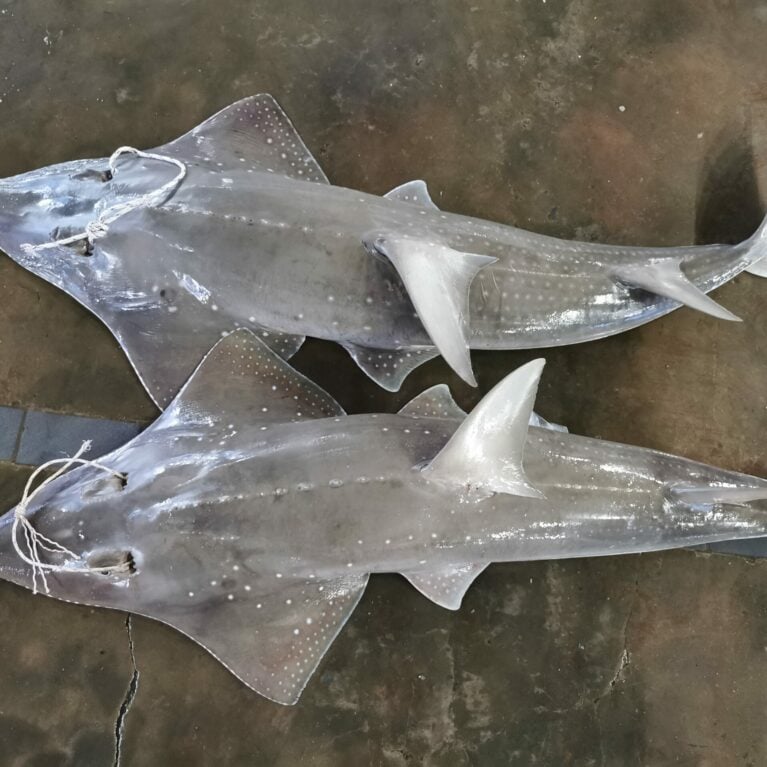
All about the bottlenose: an Endangered wedgefish in Malaysia
PROJECT LEADER Amanda Jhu Xhin Leung
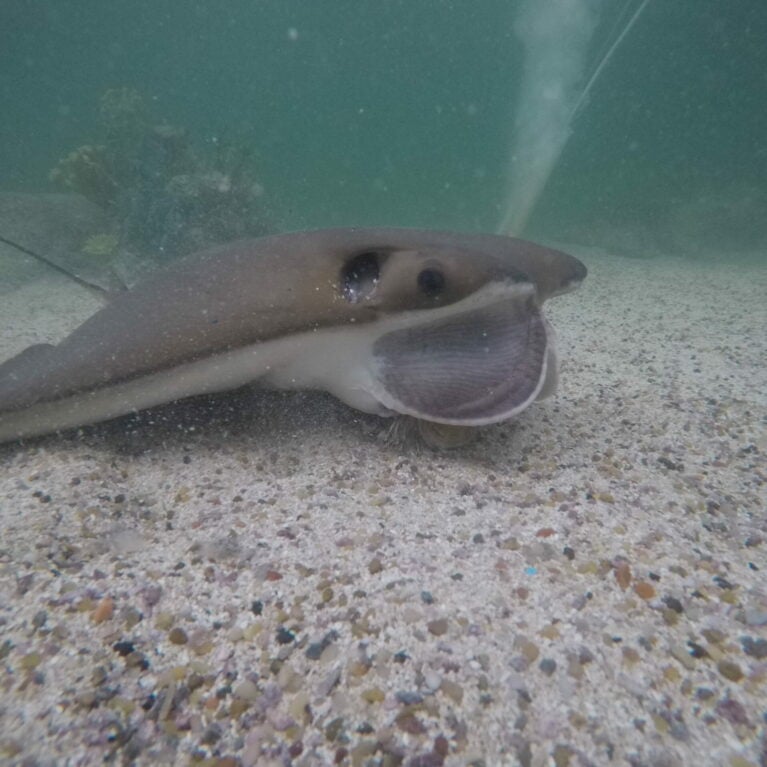
Does habitat-use change with age for cownose rays?
PROJECT LEADER Ashley Mackenzie Dawdy
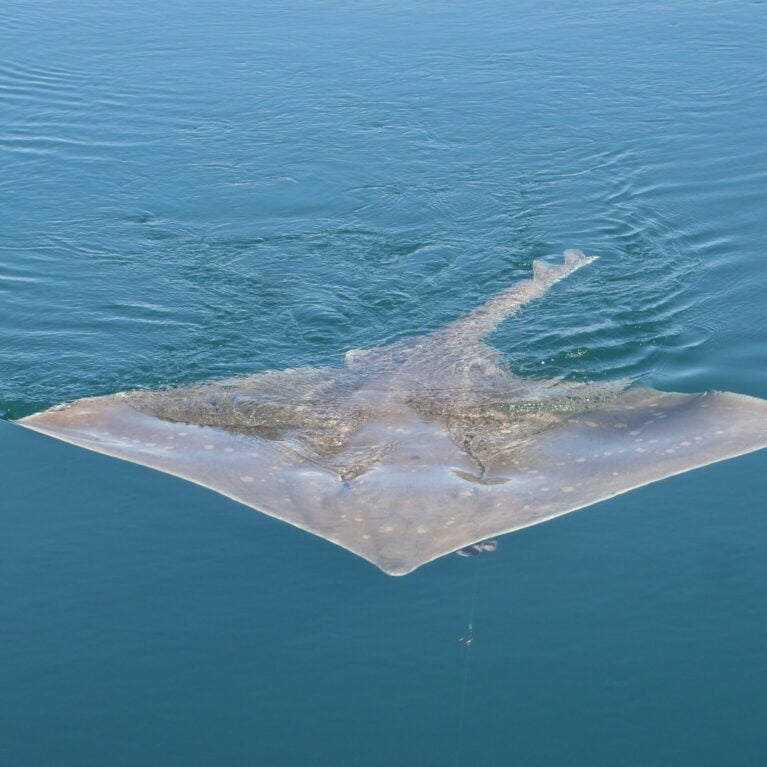
Raising awareness of the critically endangered flapper skate in Northern Ireland
PROJECT LEADER Heidi McIlvenny
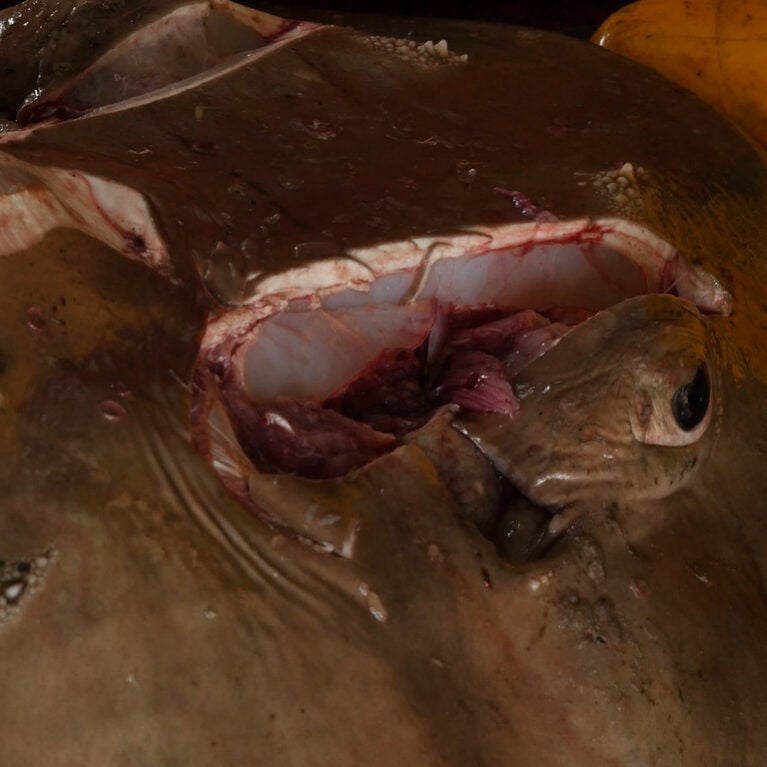
Understanding the amulet trade of bowmouth guitarfish in Thailand
PROJECT LEADER Jennifer Pytka
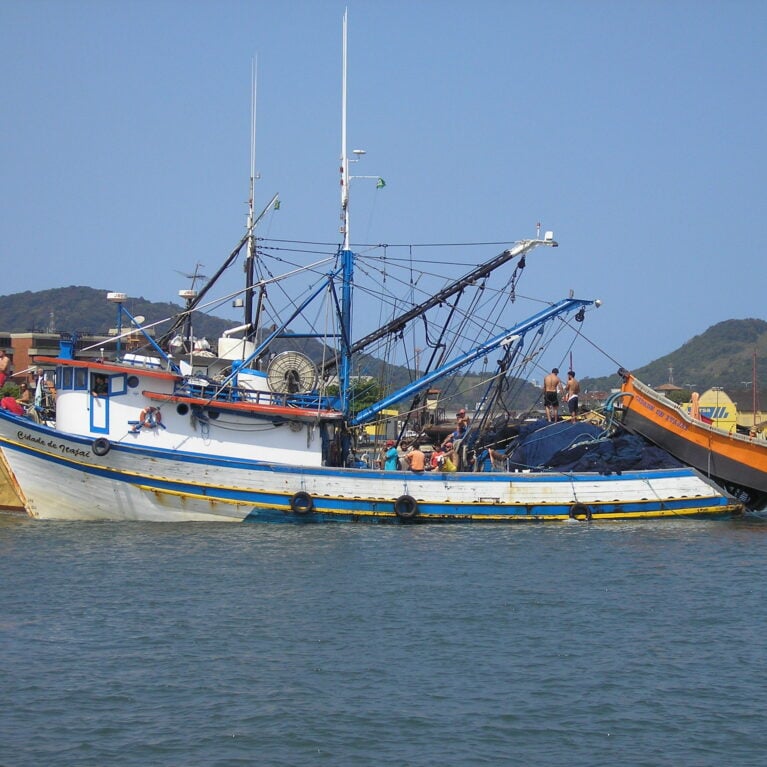
Unraveling the amphi-American guitarfishes: genetics, morphology, and biogeography of guitarfishes
PROJECT LEADER Fernanda Rocha
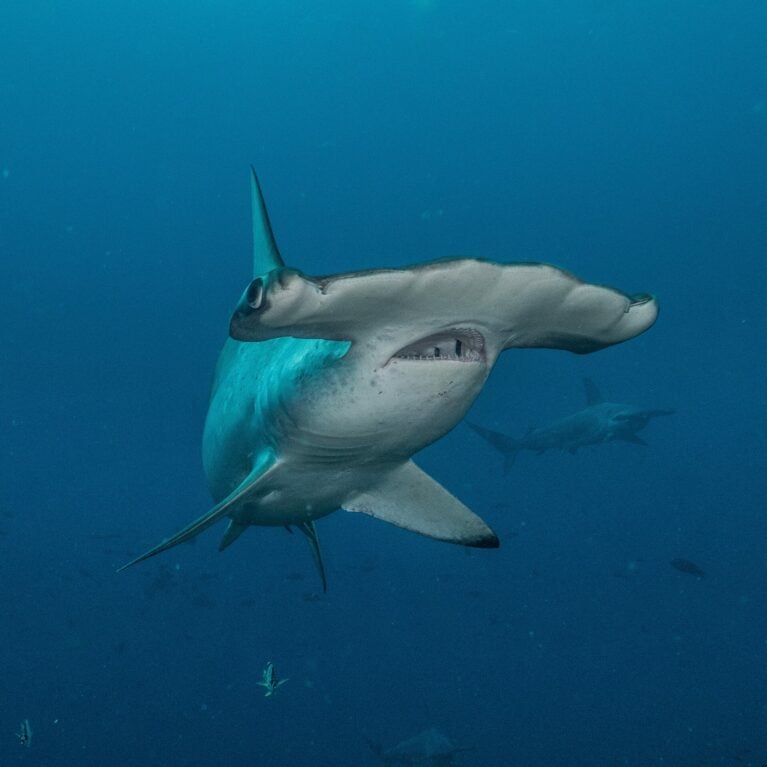
Protecting the sharkiest place on earth
PROJECT LEADER Pelayo Salinas
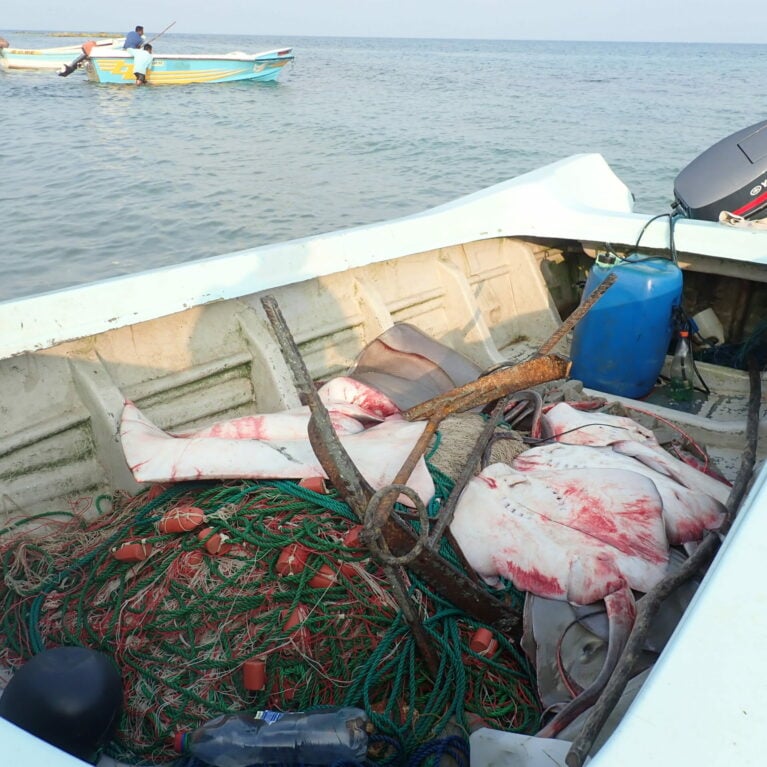
Identifying nursery habitats and determining life history of Guitarfish in Sri Lanka
PROJECT LEADER Gobiraj Ramajeyam
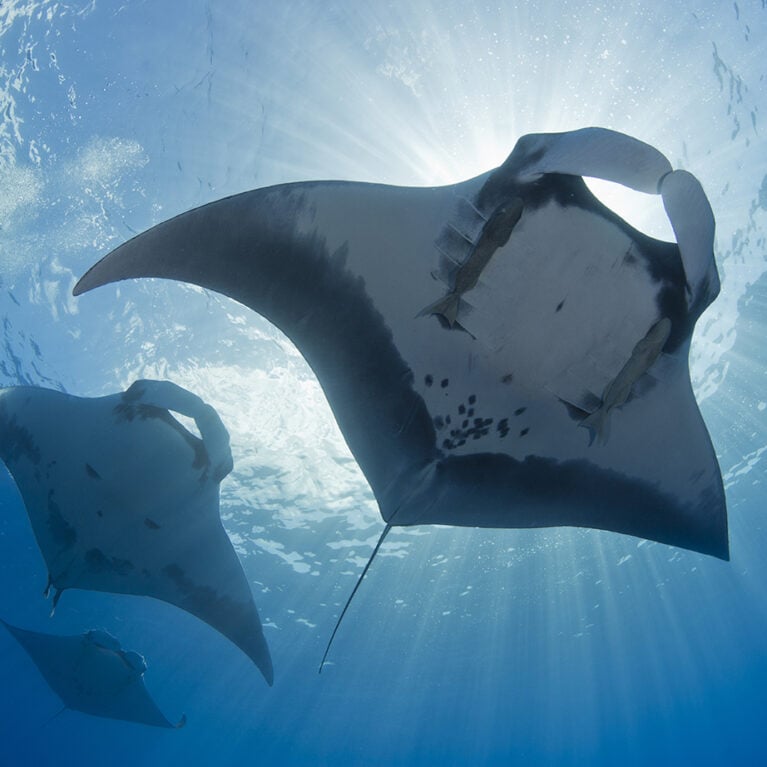
Protecting North America’s largest no-take marine protected area
PROJECT LEADER Alejandro Gonzalez
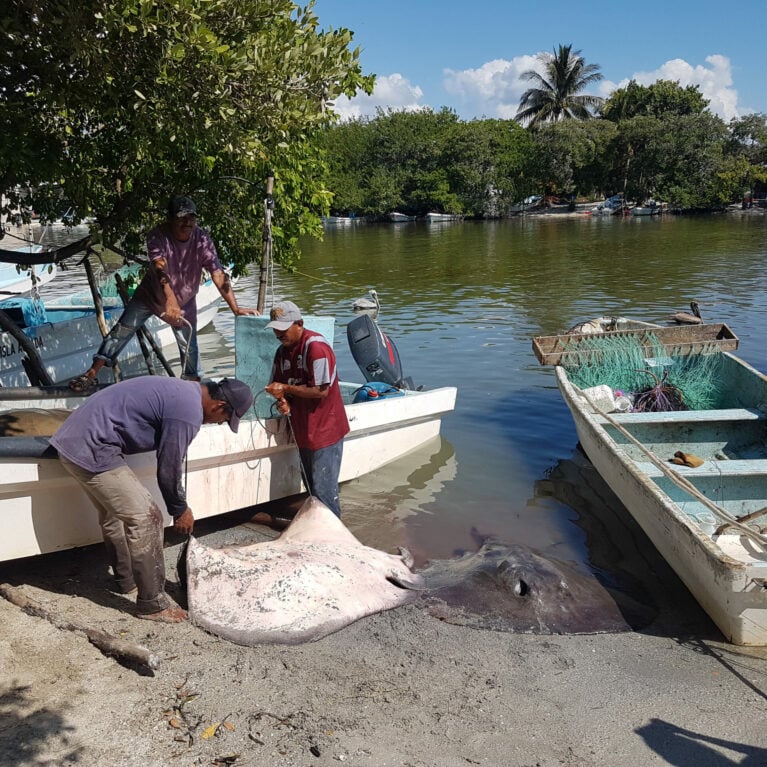
Mexico’s forgotten sharks: rediscovering a natural legacy
PROJECT LEADER Ilse Alejandra Martinez
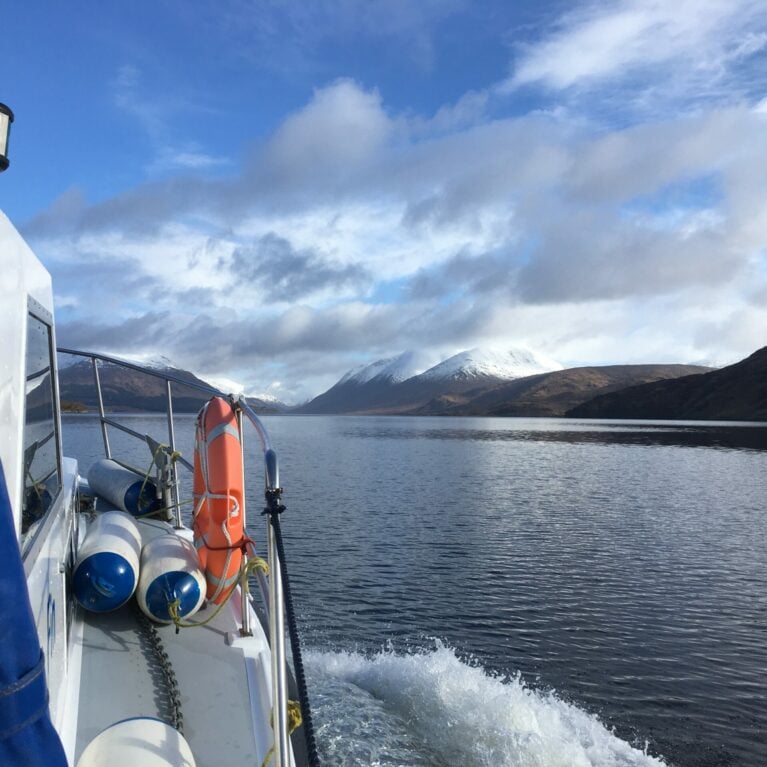
A genetic tool to help monitor sharks and skates in the North-east Atlantic
PROJECT LEADER Catherine Jones
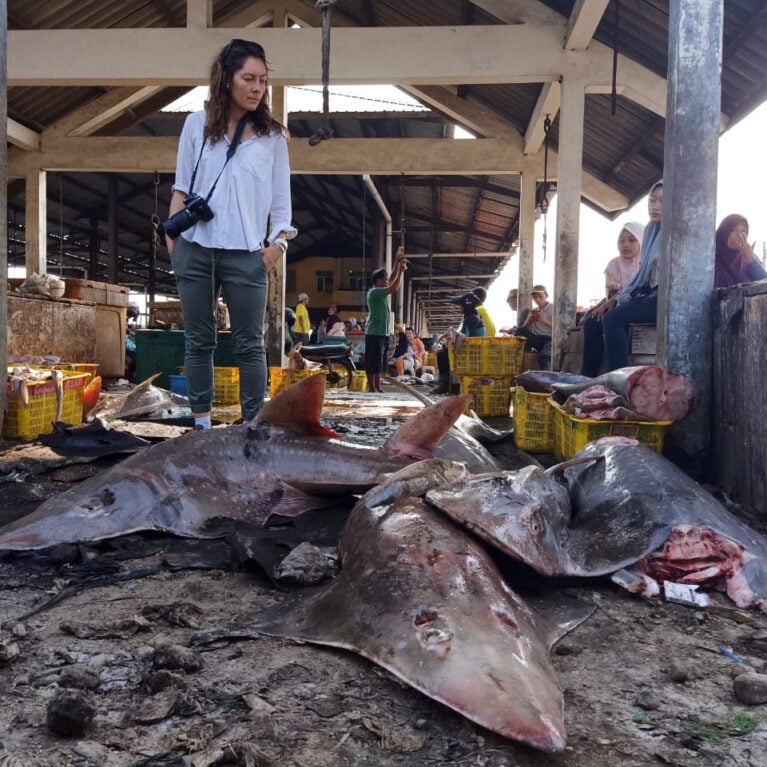
Solutions for shark fisheries in a Surfer’s Paradise
PROJECT LEADER Hollie Booth
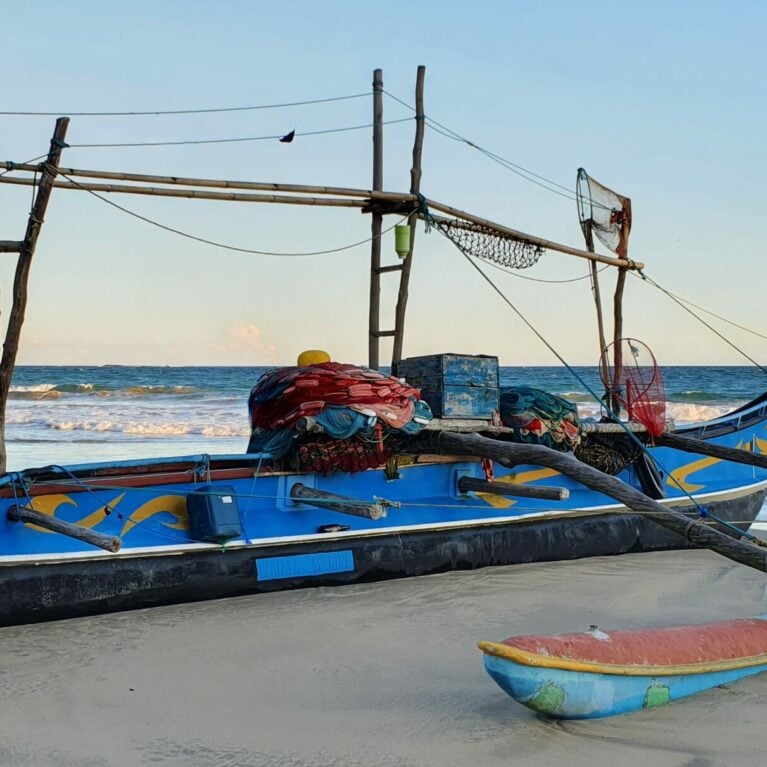
What’s the catch? Understanding shark catches in large-scale, data limited artisanal fisheries.
PROJECT LEADERS Daniel Fernando, Jordan Moss
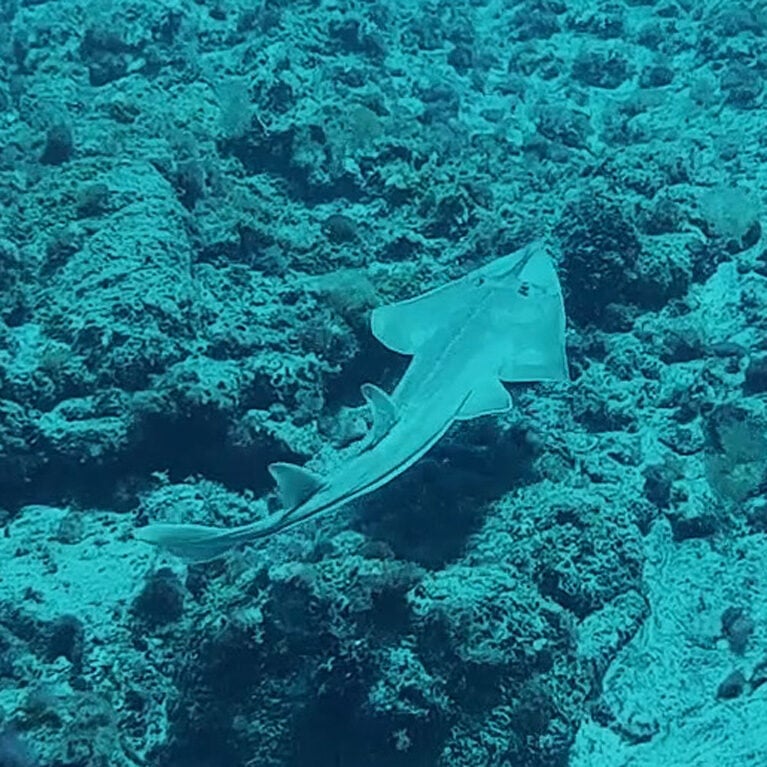
It’s in the Genes: conserving Cabo Verde’s blackchin guitarfish populations
PROJECT LEADER Kirsti Ann Burnett
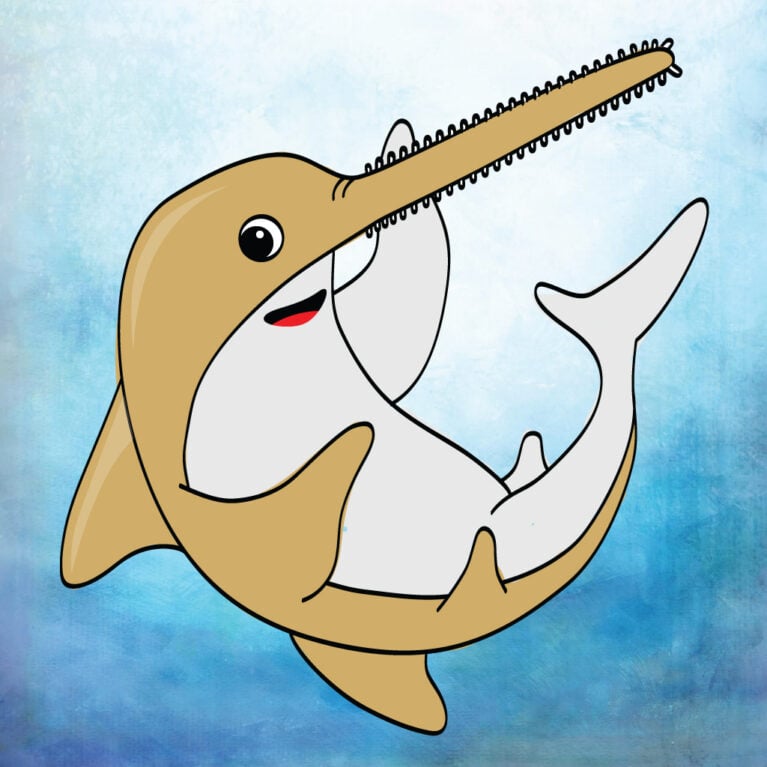
Re-writing the sawfish story: Inspiring community driven conservation of sawfishes in Papua New Guinea
PROJECT LEADER Michael Grant
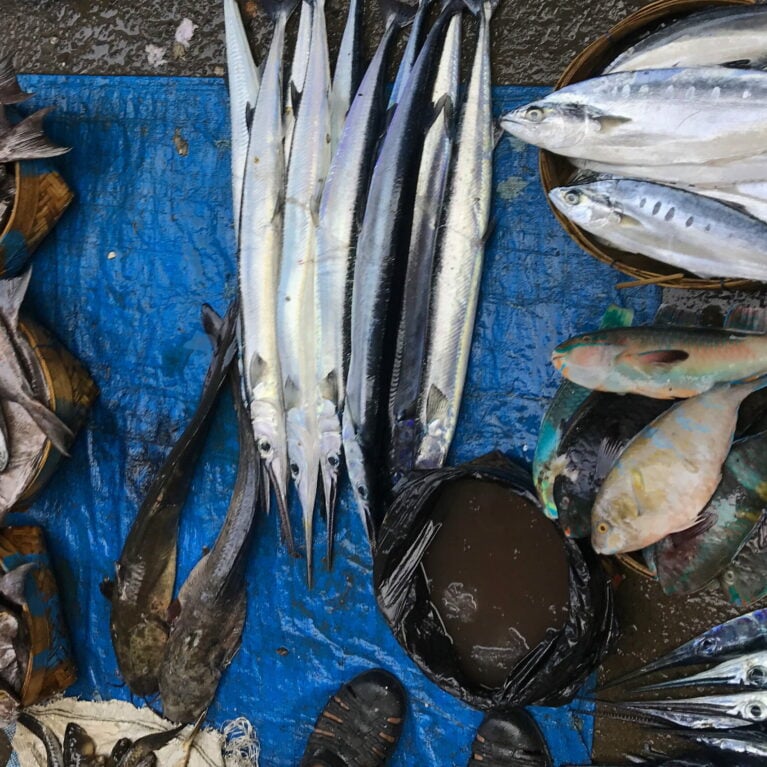
The clown wedgefish: no laughing matter
PROJECT LEADER Peter Kyne
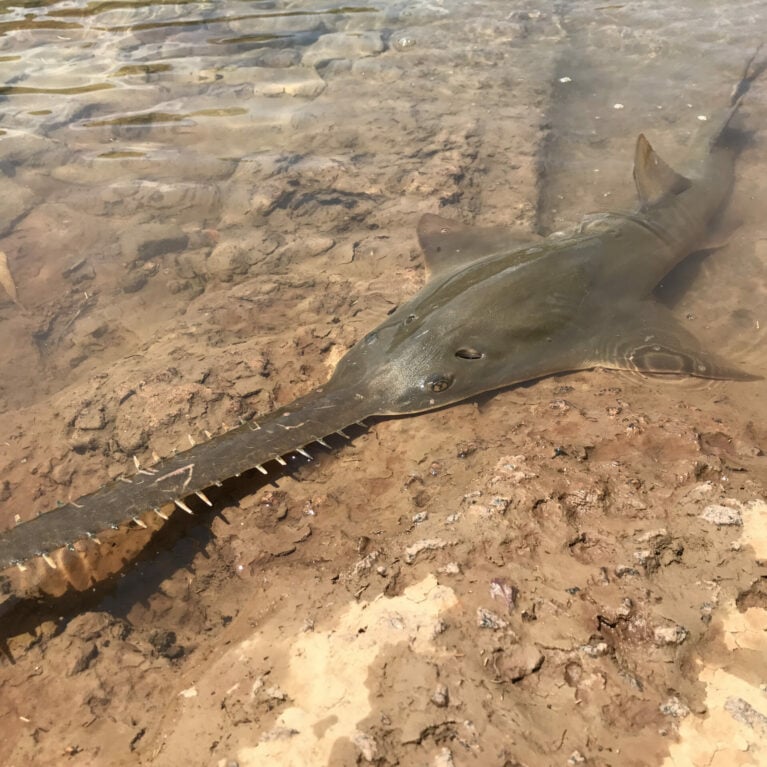
Providing sawfish education for global conservation action
PROJECT LEADER Jeff Whitty
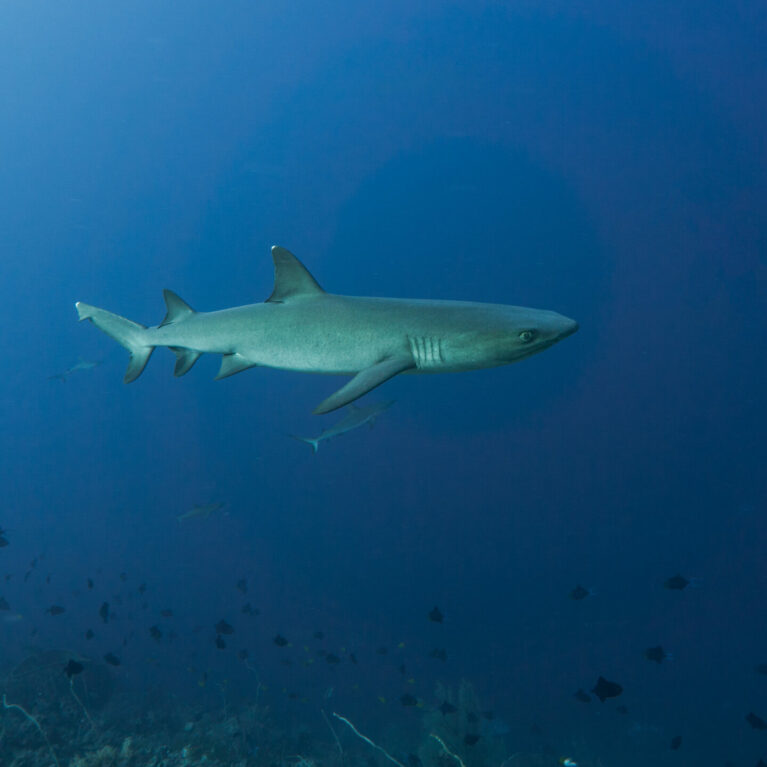
Sharks of the Sulu Sea
PROJECT LEADER Sally Snow
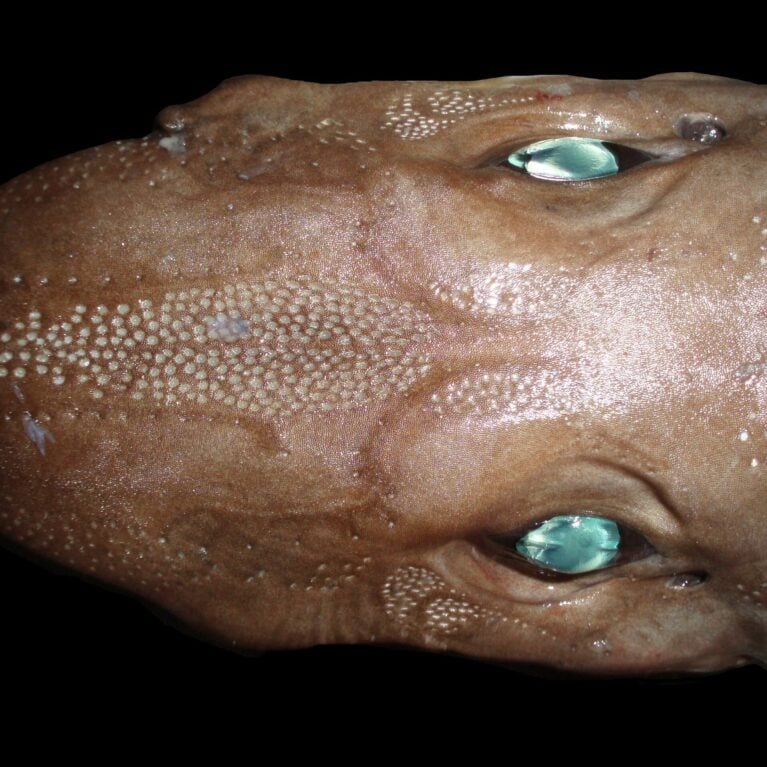
Sustainable science in the deep blue sea
PROJECT LEADER Diana Catarino
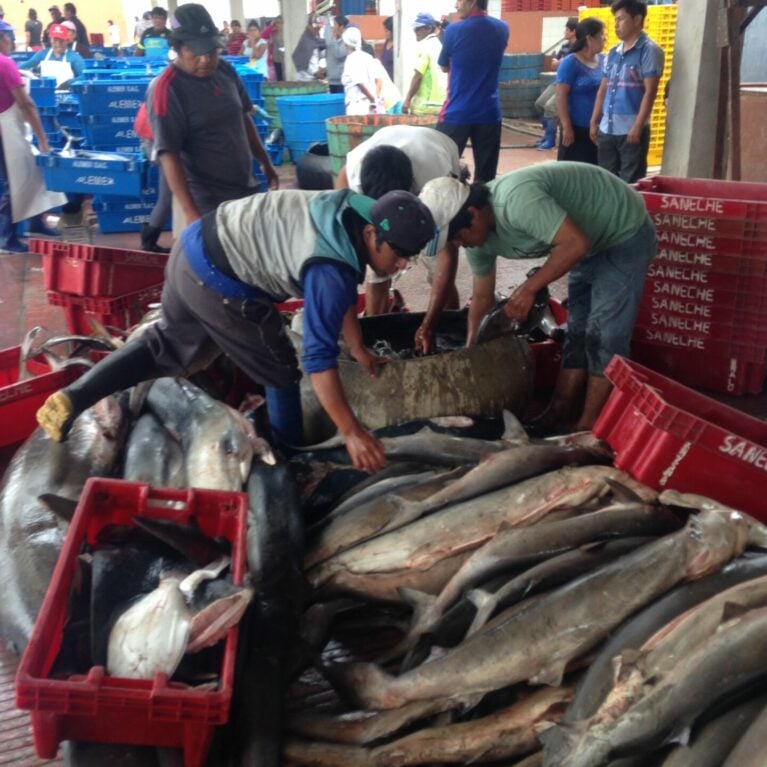
Which nursery is best for Peru’s baby smooth hammerhead sharks?
PROJECT LEADER Eduardo Segura
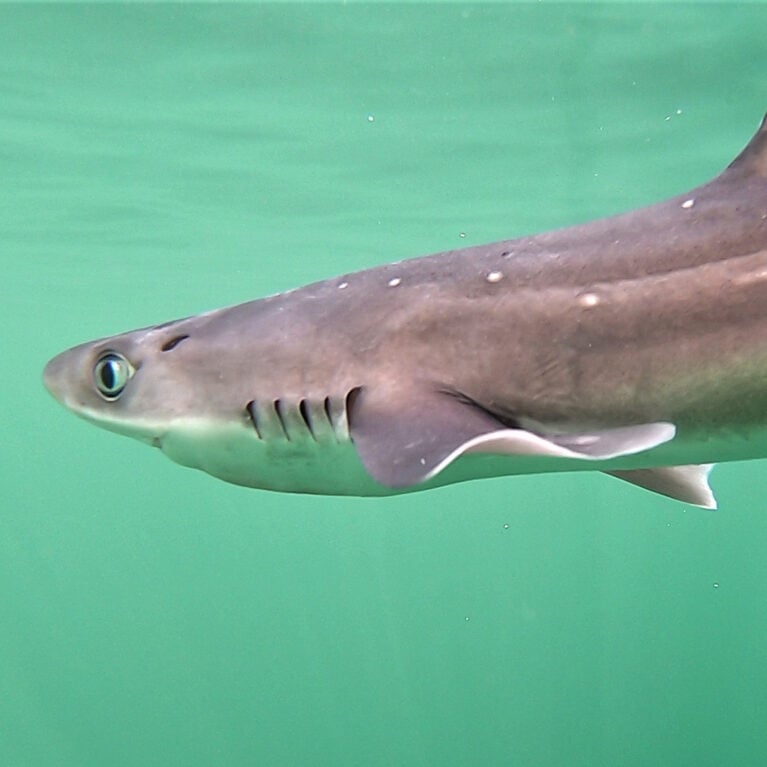
British shark life: are spurdog siblings sticking together?
PROJECT LEADER Fenella Wood
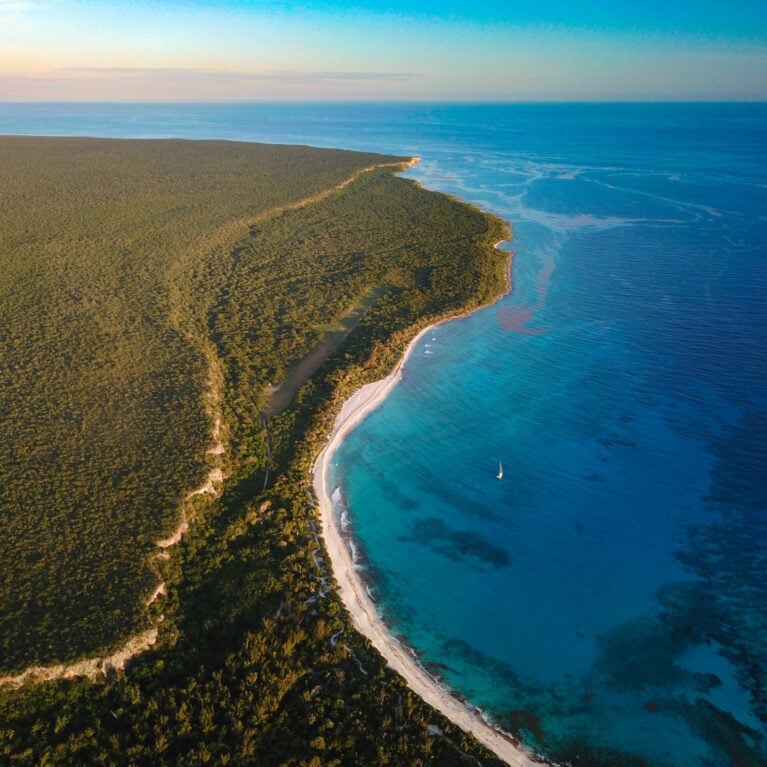
The deep-water sharks of Puerto Rico
PROJECT LEADER Glorimar Franqui-Rivera
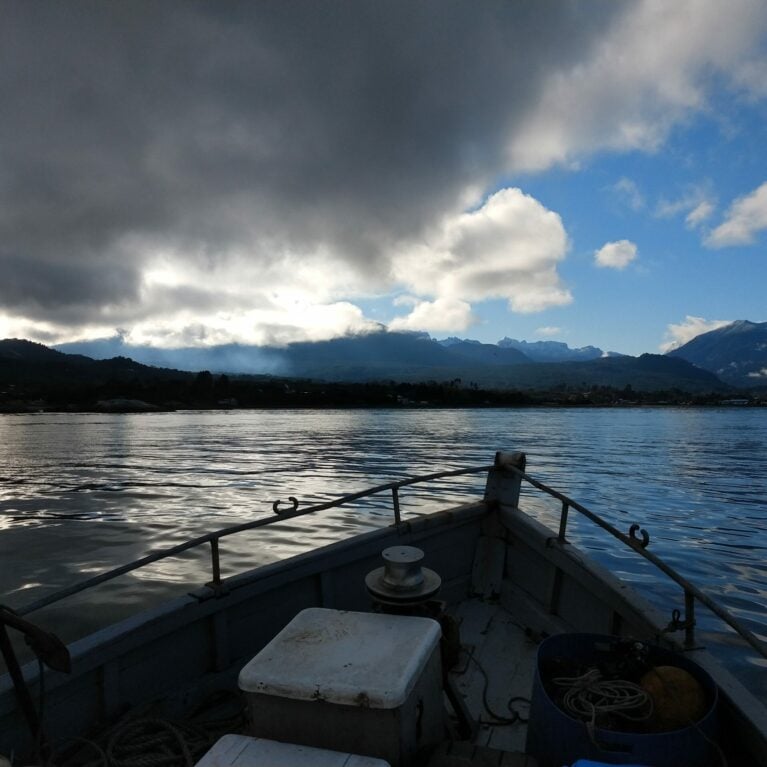
Of sharks, salmon and sea-farms
PROJECT LEADER Joaquín Soto
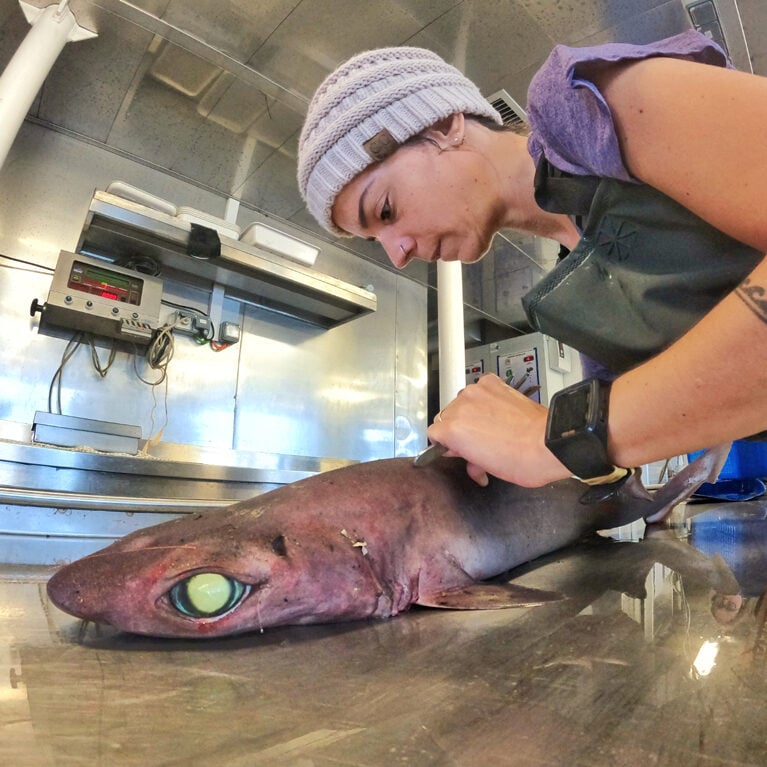
Can deep-sea sharks survive – and thrive – in fishing grounds?
PROJECT LEADER Sofia Graça Aranha
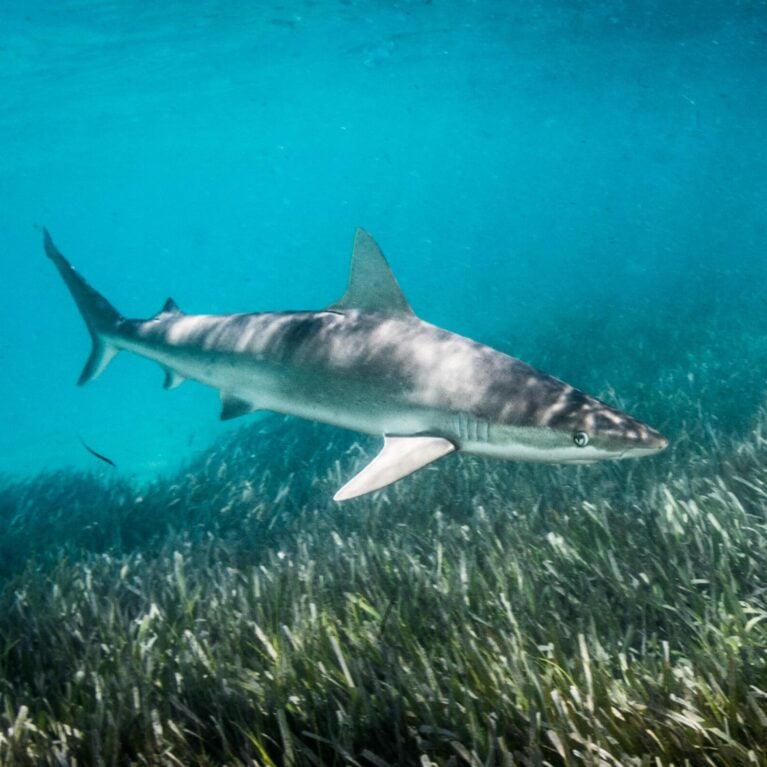
Temperature-driven movement patterns of blacknose sharks in Florida Bay and the Florida Keys
PROJECT LEADER Blake Hamilton
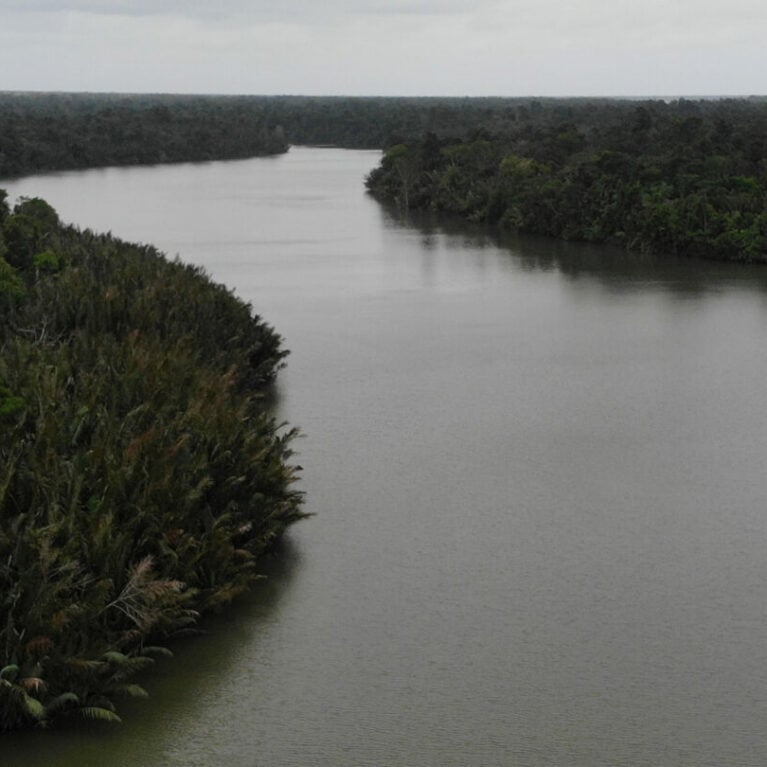
Searching for the river sharks and rays of Borneo
PROJECT LEADERS Andrew Chin, Michael Grant
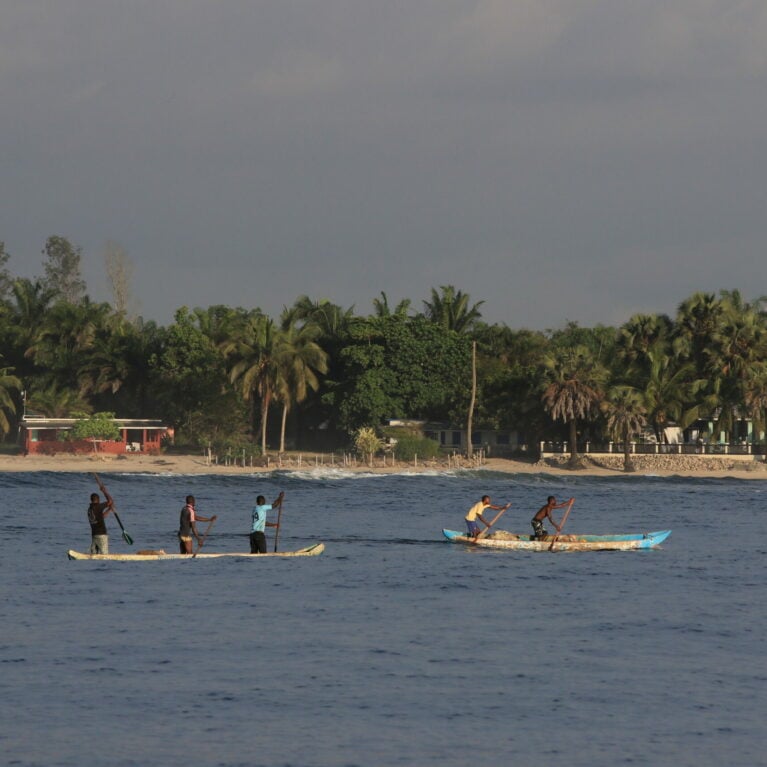
Protecting the threatened sharks and rays of the Republic of Congo
PROJECT LEADER Phil Doherty
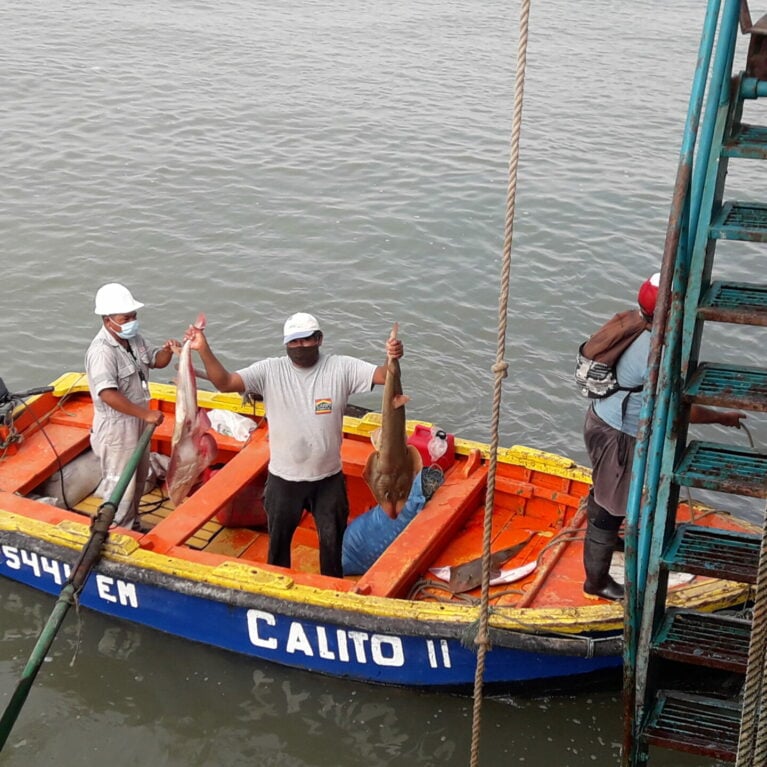
Assessment of catch and bycatch of guitarfishes in Peruvian waters
PROJECT LEADER Elizabeth Gutiérrez Llanos
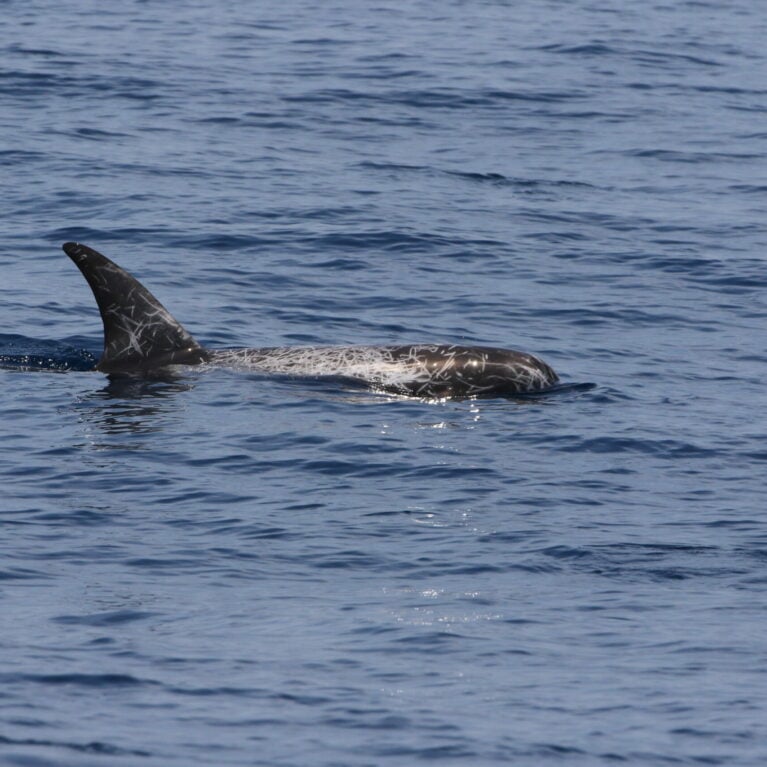
The importance of Seychelles for blue whales, and other whales and dolphins
PROJECT LEADER Jeremy Kiszka
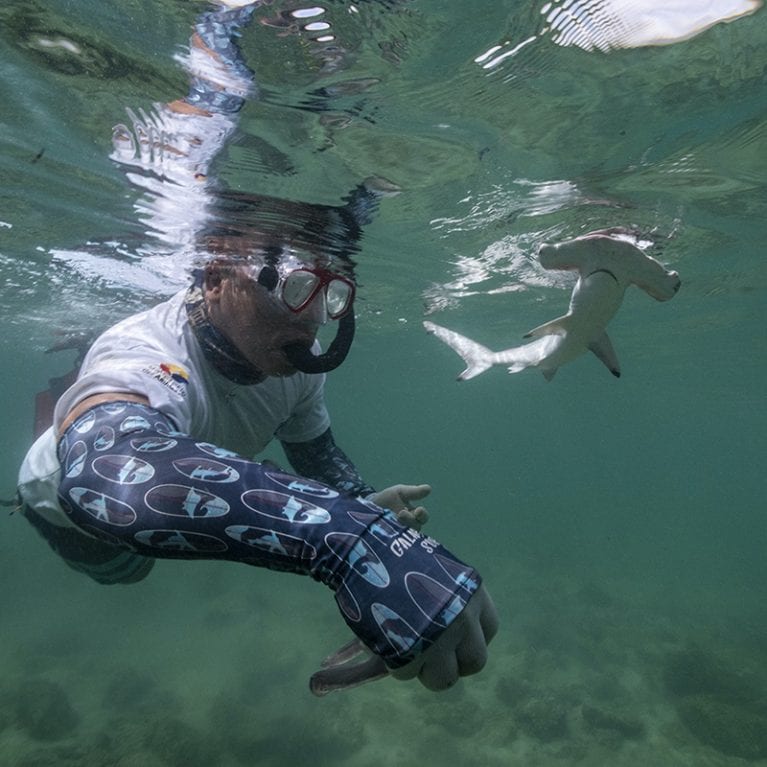
Conservation strategies for hammerhead sharks nursery in the Galapagos Marine Reserve
PROJECT LEADER Eduardo Espinoza
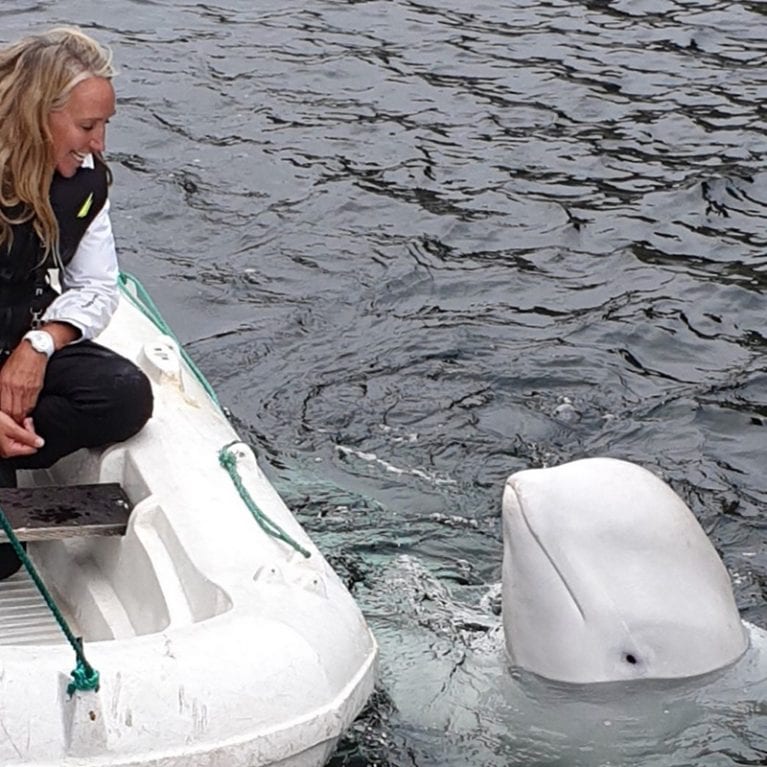
Hvaldimir: the lost beluga whale
PROJECT LEADER Lindsay Rubincam
The Whole Tooth
PROJECT LEADER Isla Hodgson
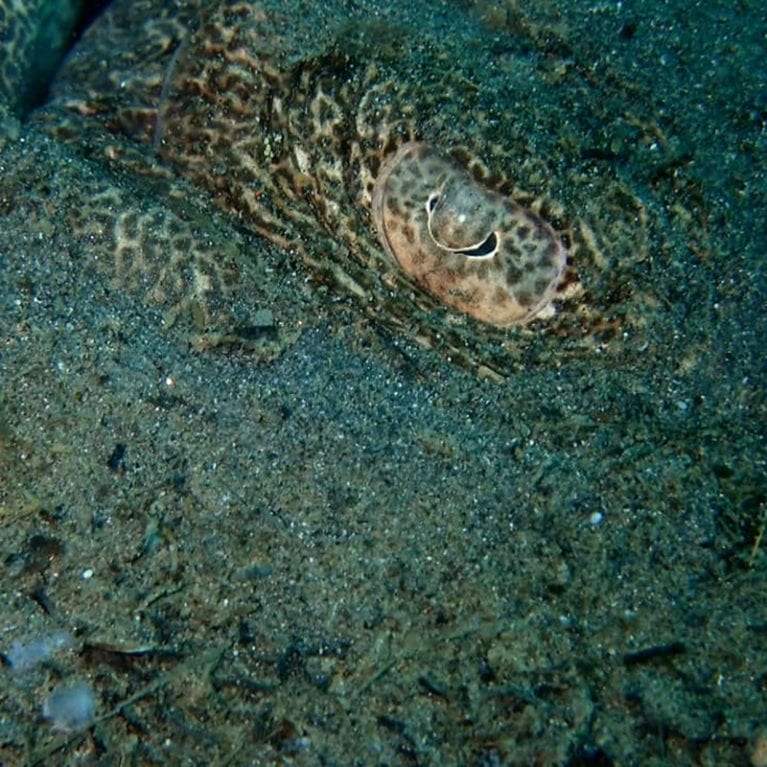
Searching for the sharks and rays of Greece’s South Aegean Sea
PROJECT LEADER Ioannis Giovos
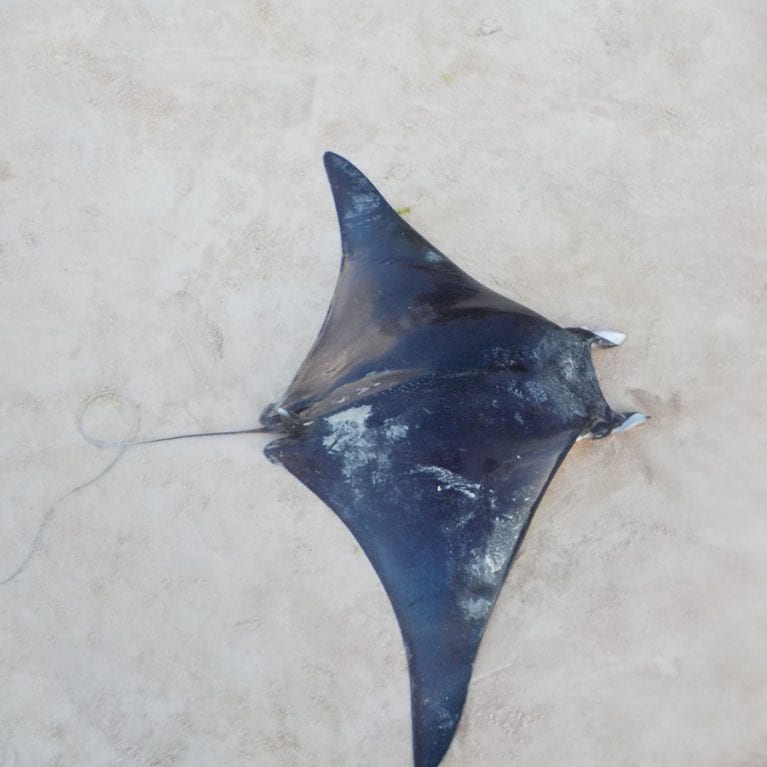
Better the devil you know
PROJECT LEADER Ellen Barrowclift
Flapper skate family ties
PROJECT LEADER Tanja Schwanck
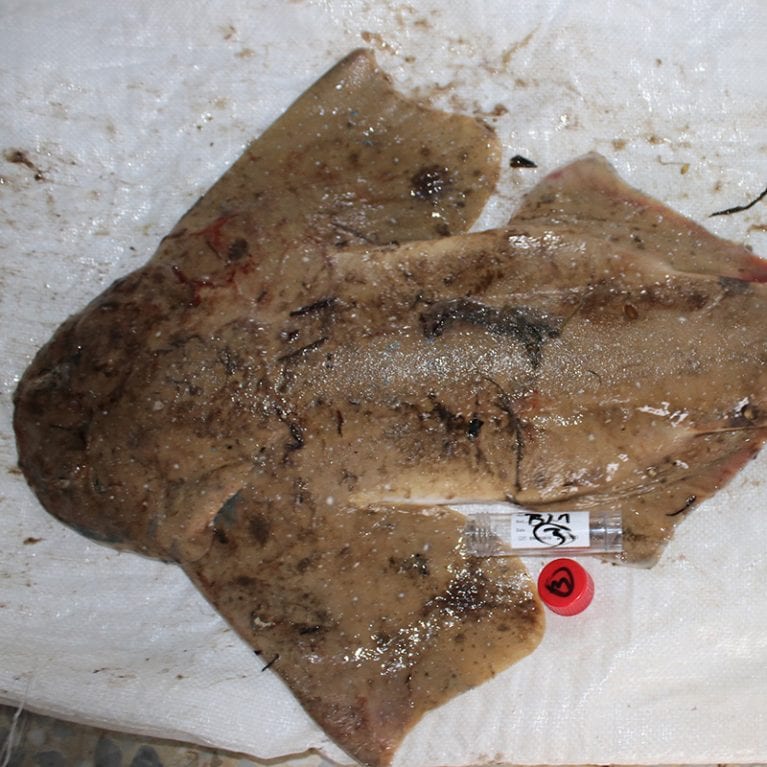
A lifeline for Libya’s angel sharks
PROJECT LEADER Sarah Al Mabruk
Tracing Tanzania’s illegal shark product networks
PROJECT LEADER Cyrus Rumisha
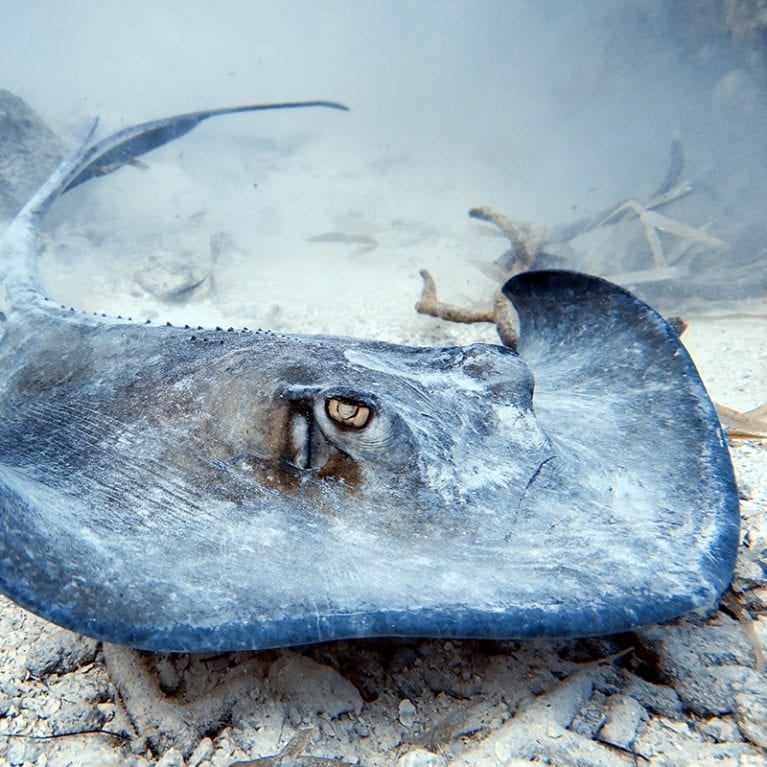
Influence of contaminant transfer from mom to pup?
PROJECT LEADER Kady Lyons
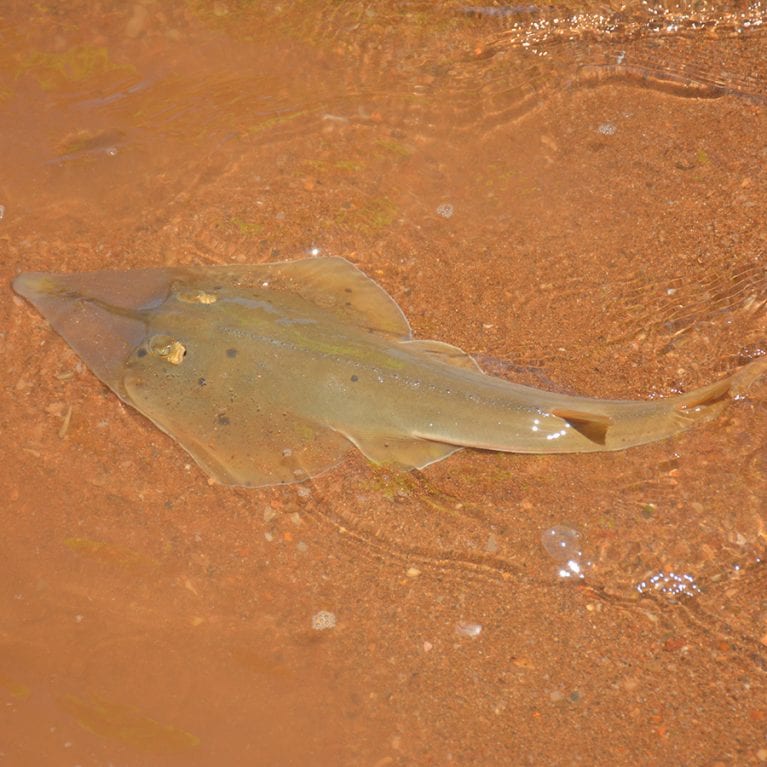
Tracks: tagging the shark-like rays of Pilbara
PROJECT LEADER Karissa Lear
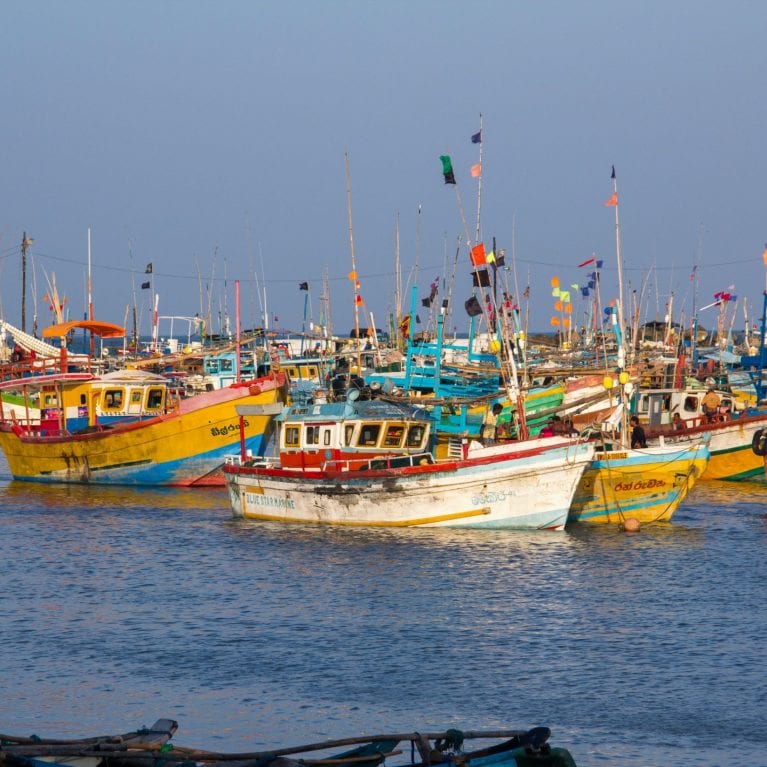
Training and tools to save bowmouth guitarfish
PROJECT LEADER Emily Humble
Close-kin and eagle ray conservation
PROJECT LEADER John Swenson
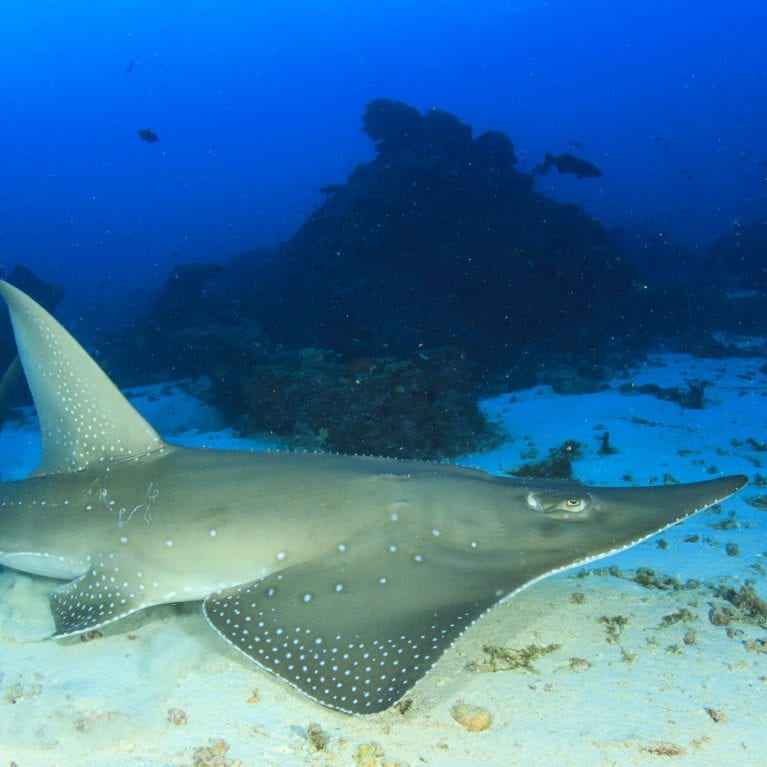
Saving Kenya’s ocean ‘rhino’
PROJECT LEADERS Andrew Temple, Nina Wambiji
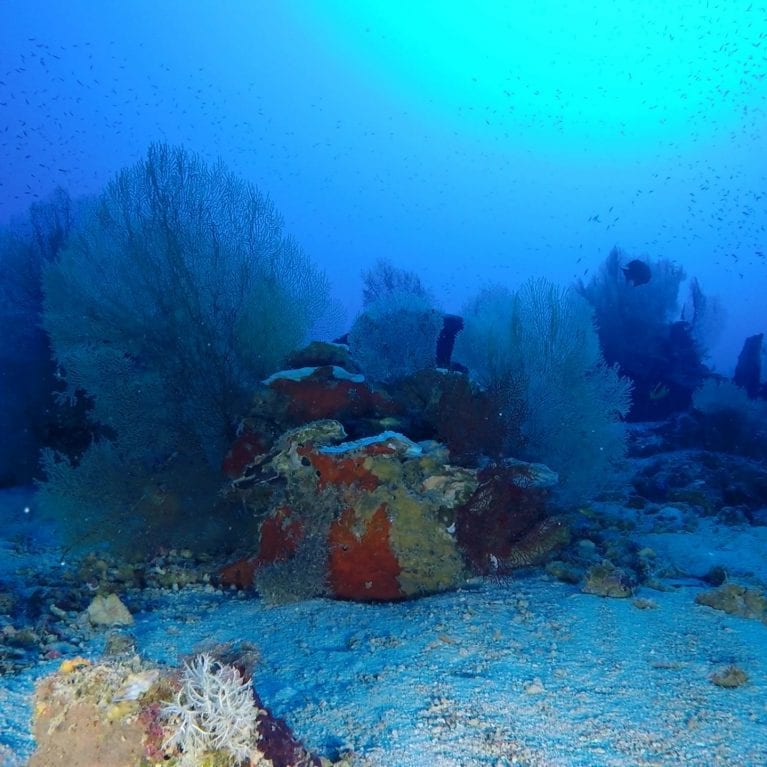
Can corals recover at D’Arros Island?
PROJECT LEADER Phil Hosegood
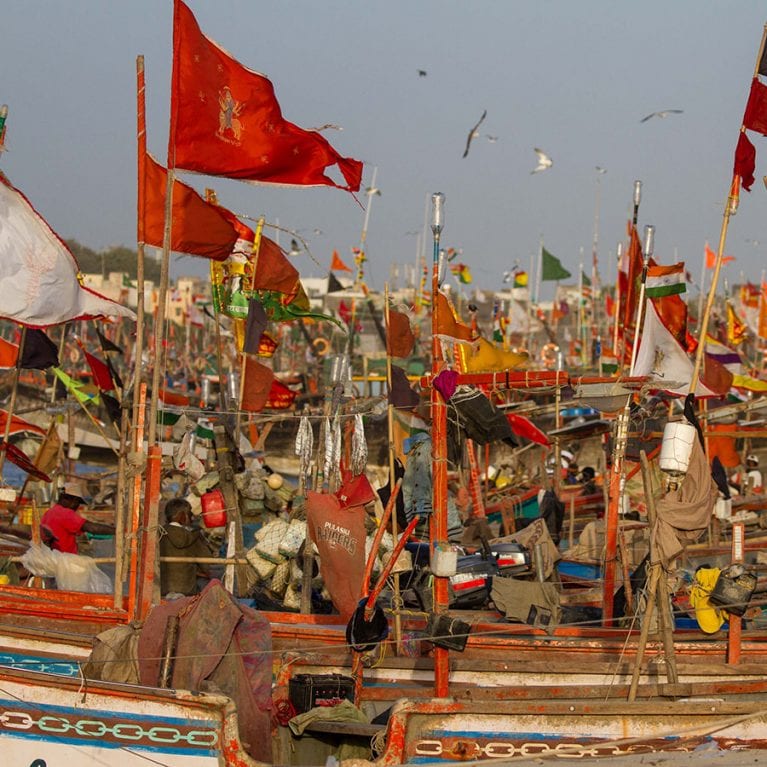
Catch up: understanding India’s ray fisheries
PROJECT LEADER Alissa Barnes
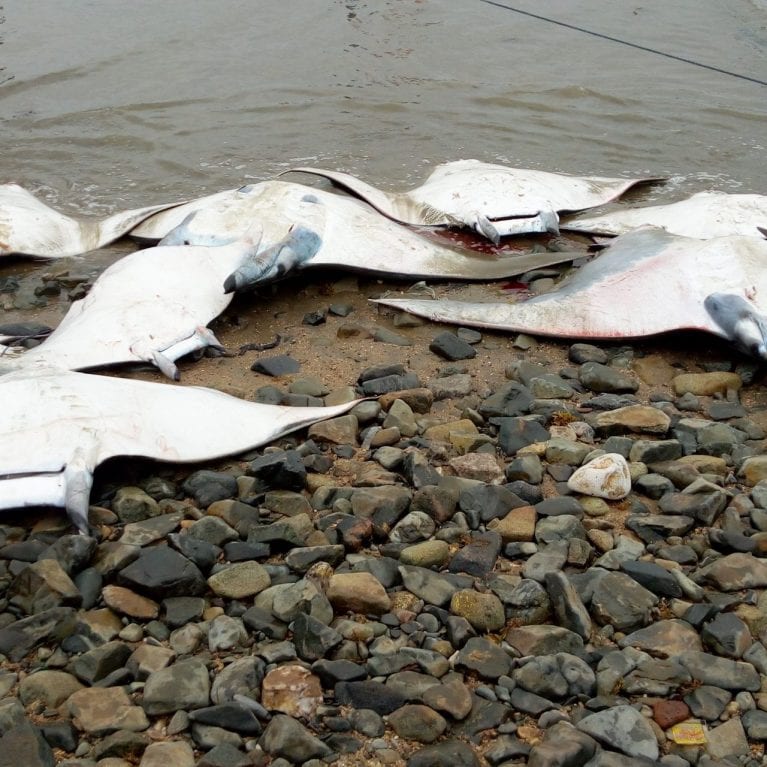
Filling in the gaps for Ghana’s shark fisheries
PROJECT LEADER Issah Seidu
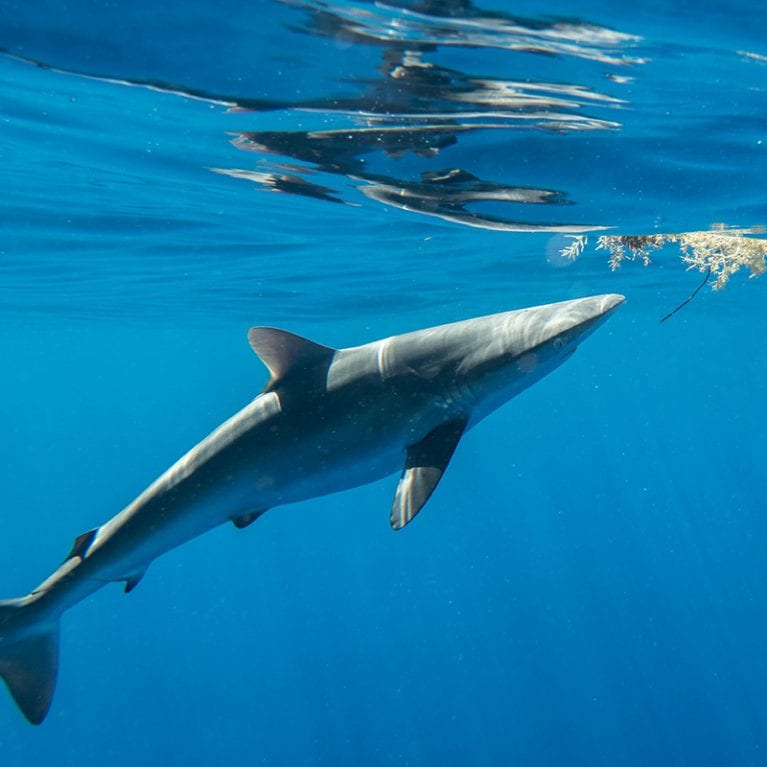
Secret lives of silky sharks
PROJECT LEADER Brendan Talwar
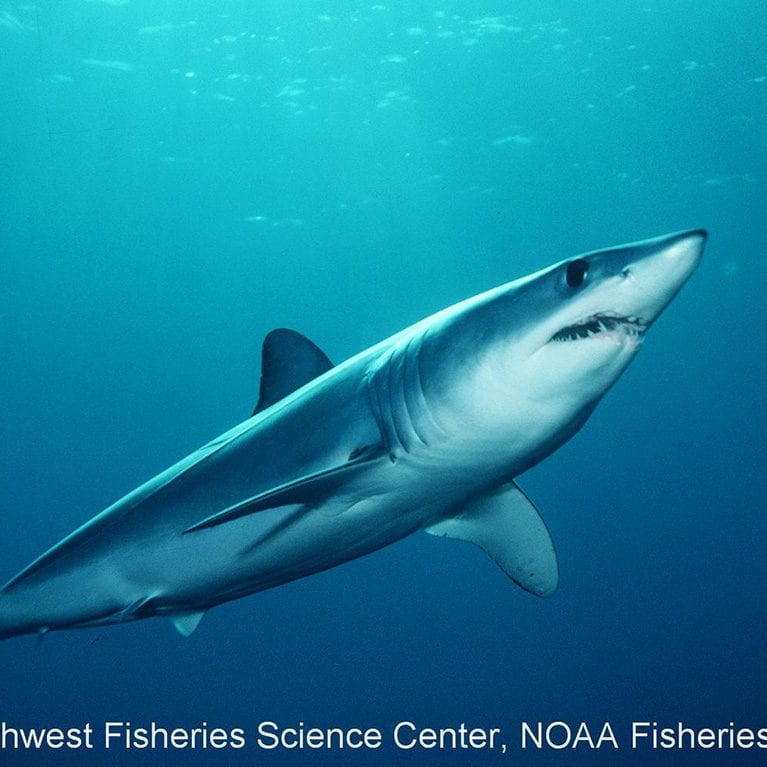
Age Restriction: Predicting Patterns for Short-Fin Mako Shark
PROJECT LEADER John Mohan
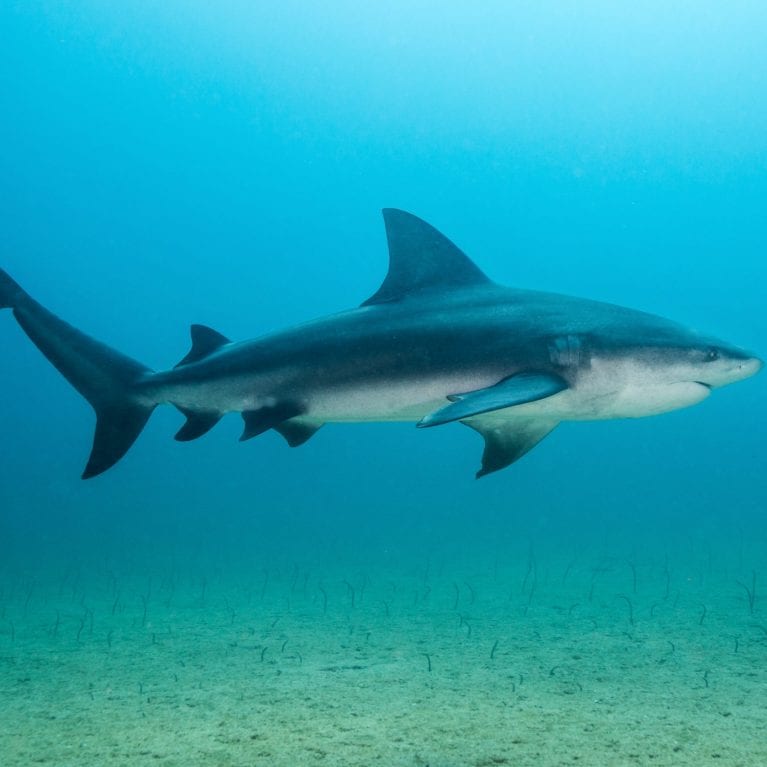
Of algal blooms and bull sharks
PROJECT LEADER Lauran Brewster
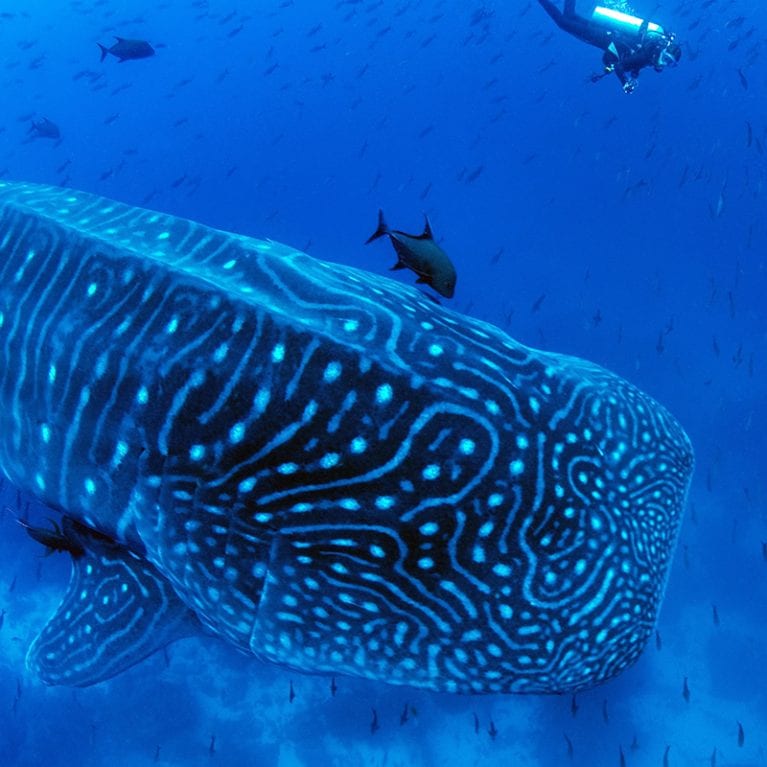
Secrets of the whale sharks of the Galápagos Marine Reserve
PROJECT LEADER Jonathan Green
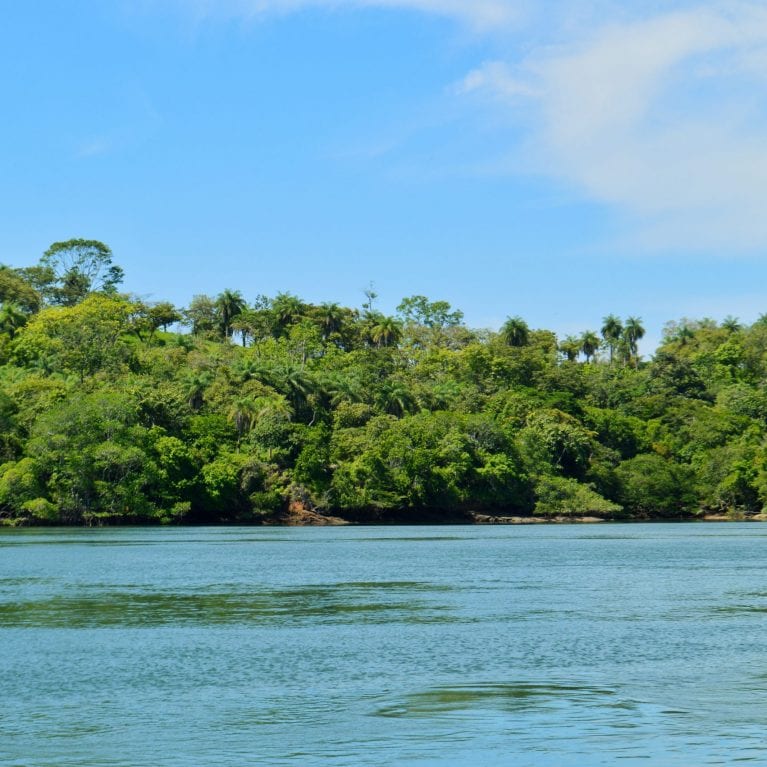
Searching for ‘El Guacapa’ with eDNA
PROJECT LEADER Juan Cubillos Moreno
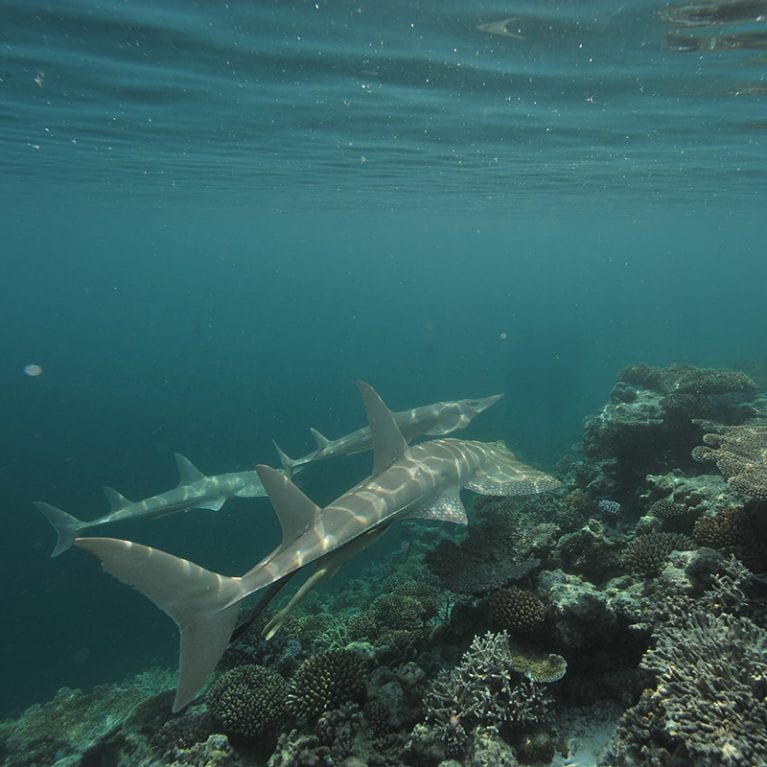
Back to basics: bottlenose wedgefish biology
PROJECT LEADER Brooke D’Alberto
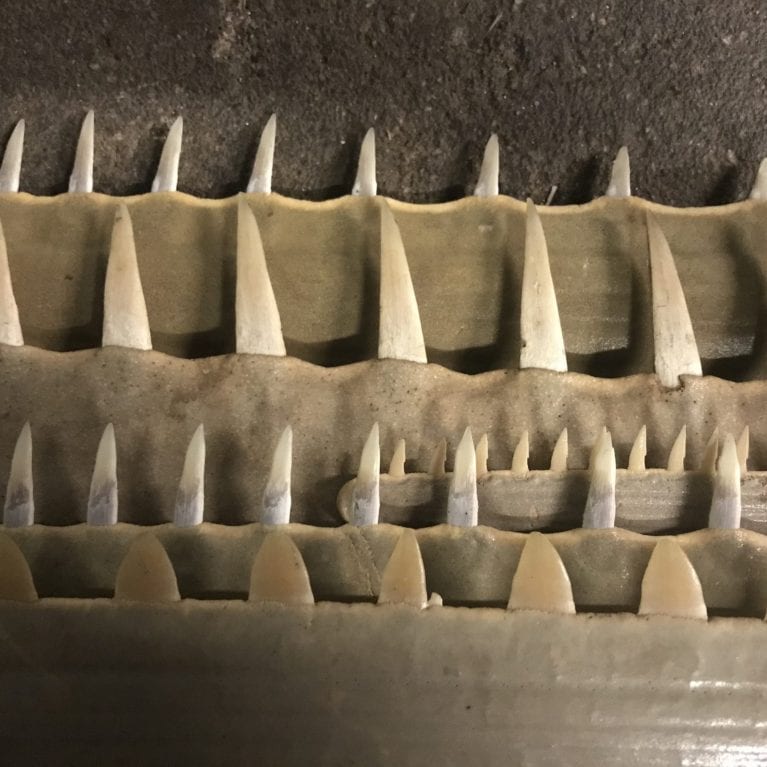
A new use for old things: saving sawfishes with repurposed rostra
PROJECT LEADER Veronika Biskis
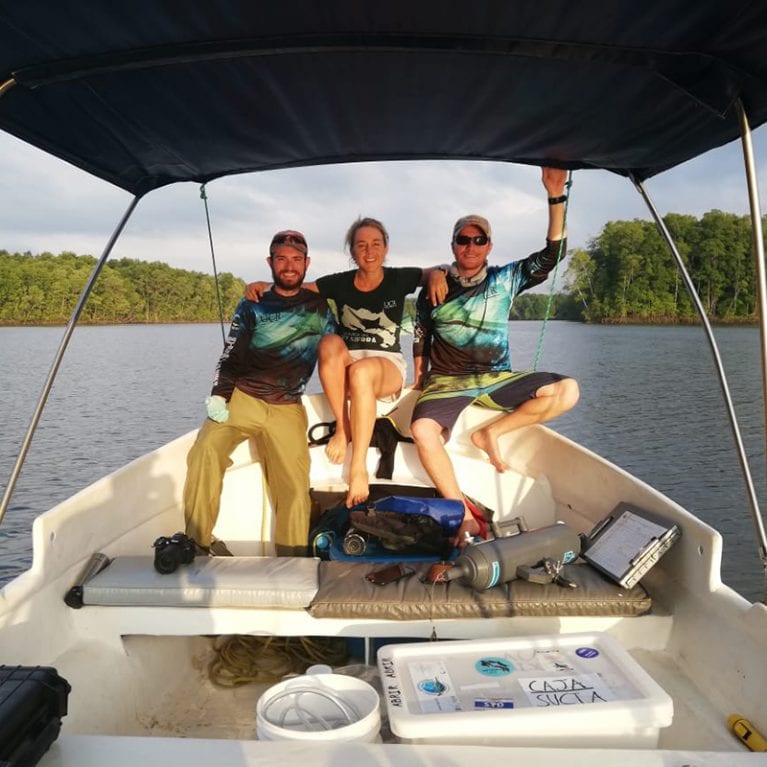
Tracing sawfishes in the last habitats of Costa Rica
PROJECT LEADER Mario Espinoza
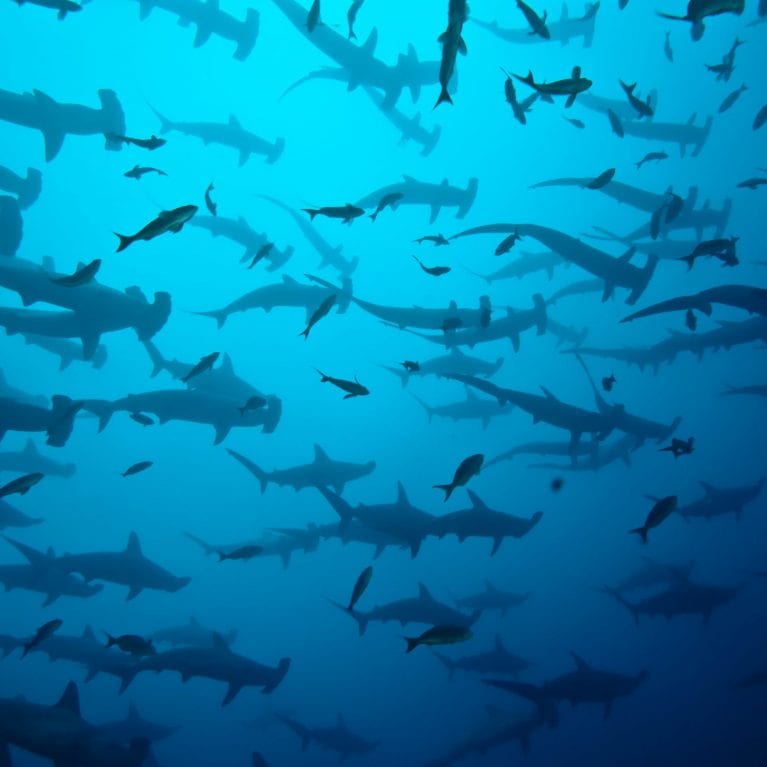
Connecting communities to conservation
PROJECT LEADER Juan Sebastián Torres
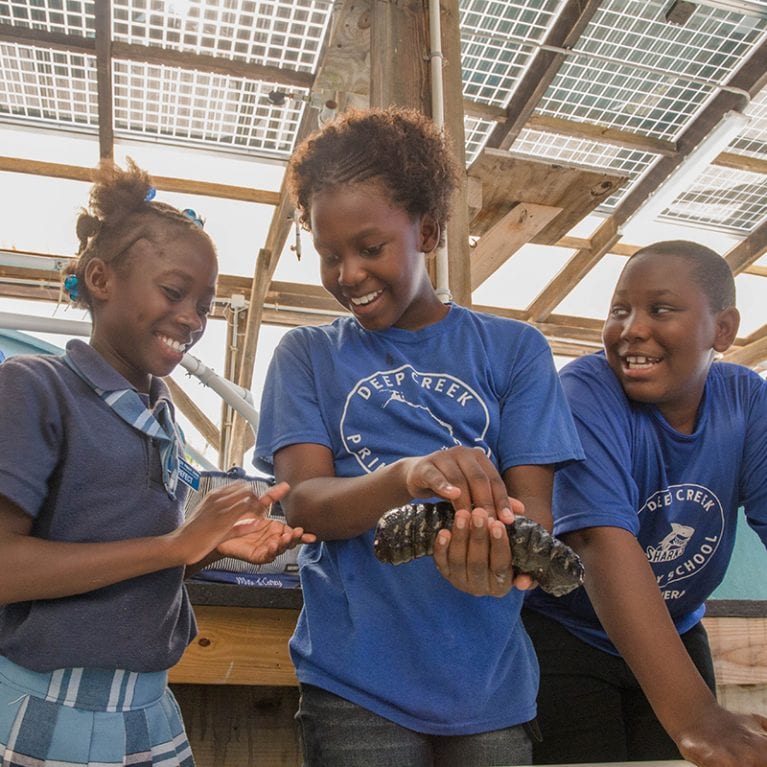
Building future conservation leaders in The Bahamas
PROJECT LEADER Rachel Buissereth
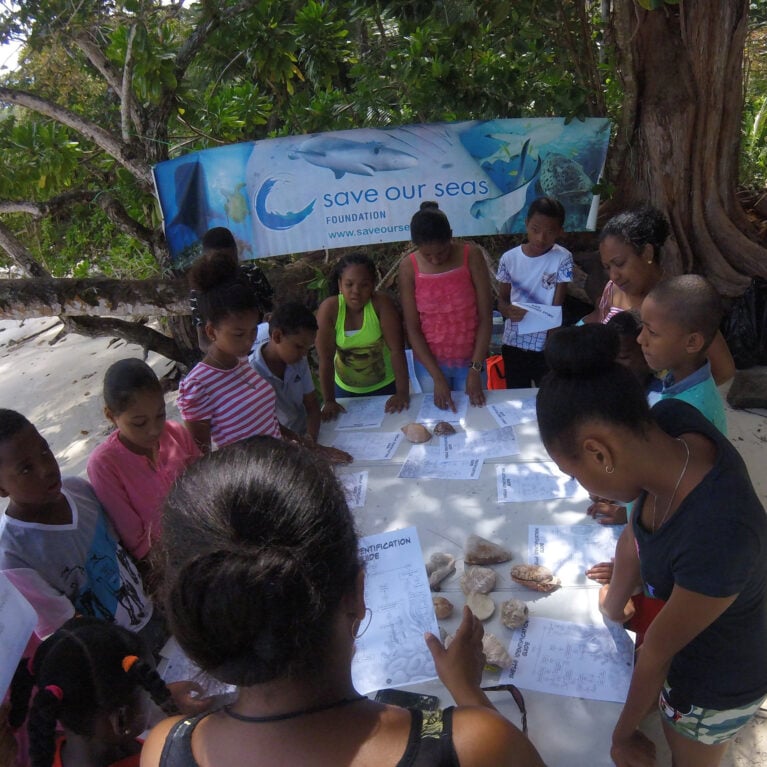
Environmental education in the Seychelles
PROJECT LEADER Terence Vel
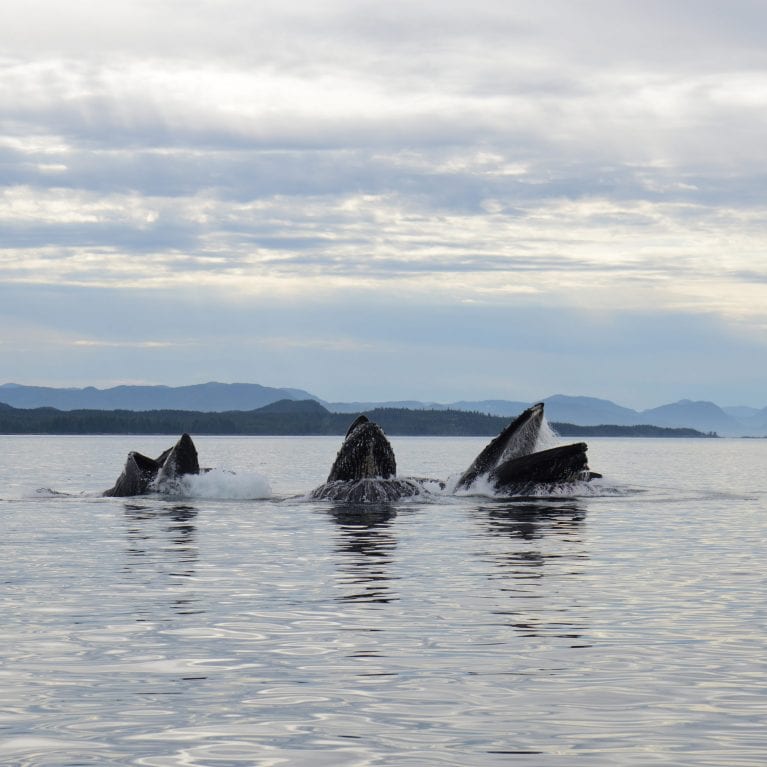
BC Whales
PROJECT LEADER Janie Wray
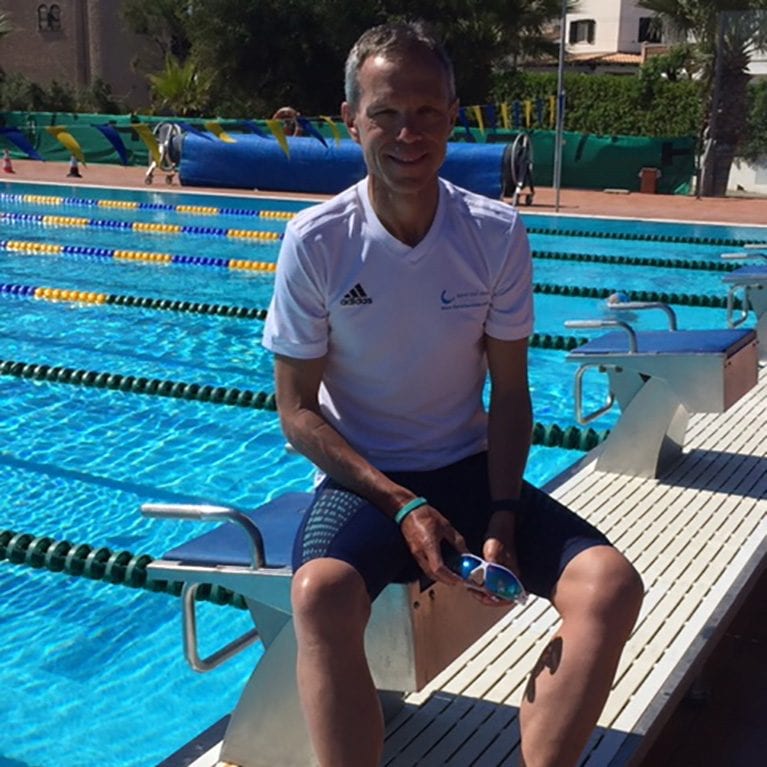
Swiss long distance swimmer
PROJECT LEADER Renato Munz
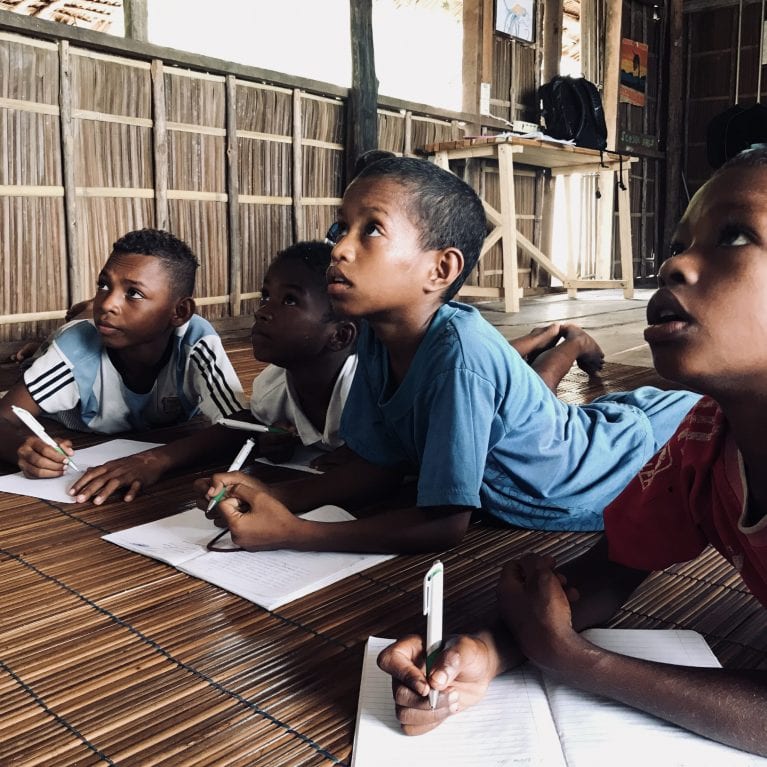
New Education Centre in West Papua
PROJECT LEADER Jonas Müller
Microplastics a macro-disaster?
PROJECT LEADERS Alina Wieczorek, Giulia Donati
Decoding DNA for diversity
PROJECT LEADER Glorimar Franqui-Rivera
Community conservation in the Caribbean
PROJECT LEADER Catherine Macdonald
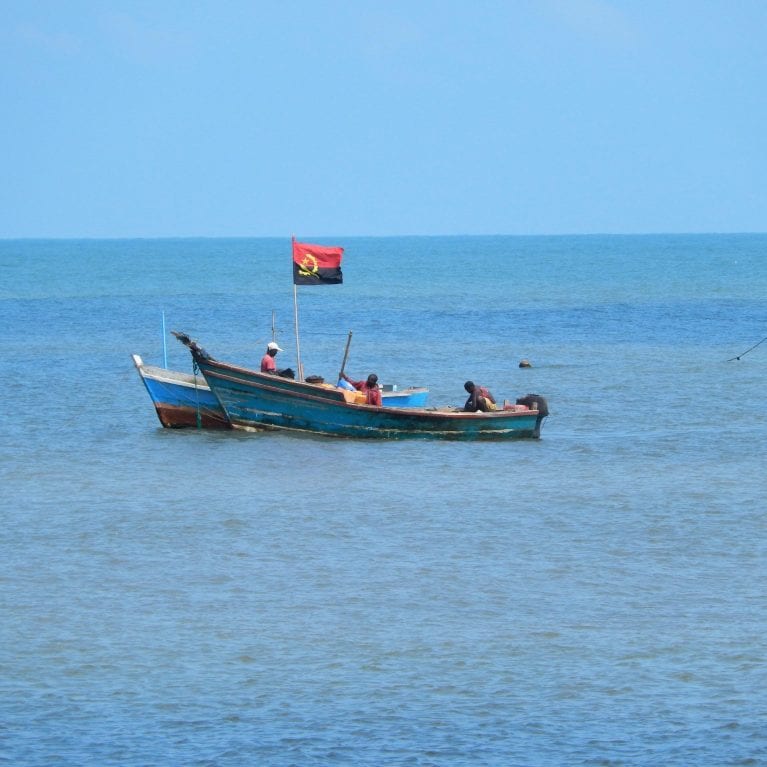
Assessing Angola’s fisheries
PROJECT LEADER Ana Lúcia Furtado Soares
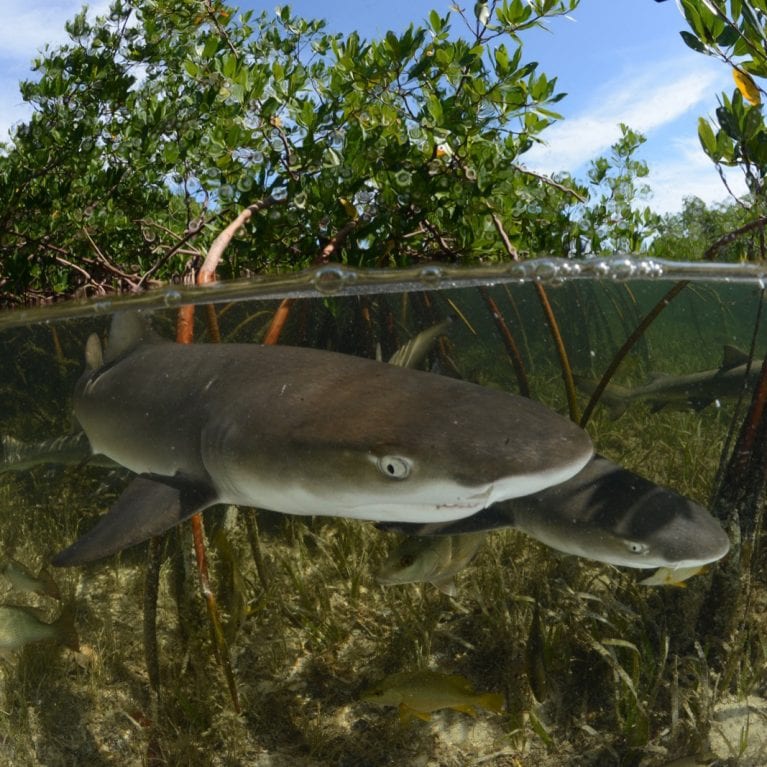
Breaking ground with Bimini’s babies
PROJECT LEADER Andria Beal
Honing in on habitats
PROJECT LEADER Alifa Bintha Haque
Shark survival from the shore
PROJECT LEADERS Jill Brooks, Hannah Medd
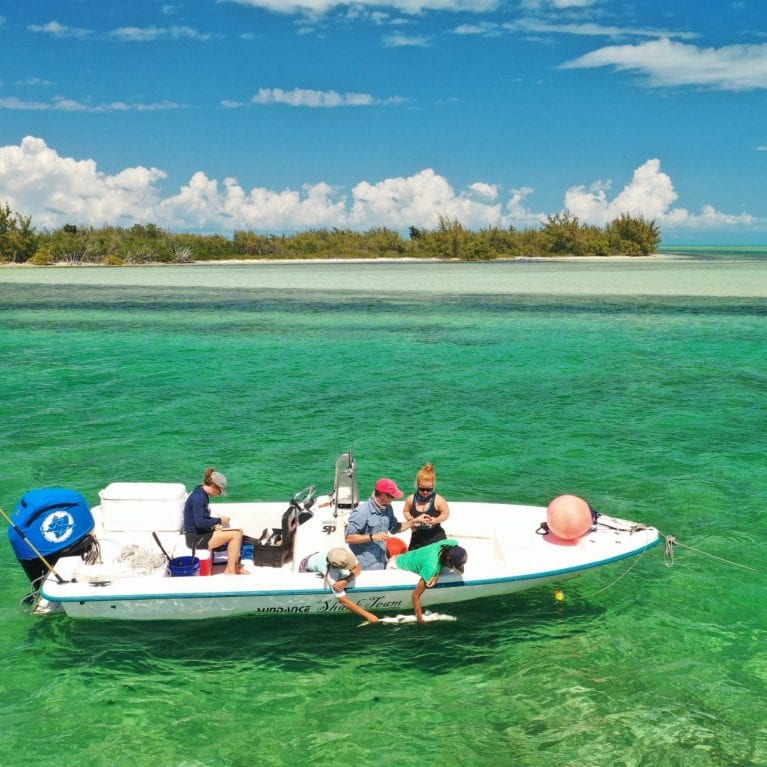
Home on the Lemon Shark Range
PROJECT LEADER Evan Byrnes
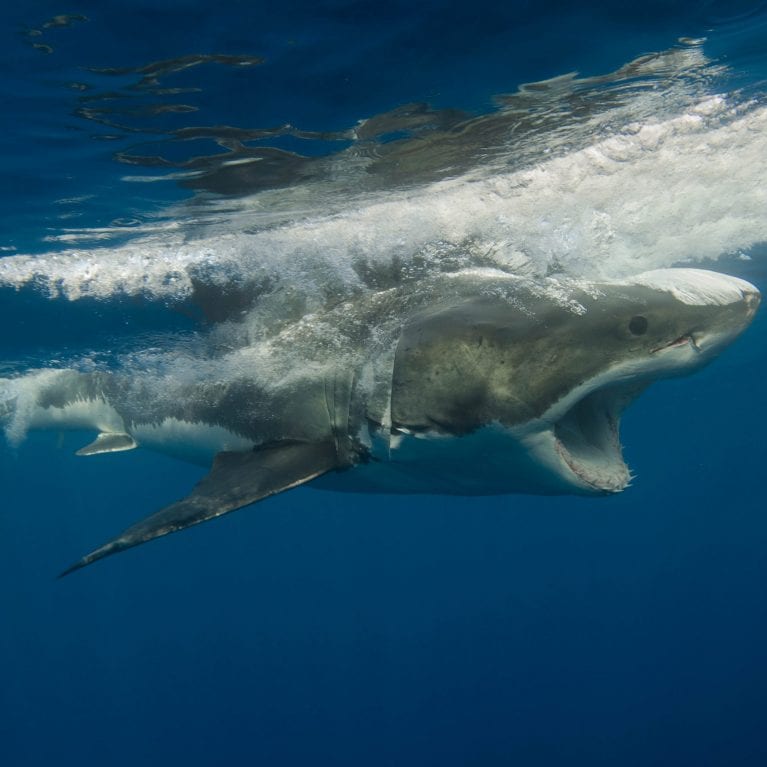
Curbing conflict in Cape Cod
PROJECT LEADER Greg Skomal
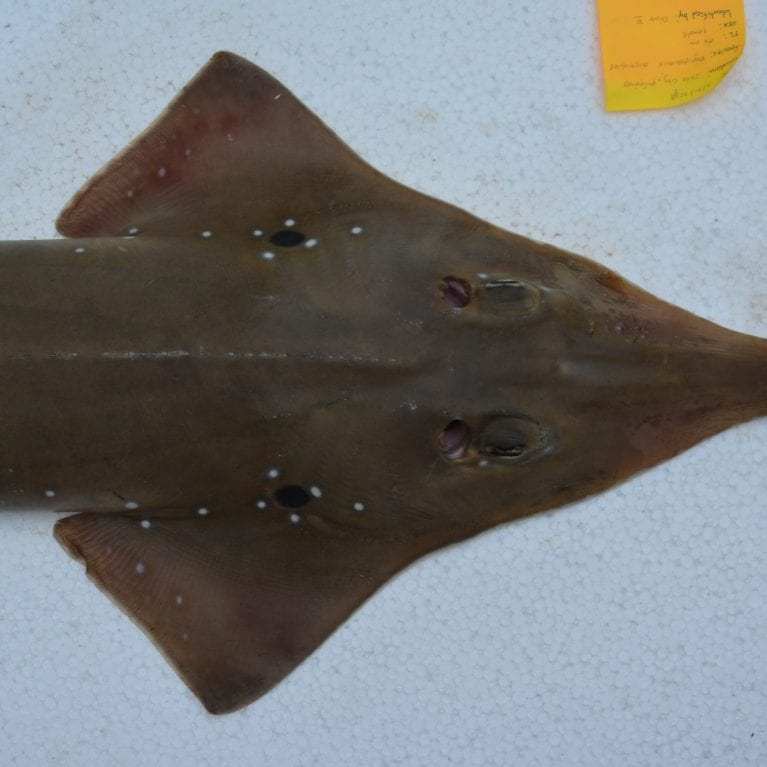
What’s happening with wedgefish?
PROJECT LEADER AA Yaptinchay
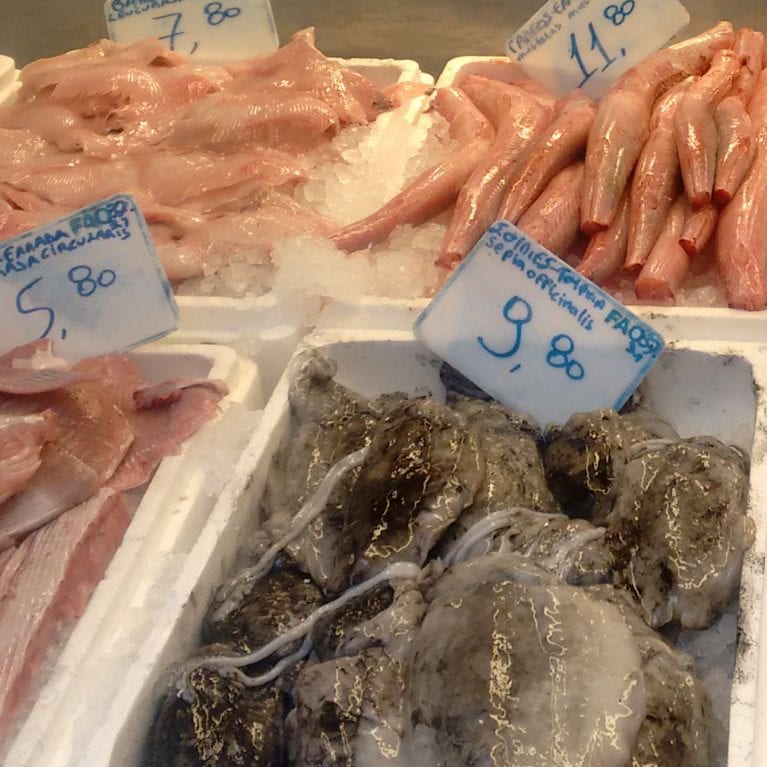
Mediterranean diet: are rays on the menu?
PROJECT LEADER Chrysoula Gubili
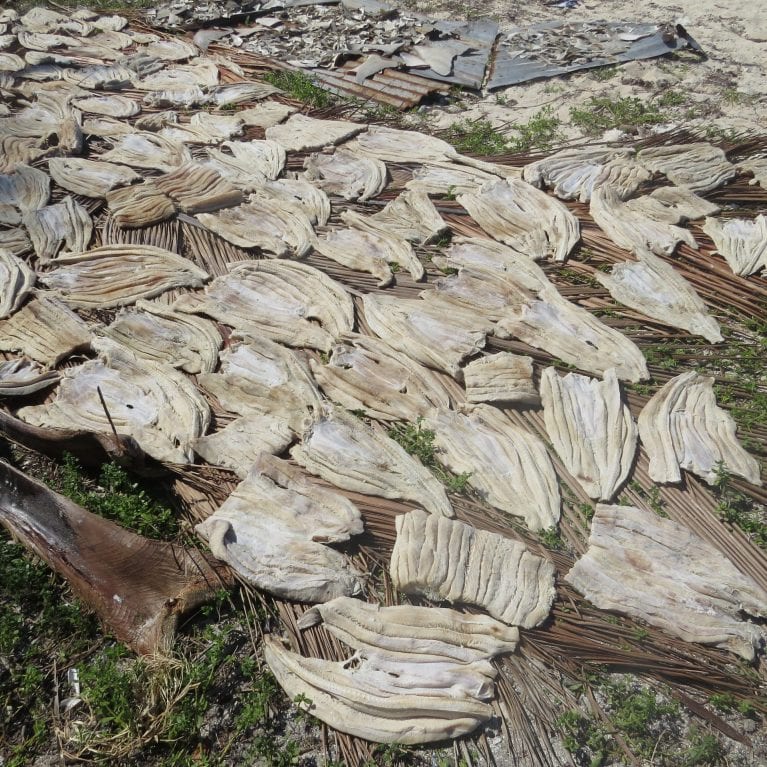
Fisheries in far-flung places
PROJECT LEADER Gabriela Ochoa
Searching for sharks in South Asian seas
PROJECT LEADER Ravi Ranjan Kumar
Catch-up: Mexico’s shark fisheries
PROJECT LEADER Luz Saldaña-Ruiz
It’s in the genes
PROJECT LEADER Dominic Swift
Eat or be eaten
PROJECT LEADER Cheston Peterson
Getting to the bottom of by-catch
PROJECT LEADERS Don Croll, Melissa Cronin
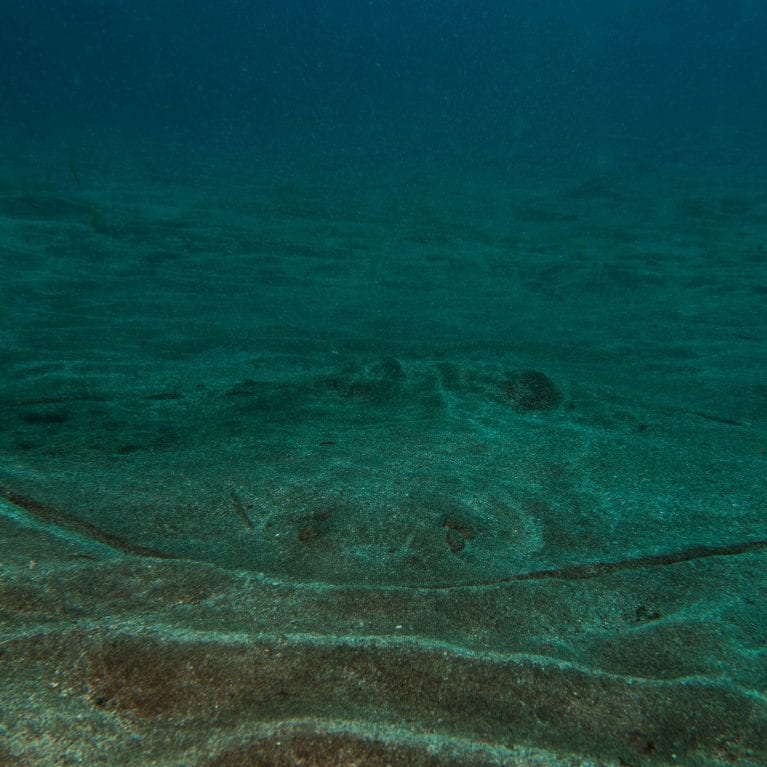
Baselines for butterfly babies
PROJECT LEADER Jaime Penadés Suay
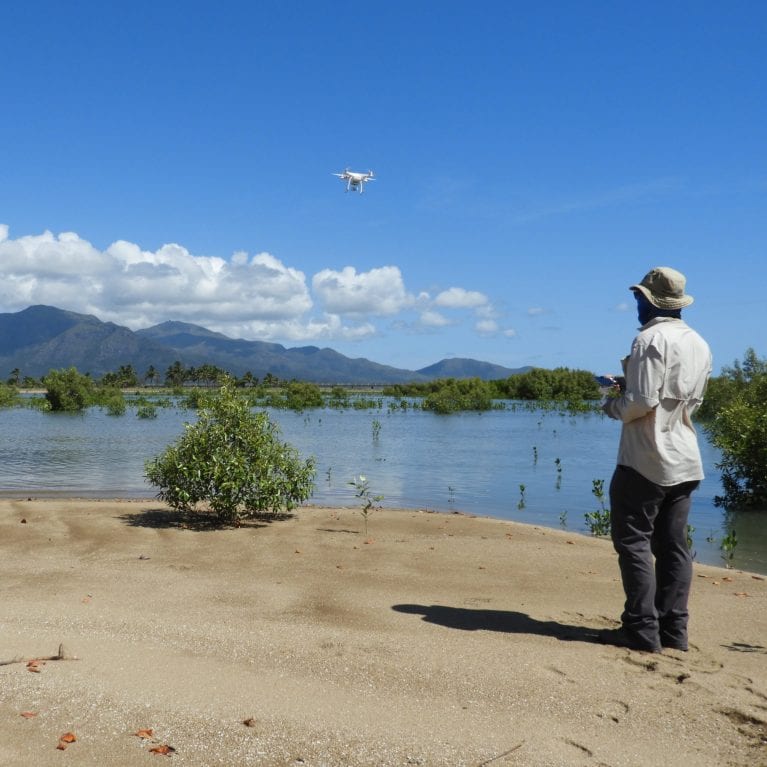
On the ray-dar
PROJECT LEADER Kevin Crook
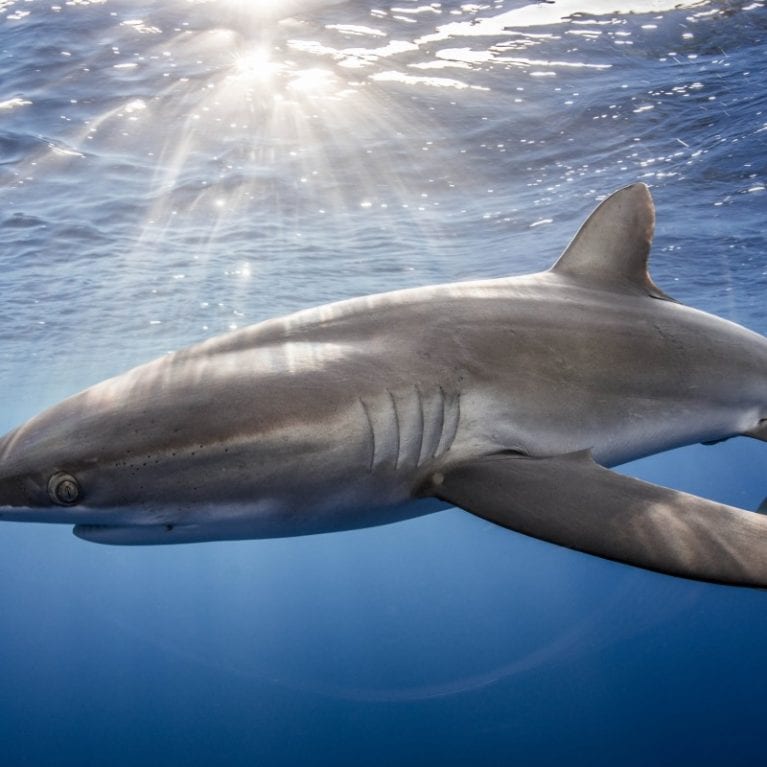
DNA Fingerprinting shark fins
PROJECT LEADER Derek Kraft
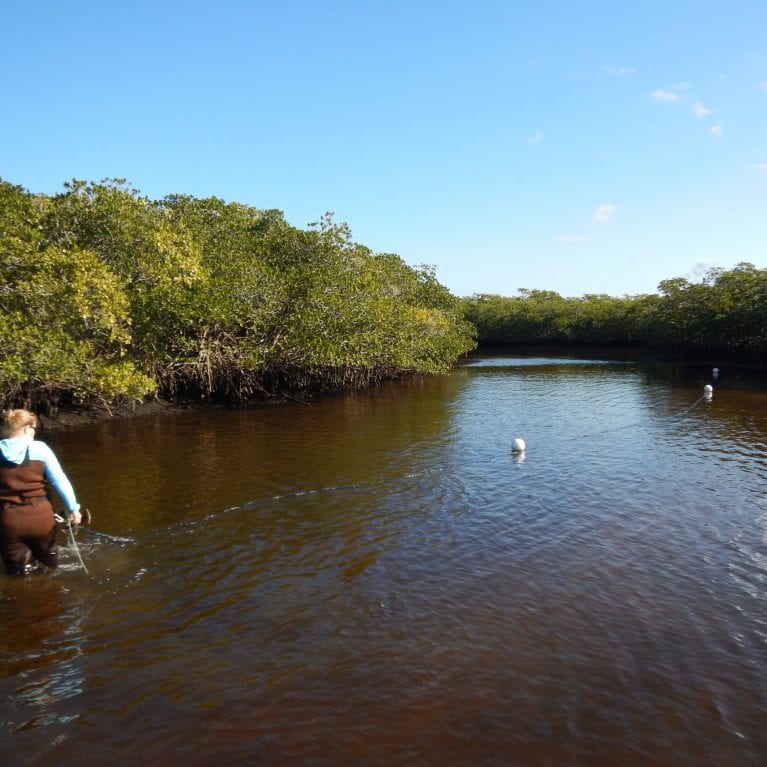
The sawfish sleuth
PROJECT LEADER Tonya Wiley
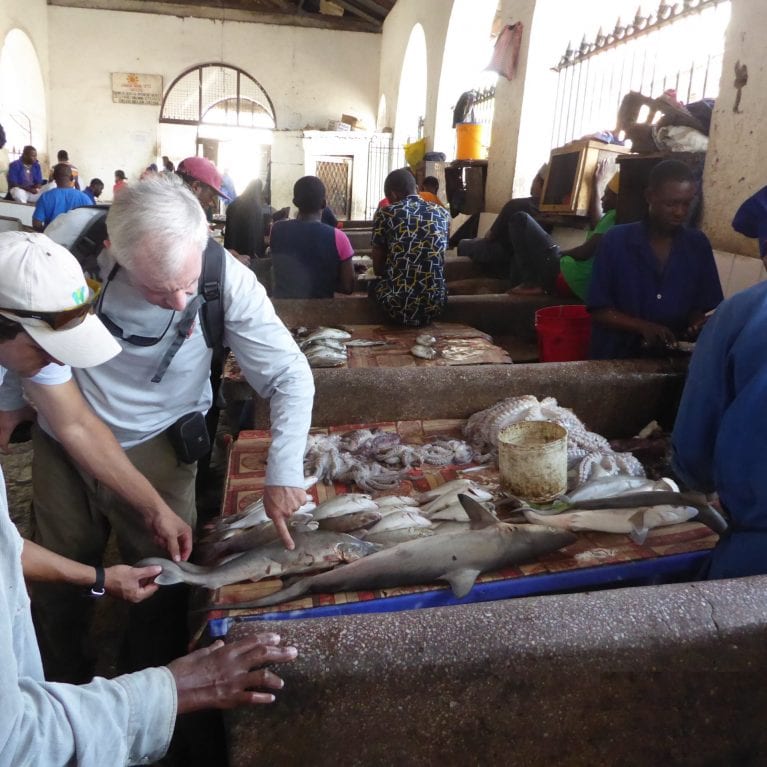
Playing for time
PROJECT LEADER Dave Ebert
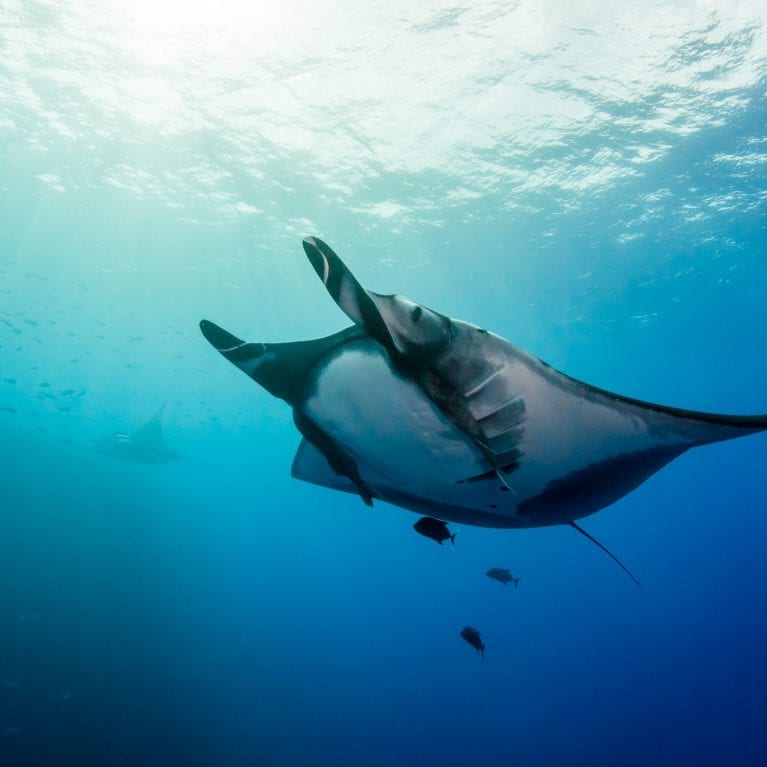
Better days for mobulid rays
PROJECT LEADER Josh Stewart
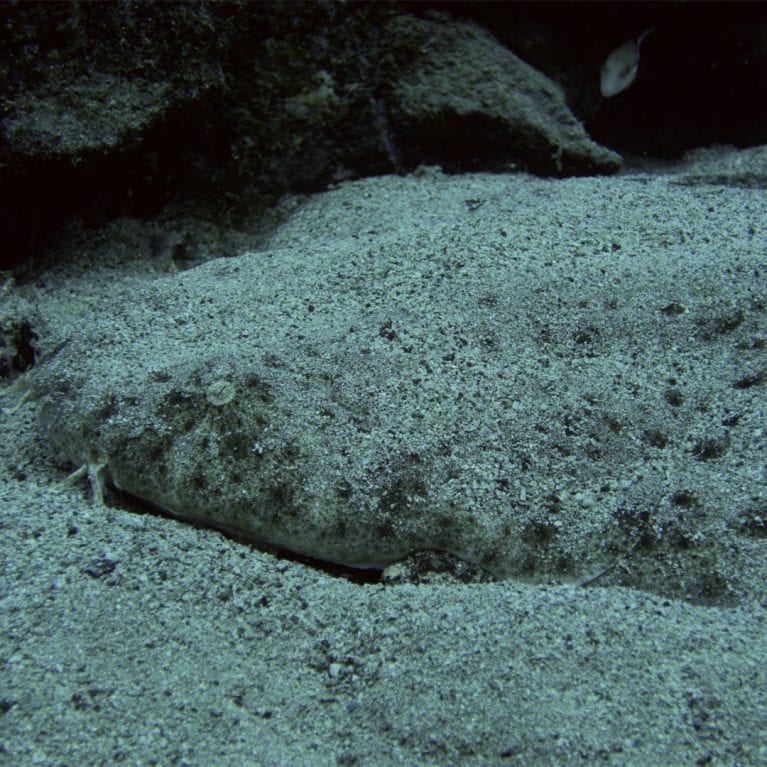
Guardian angels
PROJECT LEADER Jake Davies
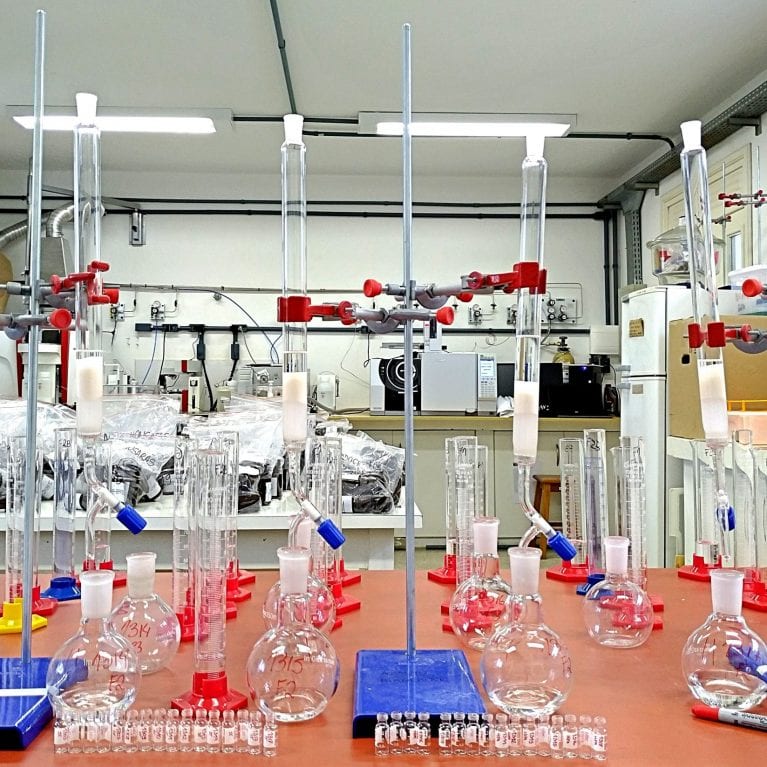
Toxic traces in endangered sharks
PROJECT LEADER Mariana Martins
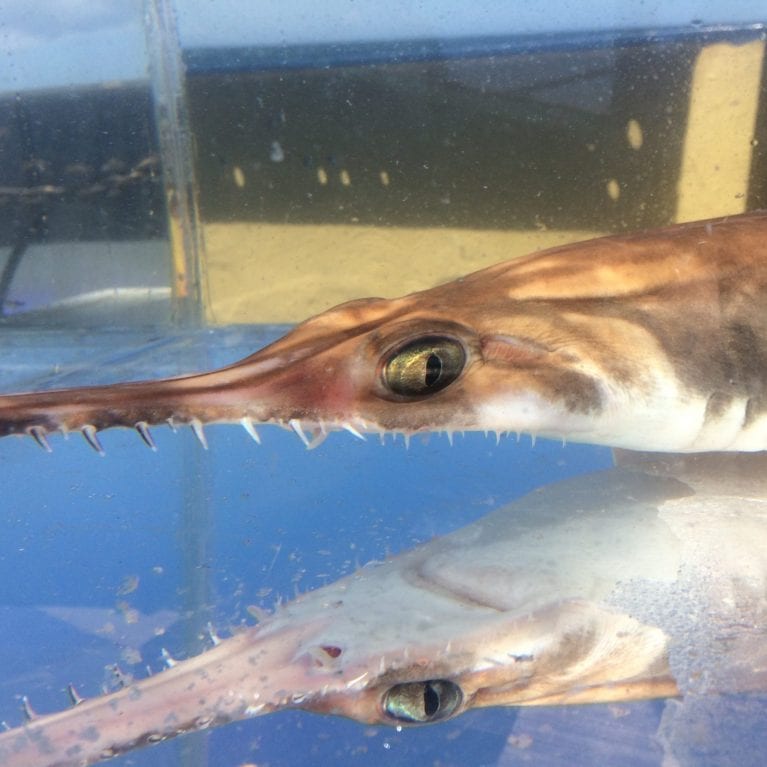
There’s something about sawsharks…
PROJECT LEADERS Jane Williamson, Paddy Burke
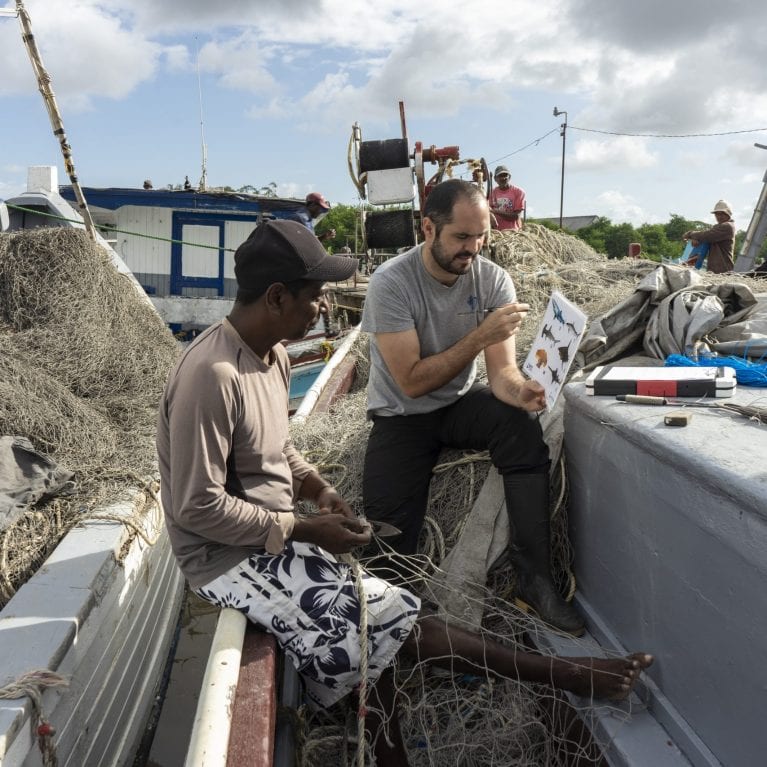
From the boat to the vote
PROJECT LEADER Diego Cardeñosa
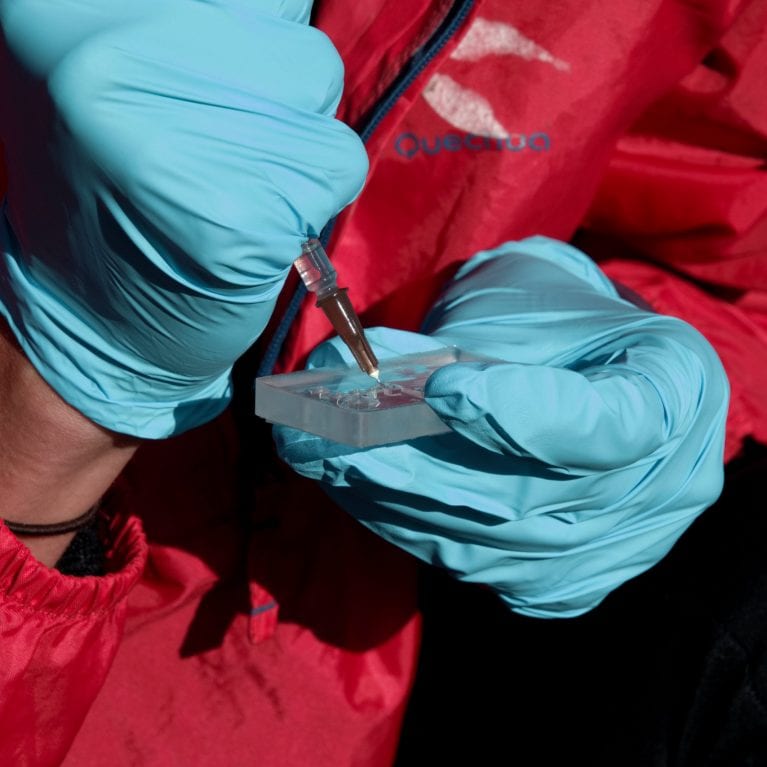
On-site ID: take-away tech for threatened sharks
PROJECT LEADER Kirsty Shaw
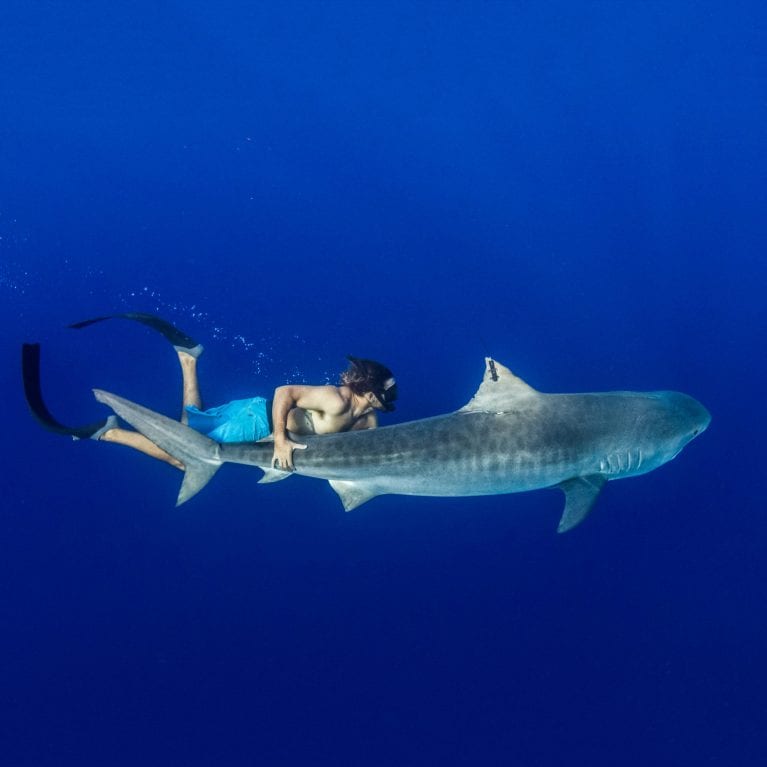
Keeping tabs on tiger shark moms
PROJECT LEADER Matthew Smukall (PhD)
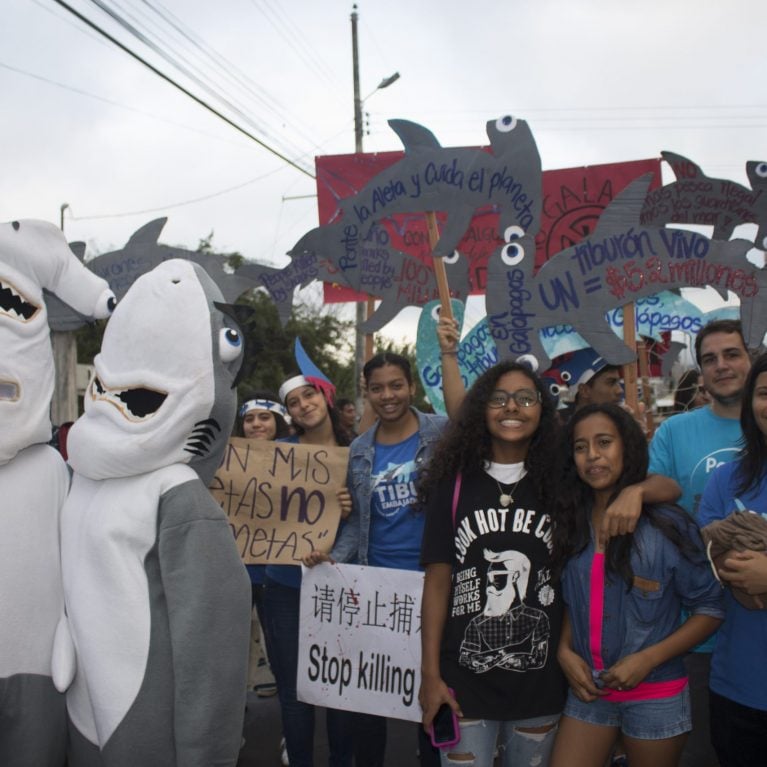
Galápagos Marine Education Programme
PROJECT LEADER Daniela Vilema
Global Sawfish Search
PROJECT LEADER Colin Simpfendorfer
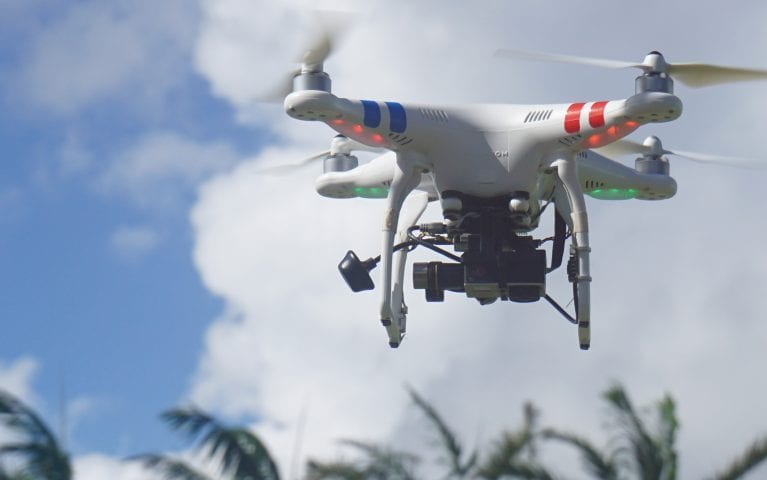
Sawfish aerial survey
PROJECT LEADER James Kilfoil
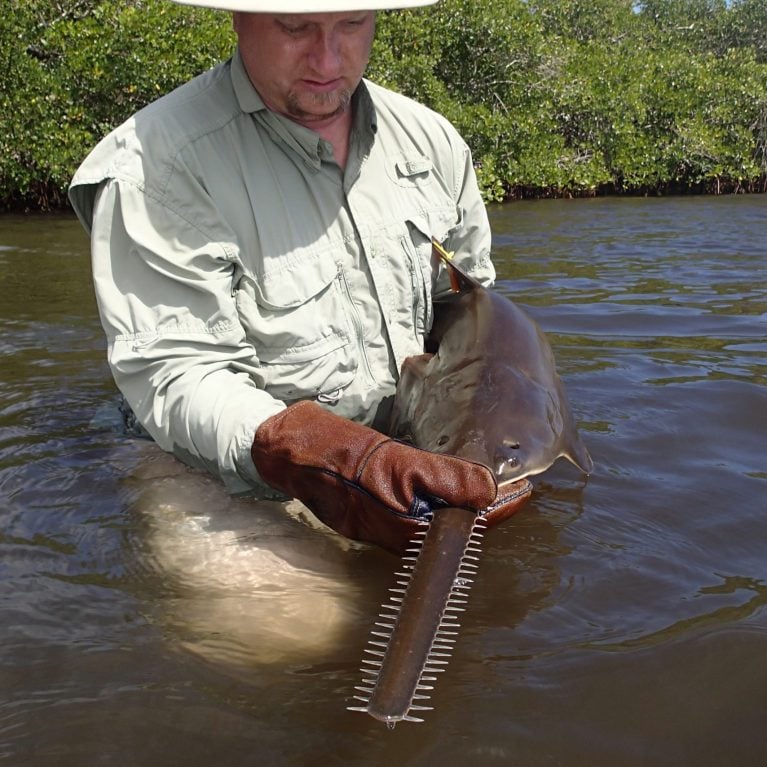
Sawfish eDNA, USA
PROJECT LEADER Gregg Poulakis
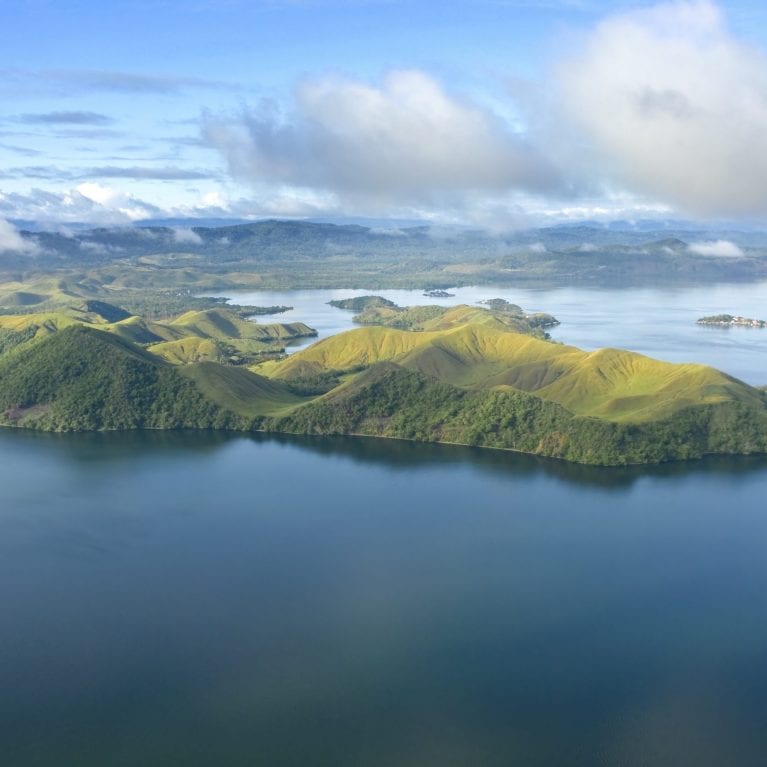
Sawfish status, PNG
PROJECT LEADER William White
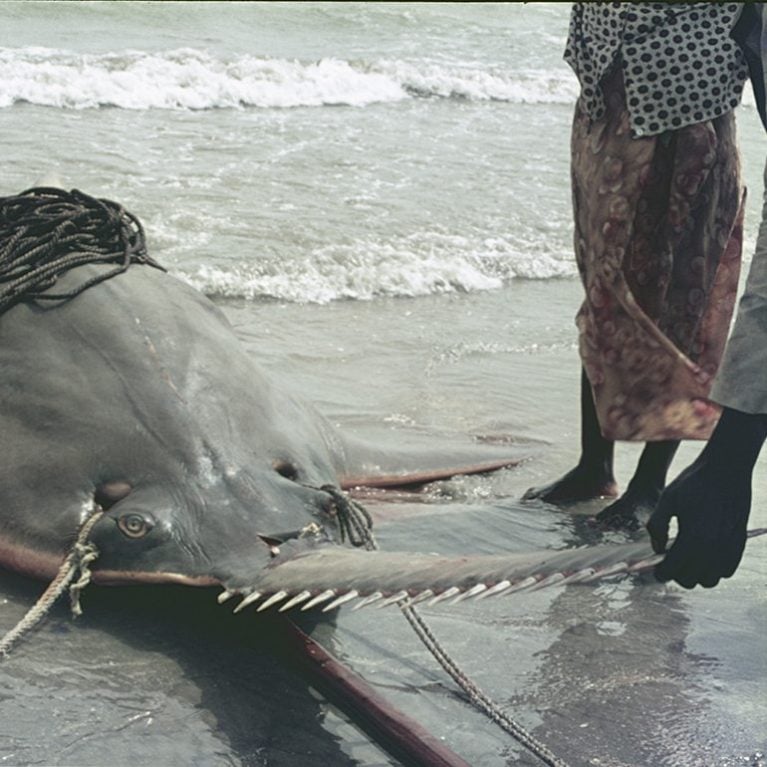
Sawfish hunt: return to Senegal
PROJECT LEADER Nigel Downing
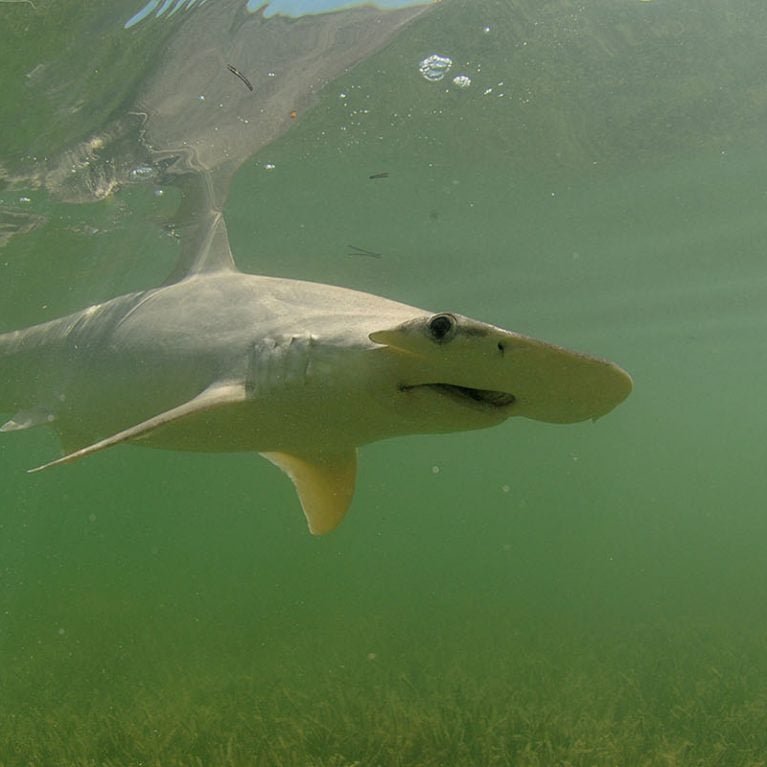
Bonnetheads – magneto sharks
PROJECT LEADER Bryan Keller
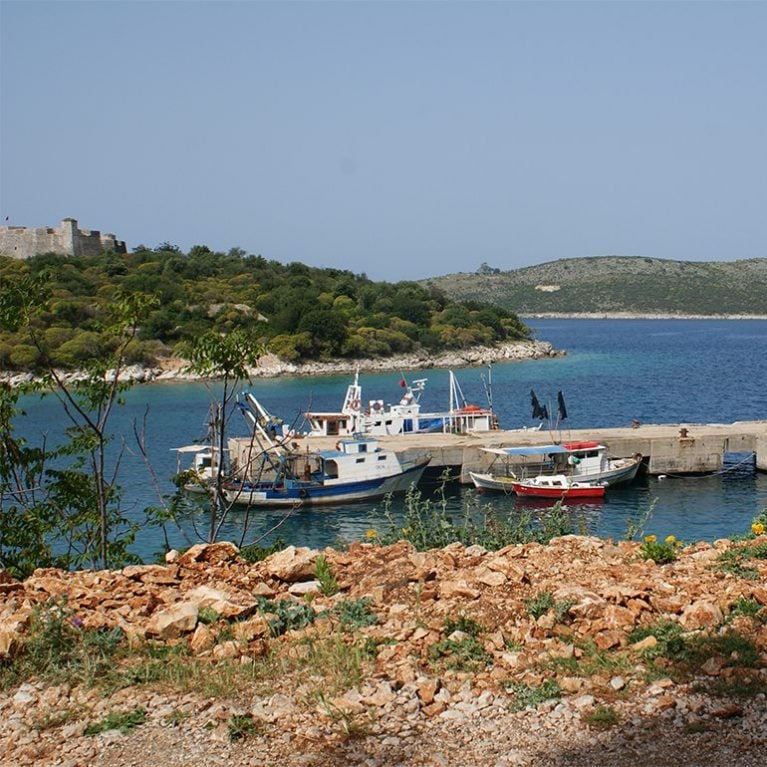
The starting point for saving Albania’s sharks
PROJECT LEADER Rigers Bakiu
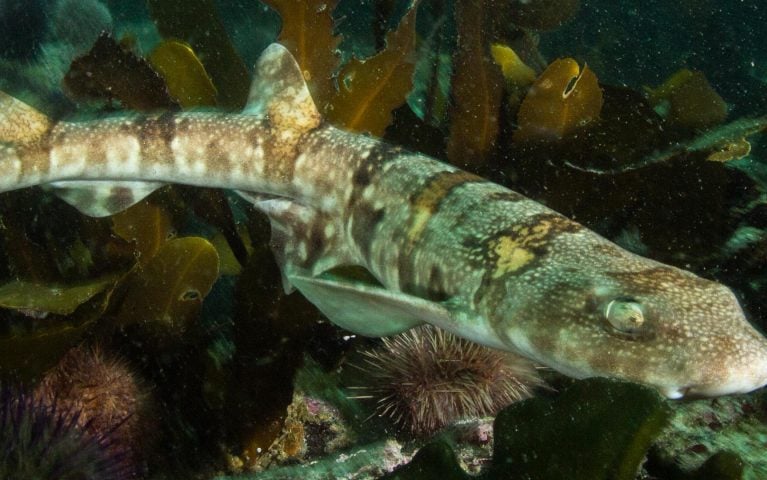
Kick-starting ELMO – the secret lives of South Africa’s catsharks
PROJECT LEADER Lisa Schroeter
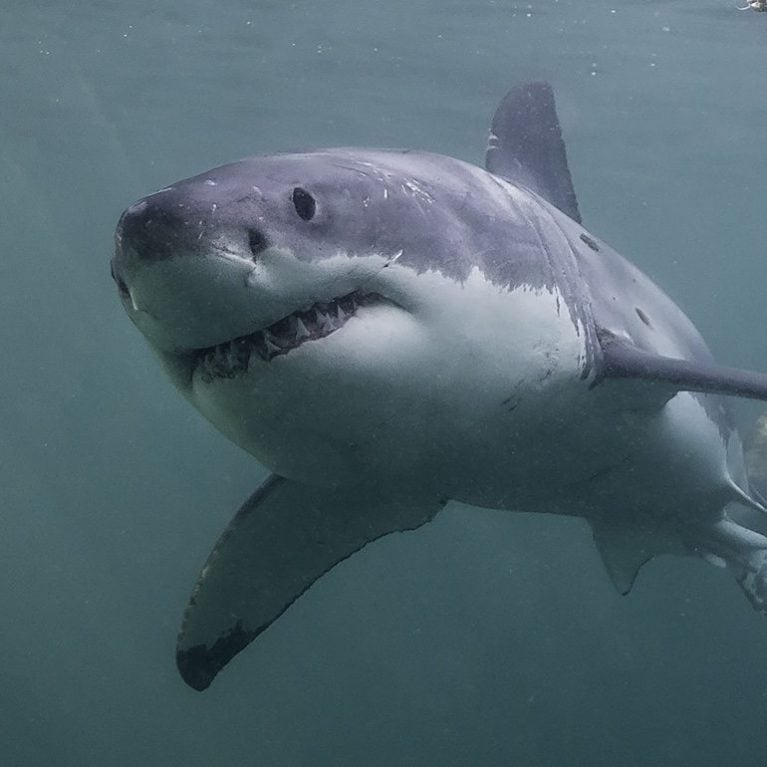
The great South African white shark count
PROJECT LEADER Dylan Irion
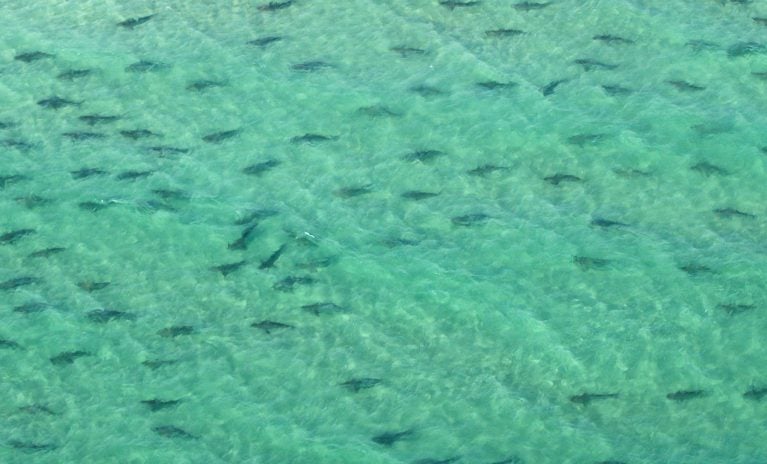
Migration mechanics, USA
PROJECT LEADER Marianne Porter
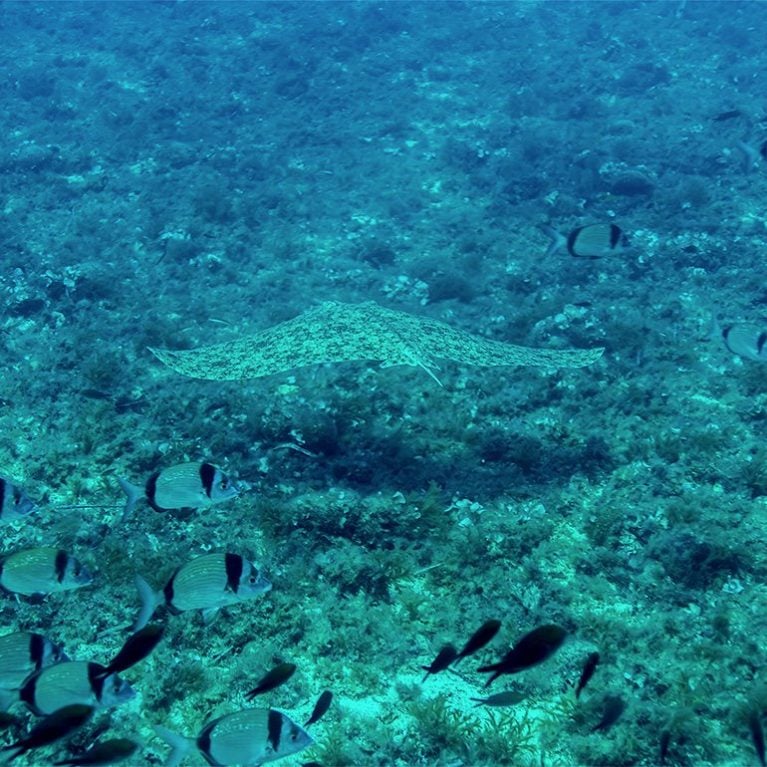
Rays of paradise
PROJECT LEADER David Jiménez
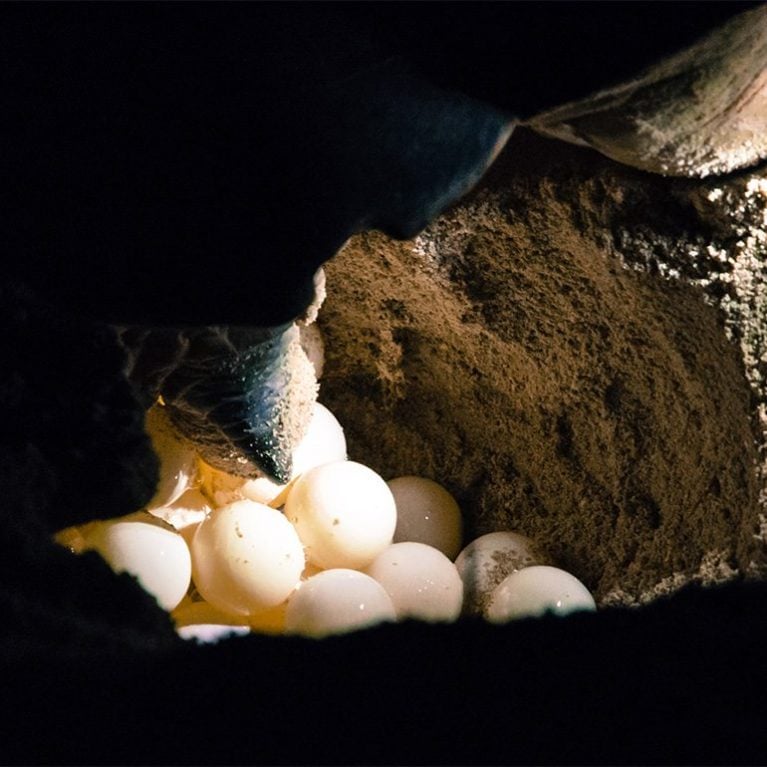
What will global warming mean for sea turtles?
PROJECT LEADER Nicolas Pilcher
Fishers of Mafia Island
PROJECT LEADER Patroba Matiku
Sawfish status, Indonesia
PROJECT LEADER Dharmadi Dharmadi
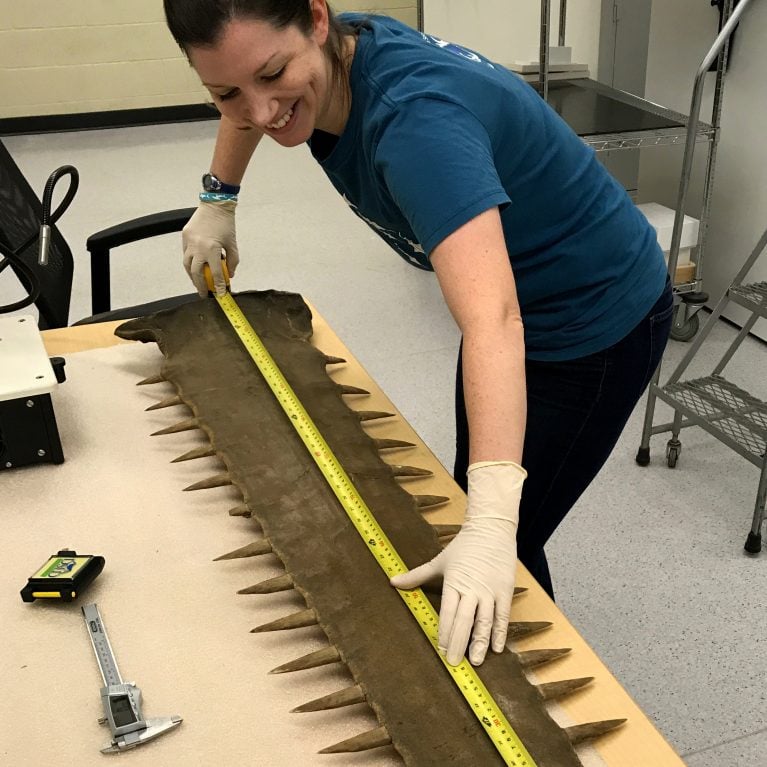
Sawfish gene-pool
PROJECT LEADER Nicole Phillips
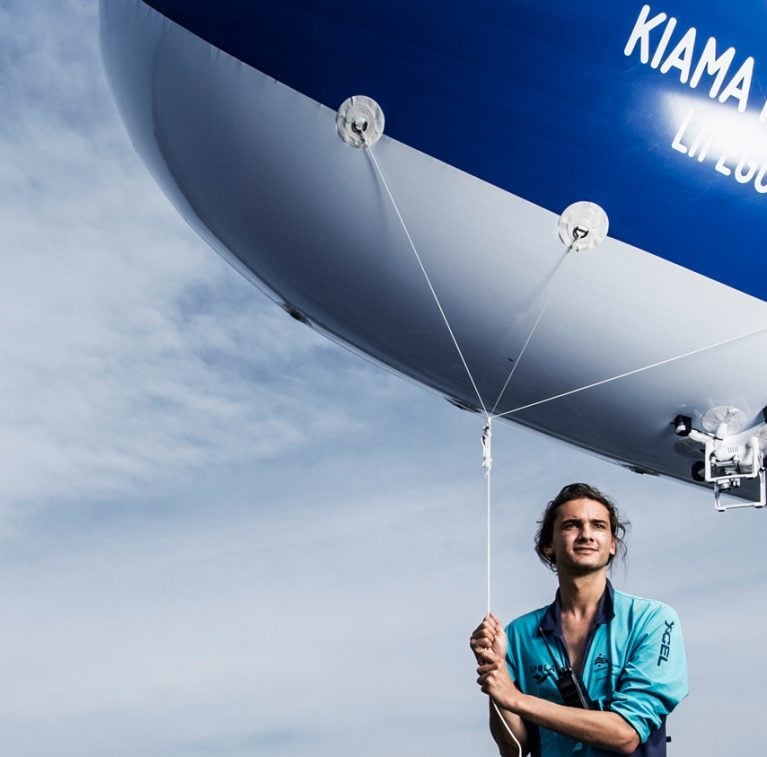
Project AIRSHIP
PROJECT LEADER Kye Adams
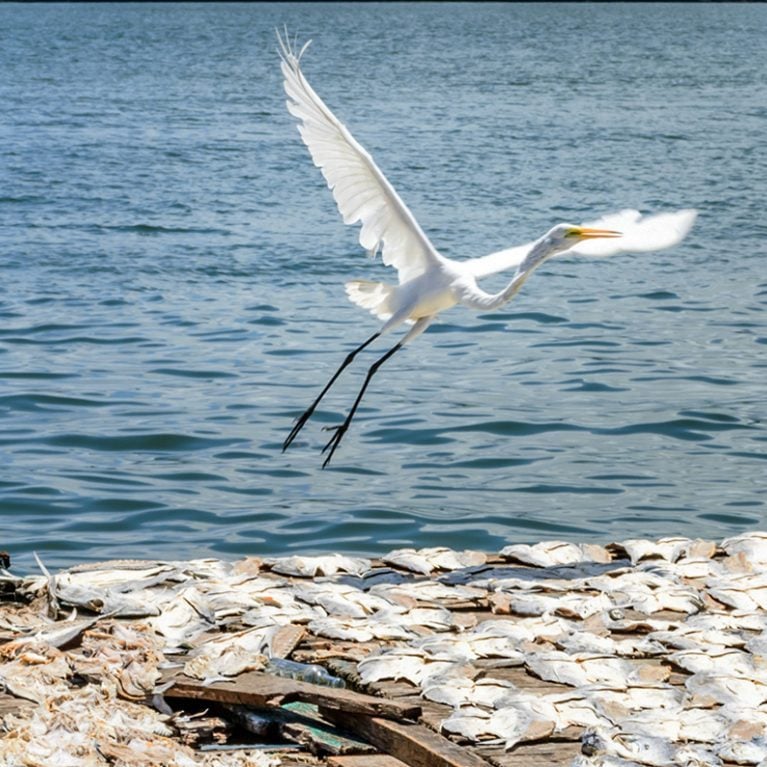
Seafood detectives, Guatemala
PROJECT LEADER Ana Hacohen
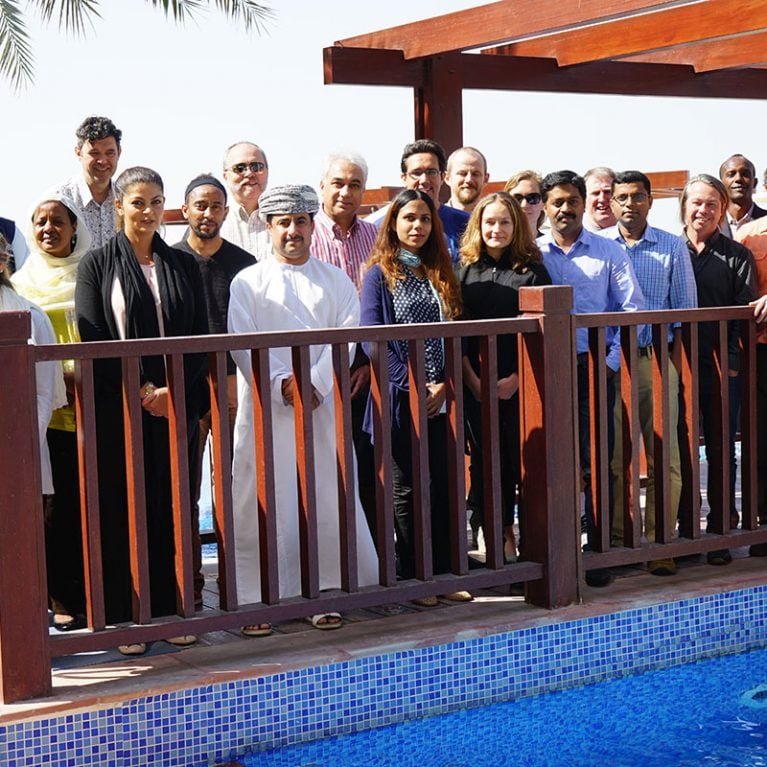
Sharks and rays of the Arabian Seas
PROJECT LEADER Rima Jabado
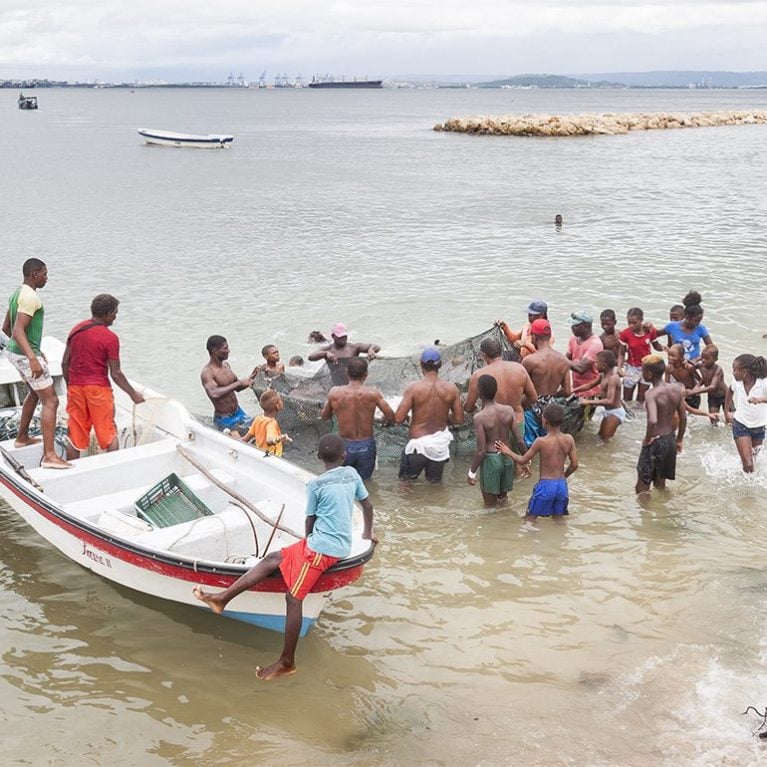
Fish and fishers of the Colombian Seas
PROJECT LEADER Camila Cáceres
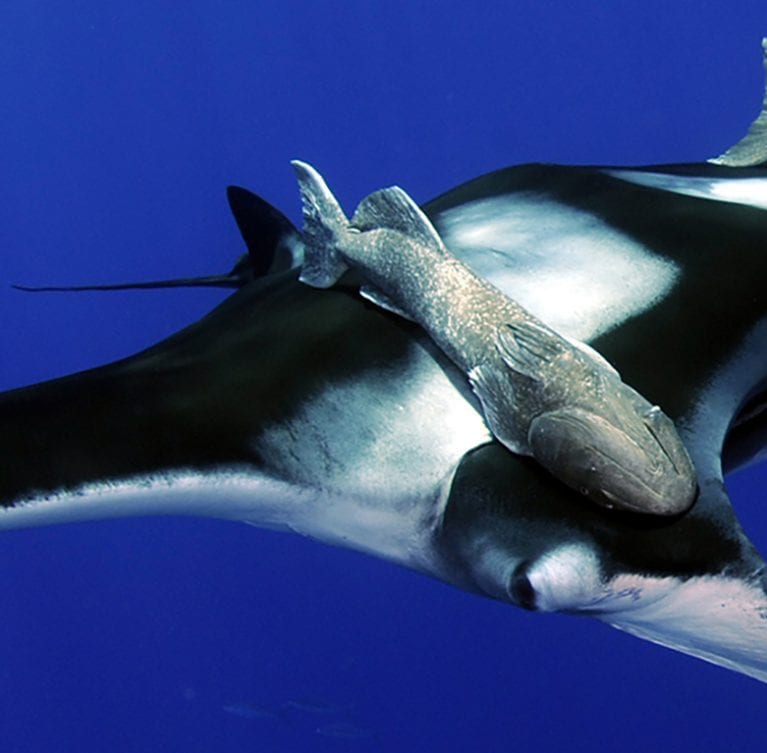
Nurturing shark and ray science in Mexico
PROJECT LEADER Josh Stewart
Shark persona
PROJECT LEADER Félicie Dhellemmes
Saving sharks in Sabah
PROJECT LEADER Mabel Manjaji-Matsumoto
Lost fishes of Easter Island
PROJECT LEADER Naiti Morales Serrano
Do stingrays have superpowers?
PROJECT LEADER Kyle Newton
What’s on the menu for sharks and rays?
PROJECT LEADER Diana Churchill
Sea Turtle Hospital: the cancer unit
PROJECT LEADER David Duffy
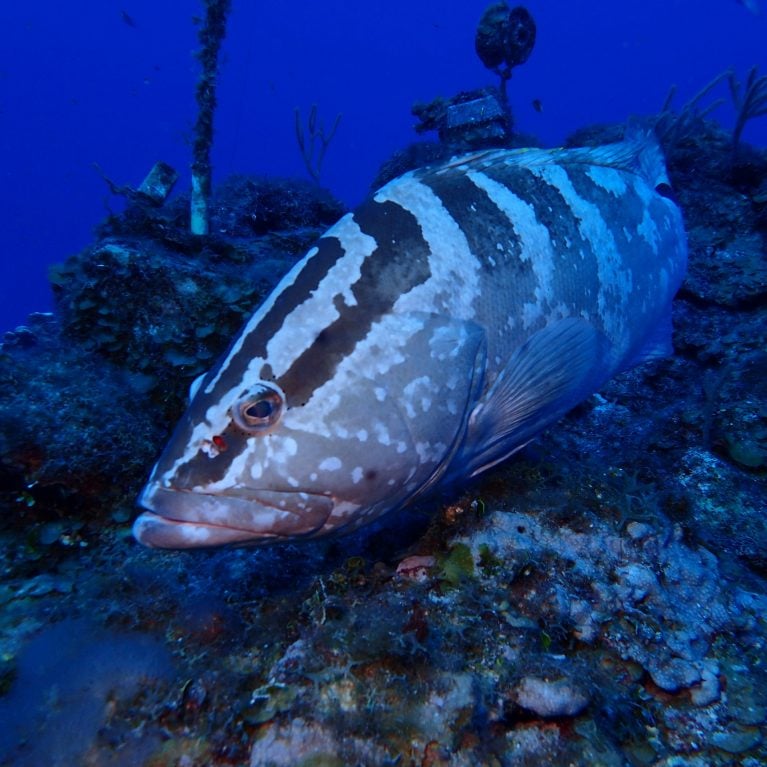
The Grouper family
PROJECT LEADER Krista Sherman
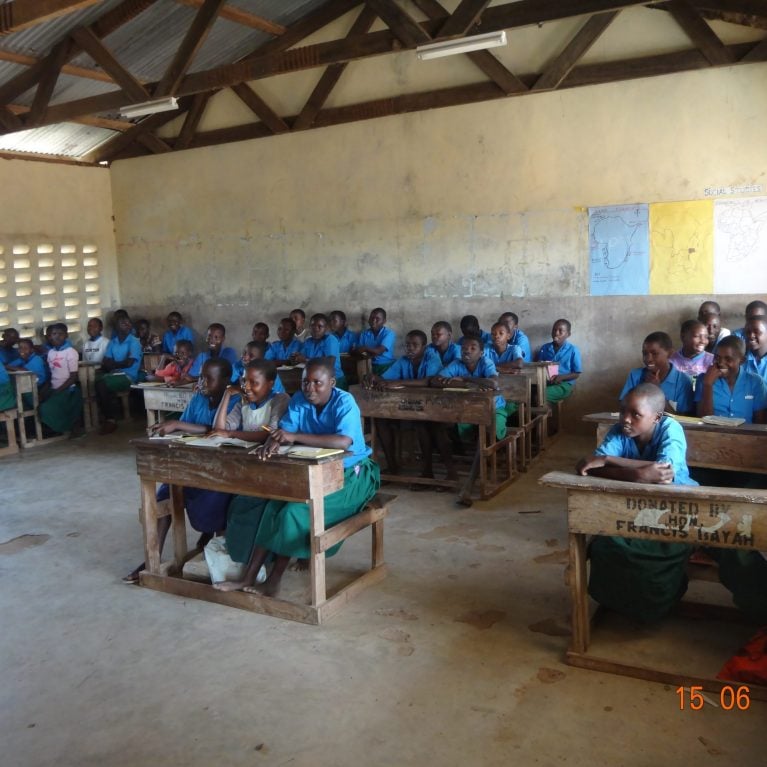
Sharks and people of Watamu MPA
PROJECT LEADER Peter Musembi
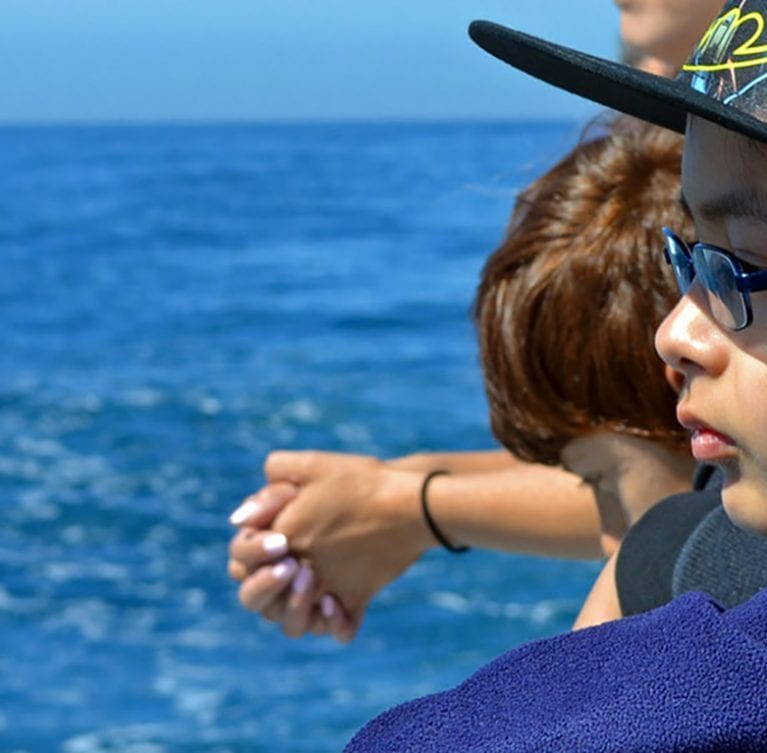
Ocean Connectors: sharks and their threats
PROJECT LEADER Frances Kinney
Sharks of Peninsula Valdes
PROJECT LEADER Alejo Irigoyen
Shark Aerial Patrol
PROJECT LEADER Lachlan Fetterplace
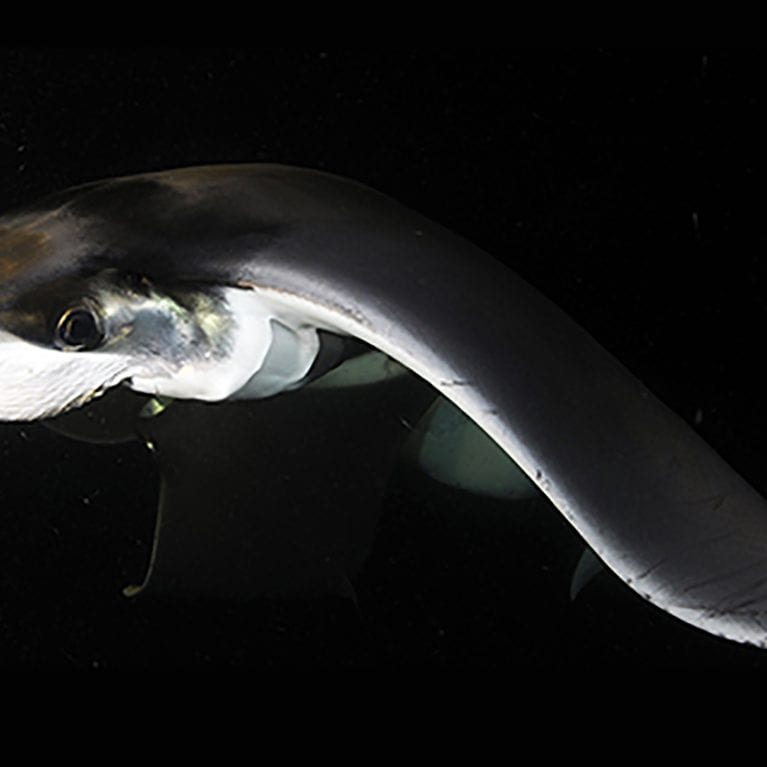
Global protection for devil rays
PROJECT LEADER Isabel Ender
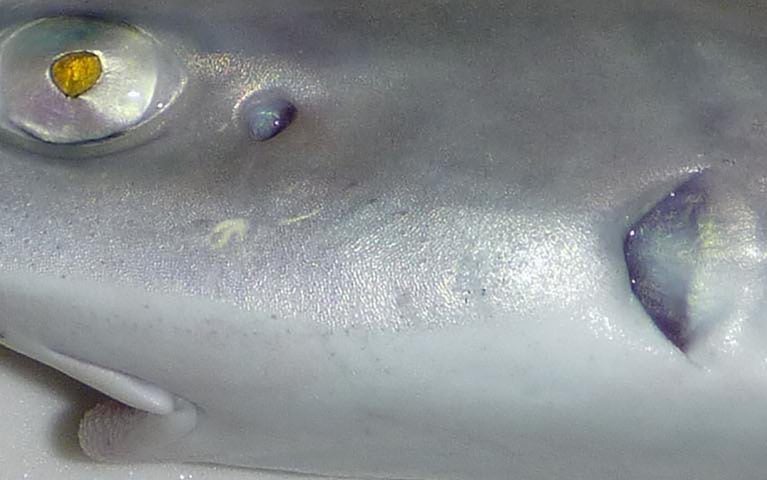
Great Barrier Reef’s sharks of the deep
PROJECT LEADER Sam Munroe
New tag, better tracking
PROJECT LEADER Giulia Cerritelli
The shark/turtle predator/prey dynamic
PROJECT LEADER Mariana Fuentes
Pacific mobulids: unwanted catch
PROJECT LEADER Nerea Lezama-Ochoa
Catching devils on camera
PROJECT LEADER Ana Sobral
The manta code continues
PROJECT LEADER Jane Hosegood
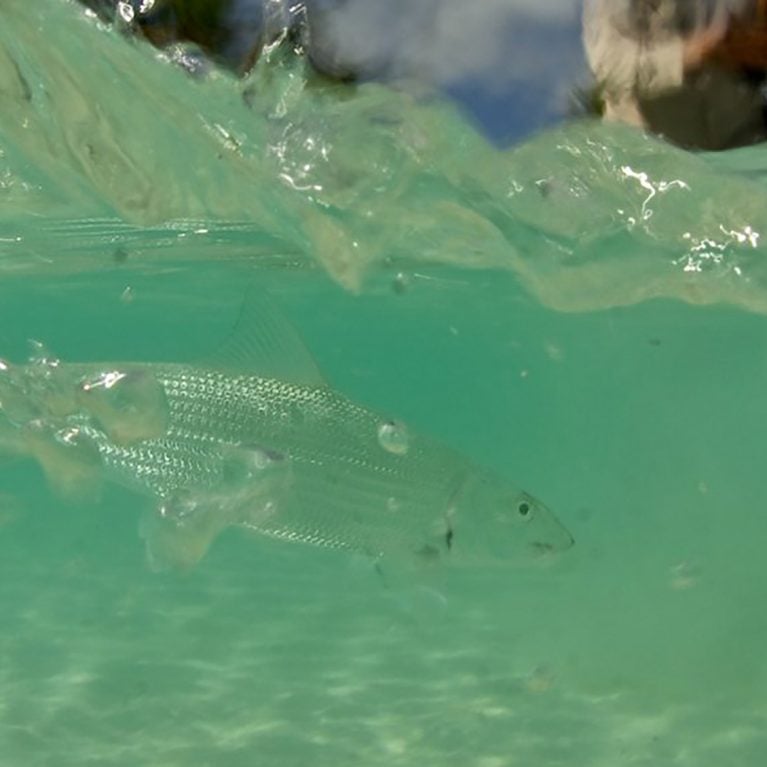
Fishes of St Joseph: where, when & why?
PROJECT LEADER Emily Moxham
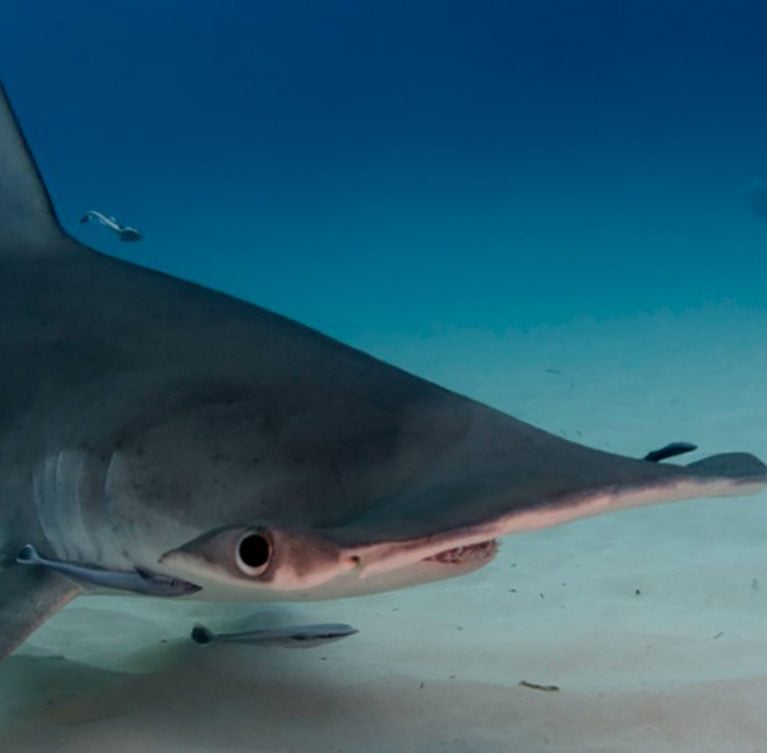
The Watermen Project
PROJECT LEADER William Winram
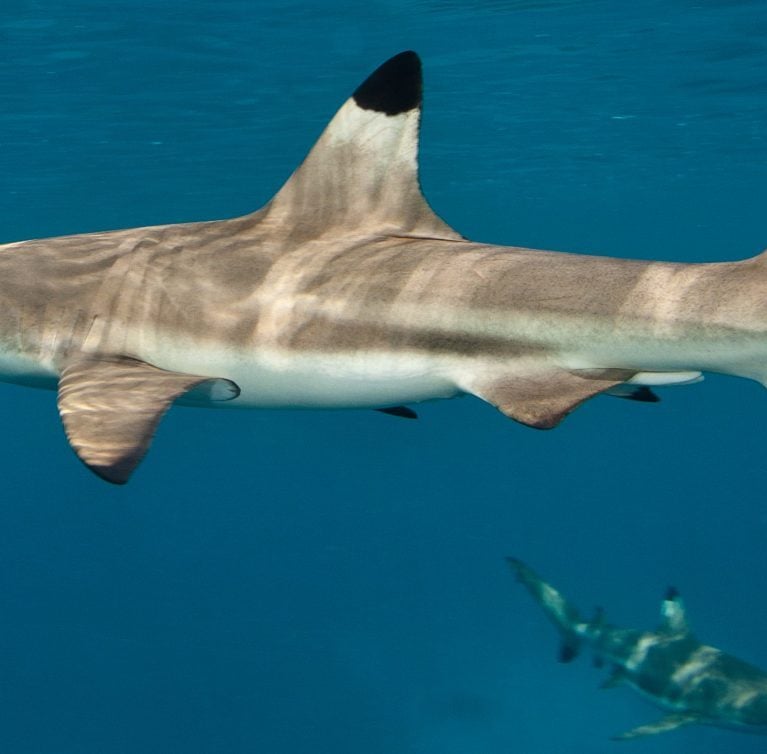
Keeping sharks and rays in the Quirimbas
PROJECT LEADER Isabel da Silva
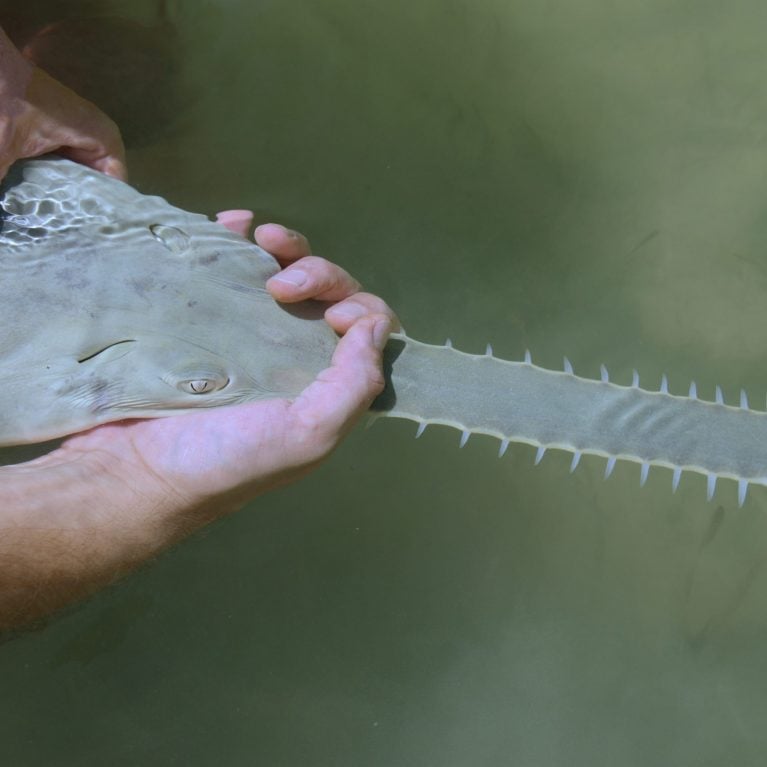
Sawfish safehouse
PROJECT LEADER Barbara Wueringer
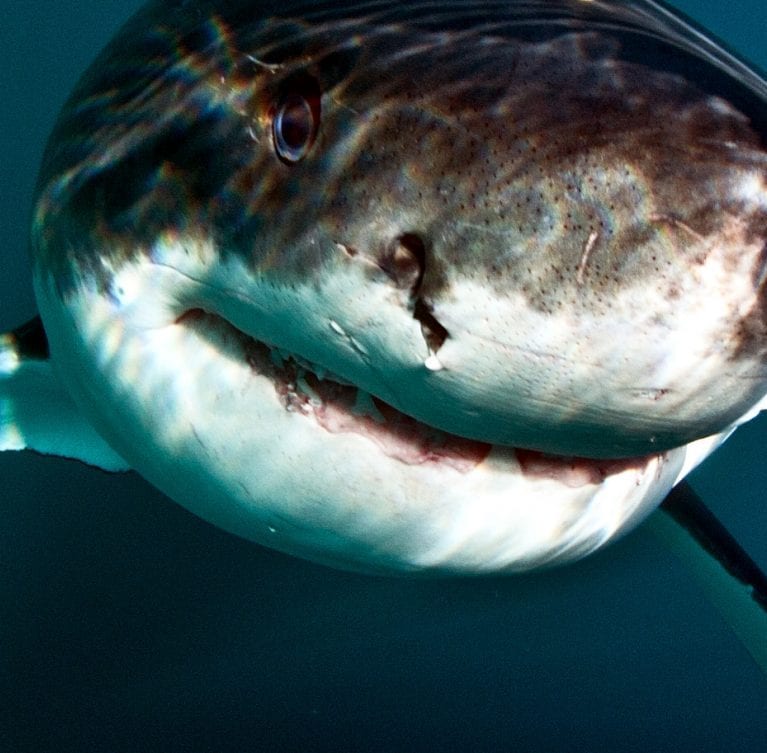
Sharks on the urban edge
PROJECT LEADER Alison Kock
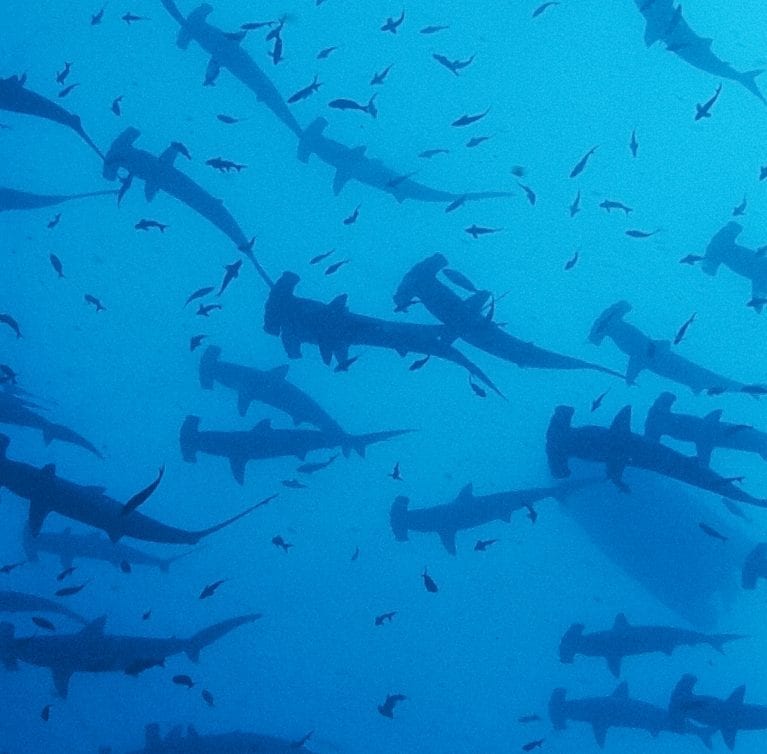
Sharks in the birthplace of evolution
PROJECT LEADER Euan Harvey
Return to the unknown: discovering deep-sea sharks
PROJECT LEADER Paul Clerkin
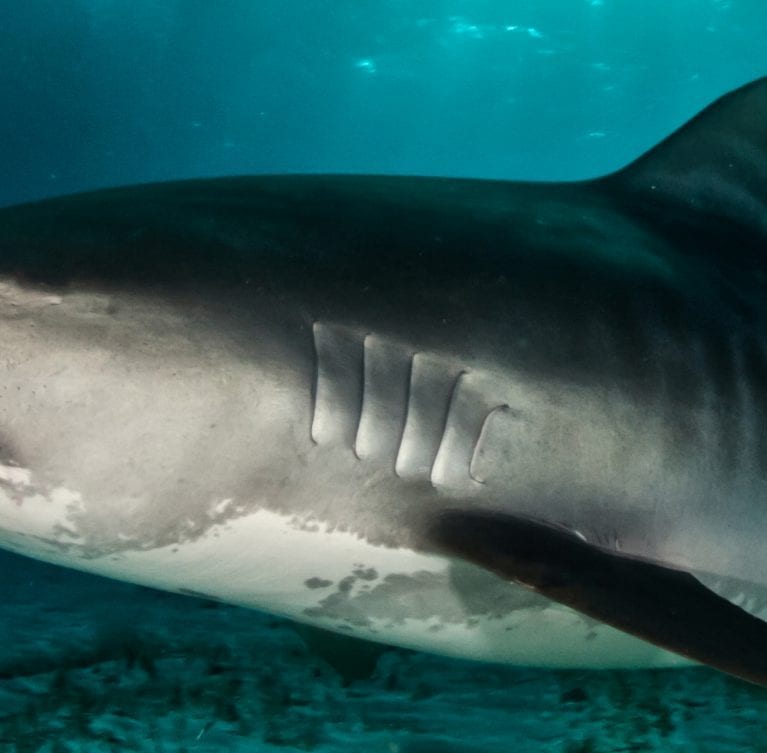
Global tiger shark connections
PROJECT LEADER Andrea Bernard
Shark CSI: conserving sharks through genetic investigation
PROJECT LEADER Christine Testerman
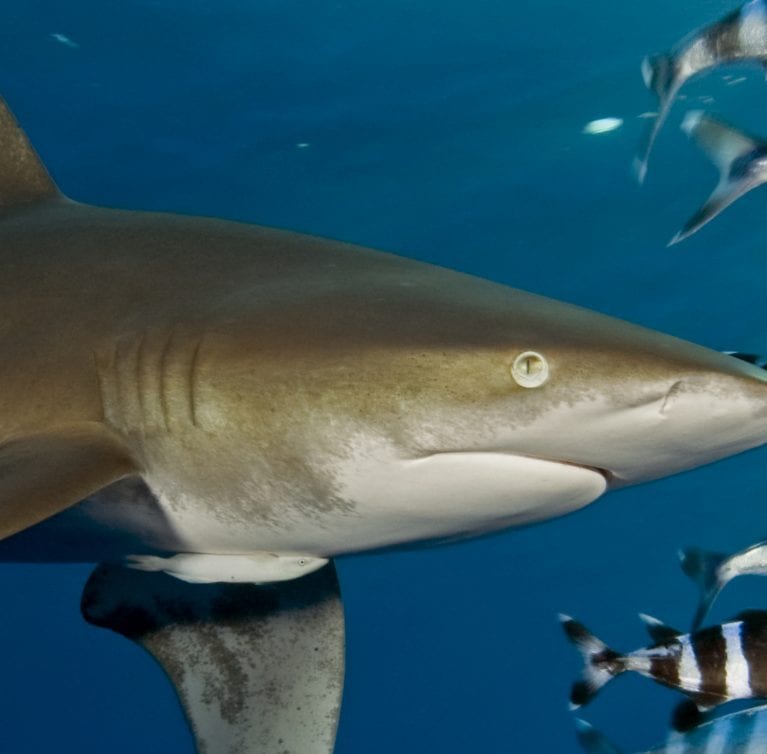
Connecting oceanic whitetips
PROJECT LEADER Cassandra Ruck
Andros Island: a lifeboat for sawfishes?
PROJECT LEADER Dean Grubbs
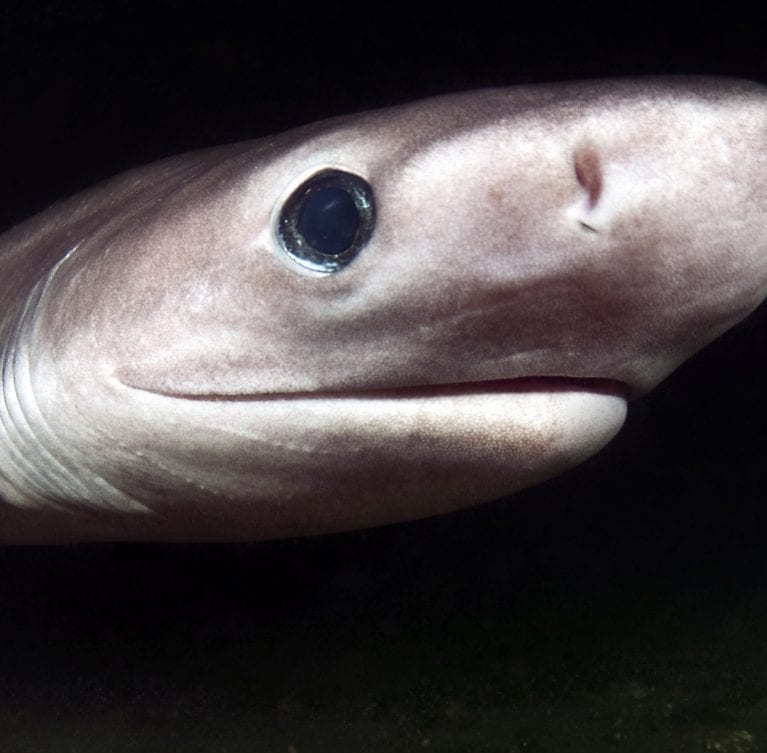
Deep-dwelling and little-known
PROJECT LEADER Ivy Baremore
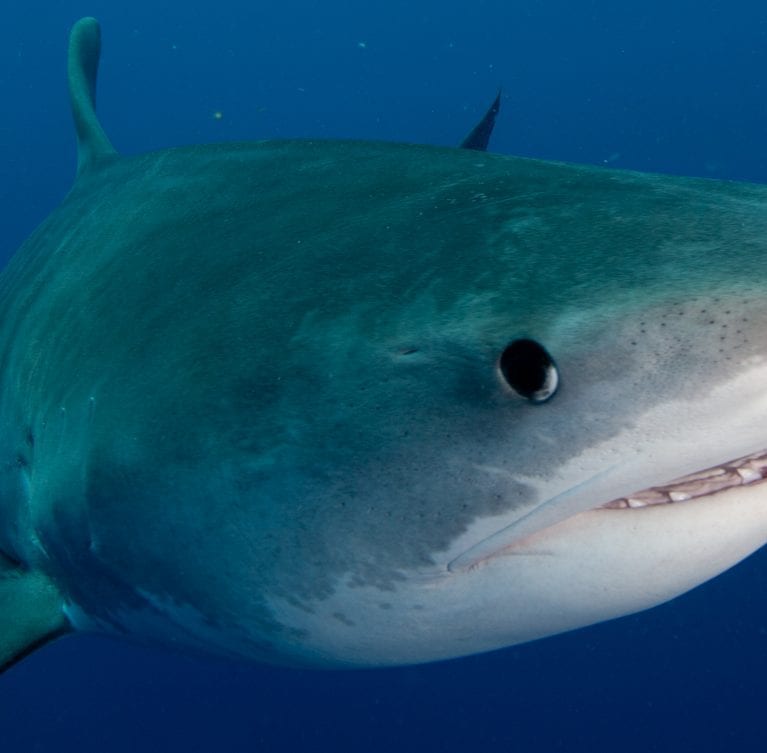
Refuges and risks: transboundary tiger sharks
PROJECT LEADER Ryan Daly
Pollutants in pelagic predators
PROJECT LEADERS Kady Lyons
Shark Share Global
PROJECT LEADERS Madeline Green, Lauren Meyer
Shark skin time travel
PROJECT LEADER Erin Dillon
The old men and the sea
PROJECT LEADER Mareike Dornhege
Creating conservation heroes
PROJECT LEADER Daniela Cruz
Sharks4Kids App
PROJECT LEADER Derek Burkholder
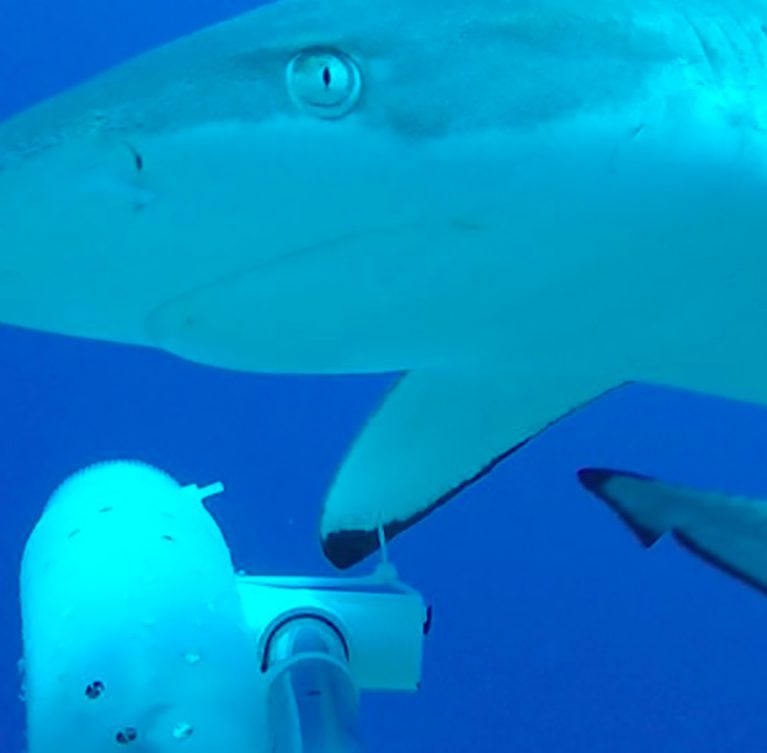
Keeping watch on Palmyra’s sharks
PROJECT LEADER Darcy Bradley
Neptune Islands: cages, sharks & seals
PROJECT LEADER Lauren Meyer
Makos: nomads of the high seas
PROJECT LEADER David Sims
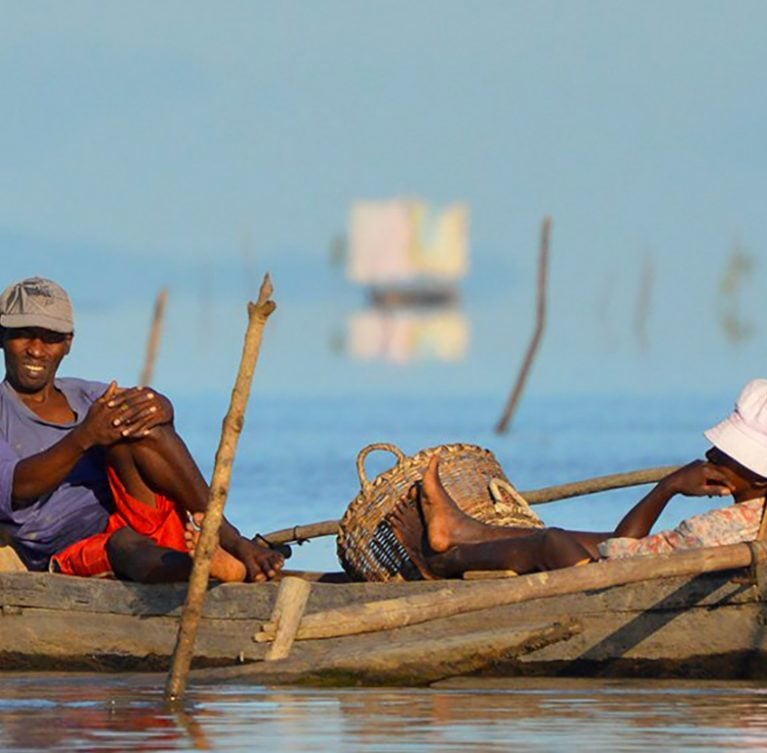
Seeking Madagascar’s sawfishes
PROJECT LEADER Ruth Leeney
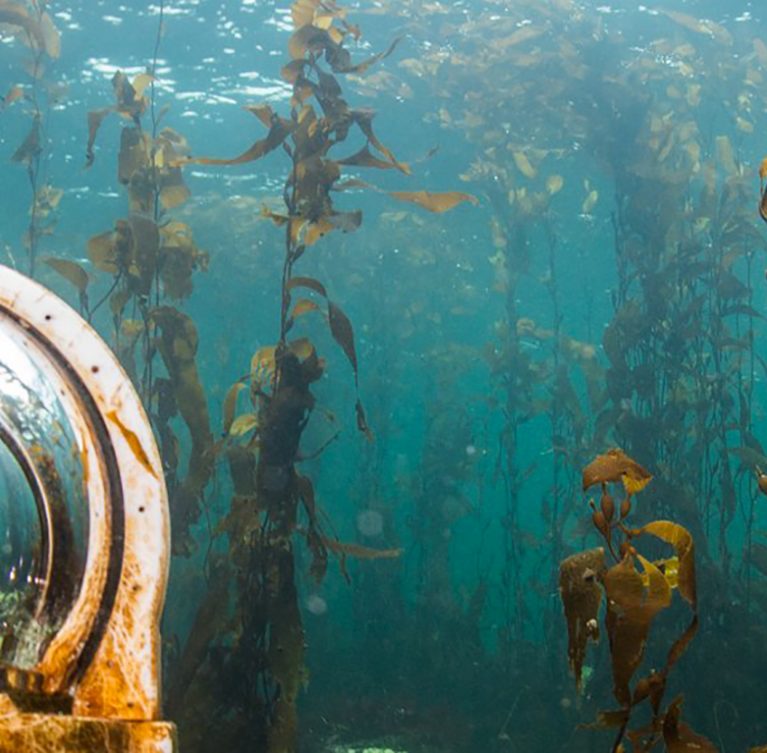
Great Bear LIVE
PROJECT LEADER Diana Chan
Unravelling the mystery of smooth-hound sharks
PROJECT LEADER Simo Maduna
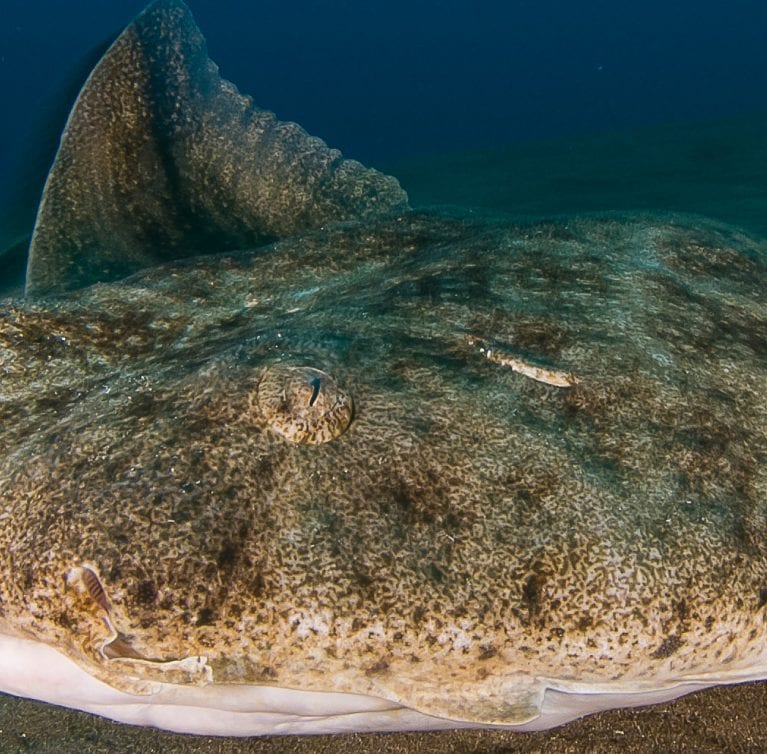
Angel of the Canary Islands
PROJECT LEADER Eva Meyers
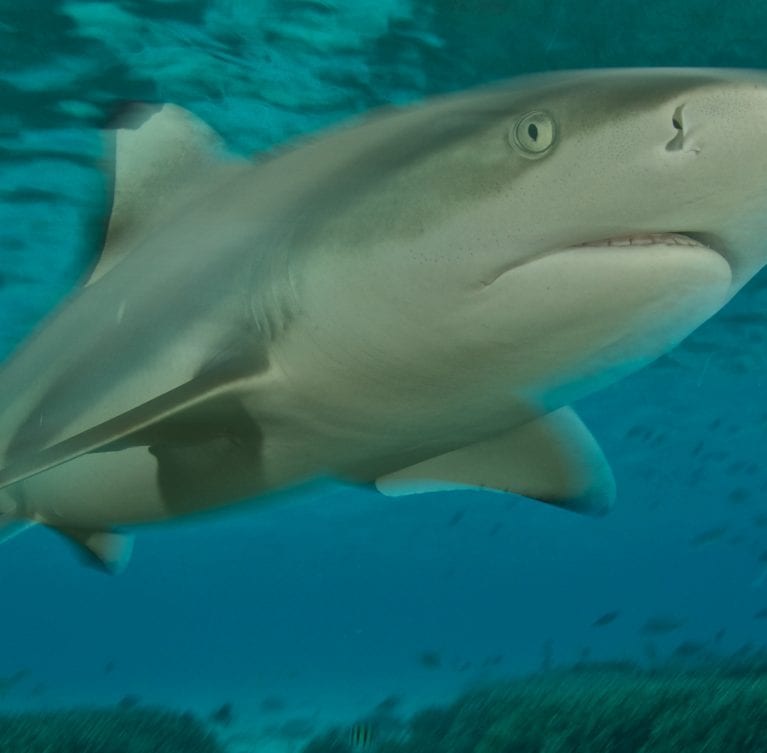
Drone diaries of The Bahamas
PROJECT LEADER Stephanie Buhler
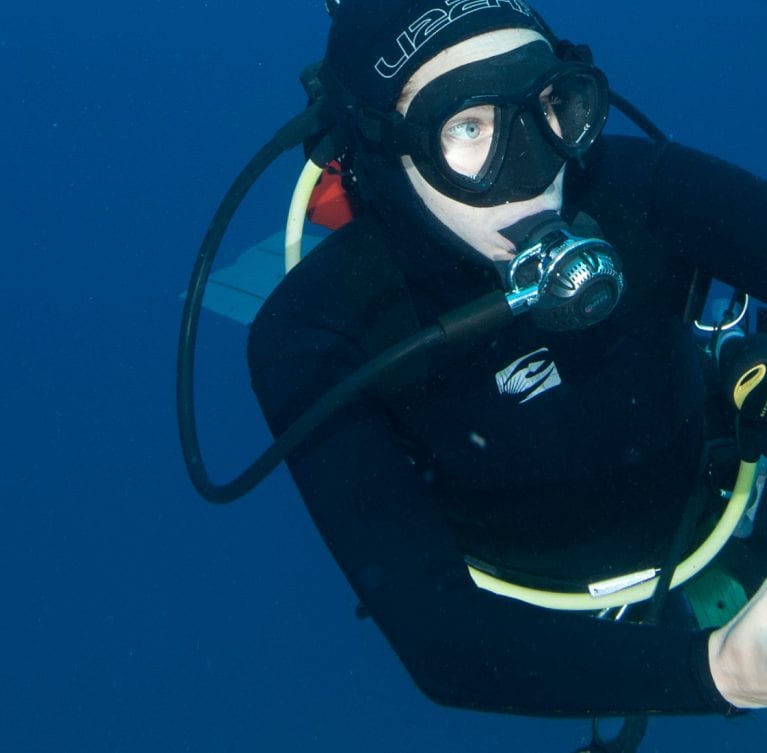
The Acoustic Tracking Array Platform
PROJECT LEADER Taryn Murray
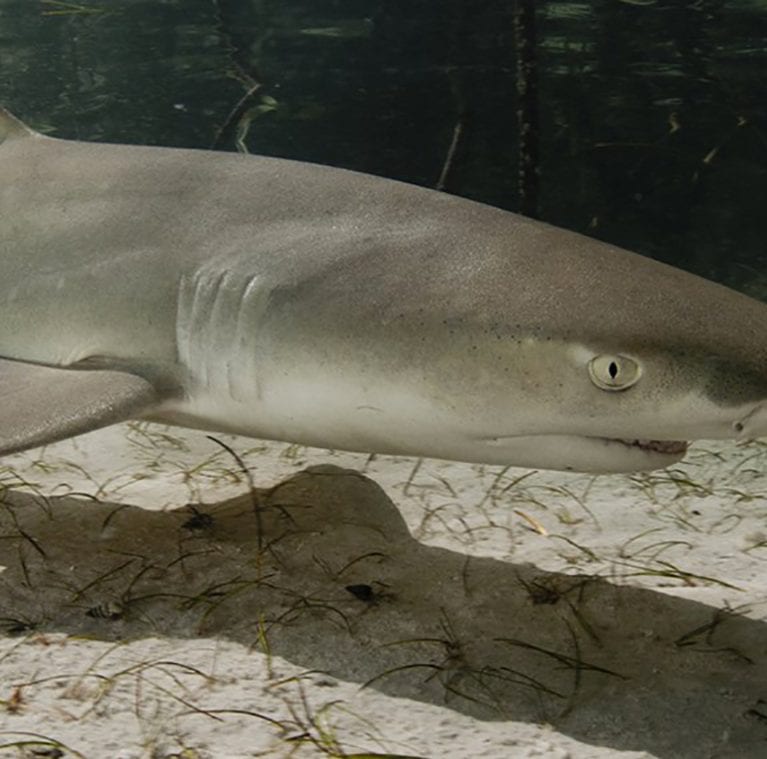
Activities at the Shark Lab
PROJECT LEADERS Matthew Smukall, Samuel H. Gruber (1938 - 2019)
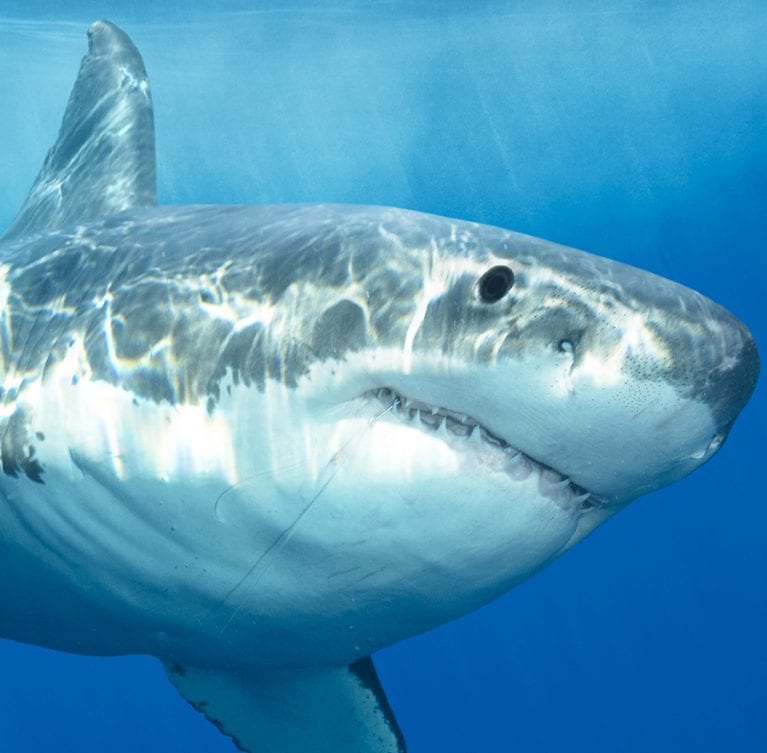
Rebranding sharks
PROJECT LEADER Christopher Neff
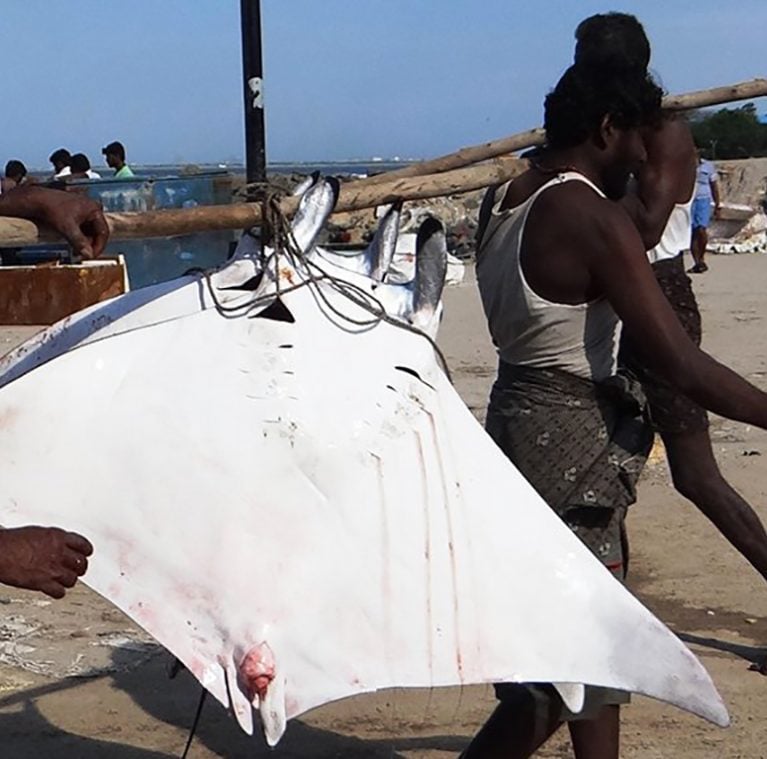
Market for mobulids
PROJECT LEADER Mohanraj Theivasigamani
Britain’s basking sharks
PROJECT LEADER Cat Gordon
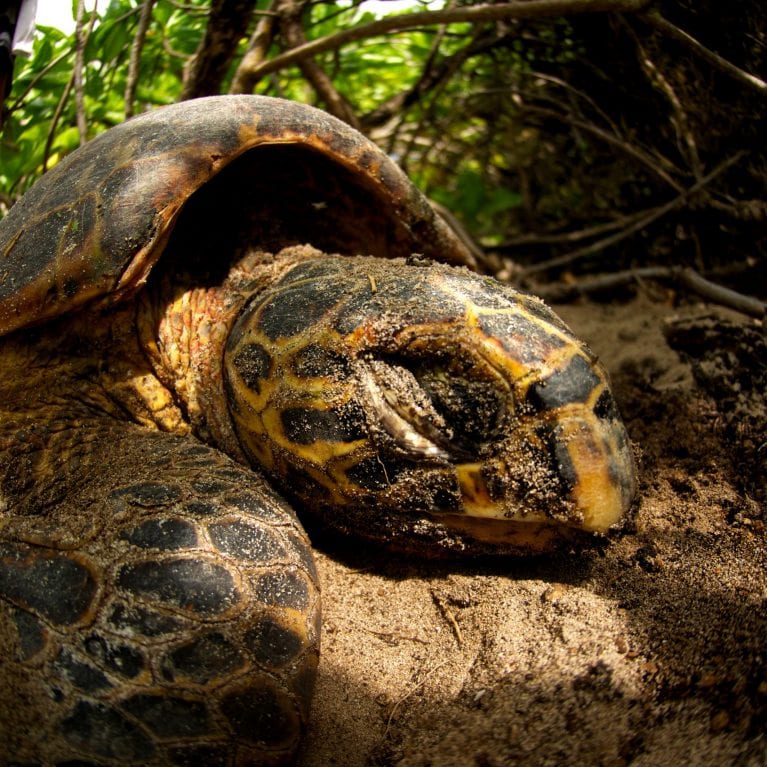
Sea turtles on D’Arros
PROJECT LEADER Jeanne A. Mortimer
Sharks & rays of paradise
PROJECT LEADER Rachel Graham
Blue water, white tips
PROJECT LEADER Demian Chapman
Shark DNA workshop
PROJECT LEADER David Kacev
False Bay on film
PROJECT LEADER Lauren de Vos
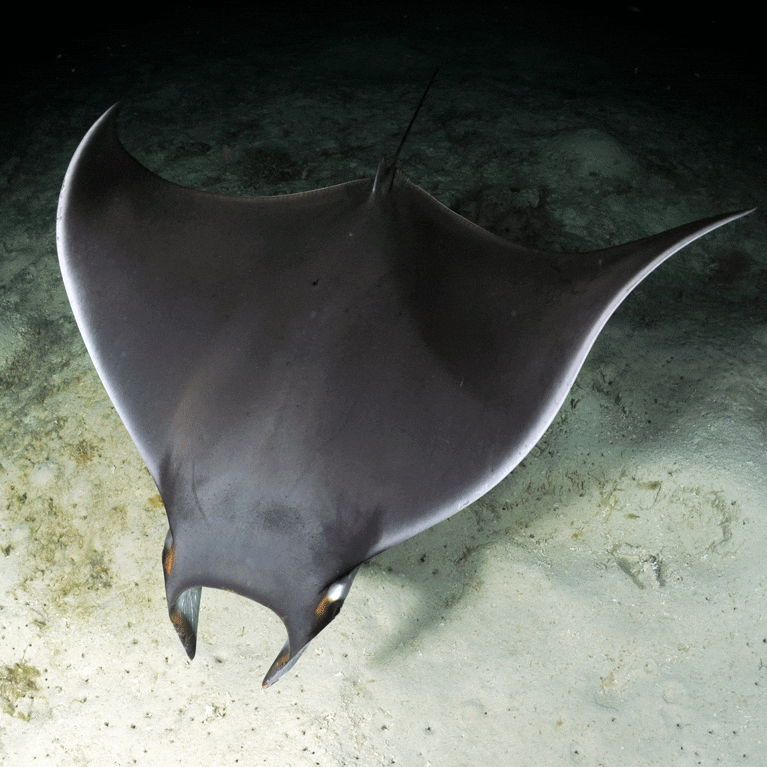
Mobulid ray conservation
PROJECT LEADER Guy Stevens
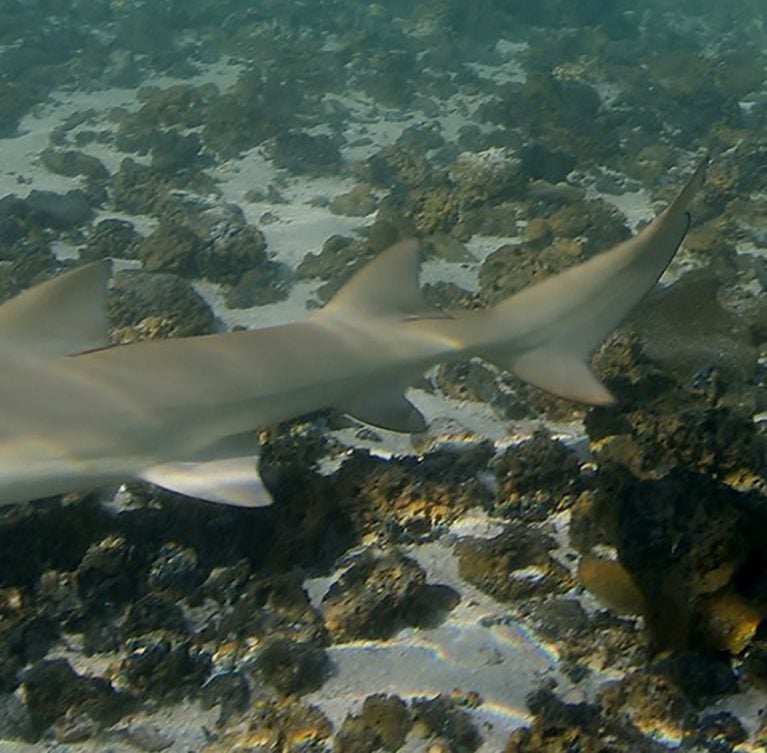
Baby sharks sharing space
PROJECT LEADER Ornella Weideli
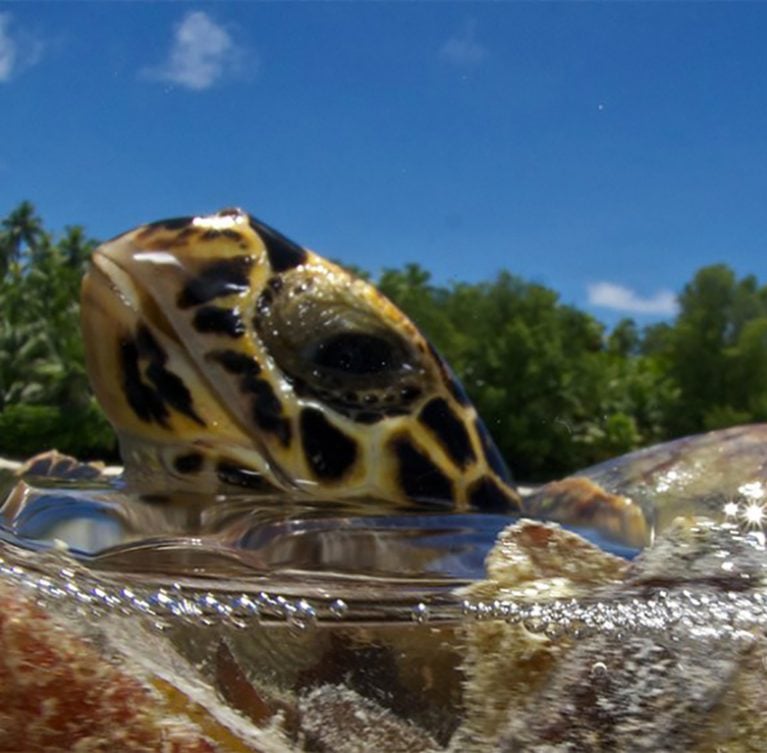
Tracking hungry hawksbills
PROJECT LEADER Rainer von Brandis
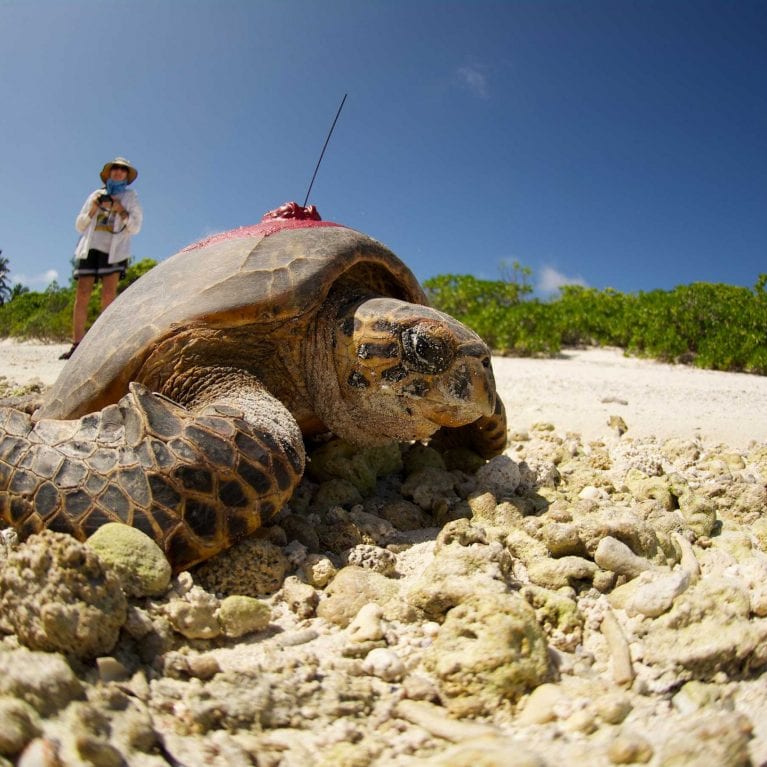
Turtle Action Group Seychelles
PROJECT LEADER Jeanne A. Mortimer
Shark spy: bird’s eye view
PROJECT LEADER Johann Mourier
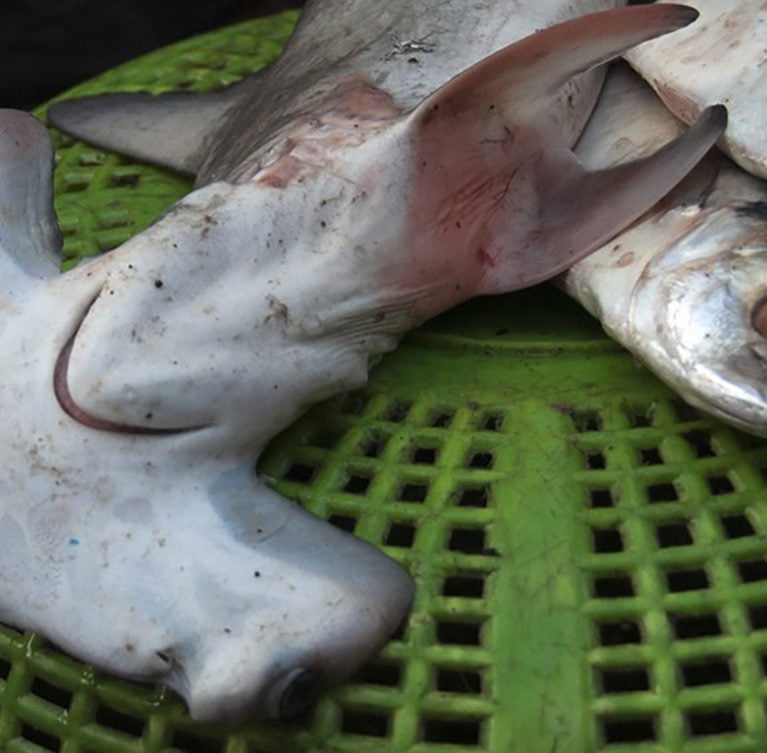
Sharks for sale in India
PROJECT LEADER Dipani Sutaria
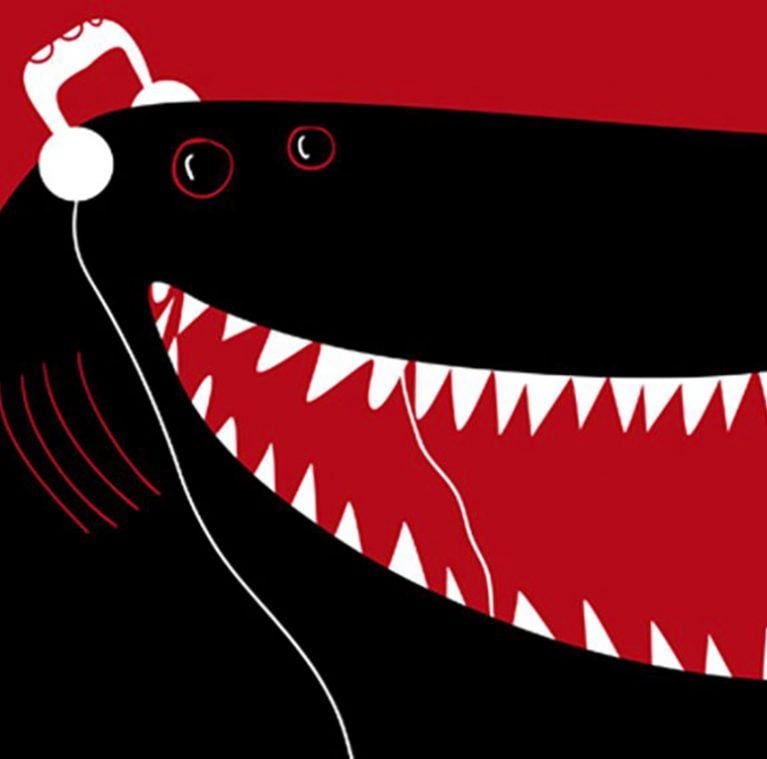
Shark tunes
PROJECT LEADER Andrew Nosal
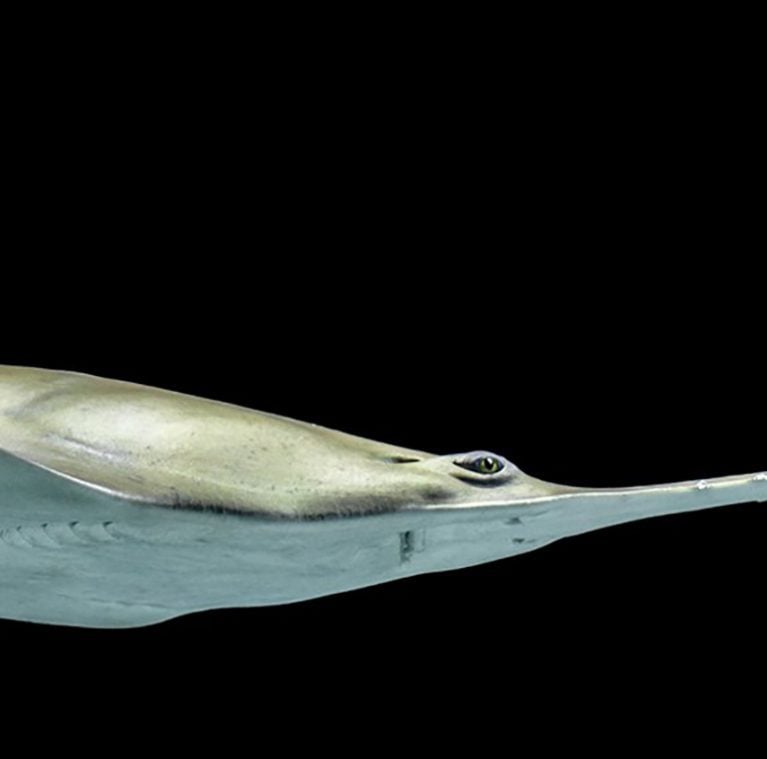
Sawfishes: spreading the love
PROJECT LEADER Barbara Wueringer
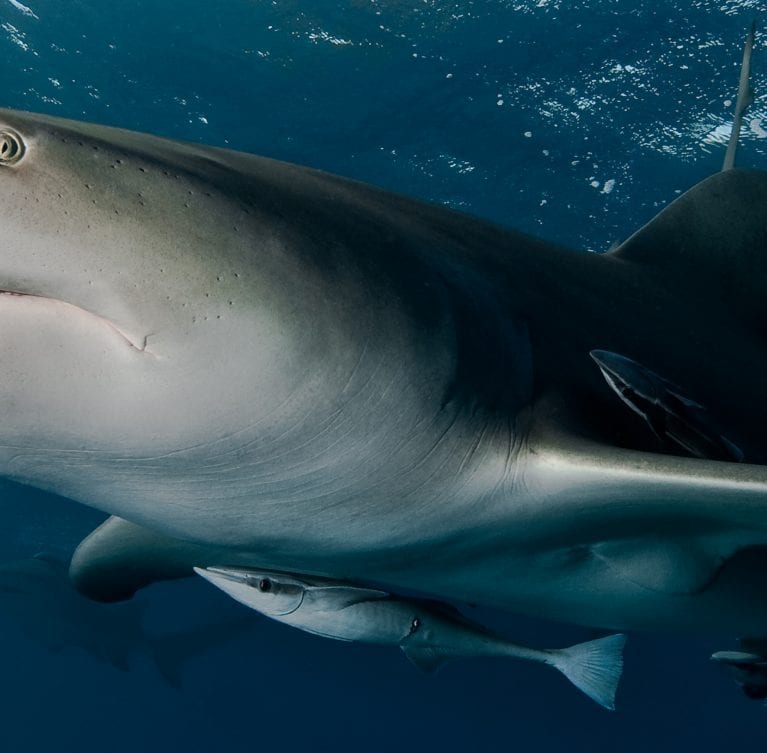
Underwater shark surveillance
PROJECT LEADER Jeremy Kiszka
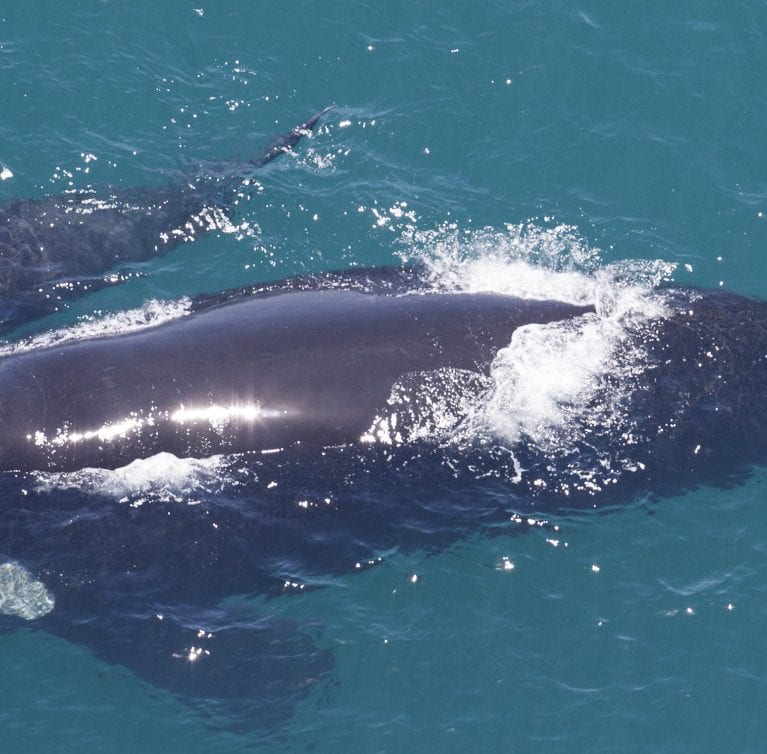
ID shot: southern right whales
PROJECT LEADER Katja Vinding Petersen
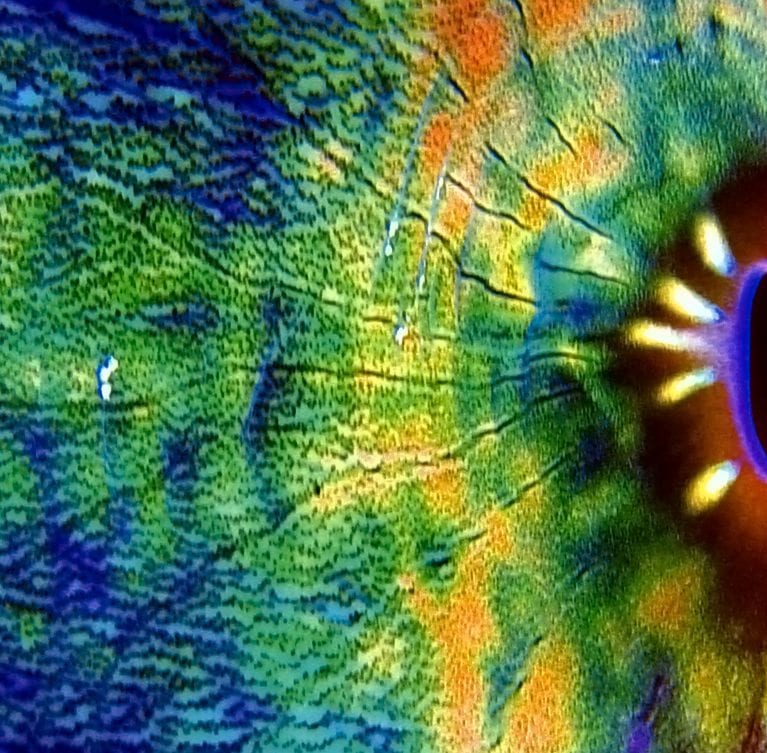
Giant clams: turning up the heat
PROJECT LEADER Sue-Ann Watson
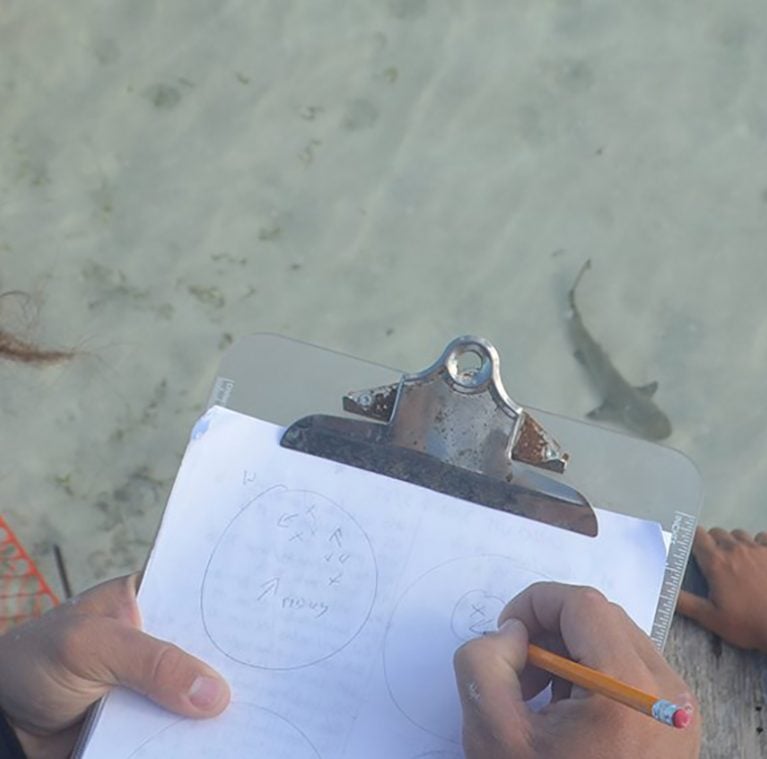
Lemon sharks: familiar friends?
PROJECT LEADER Bryan Keller
Hunting for porcupines
PROJECT LEADER Andrew Chin
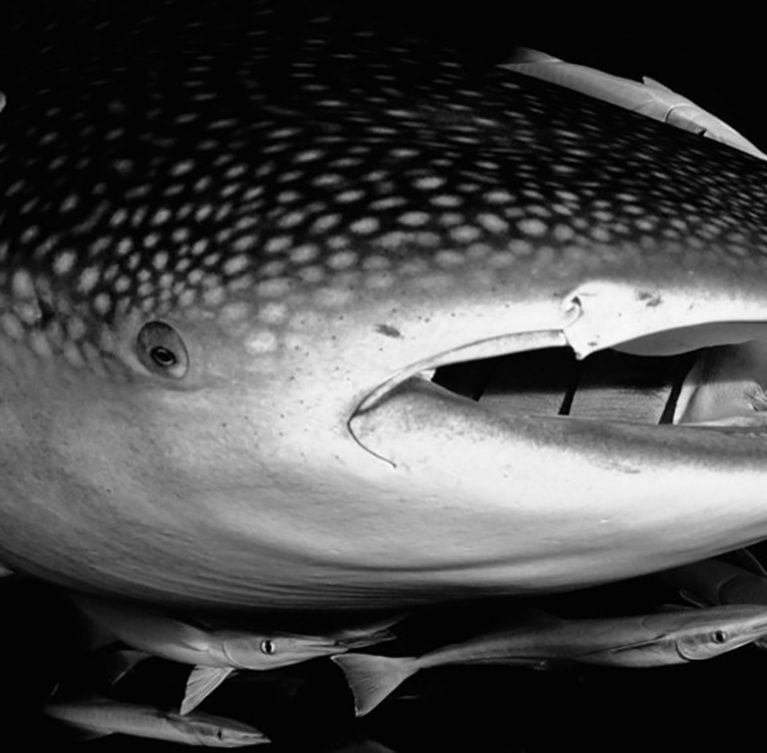
Giants of Peru
PROJECT LEADER Dení Ramirez-Macias
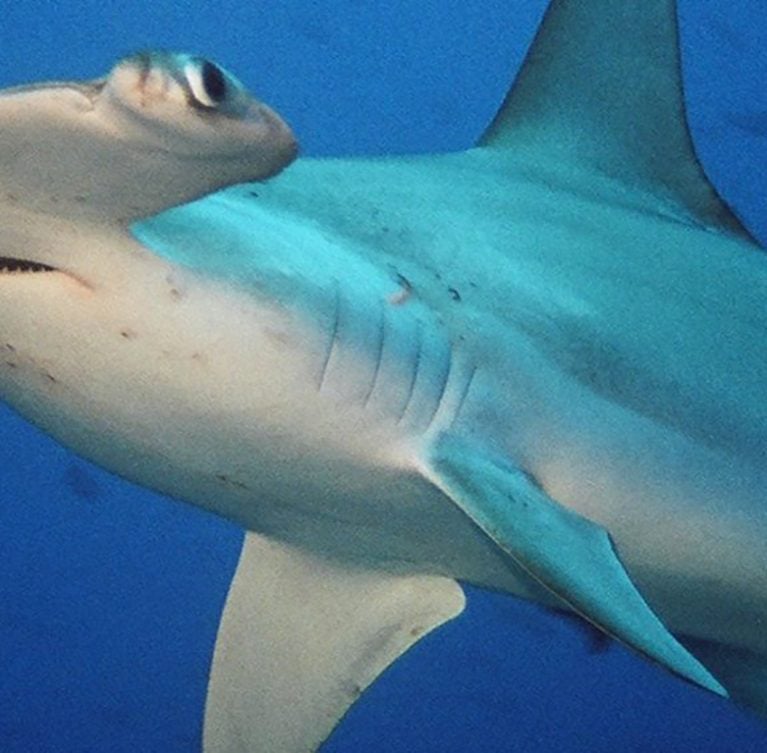
Tracking hammerheads in Japan
PROJECT LEADER Austin Gallagher
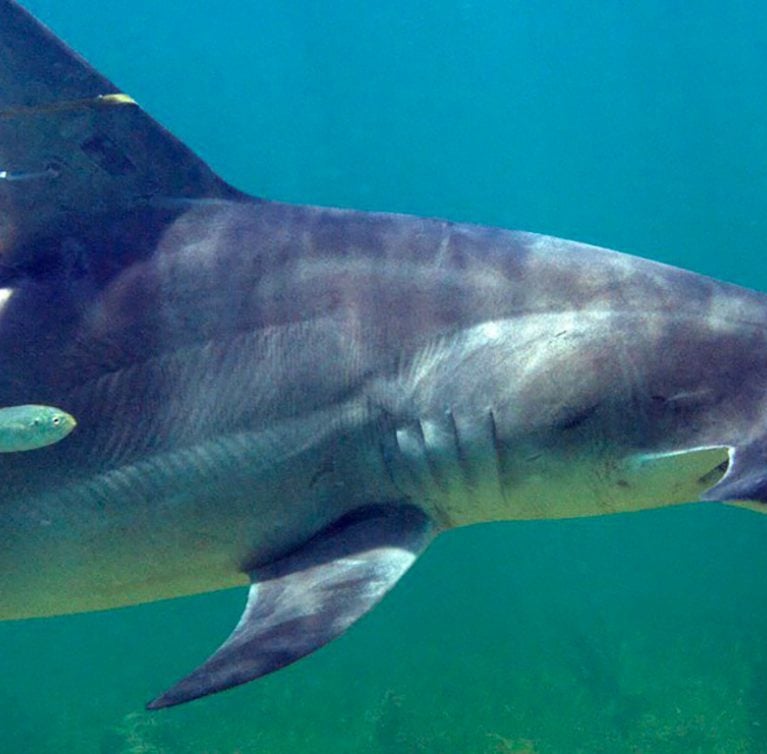
A tale of three sharks
PROJECT LEADER David Shiffman
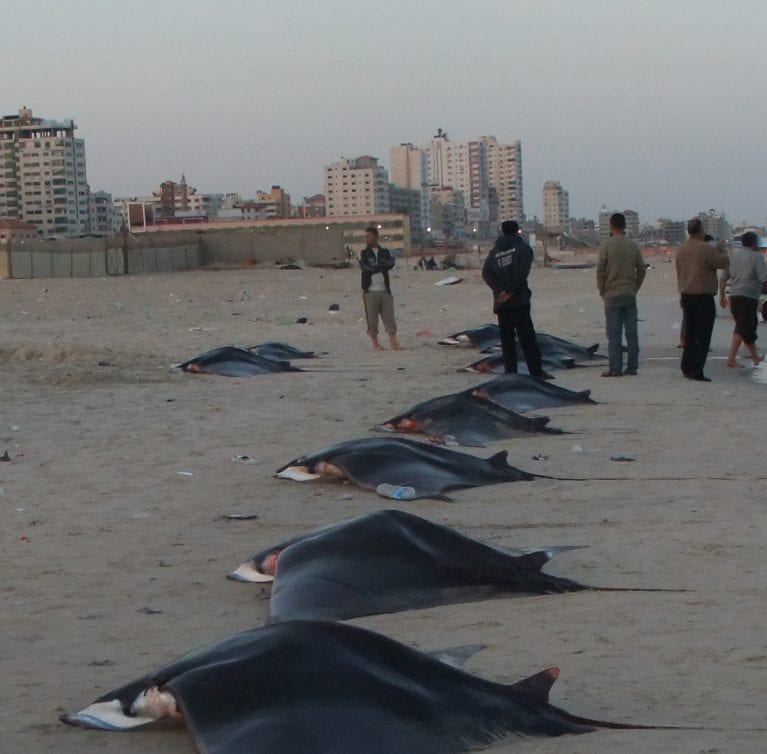
Conserving mobulas under fire
PROJECT LEADER Mohammed Abudaya
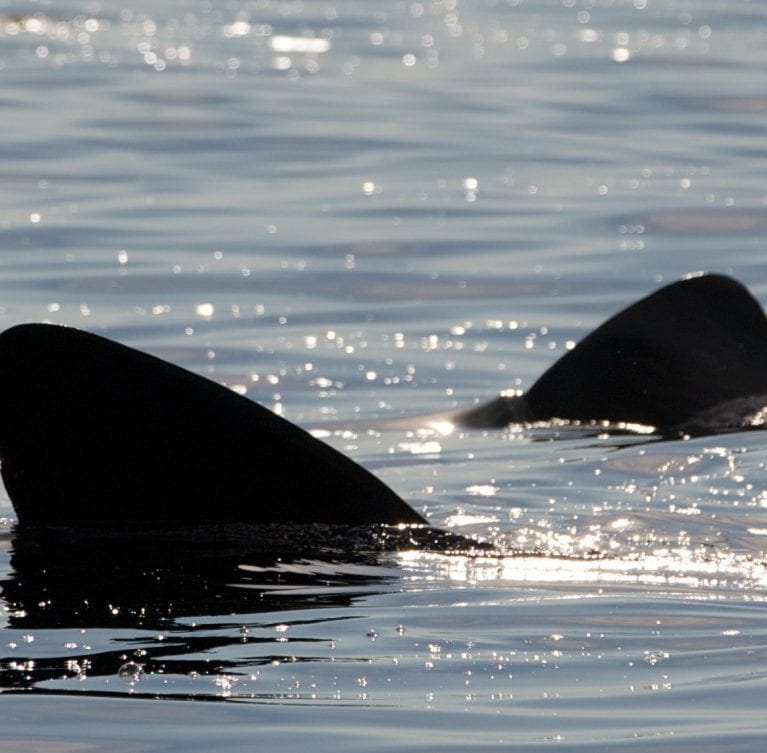
WiSe on the Water
PROJECT LEADER Colin Speedie
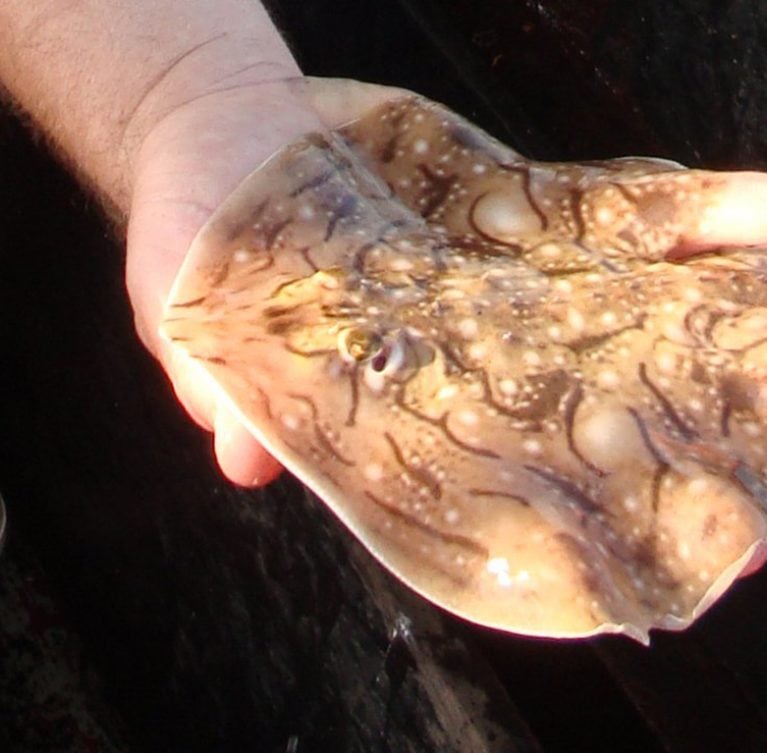
Undulate ray genetics
PROJECT LEADER Eric Stephan
The Great Eggcase Hunt App
PROJECT LEADER Cat Gordon
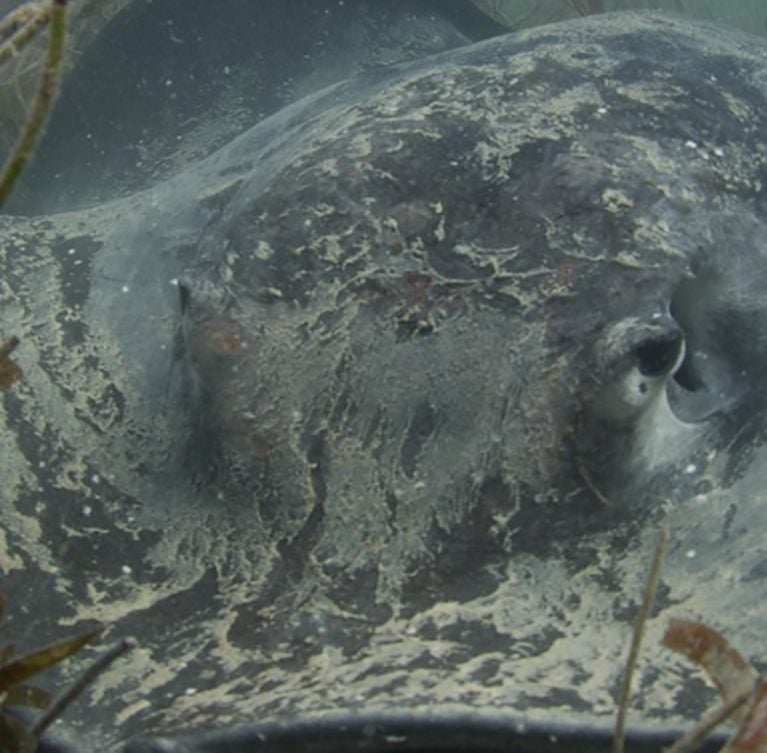
A stingray’s story
PROJECT LEADER Chantel Elston
Discovering deep-sea sharks
PROJECT LEADER Paul Clerkin
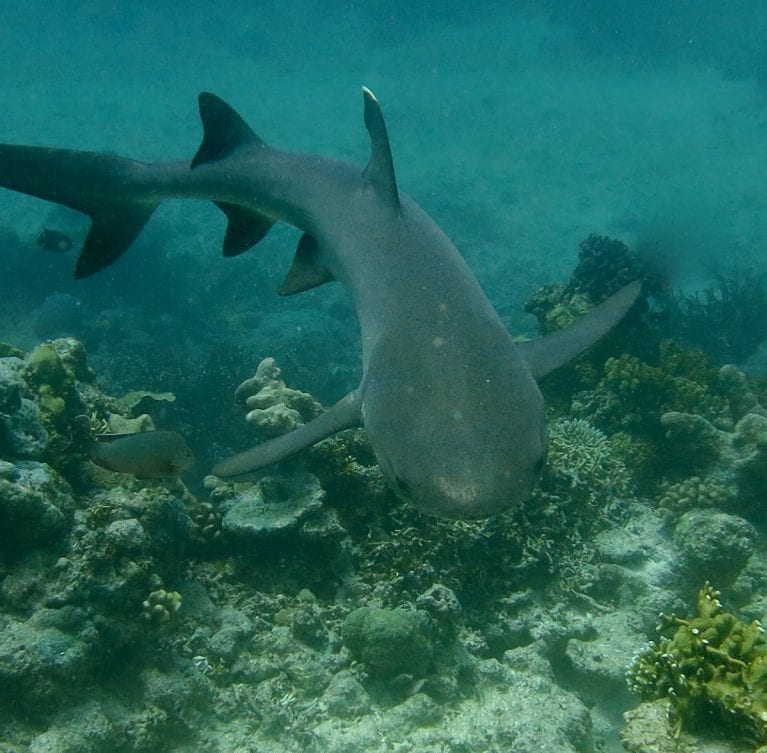
Do marine parks need sharks?
PROJECT LEADER Justin Rizzari
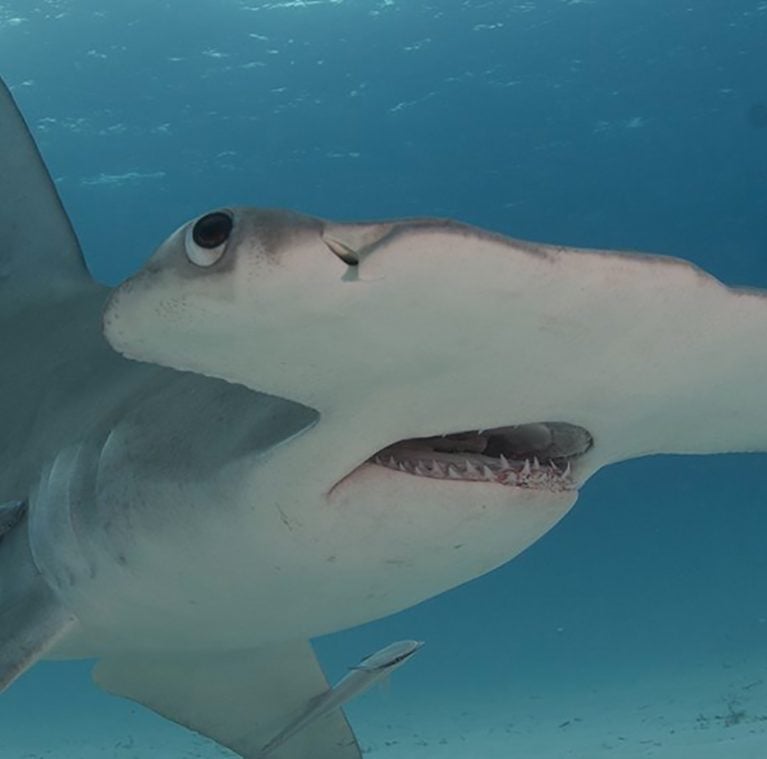
Tracking Bimini’s sharks
PROJECT LEADERS Matthew Smukall, Vital Heim
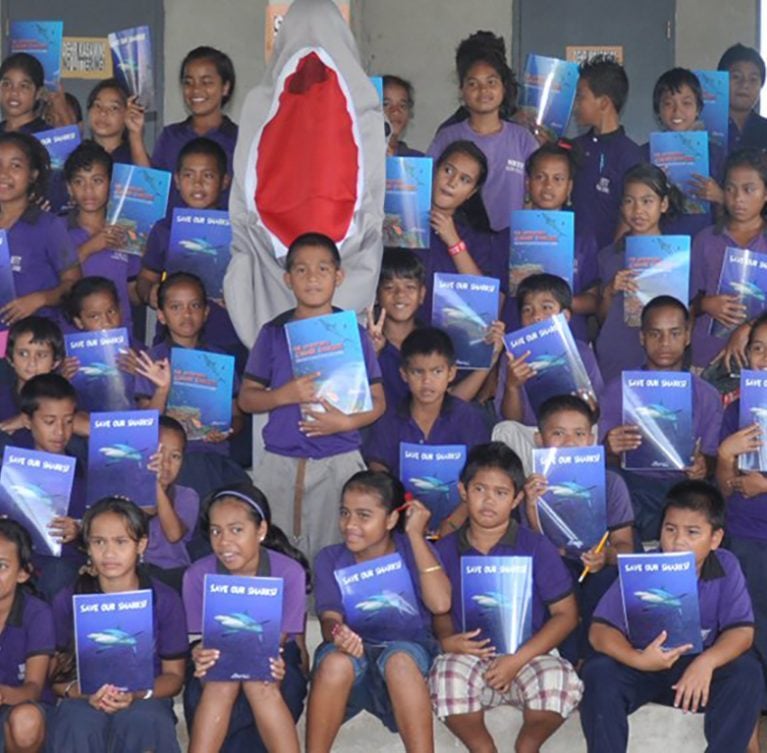
Finny the Funny Shark
PROJECT LEADER Tova Harel Bornovski
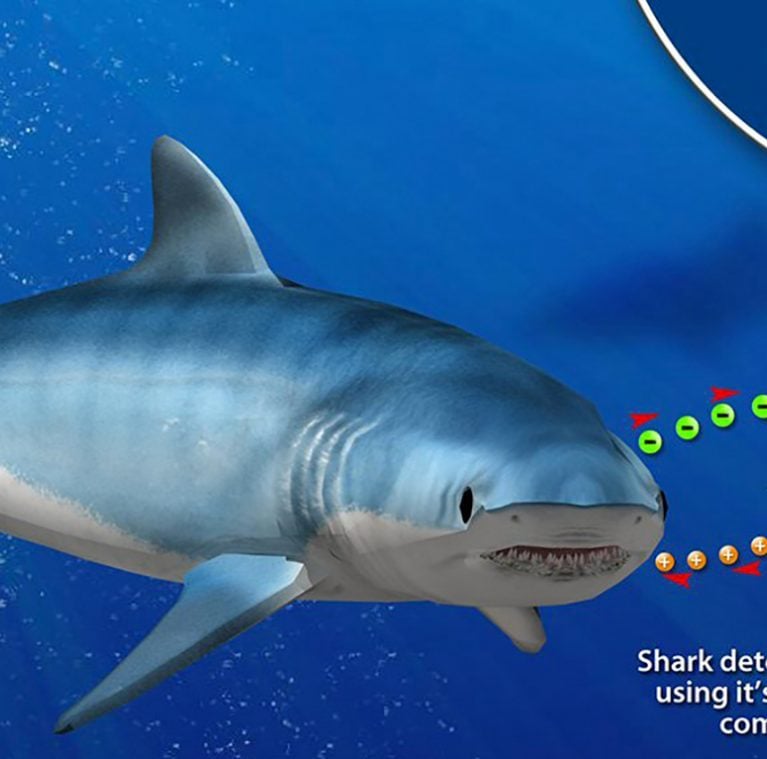
Shark kryptonite
PROJECT LEADER Eric Stroud
Pristine habitat, pristine population
PROJECT LEADER Lauren Peel
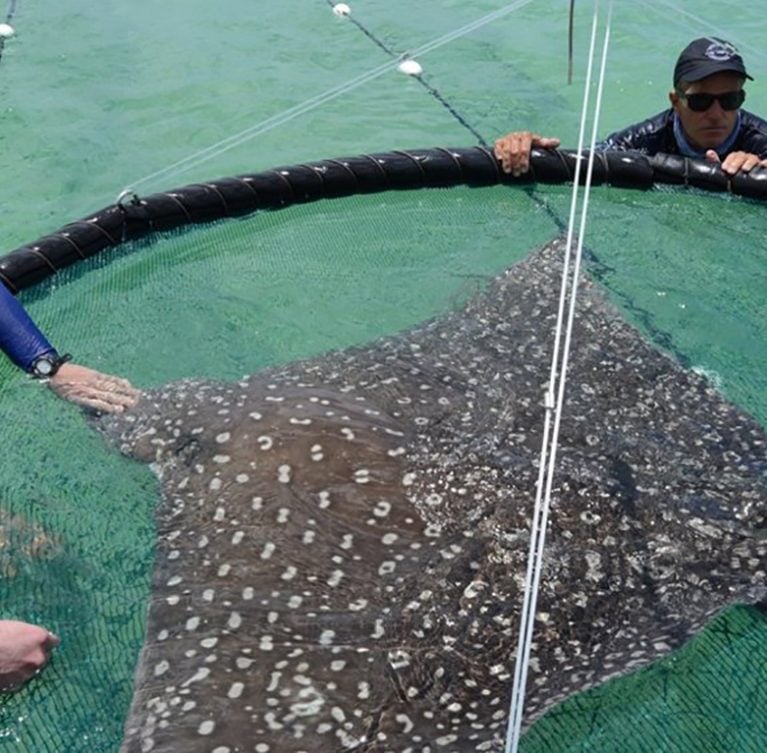
Sea eagles of the Caribbean
PROJECT LEADERS Robert Hueter, Kim Bassos-Hull
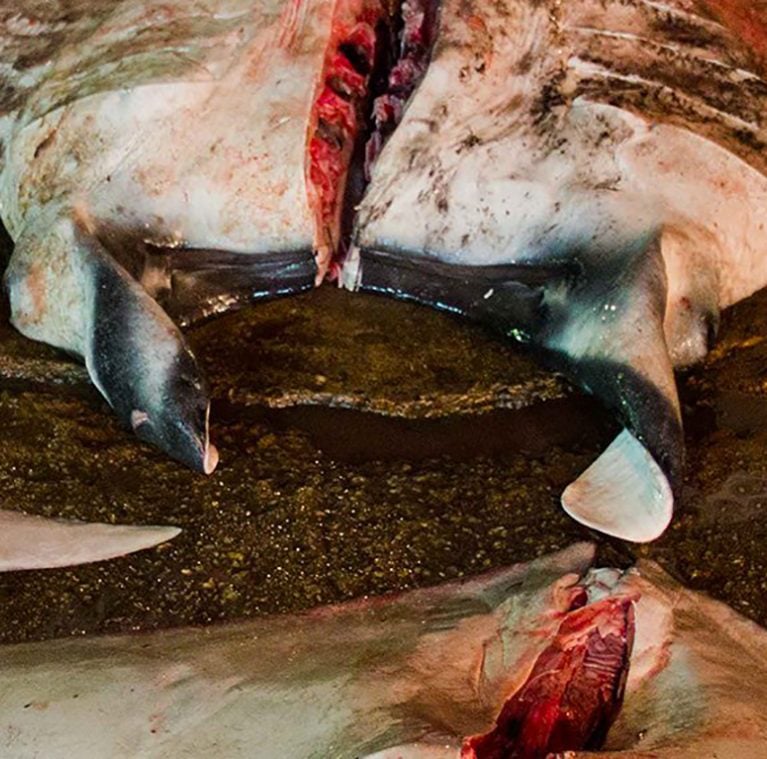
Protecting Pakistan’s mantas
PROJECT LEADER Rab Nawaz
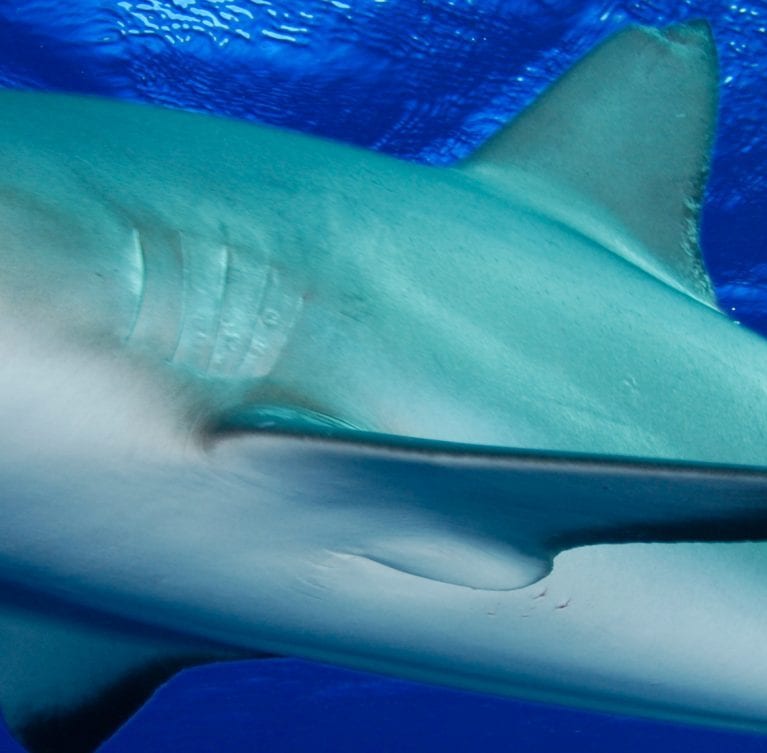
Decoding desert sharks
PROJECT LEADER Igbal Elhassan
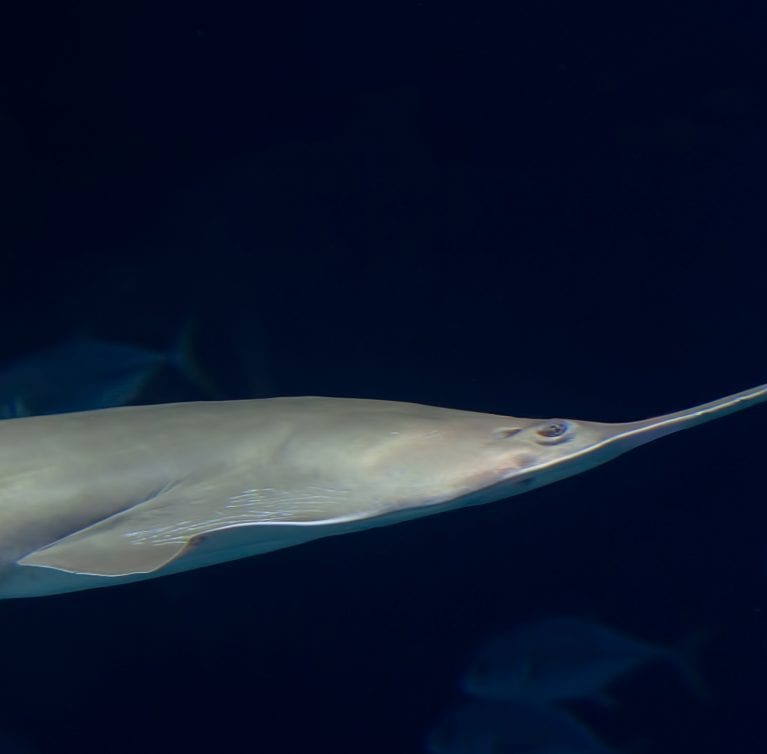
Rediscovering sawfishes in West Africa
PROJECT LEADER Armelle Jung
Fighting fish bombers
PROJECT LEADER Elizabeth Wood
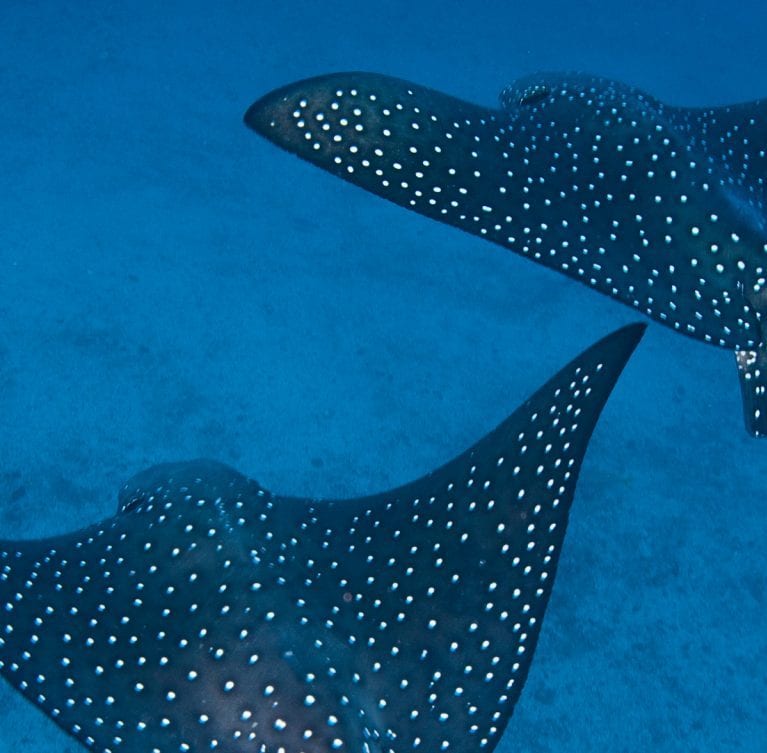
Hard-eating stingrays
PROJECT LEADER Matt Ajemian
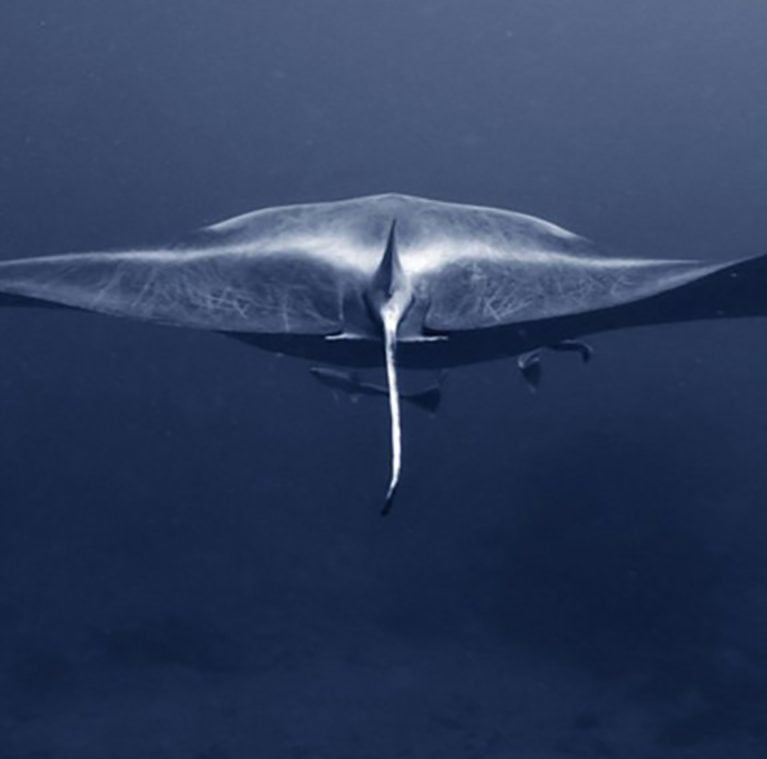
Global manta & devil ray conservation
PROJECT LEADER Nick Dulvy
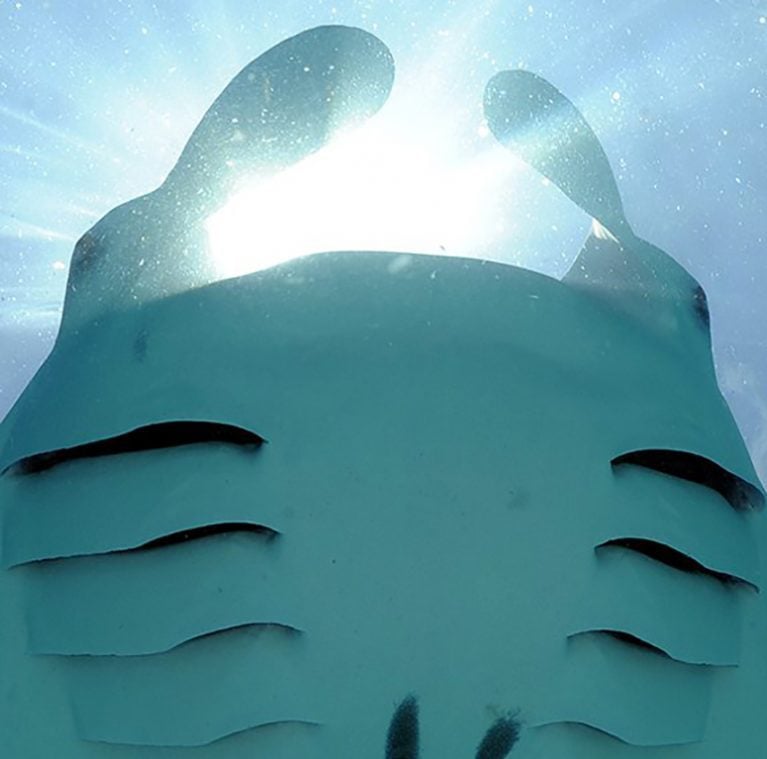
Fishing for devil rays
PROJECT LEADER Liliana Ayala
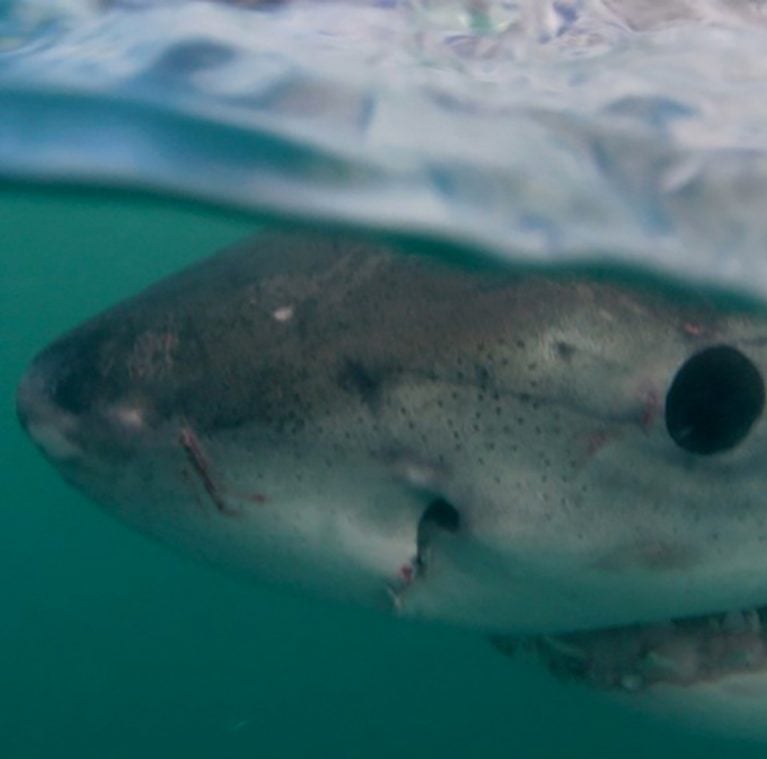
White shark central
PROJECT LEADER Alison Towner
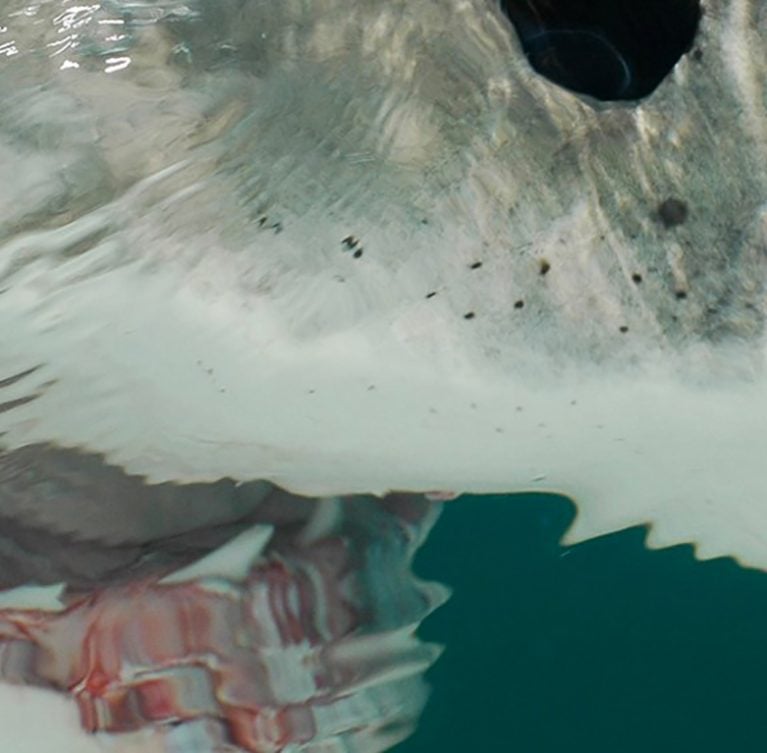
White shark population
PROJECT LEADER Charlie Huveneers
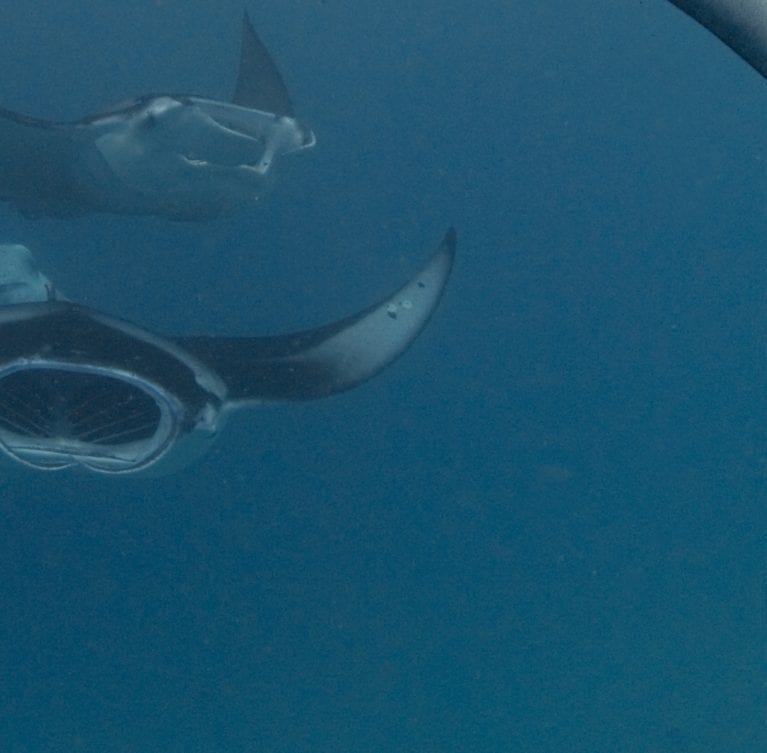
Manta network Philippines
PROJECT LEADER Shannon Arnold
Mobile sharks
PROJECT LEADER Frances Humber
Fishing, fins and food
PROJECT LEADER Steve Trent
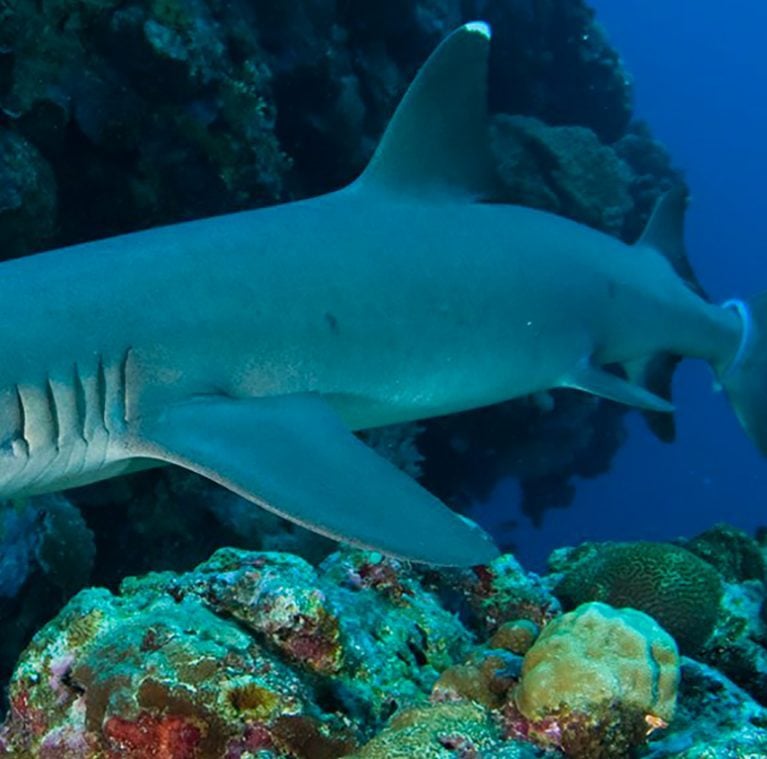
Shark tourism: friend or foe?
PROJECT LEADERS Richard Fitzpatrick, Adam Barnett
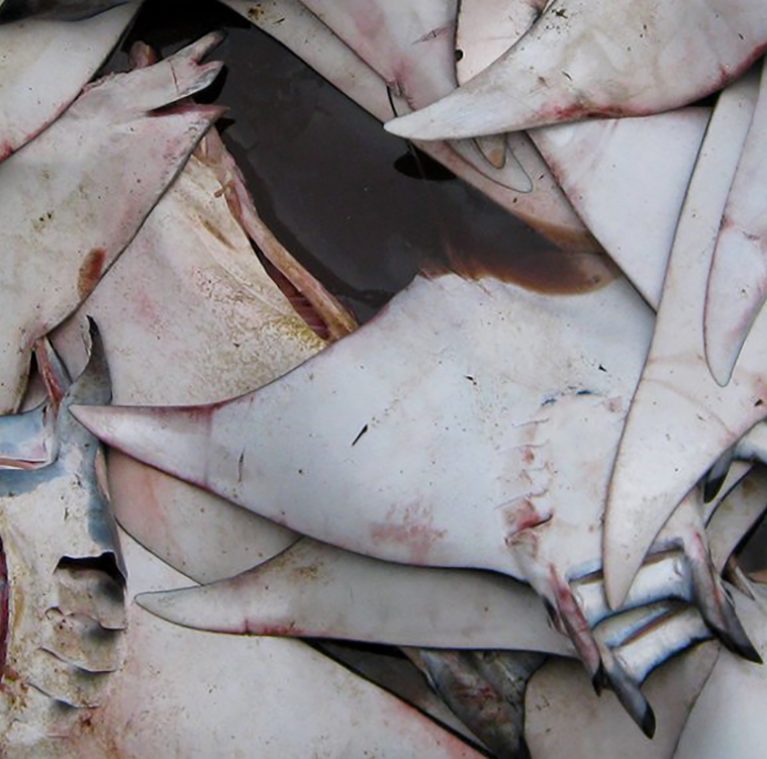
Which mobulid is which?
PROJECT LEADER Daniel Fernando
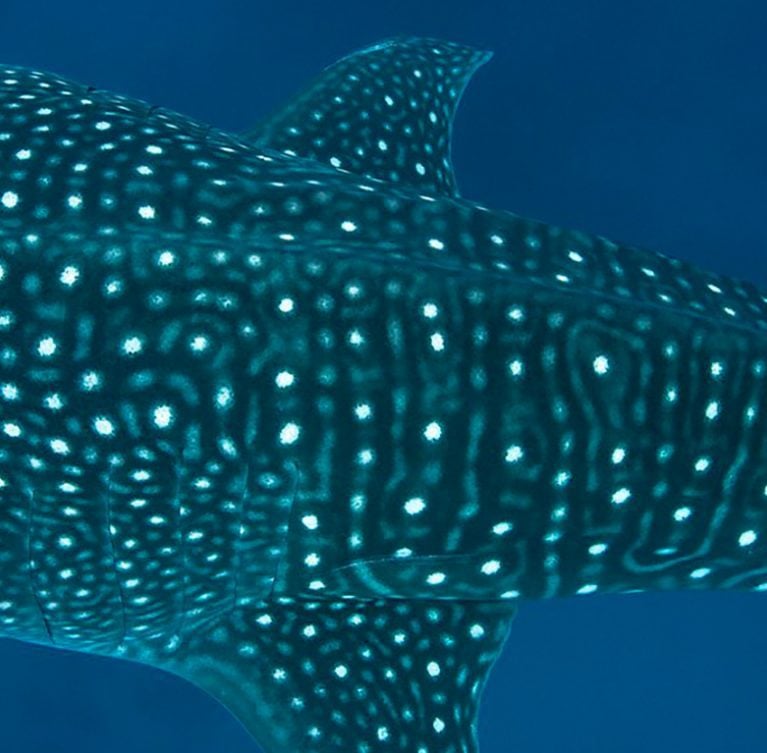
Whale sharks down under
PROJECT LEADER Lara Marcus Zamora
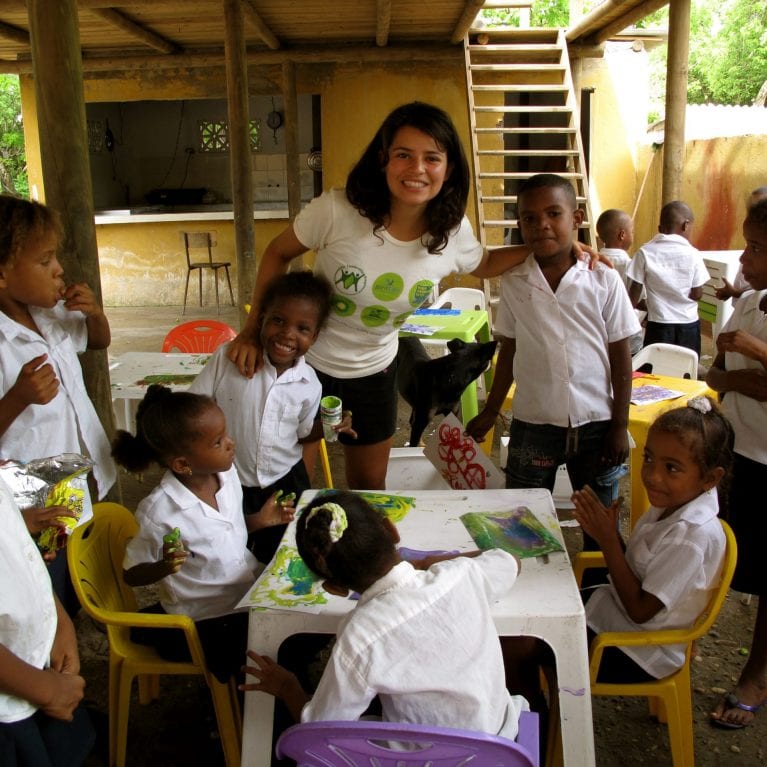
Critical habitat for sharks
PROJECT LEADERS Juliana López-Angarita, Alex Tilley
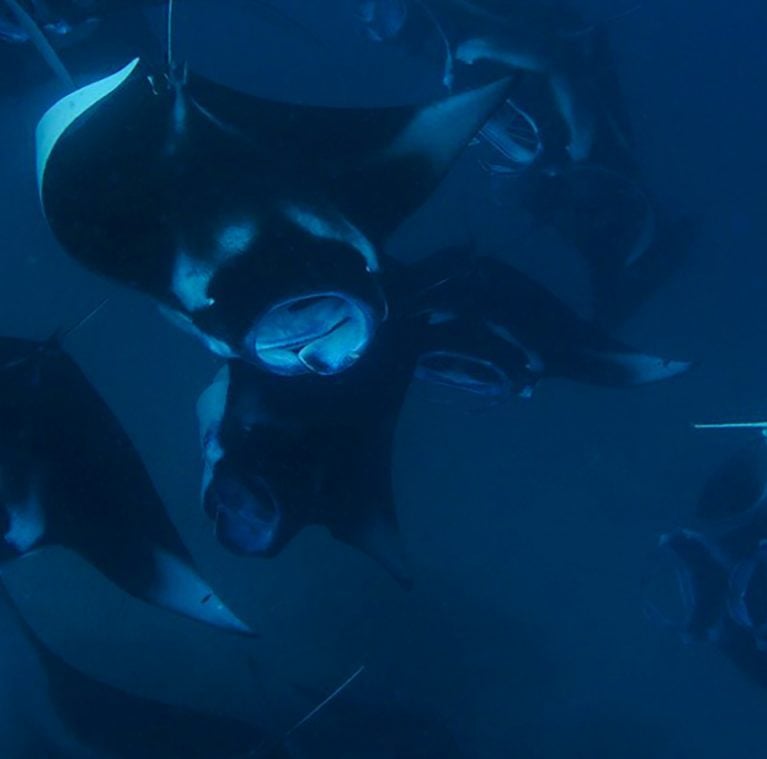
The manta code
PROJECT LEADER Emily Humble
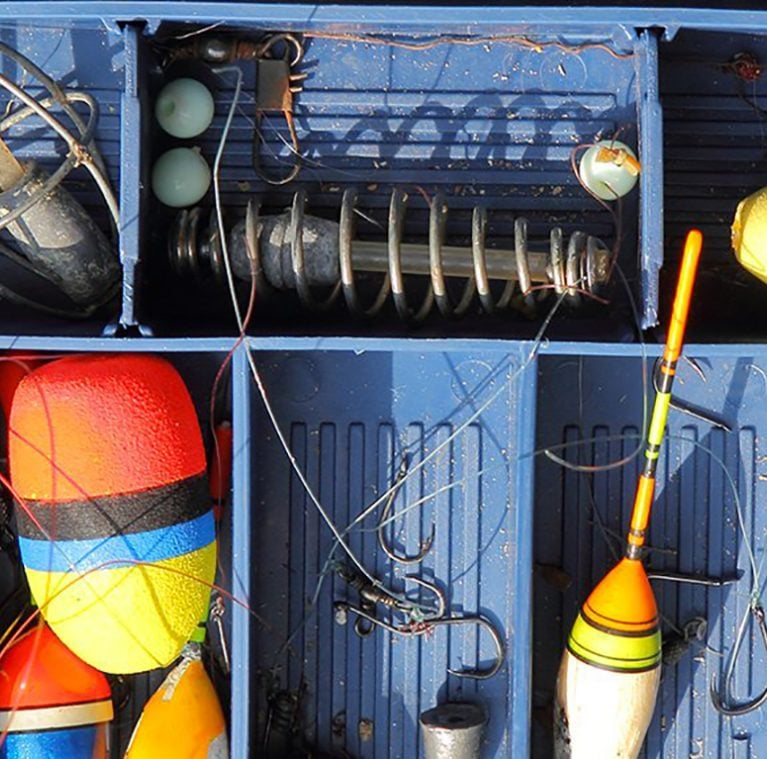
Tight lines and easy release
PROJECT LEADER Betty Bauman
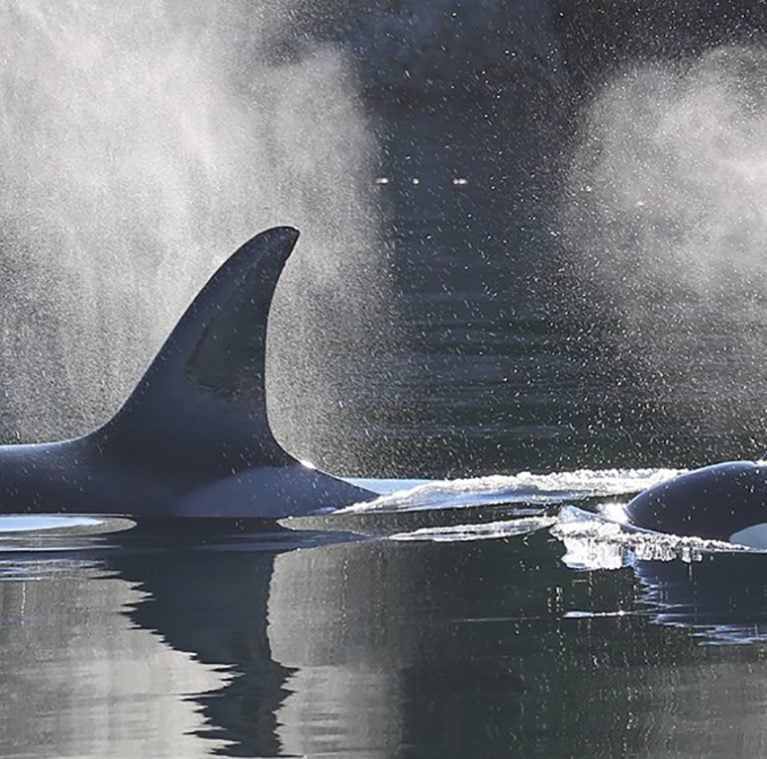
Cetacea Lab
PROJECT LEADERS Janie Wray, Hermann Meuter
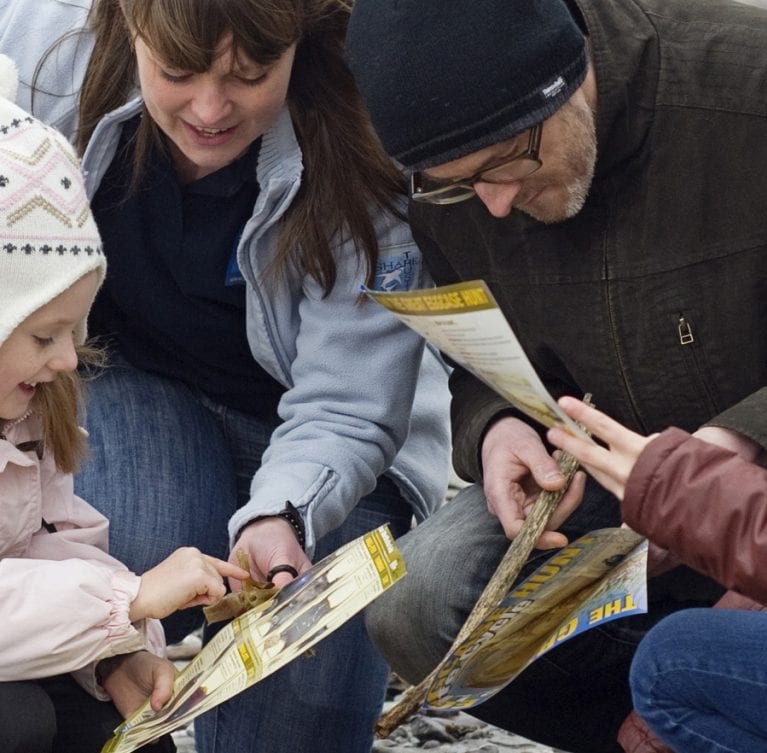
The Great Eggcase Hunt
PROJECT LEADERS Ali Hood, Cat Gordon
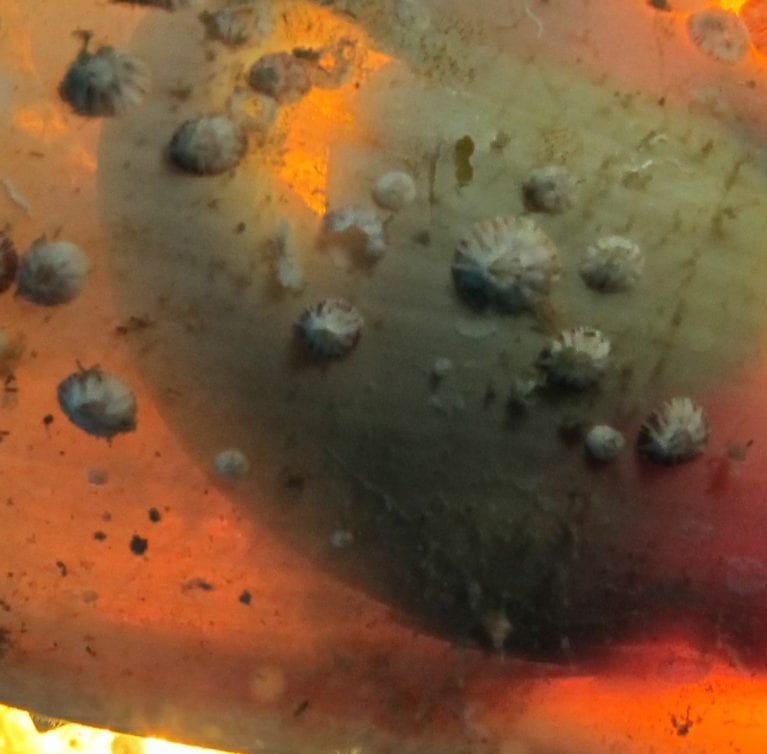
Mermaid’s purse
PROJECT LEADER Eleonora de Sabata
Micronesia Shark Foundation
PROJECT LEADER Tova Harel Bornovski
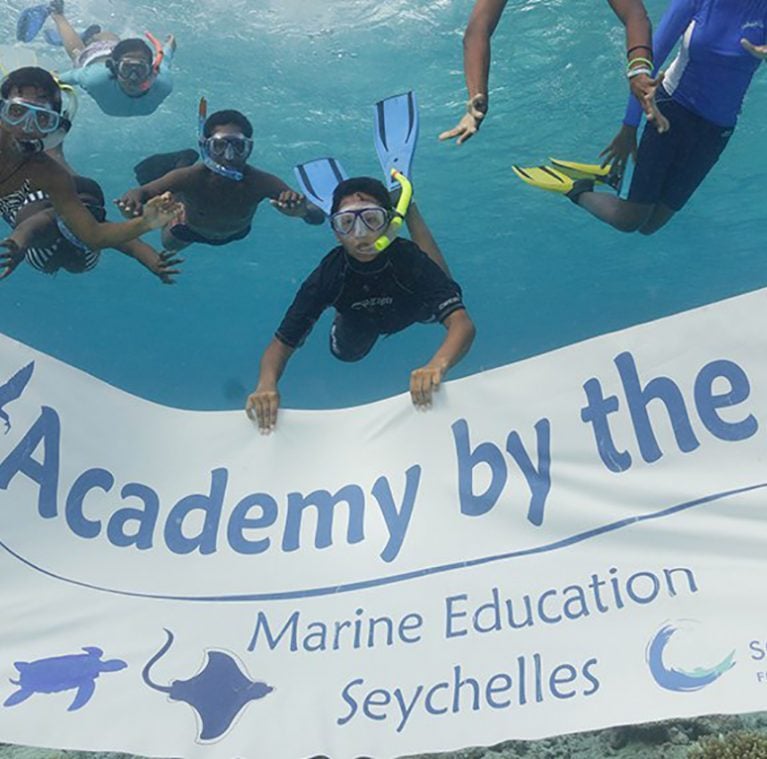
Academy by the Sea
PROJECT LEADER David Rowat
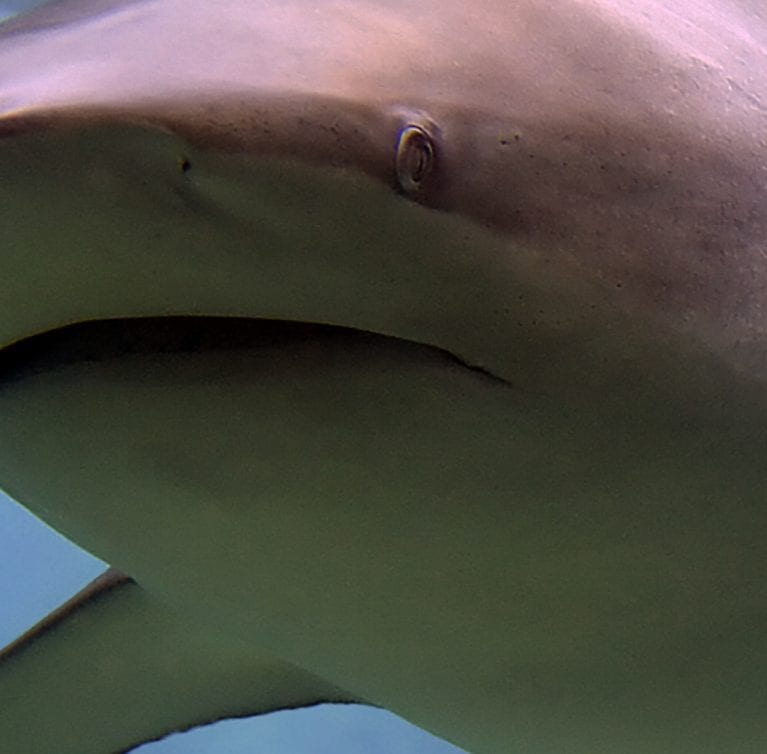
Sharks on the line
PROJECT LEADER Tamzyn Zweig
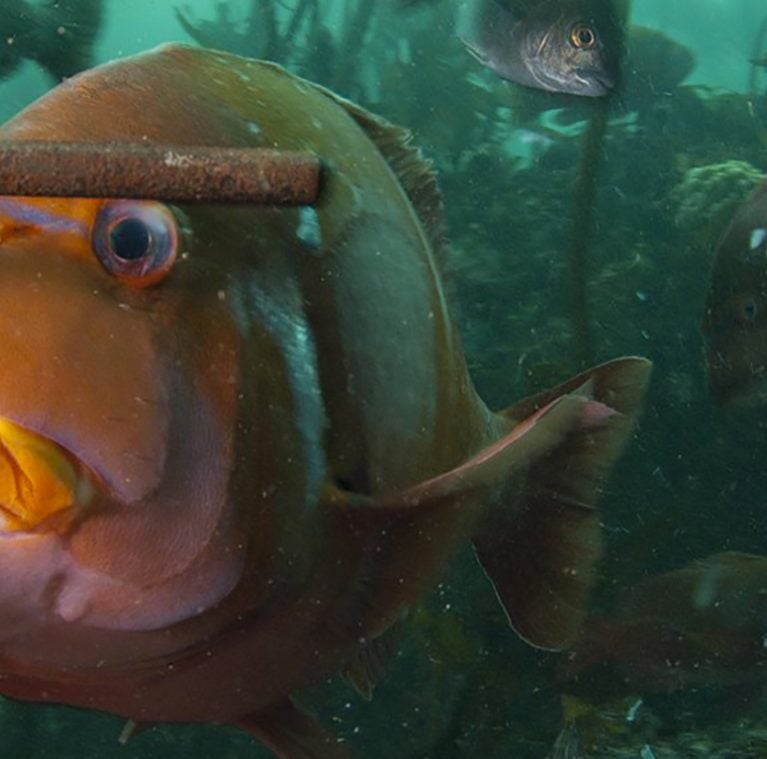
The big BRUV
PROJECT LEADER Lauren de Vos
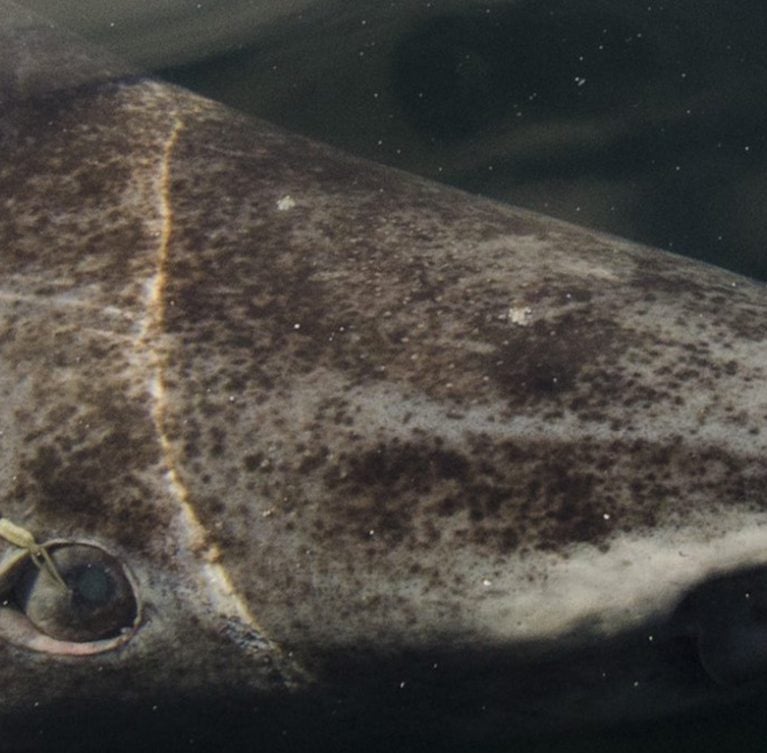
Greenland sharks: old and cold
PROJECT LEADER Peter Bushnell
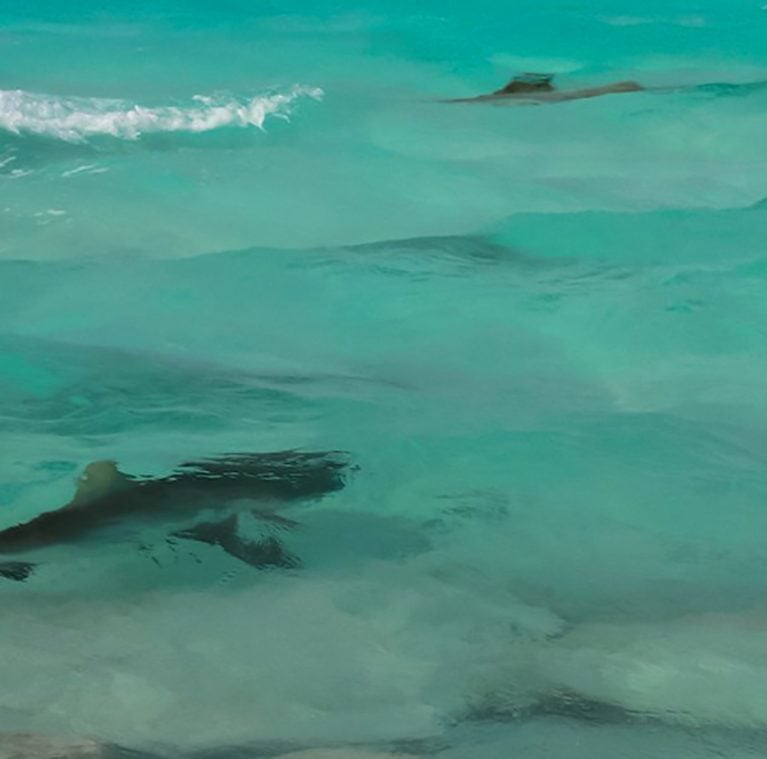
Do no-take reserves conserve coastal sharks?
PROJECT LEADER Jayson Semmens
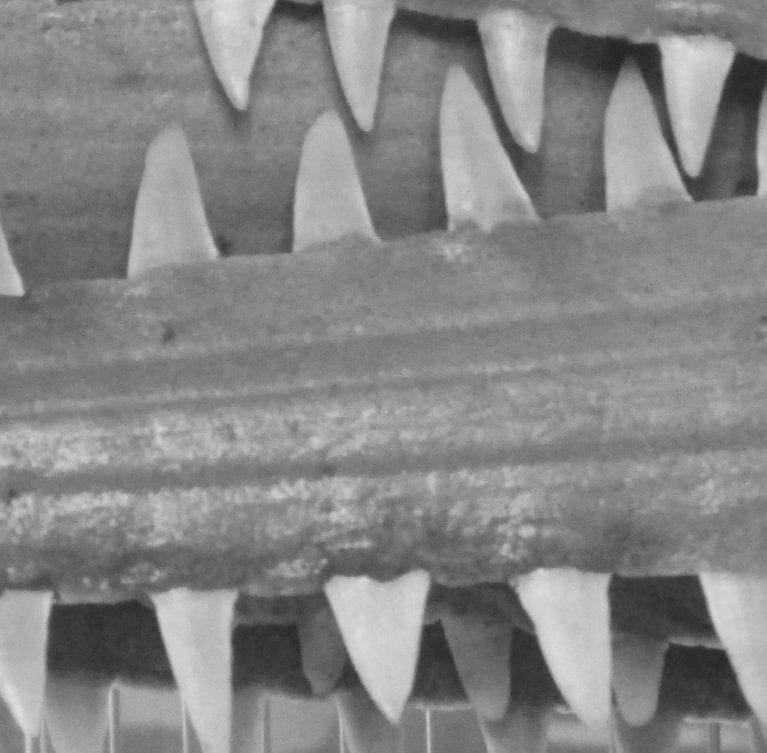
Shark Advocates International
PROJECT LEADER Sonja Fordham
‘Shark bite’: what’s in a word?
PROJECT LEADER Christopher Neff
The Shark Specialist Group
PROJECT LEADER Nick Dulvy
The sawfish report
PROJECT LEADER Nick Dulvy
Saving Indonesia’s manta rays
PROJECT LEADER Sarah Lewis
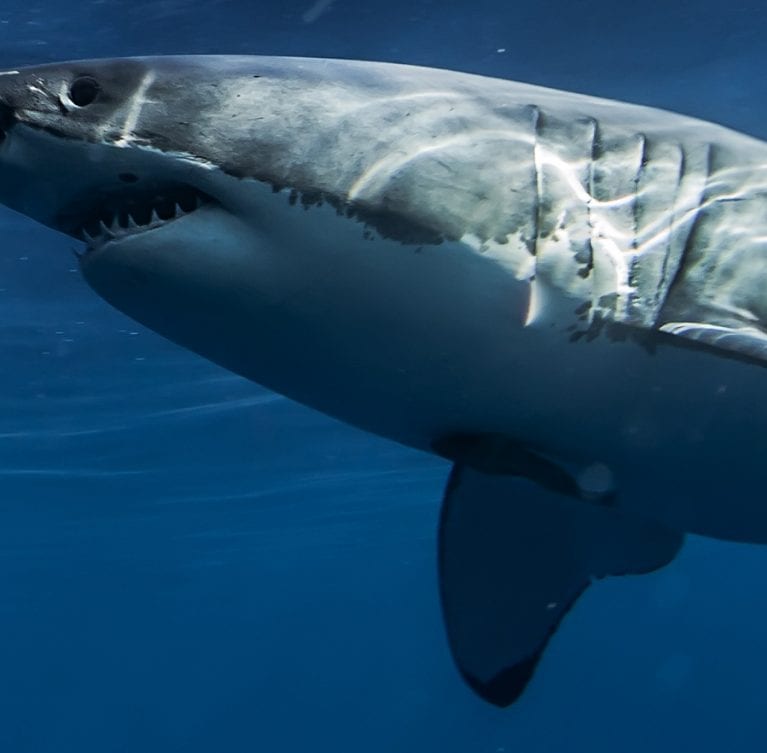
The shark that got lost: Mediterranean great whites
PROJECT LEADER Leslie Noble
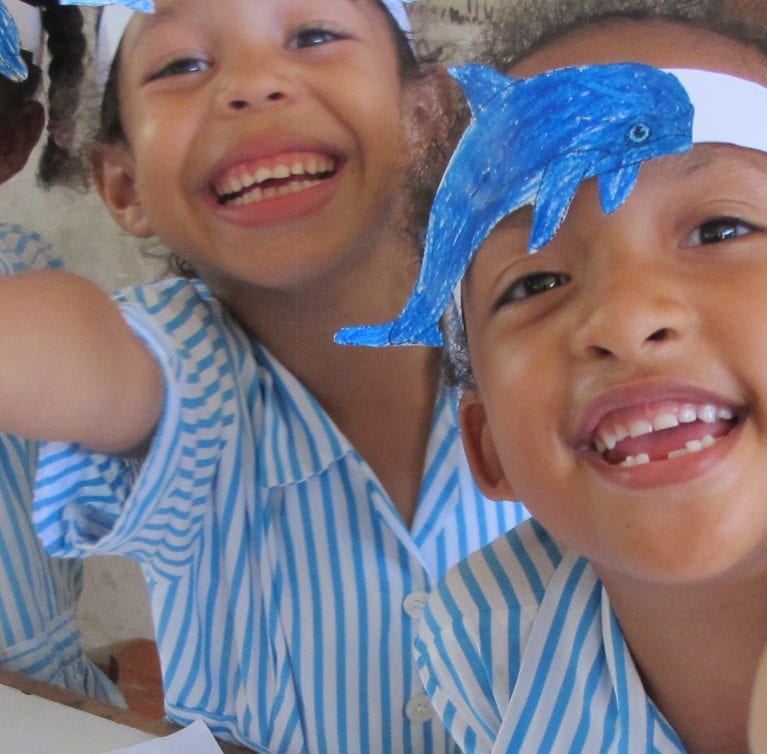
Marine education in the Seychelles
PROJECT LEADER Abbie Hine
Secrets of the African manatee
PROJECT LEADER Lucy Keith Diagne
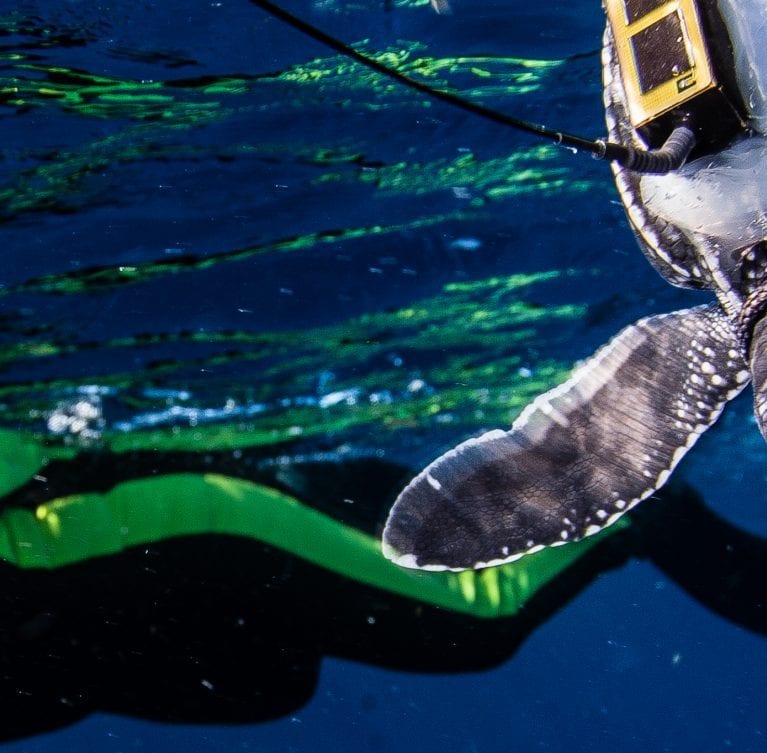
Where do tiny turtles go?
PROJECT LEADER Jeanette Wyneken
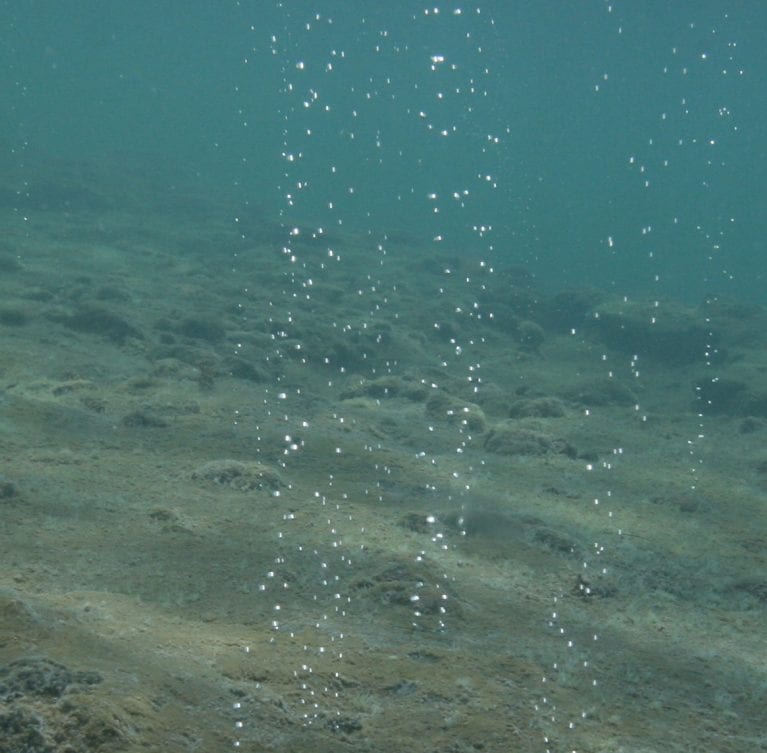
Ocean acidification: our changing seas
PROJECT LEADER Jason Hall-Spencer
Djibouti’s baby giants
PROJECT LEADER David Rowat

The Shark Riddle
PROJECT LEADERS Laura Sams, Robert Sams
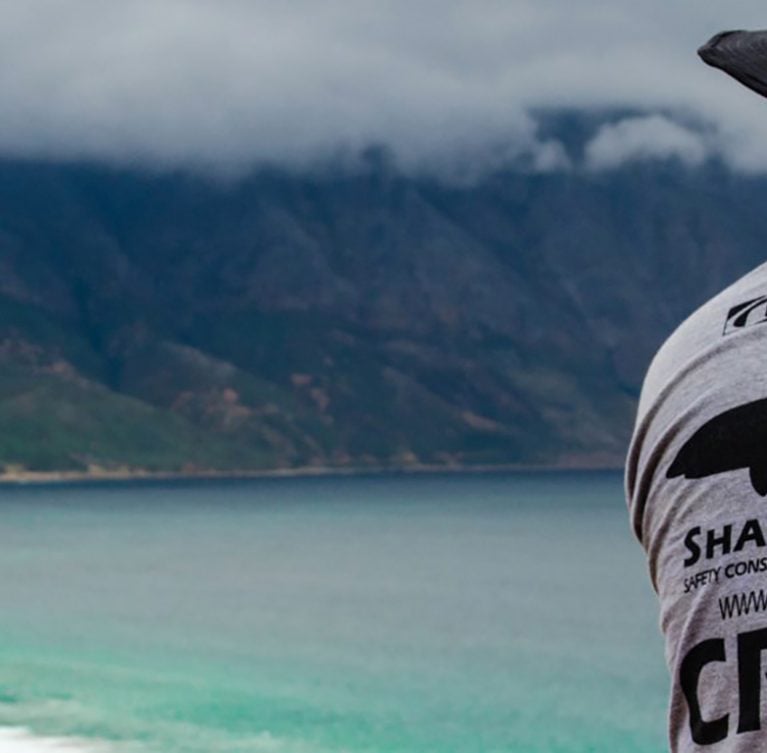
Shark Spotters
PROJECT LEADER Sarah Waries
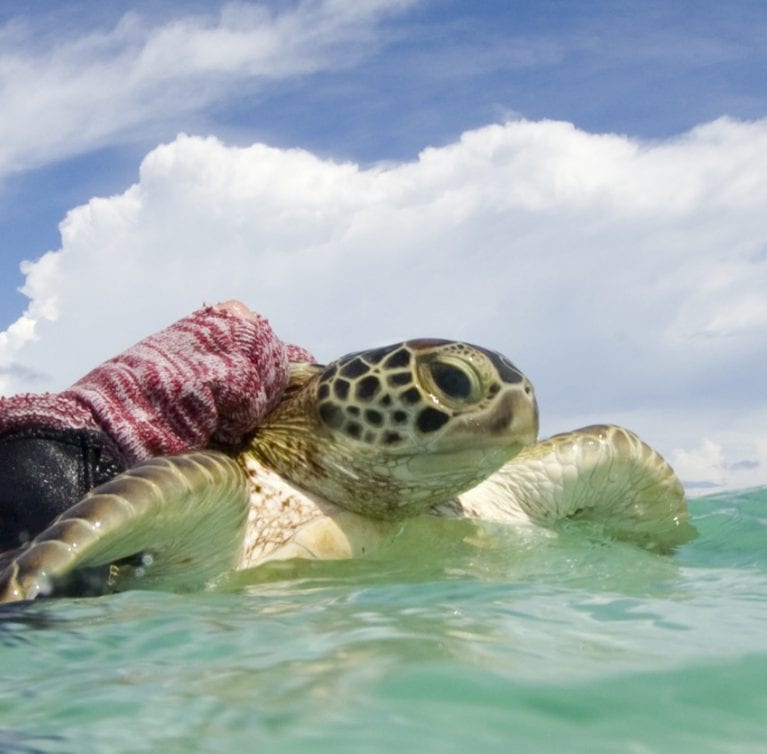
Sea turtles of Malaysia
PROJECT LEADER Nicolas Pilcher
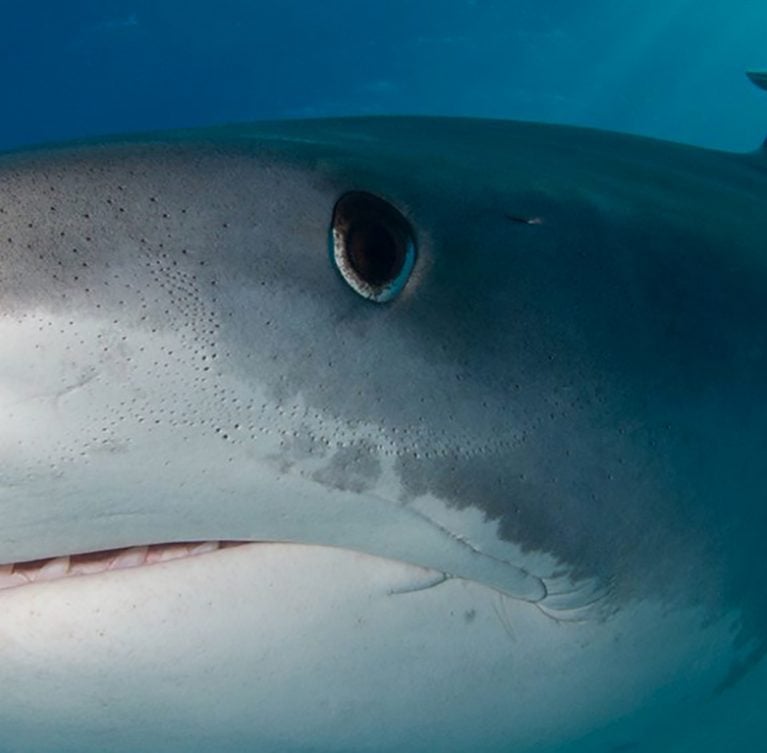
Cayman sharks
PROJECT LEADER Mauvis Gore
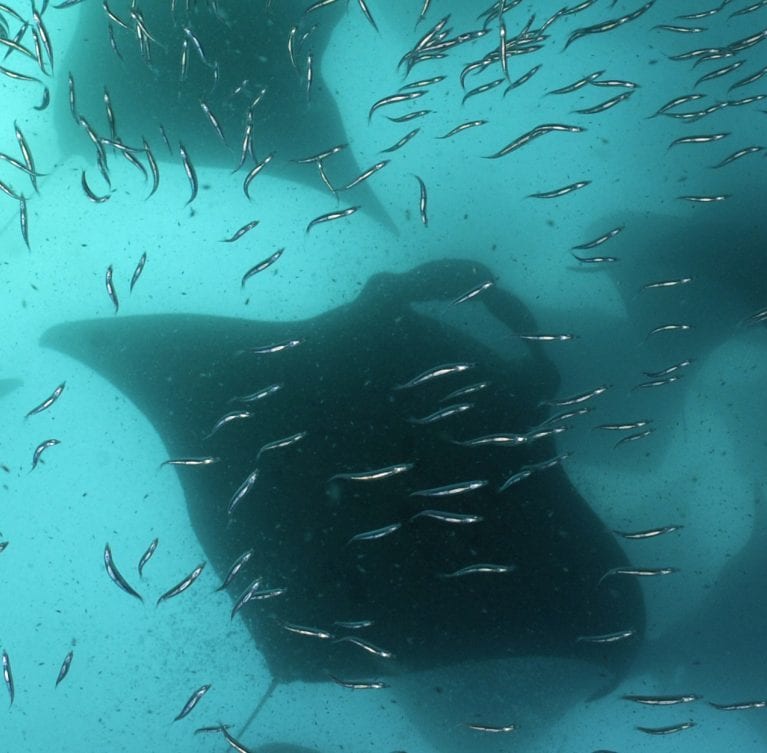
Manta ray bay
PROJECT LEADER Guy Stevens
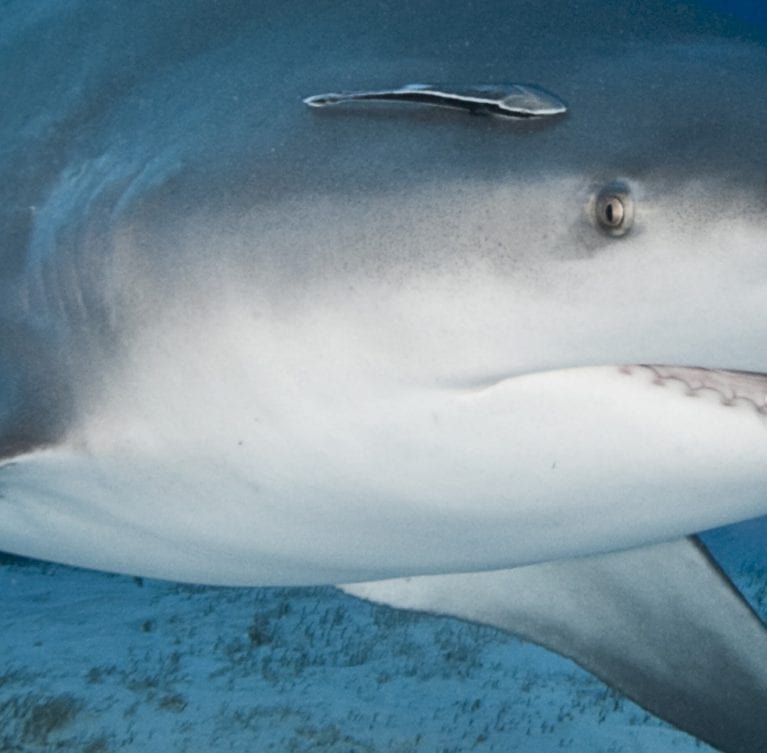
Zambezi sharks
PROJECT LEADER Meaghen McCord